

Your Best Options for Control
6/9/2026 - By Harrell's
Turf insect control plays an important role in maintaining pristine conditions throughout the summer.
Summer stress on the golf course doesn’t just come from heat, drought, and traffic. Insect pressure can quickly turn healthy turf into thin, weakened playing surfaces if pests are not identified and controlled early. From root-feeding white grubs to aggressive annual bluegrass weevil larvae, summer insects can cause widespread turf loss on greens, tees, fairways, and roughs when populations go unchecked.
The key to successful insect management is understanding which pests are active, recognizing the early warning signs, and timing preventative or curative applications correctly. Golf course superintendents who stay proactive with scouting and integrated pest management strategies can minimize damage, protect turf health, and reduce costly recovery work later in the season.
Annual Bluegrass Weevil (ABW) Control
The annual bluegrass weevil (ABW) continues to be one of the most destructive insect pests on golf courses throughout eastern North America. ABW primarily targets annual bluegrass and closely mowed turf areas, including greens, collars, approaches, tees, and fairways. Damage is often mistaken for drought stress, anthracnose, or localized dry spot until significant thinning has already occurred.
Adult weevils overwinter in protected areas before migrating into playing surfaces during spring. Once eggs hatch (mid-late May), larvae begin feeding inside stems and crowns before moving into the soil. By summer, overlapping generations can make control increasingly difficult if earlier applications were missed. Timing remains critical because ABW can produce multiple generations during the growing season. Utilize tools like Syngenta’s WeevilTrak™ Plus to monitor and manage ABW across the country, to better fine-tune your management program.
Signs of Annual Bluegrass Weevil Activity
Yellowing or thinning turf in irregular patches
Turf that appears drought-stressed despite adequate moisture
Larval feeding within stems and crowns
Increased damage along collars, fairway edges, and approaches
Turf that pulls apart easily due to crown feeding
Annual Bluegrass Weevil Management Tips
Begin scouting early in the season to monitor adult migration
Use degree-day tracking and local environmental indicators to improve timing
Rotate chemistries to help reduce resistance pressure
Target early larval stages whenever possible for improved control
Continue monitoring through the summer as generations overlap
A few products for control that you might consider introducing into your rotation include Atexzo® insecticide/miticide and Ference® from Syngenta, Tetrino® insecticide from Envu, Suprado from Quali-Pro, MatchPoint® insecticide from Corteva, and Dylox® insecticide from Envu.
Read more about annual bluegrass weevil.
Grub Control
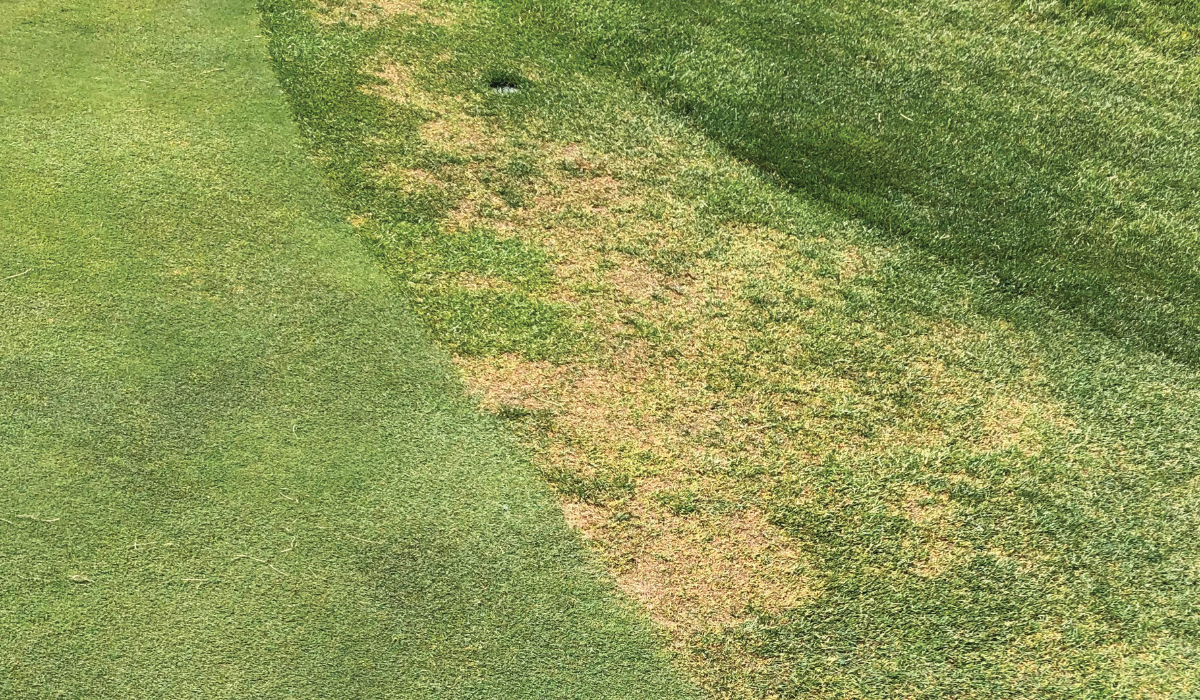
Grubs remain one of the most common and economically damaging turfgrass pests during summer and early fall. These larvae feed below the surface on turf roots, reducing the plant’s ability to take up water and nutrients. Damaged turf often becomes weak, drought-prone, and easy to pull back like loose carpet.
Golf courses may initially notice wilted areas that fail to recover even with irrigation. As feeding intensifies, larger sections of turf can collapse entirely. Secondary damage from birds, raccoons, or skunks digging for grubs can worsen conditions quickly.
Signs of Grub Damage
Wilting turf that does not respond to irrigation
Spongy or loose turf surfaces
Turf that lifts easily from the soil
Increased animal feeding activity
Irregular brown patches expanding during hot weather
Grub Management Tips
Scout susceptible areas regularly during summer
Monitor adult beetle flights to anticipate egg hatch timing
Apply preventative products before peak larval feeding begins
Ensure adequate irrigation after applications when required by label
Focus on historically infested fairways and roughs
Preventative insecticide products include both neonicotinoids and/or anthranilic diamides to appropriately target vulnerable larvae in the late spring to mid-summer months, which is your best bet for season-long control. Neonicotinoids include Arena®, Aloft®, Meridian®, and Merit®, while anthranilic diamides include Acelepryn®, Durentis®, and Tetrino®.
Mole Cricket Control
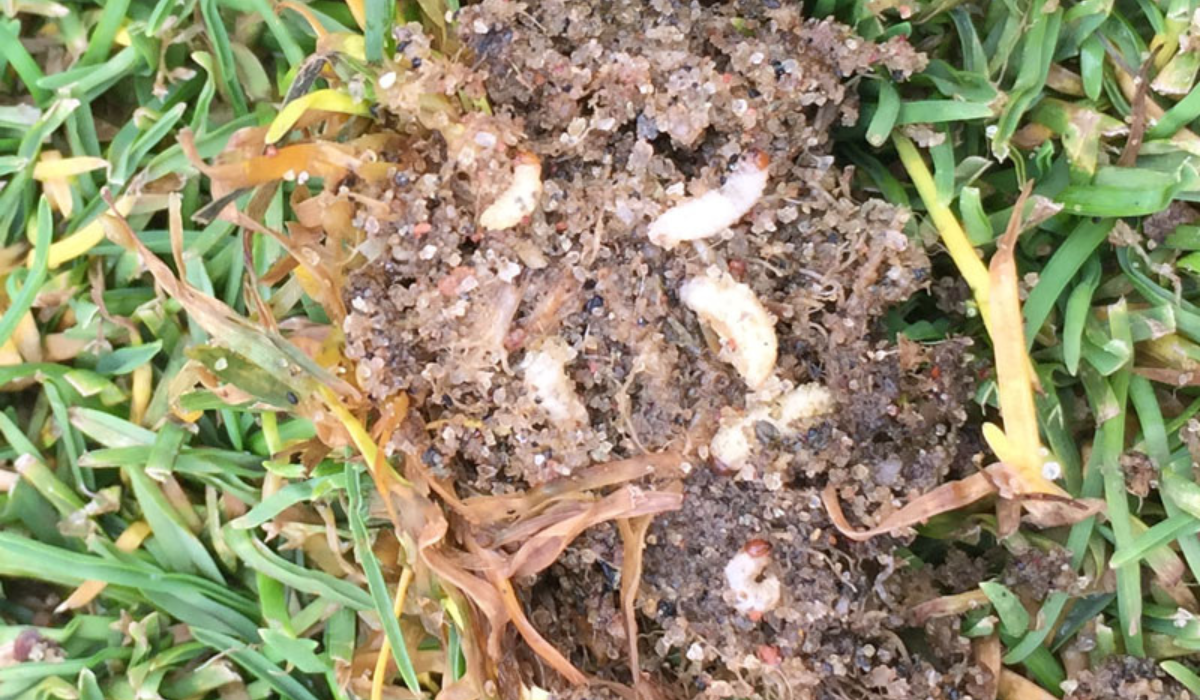
Mole crickets can cause severe turf disruption on warm-season golf courses, especially throughout the Southeast. These pests tunnel through the soil profile while feeding on roots and organic matter, creating instability and weakening turf stands.
Their tunneling disrupts root systems and dries out turf rapidly during hot weather. Damage often becomes more visible during summer stress periods when weakened turf struggles to recover from traffic and heat.
Signs of Mole Cricket Activity
Raised tunnels or soft, spongy turf
Thinning or dead turf in irregular patterns
Increased wilt during hot afternoons
Turf that feels unstable underfoot
Bird activity targeting infested areas
Mole Cricket Management Tips
Monitor adult activity with soap flushes and trapping
Target young nymph stages for best control
Maintain healthy root systems to improve turf recovery
Combine cultural and chemical strategies for season-long suppression
Scout high-pressure areas consistently during summer
Control of mole crickets can be achieved with a few choice products across different classes of chemistry. Product options include Atexzo®, Acephate®, Advion®, Alucion®, Provaunt®, Topchoice®, and Triple Crown®, especially effective at controlling young mole crickets. It’s important to take action before mole crickets grow; activity and damage get worse when they reach adulthood.
Read more about mole crickets.
Chinch Bug Control
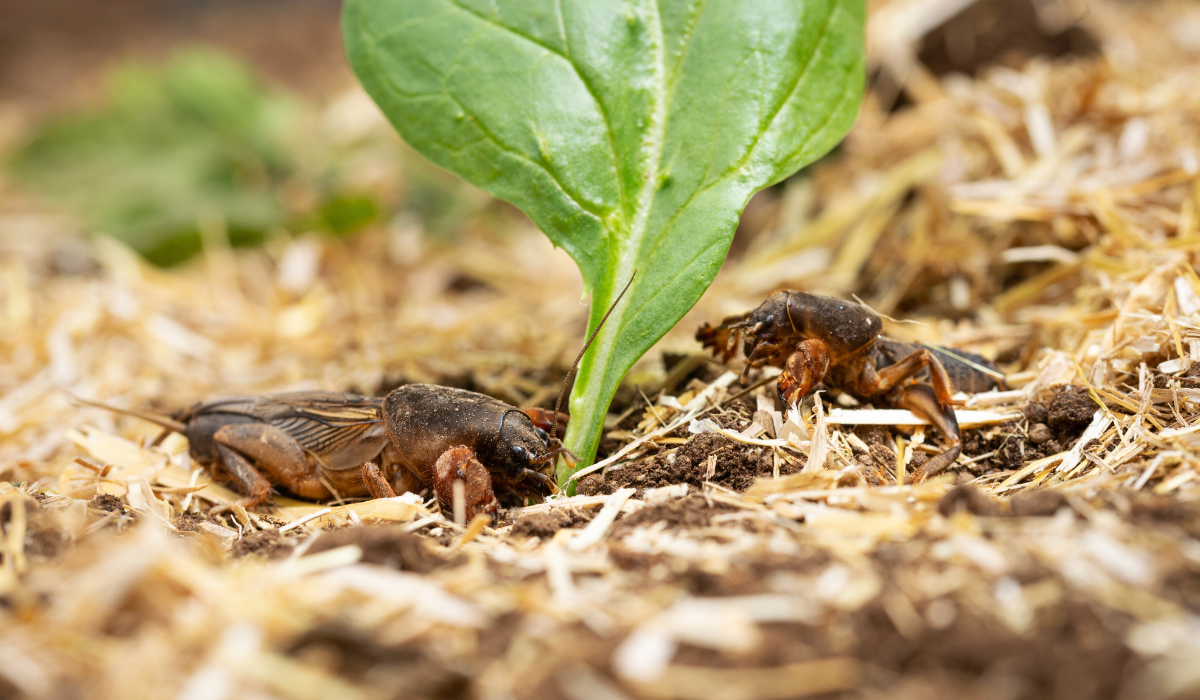
Chinch bugs are especially problematic in sunny, drought-stressed turf areas. These insects feed by piercing grass blades and extracting plant fluids, while also injecting toxins that contribute to turf decline. Damage often resembles drought stress, making misdiagnosis common during hot summer conditions.
As populations increase, the affected turf transitions from yellow to bronze and eventually dies. Because chinch bug damage often develops rapidly during heat waves, early detection is essential.
Signs of Chinch Bug Damage
Expanding yellow or bronze patches
Damage concentrated in sunny or dry areas
Turf decline despite irrigation
Active insects visible near the soil surface or thatch
Damage spreading outward from sidewalks or cart paths
Chinch Bug Management Tips
Reduce excessive thatch accumulation
Monitor sunny, heat-prone areas closely
Confirm insect presence before treating
Improve irrigation uniformity to reduce drought stress
Rotate insecticide classes to help prevent resistance
A few products for control that you could introduce into your rotation include both neonicotinoids and synthetic pyrethroids. In the neonicotinoid family, Arena® insecticide, Meridian® insecticide, and Merit® insecticide are proven effective products that provide several weeks of control with systemic uptake into the turf stand. The synthetic pyrethroids, also used as “knock down” treatments often throughout the season, include Talstar®, Scimitar®, and Triple Crown®.
Turf Mite Control
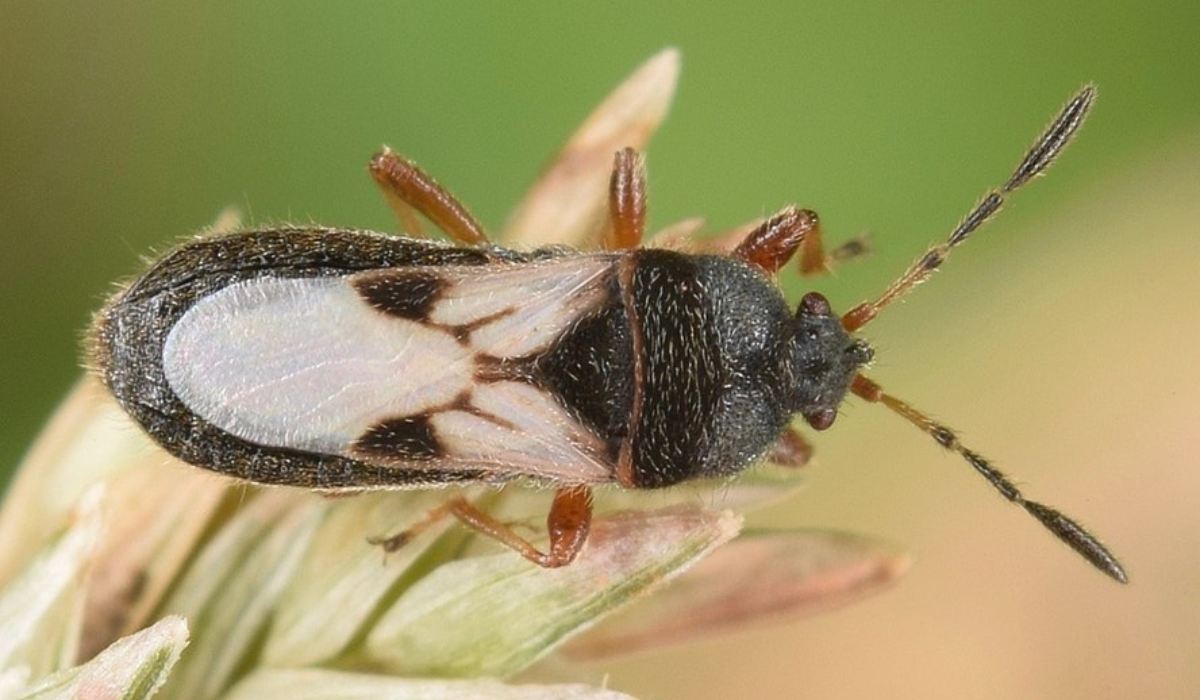
Mites are often overlooked because of their extremely small size, but populations can explode during hot, dry weather. These pests are technically arachnids, not mites, and they feed on plant tissues and can quickly cause discoloration, thinning, and weakened turf conditions.
Mite damage is frequently confused with environmental stress or nutrient deficiencies. Because infestations can escalate rapidly during summer heat, regular scouting becomes increasingly important.
Signs of Turf Mite Damage
Silvery, bronzed, or stippled turf appearance
Declining turf vigor during heat stress
Thinning stands with no obvious disease symptoms
Damage concentrated in dry or stressed areas
Visible activity under magnification
Turf Mite Management Tips
Reduce drought stress whenever possible
Increase scouting during prolonged heat and dry periods
Avoid unnecessary stress from aggressive cultural practices
Improve irrigation coverage and consistency
Treat early before populations expand significantly
Products to manage turf mites with optimal control include Atexzo® and Divanem™ from Syngenta, and Kontos from Envu, as well as combination products like Triple Crown® from Envu, which can help with suppression of mites.
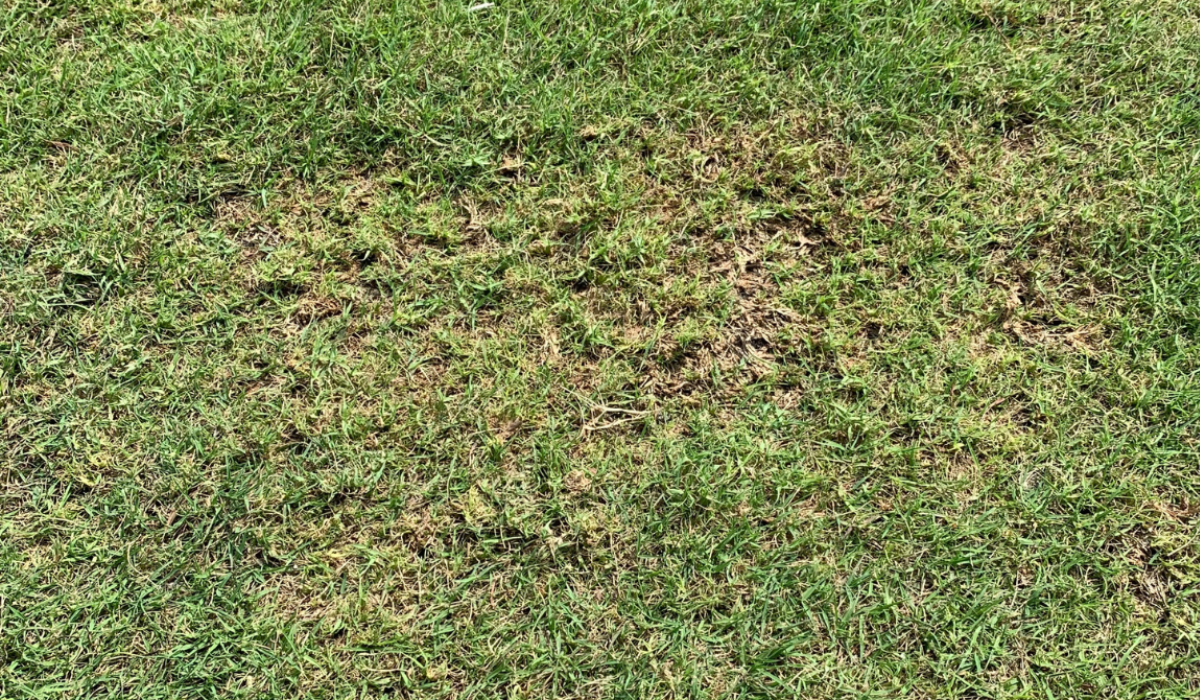
A Proactive Turf Insect Control Approach Wins the Battle with Summer Bugs
Summer insect management is rarely about reacting after severe damage appears. The most successful golf course pest control programs rely on consistent scouting, accurate identification, preventative planning, and properly timed applications.
Environmental stress already puts significant pressure on turf during the summer months. When turf insects are added to the equation, weakened turf can decline rapidly. Staying ahead of annual bluegrass weevil, white grubs, mole crickets, chinch bugs, and mites helps preserve playing conditions, maintain turf density, and reduce recovery costs throughout the season.
Your local Harrell’s Rep can help you to diagnose what troublesome summer bugs are afflicting your course and develop the perfect plan to treat for a successful summer. Connect with your Harrell's Rep today to get started.
Not all products registered in all states. Always read and follow product label instructions before use.
Related Resources

In addition to being the nation’s largest distributor of branded fungicides, herbicides, and insecticides, Harrell’s produces custom-blended fertilizers, specialty liquids, and wetting agents. Additionally, Harrell’s is the exclusive US owner, formulator, and distributor of all POLYON® branded products.
TEAM HARRELL'S
STAY EQUIPPED
Never stop learning. Access FREE continuing education courses from Harrell’s.
LET'S GROW
PRESS RELEASES
PRESS RELEASES
STAY EQUIPPED
Never stop learning. Access FREE continuing education courses from Harrell’s.
LET'S GROW