

Spring Insect Pests: Chinch Bugs, Grubs, Mole Crickets, and Ants in Turfgrass
4/17/2025 - By Dr. Paul Giordano
Updated: April, 2025
As spring emerges, lawn care operators and golf course superintendents gear up to combat the resurgence of turfgrass insect pests. Among the primary adversaries threatening turf health are chinch bugs, grubs, and mole crickets. Understanding the biology and management strategies for these pests is crucial for maintaining pristine landscapes and optimal playing conditions.
Chinch Bugs: Tactical Challenges in ID and Control
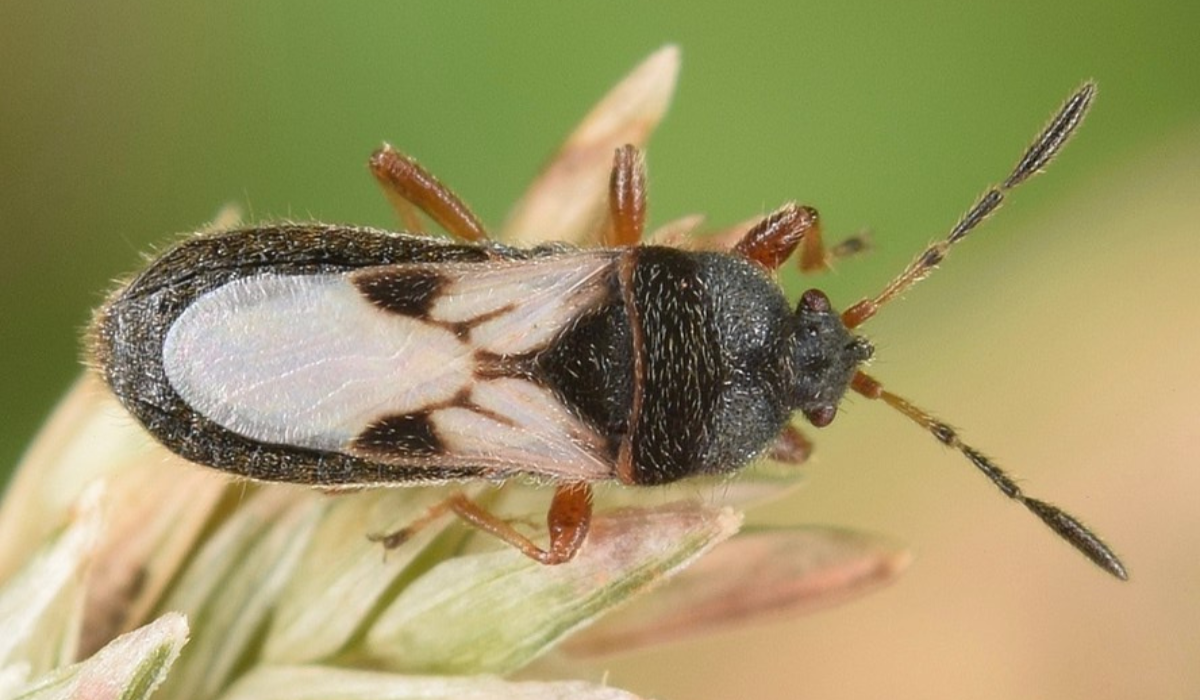
Chinch bugs (Blissus spp.) are adept at infiltrating and devastating turfgrass stands, particularly in sunny areas. These minute insects, measuring around 4mm in length, possess piercing-sucking mouthparts and feed on grass blades, injecting toxic saliva that accelerates tissue necrosis.
Identification of chinch bug infestations requires meticulous observation. Early signs include irregular yellowing or browning patches in affected areas, often mistaken for drought stress. Closer inspection reveals the tiny, black-bodied insects adorned with distinctive white wings.
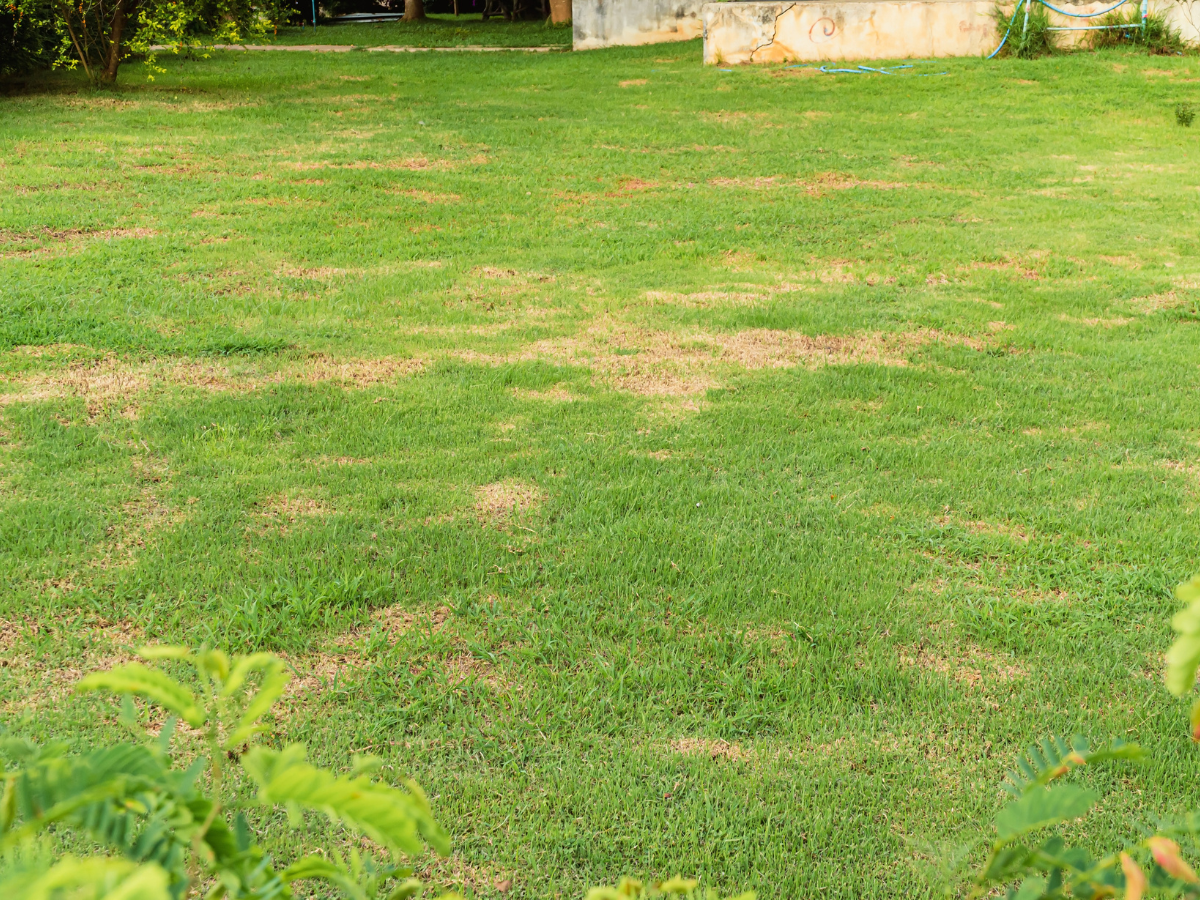
Effective chinch bug management necessitates a systematic approach. Integrated pest management (IPM) strategies, incorporating cultural practices such as proper irrigation and mowing height, can mitigate infestations. Often, where tolerance for damage is low, targeted applications of insecticides, preferably with residual activity, are warranted to suppress burgeoning populations.
Applications targeting chinch bug nymphs and adults should begin in the spring and early summer. Products in the neonicotinoid family (Arena®, Meridian®, Merit®) can be highly effective and offer several weeks of control with systemic uptake into the turfgrass plant. Curative applications with products or combinations with synthetic pyrethroids (Talstar®, Scimitar®, Triple Crown®) are also used effectively as “knock down” treatments more frequently or throughout the season.
Grubs: Subterranean Underminers of Turf Integrity
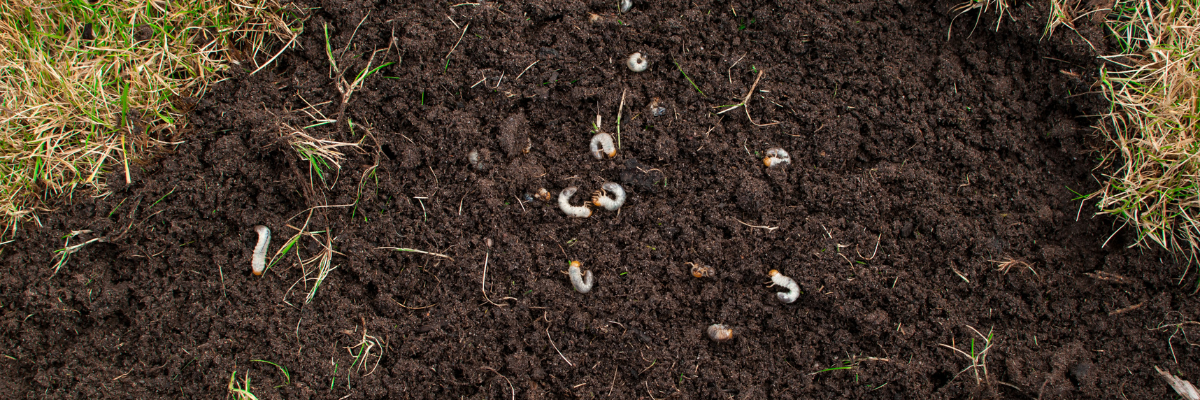
Grubs, the larval stage of various beetle species, pose a covert threat beneath the soil surface. Chafer grubs like the northern and southern masked chafer, Japanese beetles, billbugs, and the black turfgrass ataenius and aphodius are all worthy adversaries on fine turf managed for lawns, athletic fields, or golf courses. These voracious feeders consume turfgrass roots leading to thinning, decline, and susceptibility to environmental stressors. Grubs also attract invasive animals onto a property that can be highly destructive to the turfgrass stand while foraging for a belowground buffet.
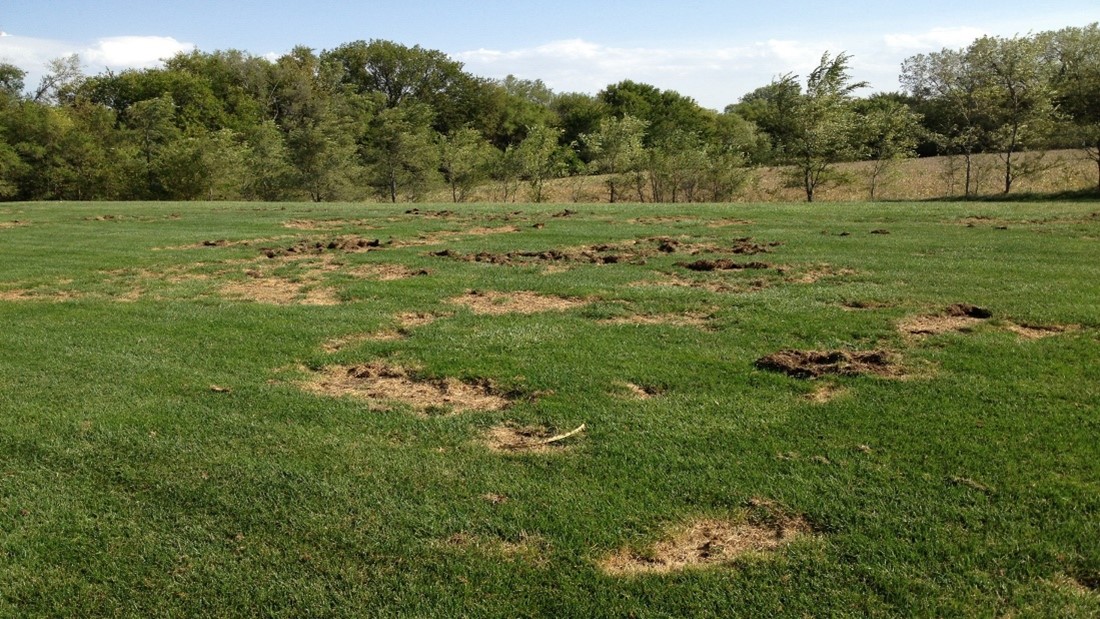
Spring marks a critical phase in the grub lifecycle, as overwintering larvae awaken and resume feeding activities, or in the case of billbugs, ABW and BTA, adults begin mating and egg laying. Identifying grub damage requires astute observation, as affected turf may exhibit subtle signs initially, such as wilting or discoloration. Indicators like irregularly-shaped brown patches, “droughty” or weakened turf early in the season, and increased animal and bird activity signal advanced infestations.
Implementing preemptive measures is imperative for grub management. Timely applications of insecticides containing neonicotinoids (Arena®, Aloft®, Meridian®, Merit®) or anthranilic diamides (Acelepryn®, Durentis®, Tetrino®) to appropriately target vulnerable larvae in the late spring through mid-summer is the best approach for season-long control.
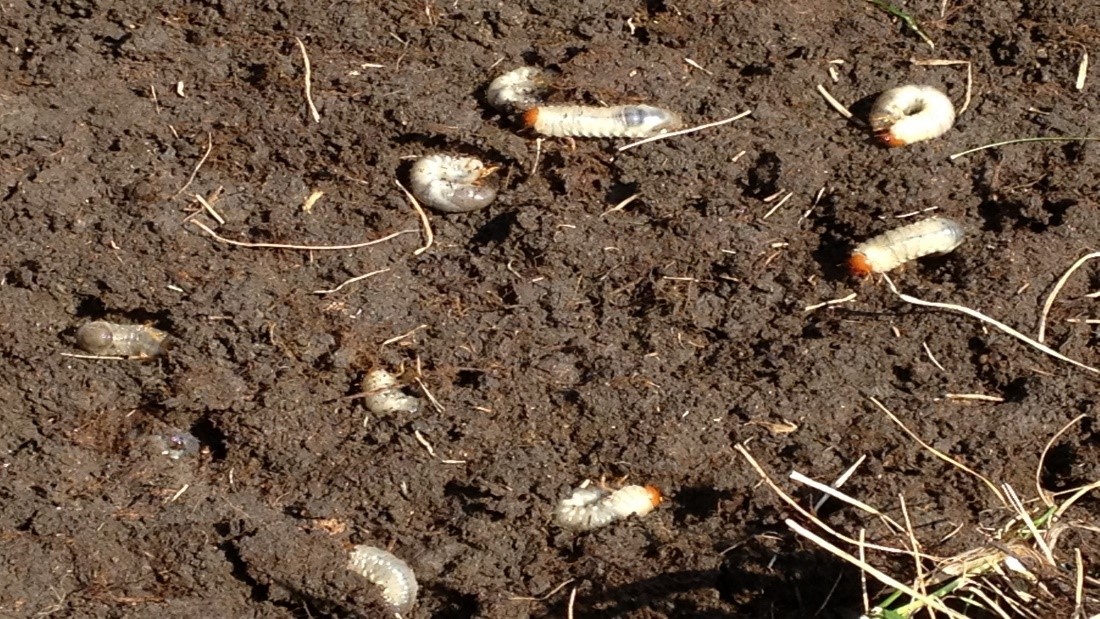
It’s important to understand the type(s) of grubs and species you are dealing with to ensure optimal product selection and timing associated with larval control. Furthermore, cultural practices like core aerification and the use of wetting agents can help facilitate the penetration of control products into the soil, enhancing efficacy.
Mole Crickets: Silent Architects of Subsurface Destruction
Mole crickets (Scapteriscus spp.) represent a formidable challenge for turfgrass managers, particularly in sandy soils prevalent in certain regions. These subterranean insects tunnel through the soil, disrupting root systems and compromising turf integrity. Spring is a busy season for adult mole crickets, and is when most are causing the majority of the tunneling and feeding damage.
This is a great time to scout for mole crickets, during the time of their mating season, culminating in egg deposition by adult females. As nymphs hatch later in the summer months, they embark on a relentless quest for food and sustenance. This is the best time for treating with a high degree of success.
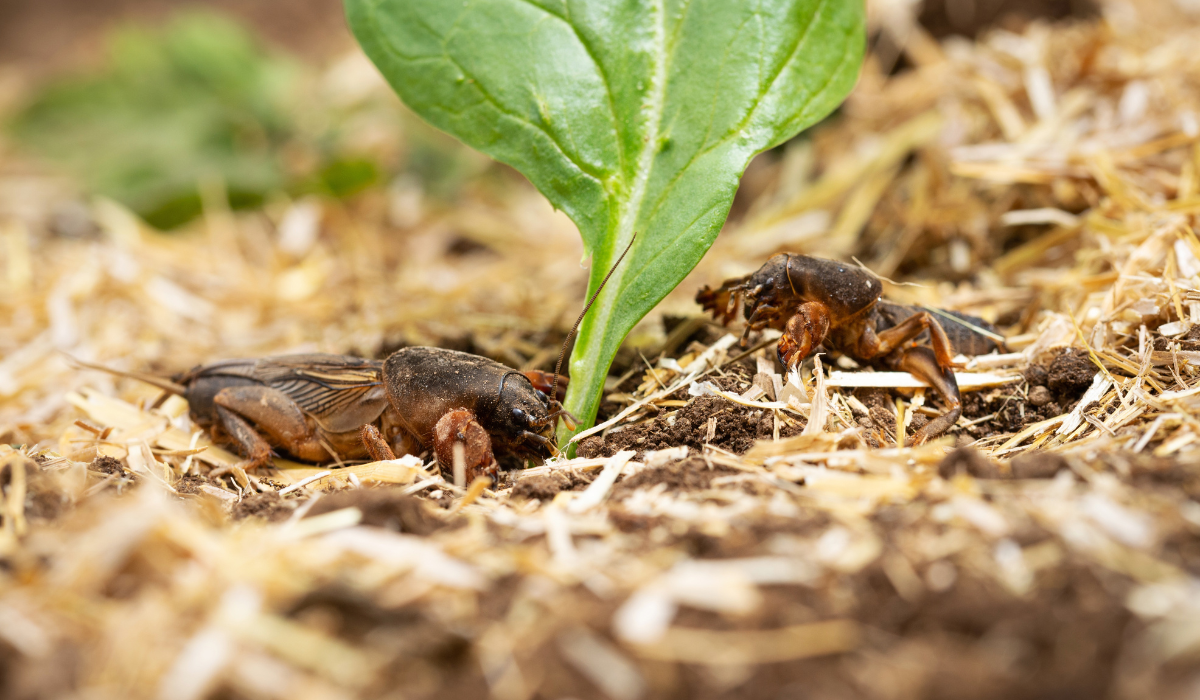
Controlling mole cricket populations demands a strategic approach. Monitoring early signs of mole cricket activity, such as surface tunnels and disrupted turf, enables timely intervention. Application of insecticides, preferably granular formulations with systemic properties, targets both nymphs and adults, curbing population growth and preserving turf health.
Several products can be used across different classes of chemistry at this time with a good degree of success on young crickets including Acephate®, Advion®, Alucion®, Provaunt®, Topchoice® and Triple Crown®. As the mole crickets grow later in the summer, activity and damage will get worse and the insects become more difficult to control.
Ants: Surprising Contributors to Turfgrass Turmoil
While sometimes overlooked in discussions of turfgrass pests, ants (Formicidae) can have noteworthy influence on lawn health, particularly during the spring months. Although ants do not directly consume turfgrass tissues, ants can disrupt turf integrity through their nest-building activities and symbiotic relationships with other pests.
Ants establish intricate colonies beneath the soil surface, excavating tunnels and chambers that undermine turf stability. These subterranean networks can create unsightly mounds and disrupt root systems, leading to localized thinning and stress in affected areas.
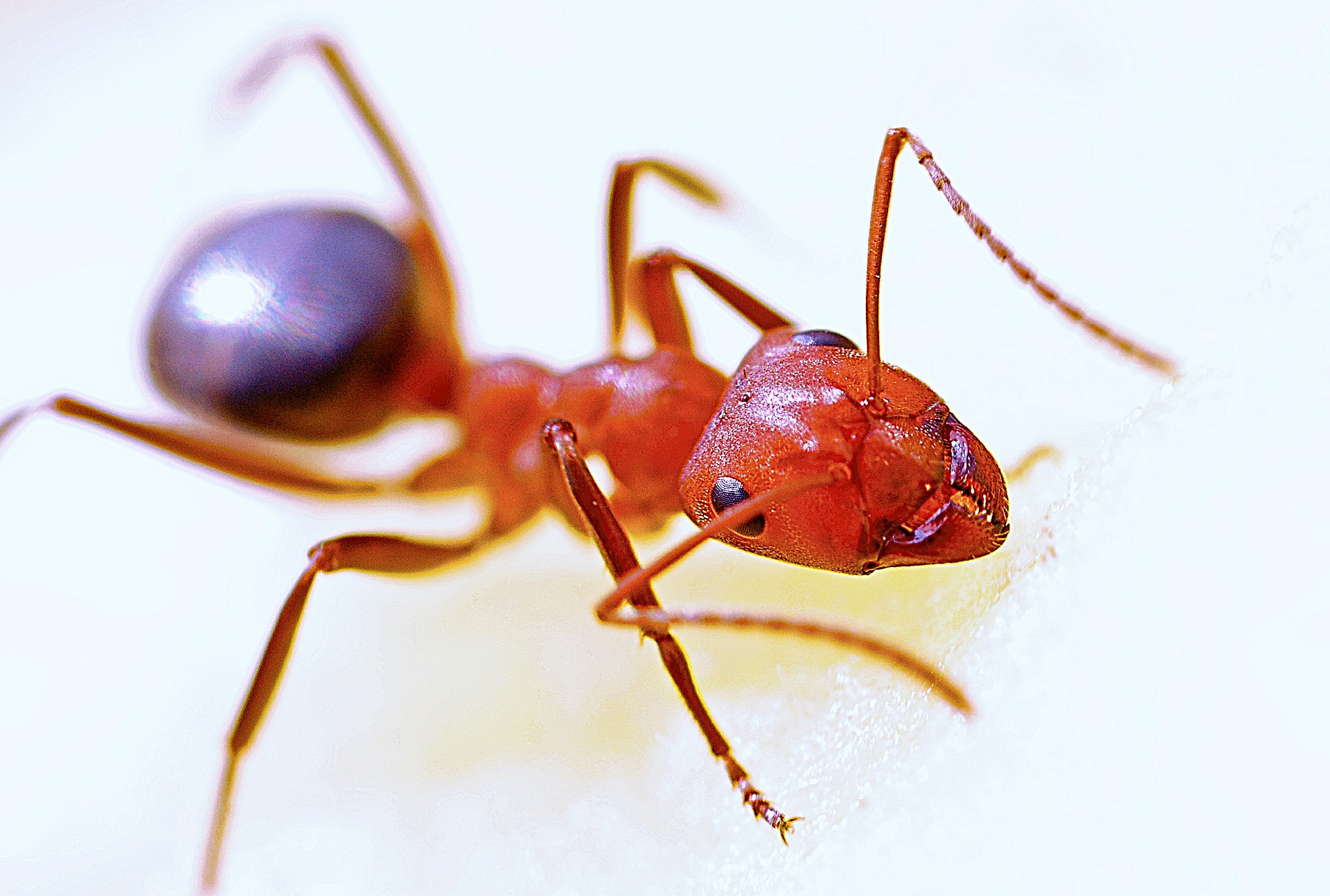
Managing ant populations requires a multifaceted approach. Cultural practices like reducing thatch buildup and improving soil drainage can discourage ant nesting activity. Targeted applications of insecticidal baits (Advion or Advanced 375A) or residual sprays using products that contain neonicotinoids and/or synthetic pyrethroids can effectively suppress ant colonies while minimizing environmental impact.
Contact Your Harrell's Rep for Pest Solutions
In conclusion, the battle against chinch bugs, various beetle grubs, mole crickets, and ants requires vigilance, expertise, and a comprehensive understanding of insect biology, chemistry, and management principles. Lawn care operators and golf course superintendents equipped with these insights can effectively protect turfgrass stands, ensuring healthy, functional landscapes and optimal playing surfaces throughout the spring and beyond. Contact your Harrell’s Rep for further information on prevention and maintaining your paying surfaces into the spring and future seasons.
Related Resources

In addition to being the nation’s largest distributor of branded fungicides, herbicides, and insecticides, Harrell’s produces custom-blended fertilizers, specialty liquids, and wetting agents. Additionally, Harrell’s is the exclusive US owner, formulator, and distributor of all POLYON® branded products.
TEAM HARRELL'S
STAY EQUIPPED
Never stop learning. Access FREE continuing education courses from Harrell’s.
LET'S GROW
PRESS RELEASES
PRESS RELEASES
STAY EQUIPPED
Never stop learning. Access FREE continuing education courses from Harrell’s.
LET'S GROW