

Weed Control Challenges and Solutions
8/20/2026 - By Ike Faulkenberry
Weed control in late summer is an especially challenging time for turf managers in the Southeastern US. By August, our turfgrass has faced stress from heat, inconsistent rainfall, foot traffic, disease, and improper mowing and irrigation practices. These challenges coincide with the emergence and maturity of many of the toughest-to-control weeds of the growing season.
Weed Control After a Stressful Summer
Sedges, Kylinga, Crabgrass, Dallisgrass, Goosegrass, Doveweed, Wild Violet, Chamberbitter, Spotted Spurge, and Virginia Buttonweed are among the most prevalent challenges this time of year, to name a few. Turfgrass is often thinner from summer stress, weeds can be larger and more established, and dry conditions can reduce herbicide uptake and performance. Expectations and management practices must be communicated and adjusted accordingly.
Plant maturity and characteristics can have a major impact on control. Larger and more mature weeds have deeper root systems and tougher leaf tissue than less mature plants.
Common targets like Wild Violet, Doveweed, and Virginia Buttonweed have waxy surfaces that make herbicide penetration and uptake more difficult, so adjuvant selection and use become more important.
Perennial Weed Control
Perennial weeds can present an additional challenge as they mature and develop more extensive root systems and underground structures. Kylinga, Sedges, Virginia Buttonweed, and Dallisgrass are good examples where control may require multiple applications and proper timing.
Fall can also provide a window for effectively targeting these perennial weeds, as actively growing plants may be more susceptible to systemic herbicides and translocation into the root system. The multiple-app Tribute® Total program on Dallisgrass is a great example.
Weed Control Best Practices
A common misconception among homeowners is that when weeds look weak, they are on the way out. But you all know that an actively growing weed has a better chance of herbicide uptake, and ultimately, control. It is important to remind clients to maintain healthy cultural practices that will allow turf program applications to provide maximum benefit.
Some simple client outreach outlining proper mowing and irrigation practices can go a long way.
Deep and infrequent irrigation early in the day is better than frequent and shallow watering.
Prevent low-lying areas from staying wet and inviting Sedges and Kylinga to take over.
Recommended mowing heights for proper turf density help us strike a balance between scalped and ignored.
These are just a handful of simple steps to allow the property owner to make life easier on you visit after visit.
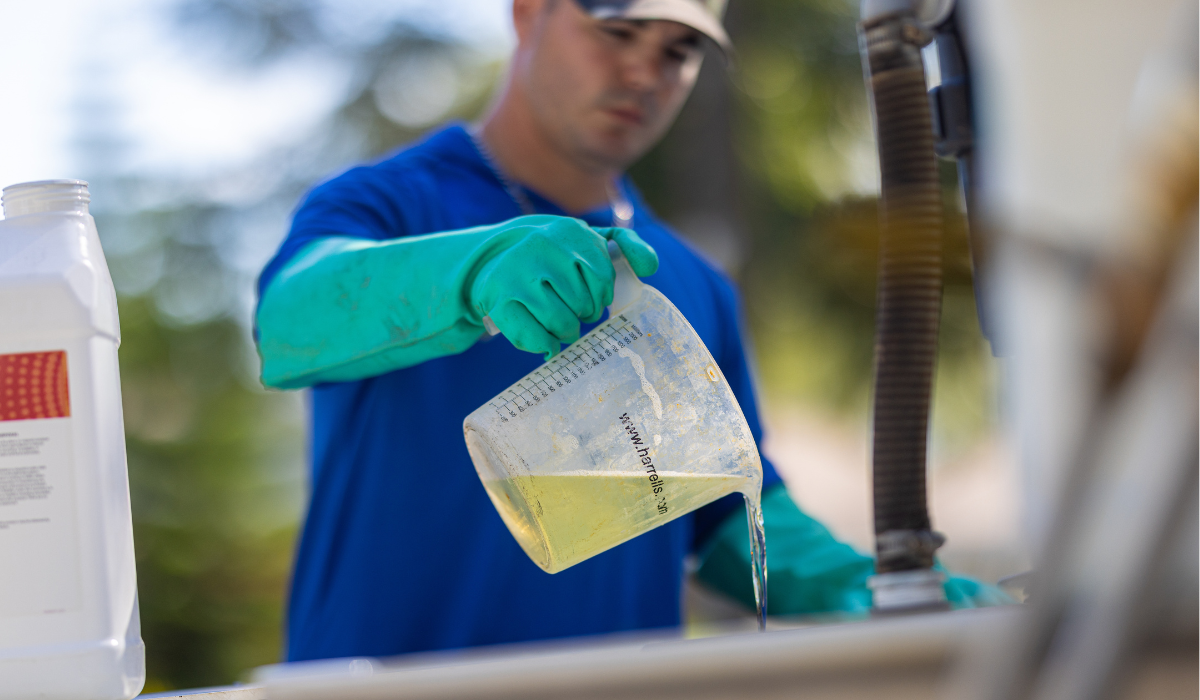
Regardless of how you refer to your adjuvants (Sticker/Surfactant/Penetrant, etc.), these are key components of weed control, particularly in relation to our more challenging late-summer weeds. Proper adjuvant use improves spray coverage, contact with the target plant, and uptake. Better uptake means more consistent results, fewer callbacks, and reduced cost for you.
Weed Control Use Rates
An important consideration regarding adjuvant use this time of year is rate. In hot weather, we can generally use rates at the lower end of the labeled spectrum for adjuvants and still improve herbicide performance while minimizing damage to desired turfgrass.
From a client relations standpoint, I believe setting expectations is very important. Your accounts should be aware that in many cases you have to “break a few eggs to make an omelet,” so to speak.
Efficient weed control and adjuvant use can, in many cases, come with temporary yellowing of surrounding turfgrass. Let them know that this will grow out and consider adding some Iron to your mix to help mask the discoloration.
Weed Control Herbicide Selection
Now to the brass tacks of herbicide selection. Late summer is not the time to try to get away with using herbicides that work well in the spring but not in August.
Your goal is to knock out what you see in as few applications as possible, so choose accordingly. Opinions will probably vary widely, and certain products work better in certain markets. These are examples from my market that have proven effective.
Please keep in mind that these recommendations are almost exclusively based on Bermudagrass and Zoysiagrass. Please follow labeled recommendations for the turf types in your market, and always consult with your local reps.
Sedges and Kylinga
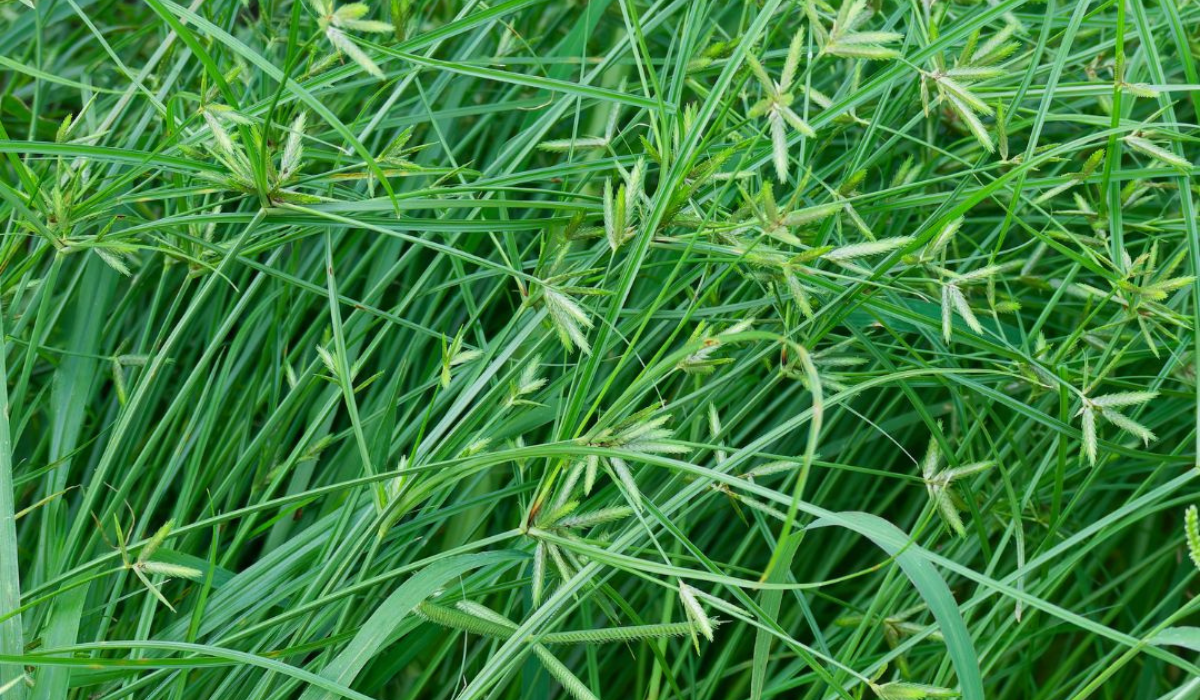
Harrell’s ProtectMAX® Southside, Monument®, Celero®, or Prosedge 2, with Harrell’s SprayMAX® Herbicide Activator or Activator + SA as adjuvant.
Mature Crabgrass
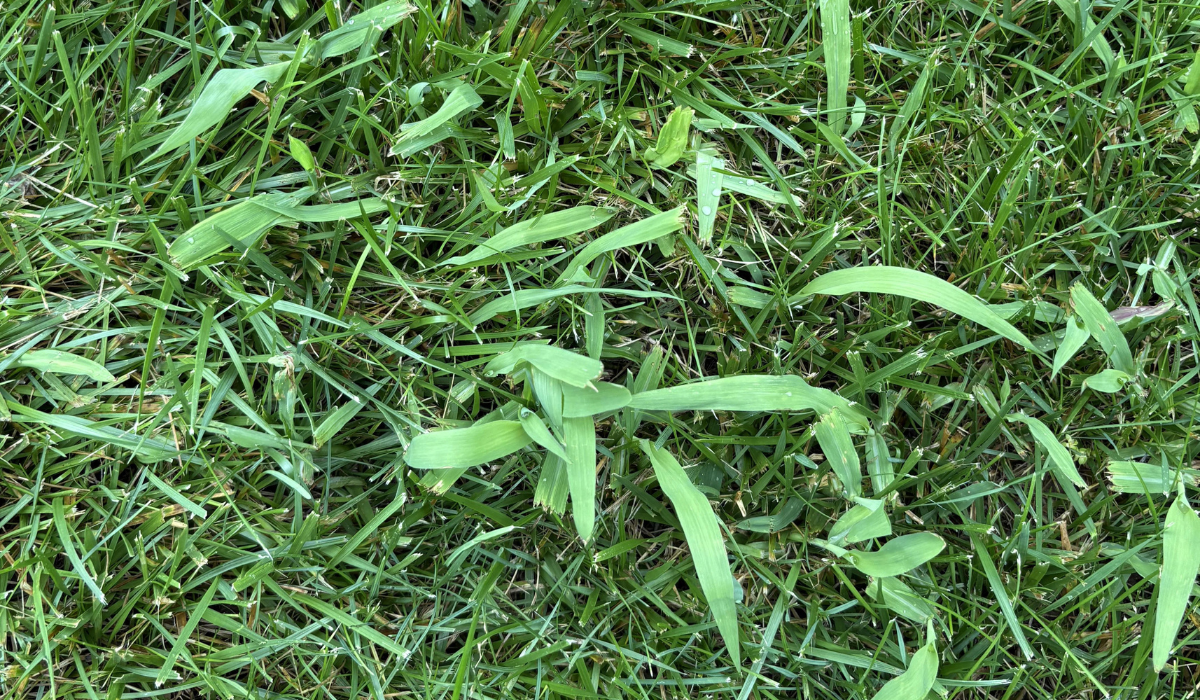
Harrell’s ProtectMAX® Quinclorac or Acclaim® Extra, and Harrell’s SprayMAX® Methylated Seed Oil or Harrell’s Activator + SA as adjuvant, possibly multiple applications.
Dallisgrass
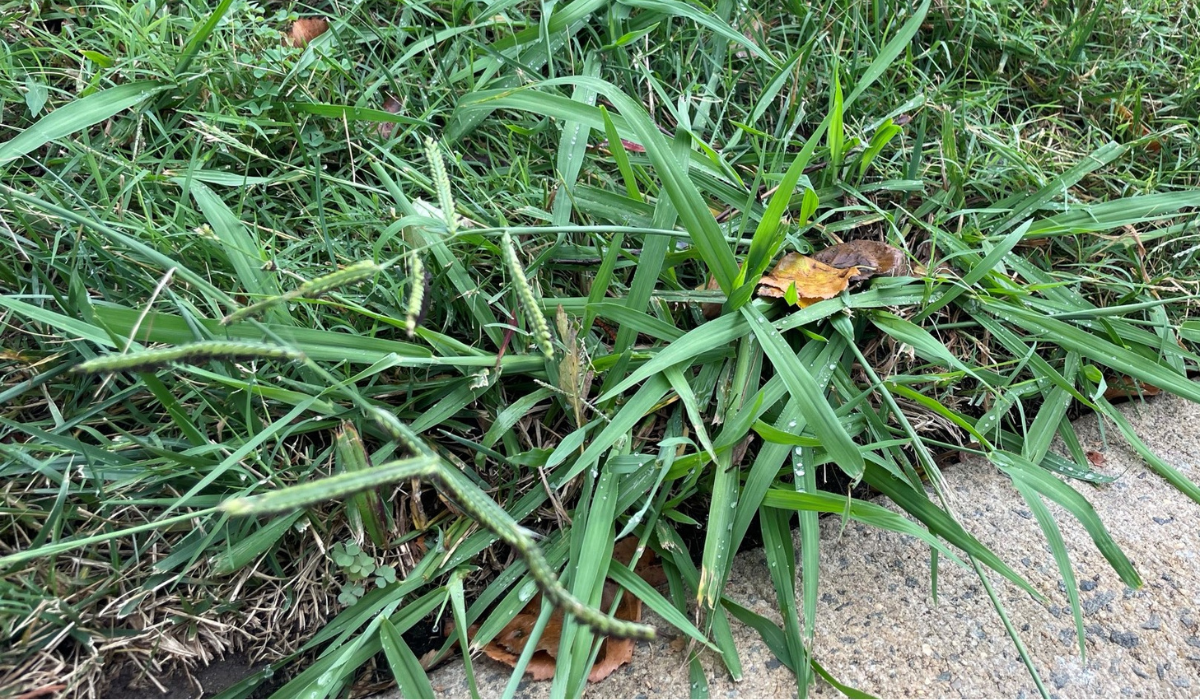
Tribute® Total, Manuscript®, with Methylated Seed Oil or Harrell’s Activator + SA for adjuvant, possibly multiple applications.
Doveweed
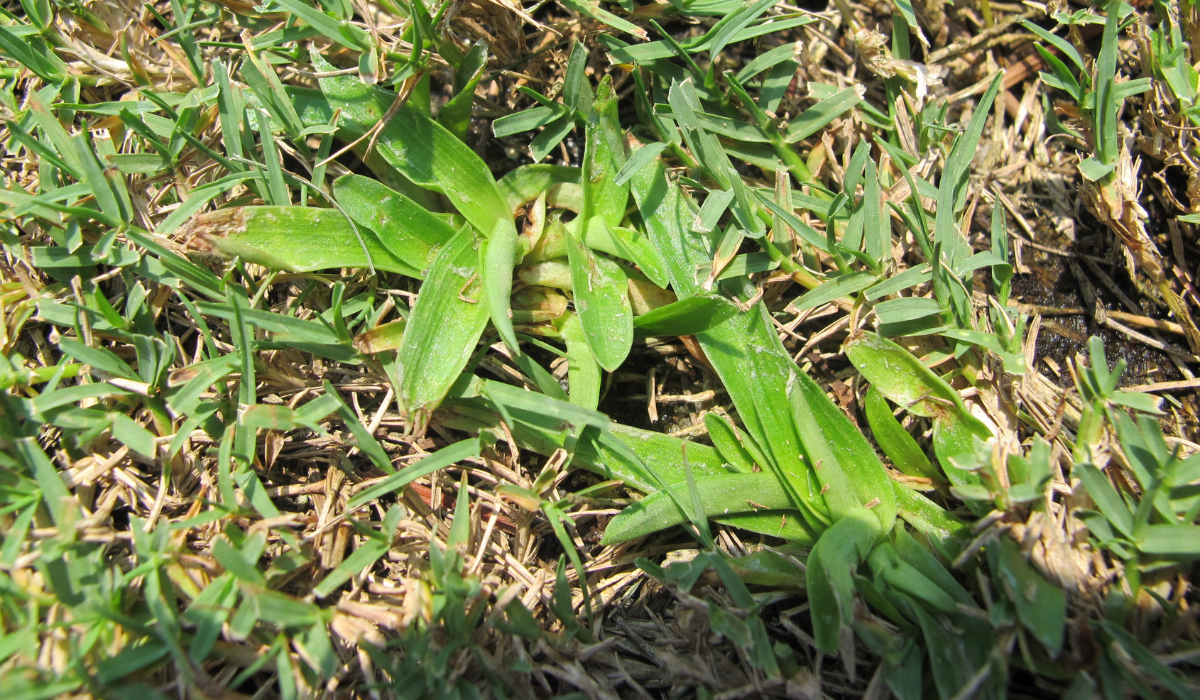
Surepyc IQ (label has rates for single or multiple apps), Celsius® with multiple apps, GameOn™ for commercial accounts, Harrell’s Activator + SA for adjuvant.
Goosegrass
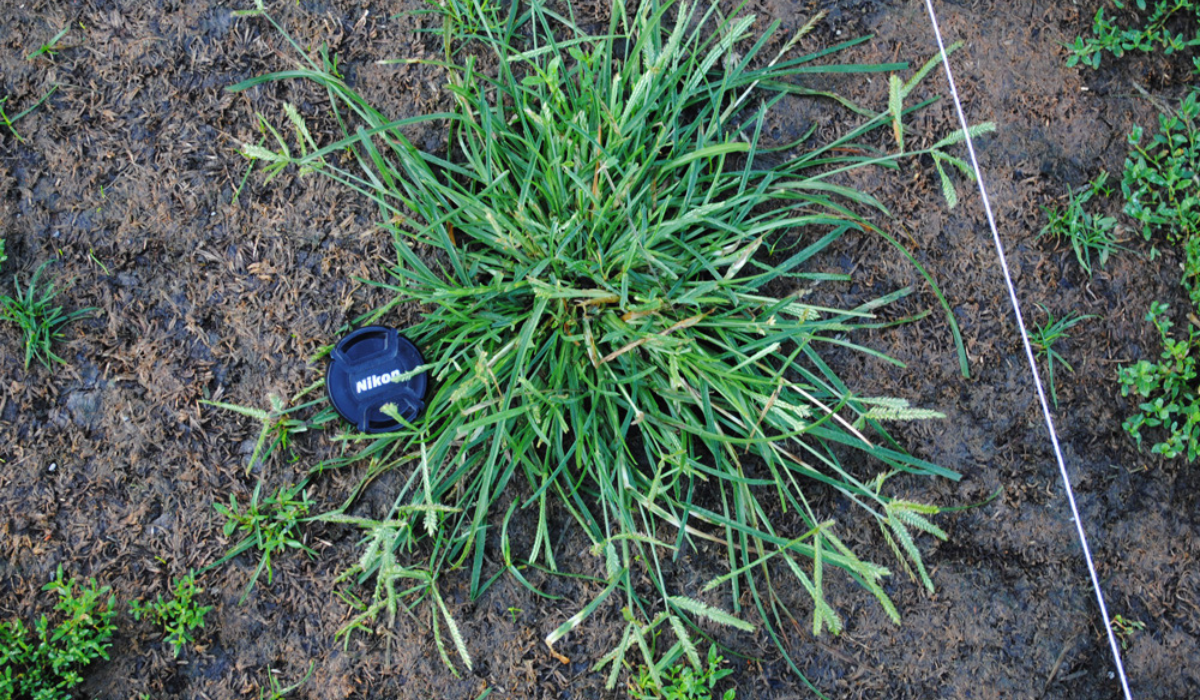
Tribute® Total, Surepyc IQ plus Revolver®, Dismiss® plus Revolver®, and Methylated Seed Oil or Harrell’s Activator + SA for adjuvant.
Wild Violet
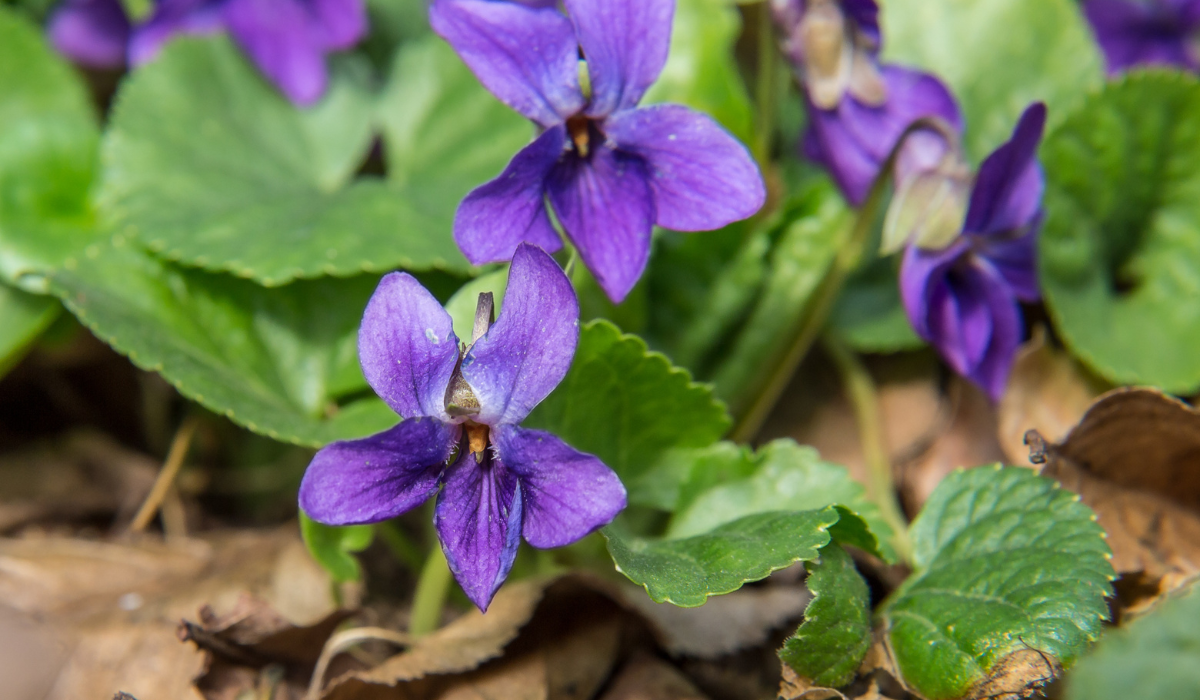
SpeedZone® Red, ChangeUp™ plus Manor®, ChangeUp™ plus Triclopyr, Celsius®, Harrell’s Activator or Activator + SA.
Chamberbitter
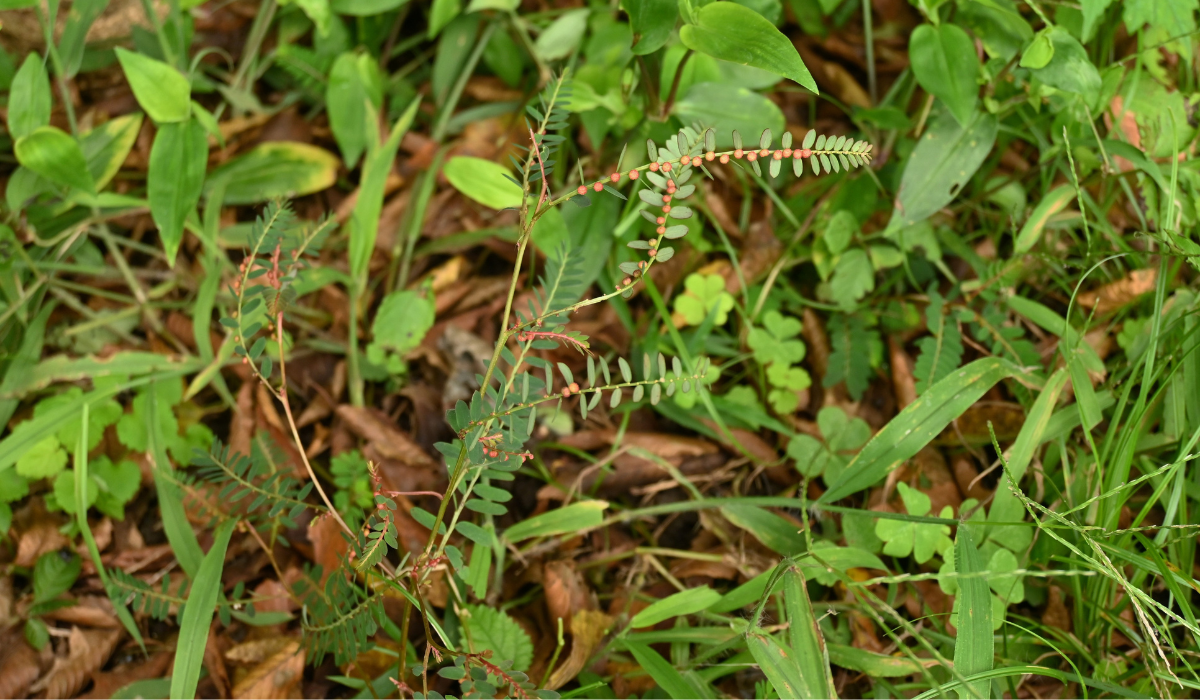
Celsius®, ChangeUp™ plus Manor®, SpeedZone® Red, Harrell’s Activator or Activator + SA.
Spotted Spurge
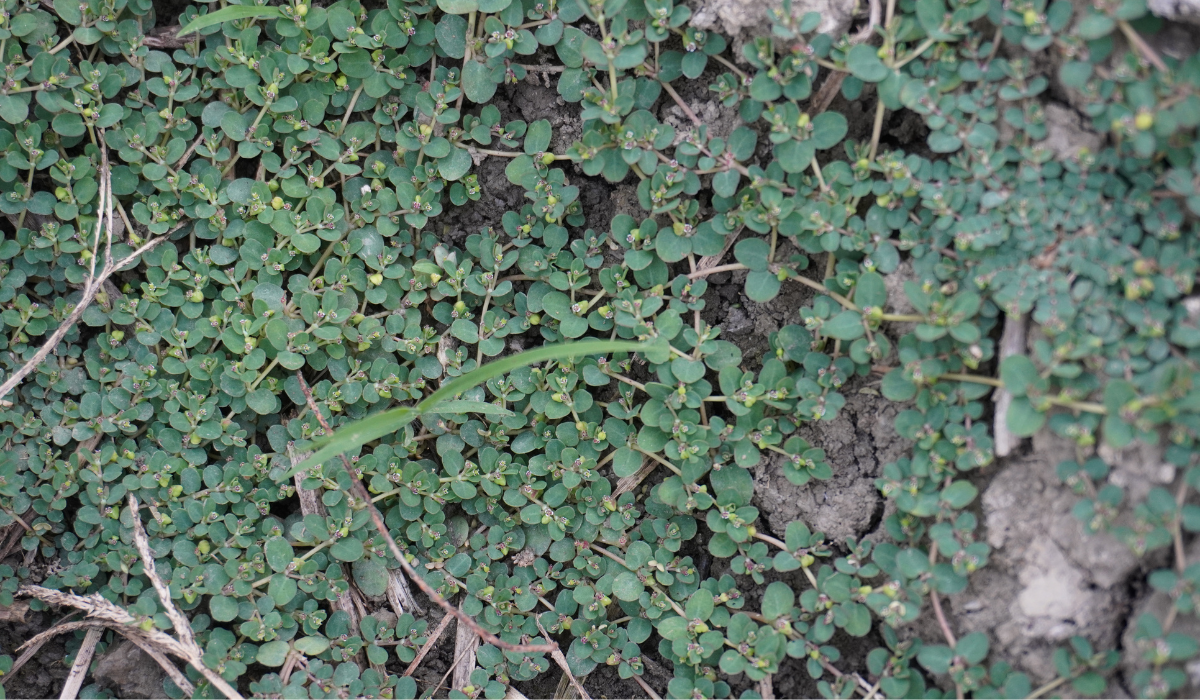
Celsius, ChangeUp plus Manor, SurePyc IQ, Speedzone Red, Harrell’s Activator or Activator + SA.
Virginia Buttonweed
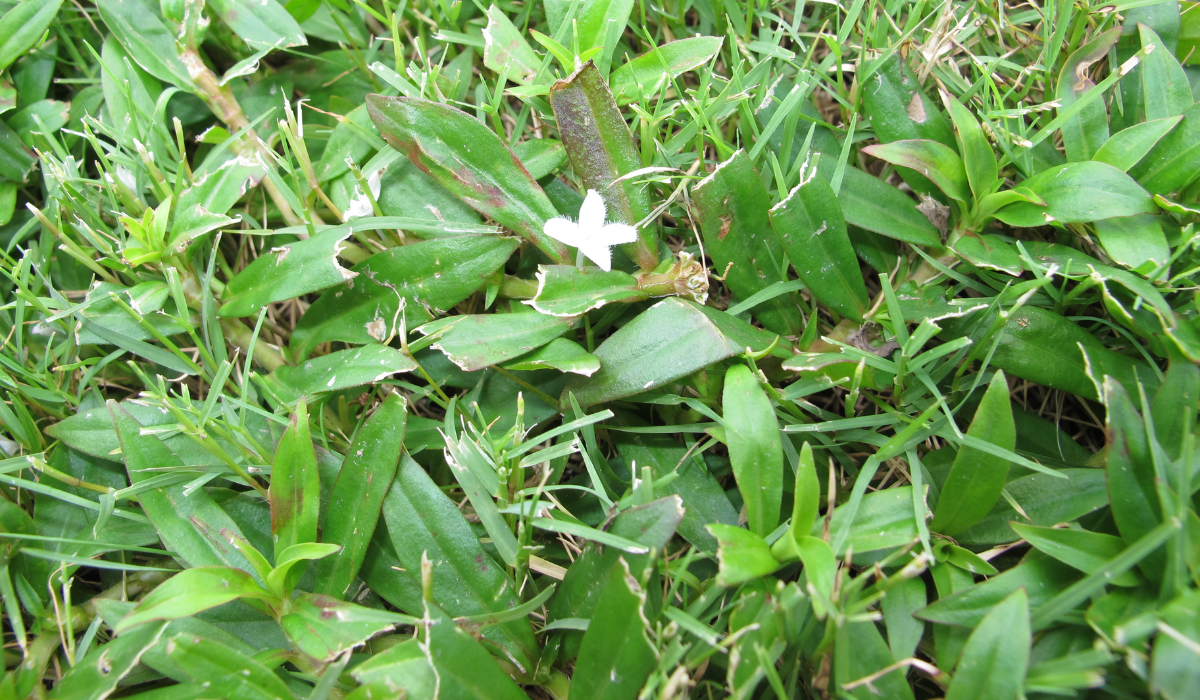
GameOn (commercial), Monument, Surepyc IQ, Celsius plus Blindside, Celsius, Harrell’s Activator, or Activator + SA.
Use targeted/directed spot-treatments whenever possible to reduce chemical costs, minimize turf injury, and increase application efficiency. While not always realistic, whenever possible, attempt to treat earlier in the day in cooler temps, and avoid contact with severely drought-stressed turf.
Connect with Your Local Harrell’s Rep for More Weed Control Solutions
Product selection and implementation truly matter, as well as some education on your part toward your customer base. Once late-summer weeds are handled, your focus can shift toward fall/spring prevention and a healthy turf stand going forward, through the winter and beyond.
Building turfgrass density now and entering the 2027 season can dramatically reduce weed pressure next season, so get with your local Harrell’s rep on a program that sets you up for success in the future. Best of luck out there, and let’s finish 2026 strong!
Related Resources

In addition to being the nation’s largest distributor of branded fungicides, herbicides, and insecticides, Harrell’s produces custom-blended fertilizers, specialty liquids, and wetting agents. Additionally, Harrell’s is the exclusive US owner, formulator, and distributor of all POLYON® branded products.
TEAM HARRELL'S
STAY EQUIPPED
Never stop learning. Access FREE continuing education courses from Harrell’s.
LET'S GROW
PRESS RELEASES
PRESS RELEASES
STAY EQUIPPED
Never stop learning. Access FREE continuing education courses from Harrell’s.
LET'S GROW