

Lawncare BMPs - Fall Seeding, Watering and Fertilization
8/29/2024 - By Harrell's
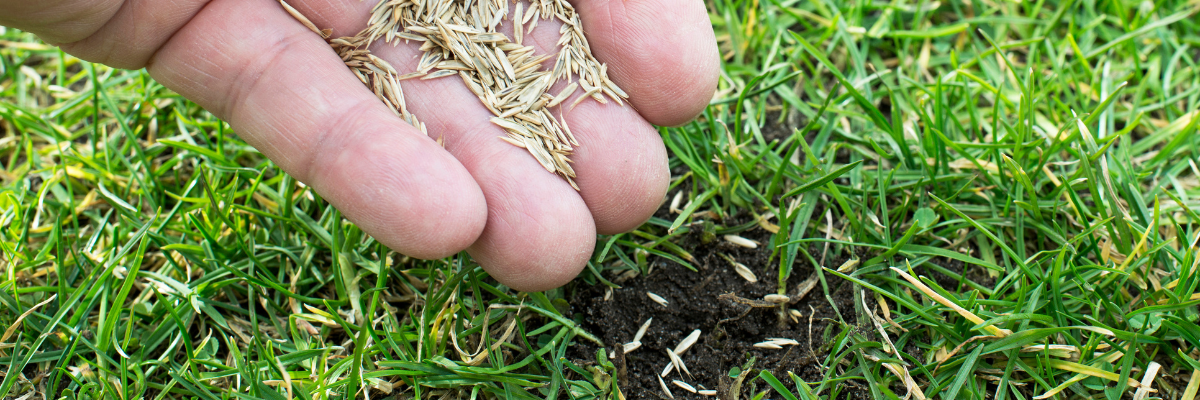
The work you do to maintain your clients' lawn in the fall can
drastically improve their performance in the spring and even summer seasons.
Learning those best management practices (BMPs) is important, so with the help
of Harrell’s Territory Managers Cort Hall and Ryan Thompson, we have put
together a list of some fall BMPs that are important for you to keep in mind
and put into practice, all about watering, seed, and fertility.
Lawncare BMPs – Watering
Watering is one of the most vital parts of growing grass,
whether it comes from a sprinkler or the sky, your grass needs water to live
and grow. Managing and maintaining proper watering cycles will help you get the
most out of the products you apply and keep lawns at their maximum efficacy.
Here are a few things to keep in mind as you water in the fall:
1.
Water immediately after seeding: After spreading
the Fescue seed, water the area thoroughly to ensure good seed-to-soil contact.
This initial watering helps to settle the seed and kickstart the germination
process.
2.
Keep the soil consistently moist: Fescue seed
requires consistent moisture for germination, so you will need to water
regularly. Aim to keep the top inch of soil consistently moist but not saturated.
Watering lightly two to three times a day may be necessary, especially if you
are experiencing hot or dry weather.
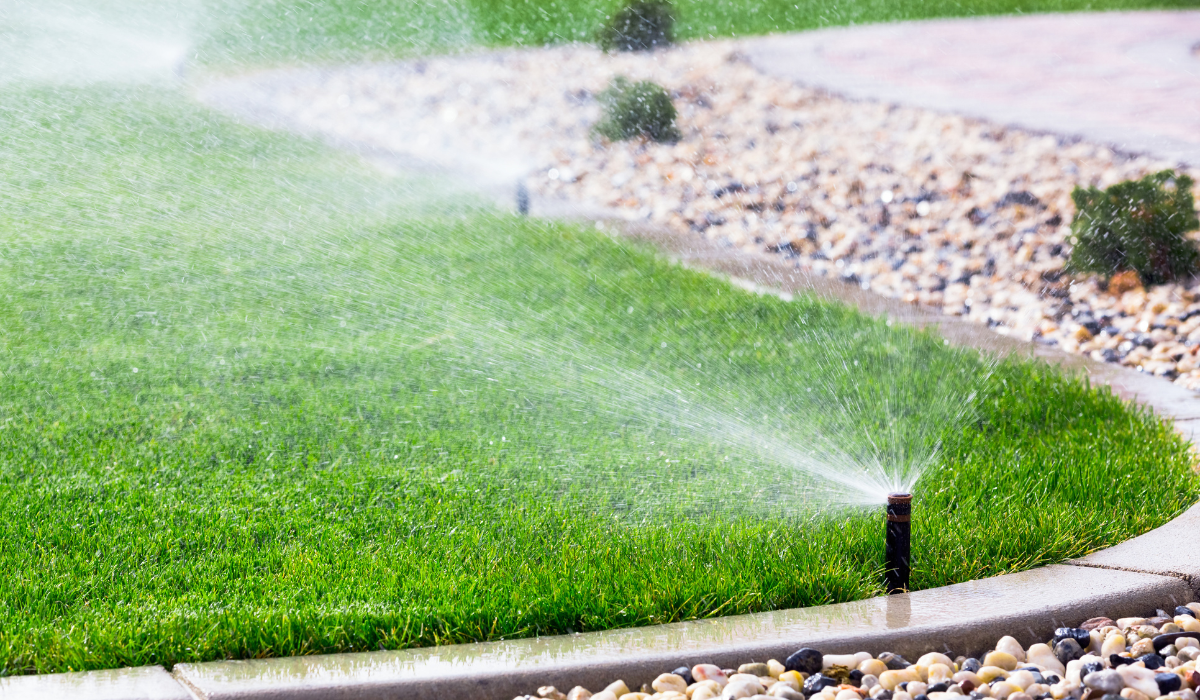
3.
Water in the early morning: Watering in the
early morning allows the grass to dry throughout the day, minimizing the risk
of disease. It also ensures that the seed and soil have enough moisture to
withstand the heat of the day.
4.
Avoid overwatering: While it is important to
keep the soil moist, avoid overwatering. Excessive water can lead to shallow
root growth and other issues. Monitor the moisture levels by checking the
topsoil regularly and adjust your watering schedule accordingly.
5.
Adjust watering as the grass grows: Once the
Fescue seed starts to establish and grow, you can gradually reduce the
frequency of watering while increasing the amount of water each time. This
encourages deeper root growth and helps the grass become more drought tolerant.
Expect to start adjusting the watering schedule 10 days to 14 days after
seeding.
Remember, specific watering requirements may vary depending
on your climate, soil conditions, irrigation systems, and other factors. Always
make sure you read the label on your seed, so you know how best to manage your
specific seed type and consult your local Harrell's Representative for any other questions.
Lawncare BMPs – Seed, Fertility, and Maintenance
When it comes to applying seed, timing is key to ensure that
soil temperatures are optimal for growth. In the fall, between September and
October when the soil temperatures are between 50 and 65 degrees, will be the
best time to apply. If you have some problem lawns, now is a suitable time to
consider doing a soil test to help adjust pH, and make sure the soil has
adequate nutrients for seed to grow.
When selecting a seed, choose high-quality fescue seed
varieties such as those in Matric Tall Fescue. It is a good idea to use Blue
Tag certified seed to ensure purity and germination rates, if you are not using
Blue Tagged seed just ask for it. It is usually an option and will offer
greater results over time, your clients' lawns will thank you. Your varieties should
also be AList or TWACA certified, meaning that they do well under drought
stress, bonus points if they are gray leaf spot resistant.
Seeding rates should be 8 lbs. per 1000 for new start lawns
and 4-5 lbs. per 1000 on existing lawns. For bare/thin areas, consider using Harrell's BioMAX® EarthMAX® G to cover the seed as a high-carbon content starter
mulch, and help with their rooting in general. Water your seed 3-4 times a day
lightly to always keep the top one inch of soil moist. As the seed starts to
emerge, reduce the frequency of the watering events but increase the amount of
time per event. The goal is to never turn the job site into a mudhole, so keep
an eye on your water.
Harrell's HydroMAX® Hydro-90® can also be a great play during the establishment
period since it is formulated for improved water infiltration, uniform
distribution, alleviating soil water repellency, and helping to retain
moisture. Applying the right fertilizer with phosphorus will help promote root
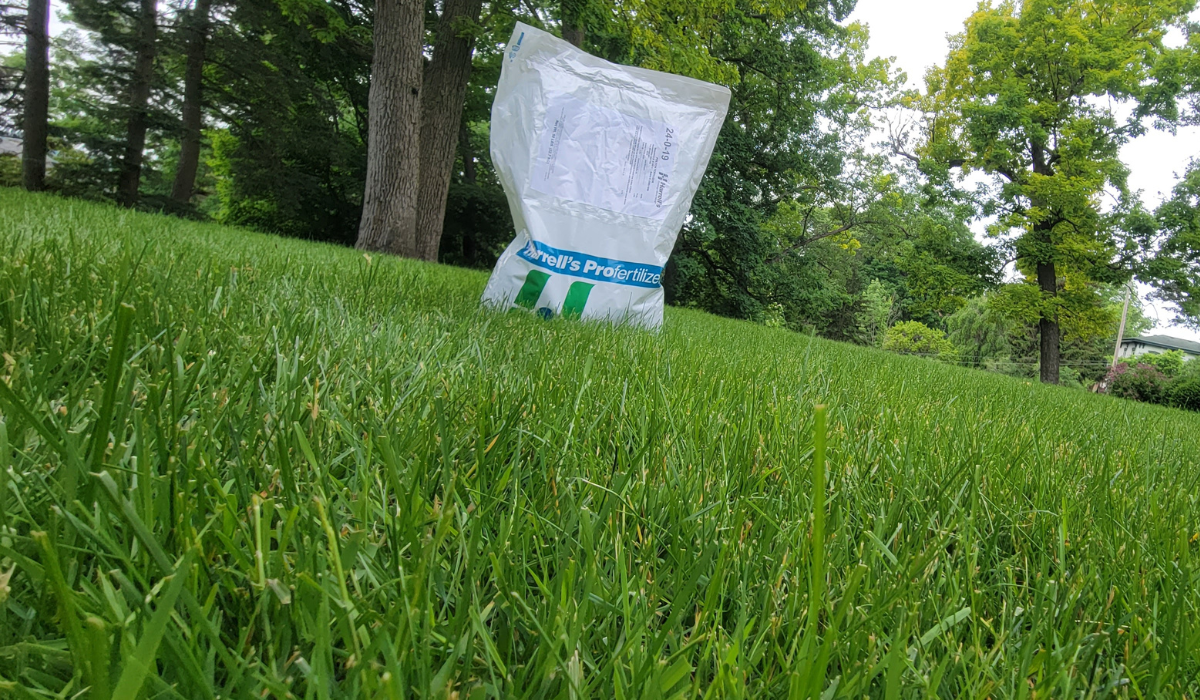
development, and further, using POLYON® controlled-release fertilizer will help keep urea on site and available for
the new seedlings. 6-8 weeks later, follow up with a winter fertilizer to
promote growth throughout the growing season. Click here to learn more about
how POLYON fertilizer works during dormancy.
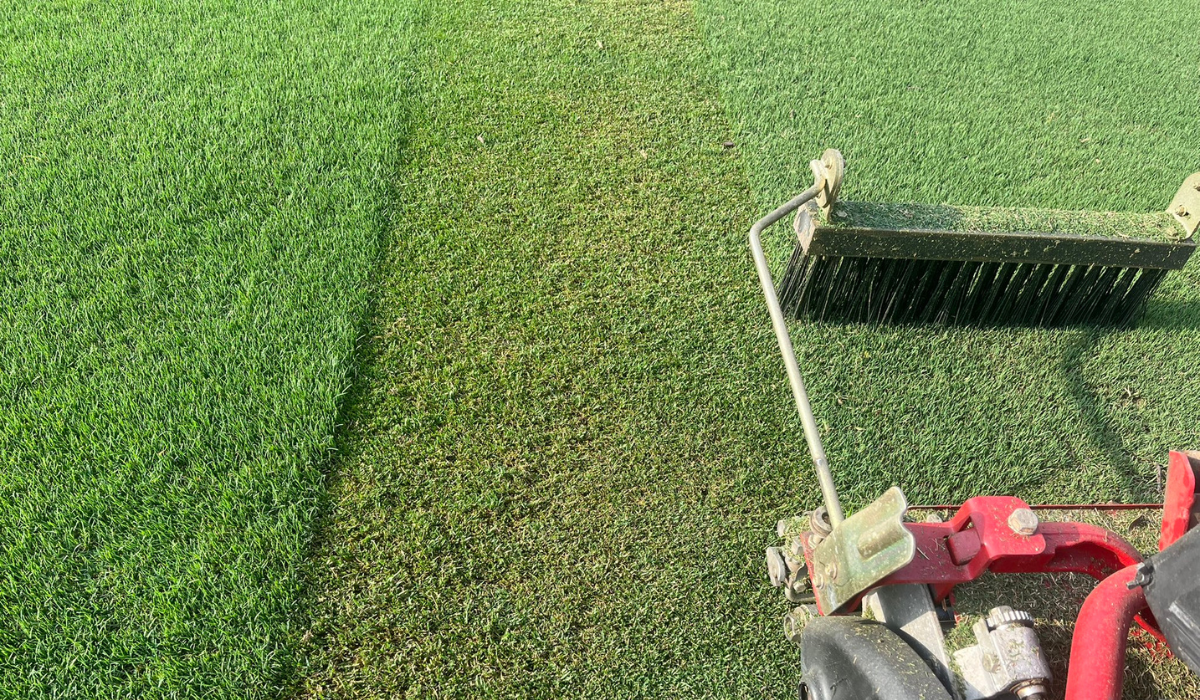
Mowing should be done initially once the seedlings reach 3-4
inches tall. Make sure your blades are sharp during this initial mowing so that
you do not pull the fescue out of the ground. Maintain the fescue at 3-3.5
inches tall to encourage dense growth and reduce weed competition. If you have
problems with Poa annua, spray the yard with Tenacity® before seeding. You will need to do 2-3
applications of this 21 days apart, generally, the timing is November and
December, so keep that in mind with your application scheduling.
Reach Out to Your Harrell’s Rep
Of course, this list is not exhaustive and there are always more things you can do from one season to another. If you have any questions about your turf/property specifically and would like a plan with even more specifics, reach out to your Harrell's Rep. They are your best resource for finding the products you need and the plans that will work best for you.
Related Resources

In addition to being the nation’s largest distributor of branded fungicides, herbicides, and insecticides, Harrell’s produces custom-blended fertilizers, specialty liquids, and wetting agents. Additionally, Harrell’s is the exclusive US owner, formulator, and distributor of all POLYON® branded products.
TEAM HARRELL'S
STAY EQUIPPED
Never stop learning. Access FREE continuing education courses from Harrell’s.
LET'S GROW
PRESS RELEASES
PRESS RELEASES
STAY EQUIPPED
Never stop learning. Access FREE continuing education courses from Harrell’s.
LET'S GROW