

Plant Nutrient Deficiency Identification
3/27/2024 - By Lynn Griffith
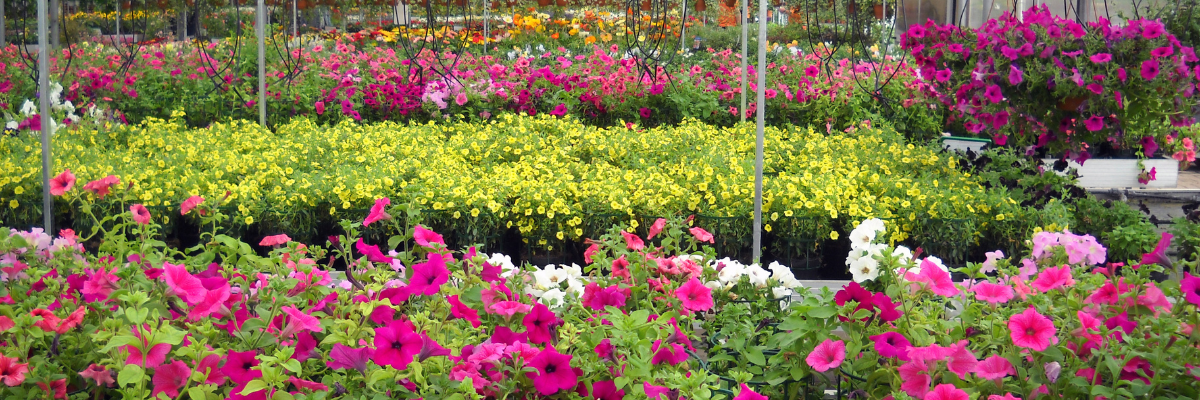
Nutrient deficiency is a frequent problem in plants, with
some issues being more noticeable than others. That said, some plants may need
a specific nutrient, and you might not know it. In this article, you will find
more information about nutrient deficiencies and how they may appear “in the
field.”
Plant Nutrient Deficiency - Nitrogen

Plants lacking sufficient nitrogen will have pale color,
smaller than normal leaves, and will grow slowly if at all. Symptoms sometimes
show in older leaves first, with significant yellowing giving them that “hungry
look.” Plants require more nitrogen than any other mineral nutrient. More on nitrogen.
Plant Nutrient Deficiency - Phosphorus
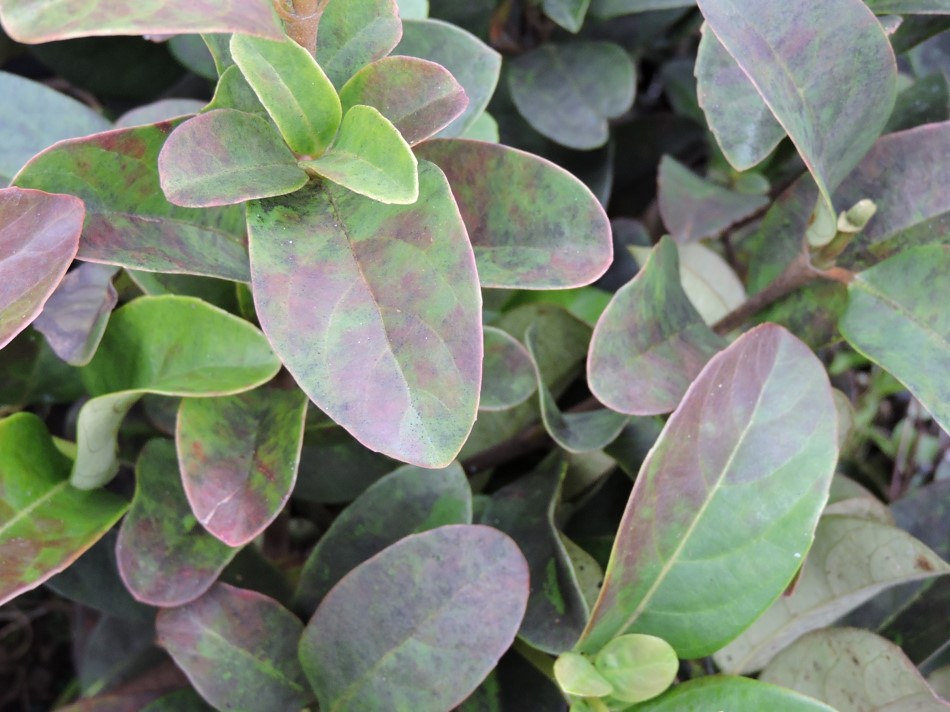
Insufficient phosphorus in plants will appear as a reddish-purple
color in the older foliage. Plant root development may be reduced, and flower
formation may be negatively affected. Most container media are deficient in
available phosphorus, so a supplement may be appropriate to prevent deficiency.
More on phosphorus.
Plant Nutrient Deficiency - Potassium
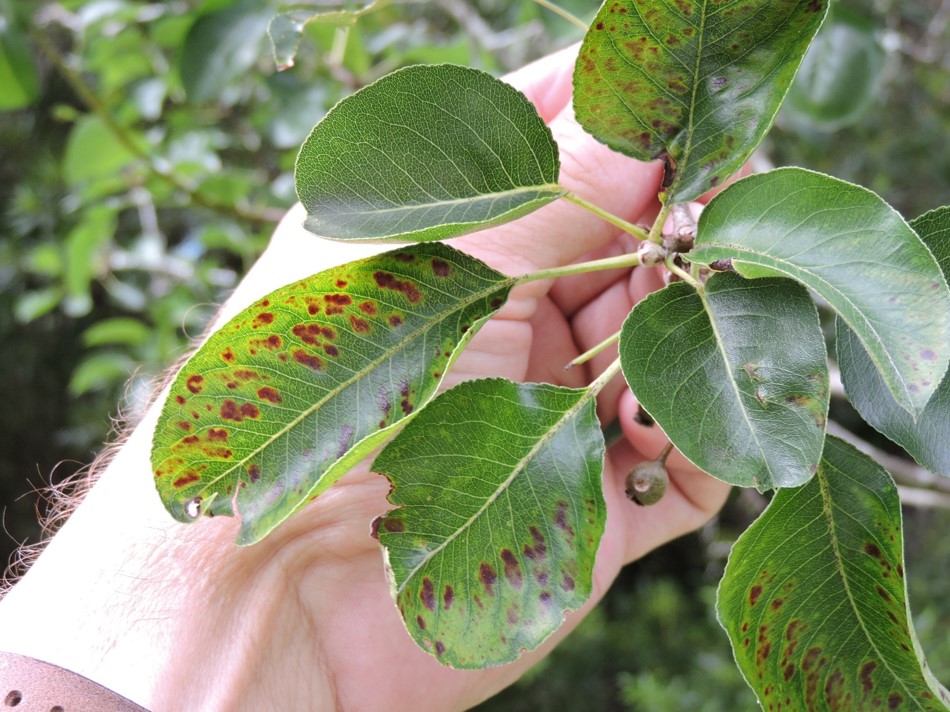
Potassium deficiency in plants often results in small
necrotic spots in the older leaves, while new foliage is normal. This
deficiency is often confused with leaf spot diseases. Make sure you diagnose your
issue before treating it. Leaf tip burn in older leaves may also occur and flower
quality and quantity may be reduced. More on potassium.
Plant Nutrient Deficiency - Sulfur
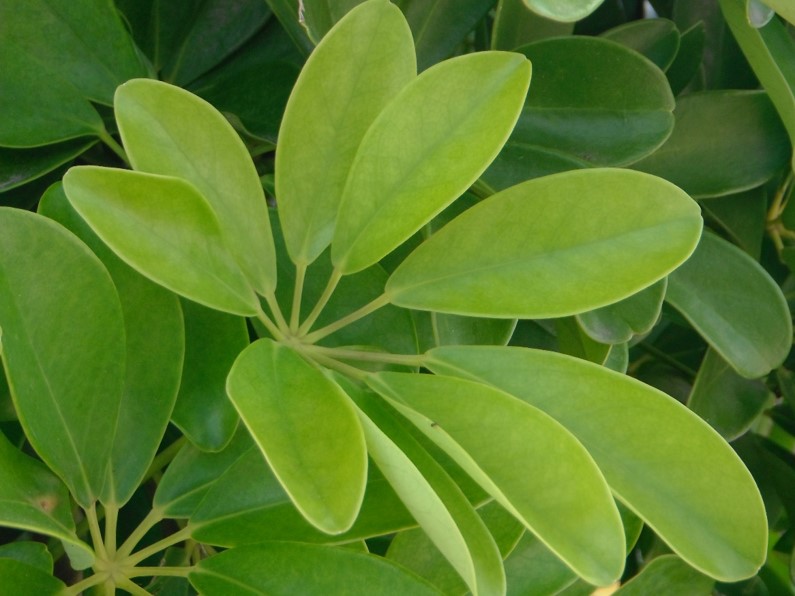
Plants lacking nitrogen get pale and quit growing, plants
with insufficient sulfur get pale and keep growing. Growth may be reduced and leaflets
in ferns may be distorted. A good supplement is POLYON® controlled-release
fertilizer which contains plenty of sulfur, while many soluble fertilizers
contain none. More on sulfur.
Plant Nutrient Deficiency - Calcium
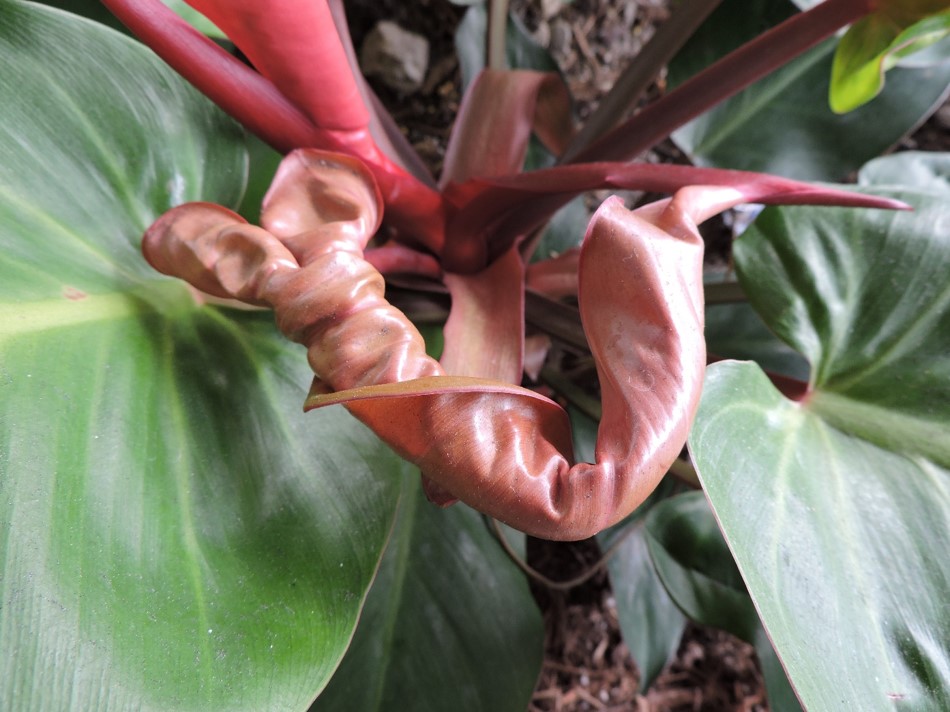
Insufficient calcium often occurs during very wet weather. It
can be seen in new foliage, which may be curled and distorted. New foliage will
also have difficulty forming and opening. Plants show the signs by appearing
weak and droopy. Harrell'sMAX® Cal Plus.
Plant Nutrient Deficiency - Magnesium
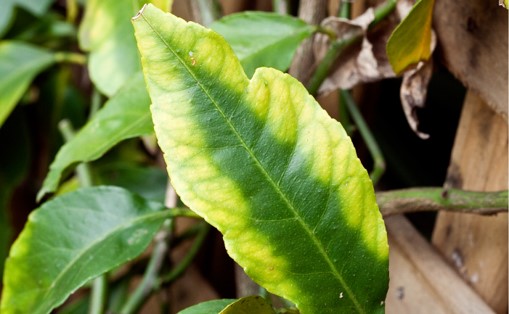
Magnesium deficiency is quite common in many ornamental
varieties. Older leaves will show a yellow or orange color in the margins,
while the new leaves appear normal. It is more common in high-pH calcareous
soils. More on magnesium.
Plant Nutrient Deficiency - Iron
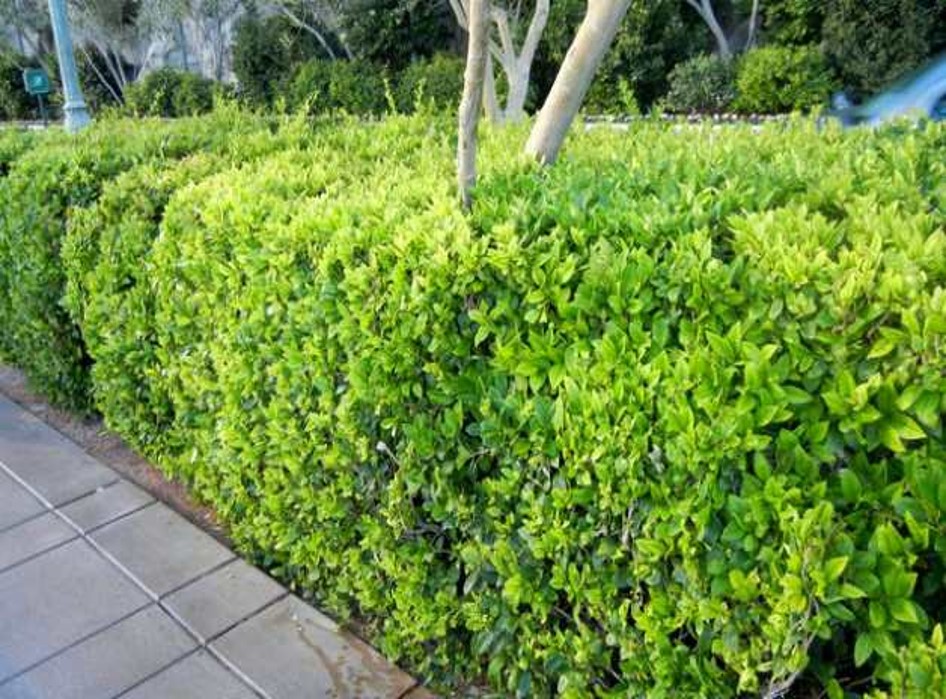
Iron deficiency is one of the most common ornamental plant
disorders, especially in woody ornamentals. Newer leaves may show interveinal
chlorosis, where the veins tend to remain green, but the rest of the leaf is
yellow. In severe cases, new leaves may be almost white. Iron-deficient plants
also tend to be stunted. More on iron.
Plant Nutrient Deficiency - Manganese
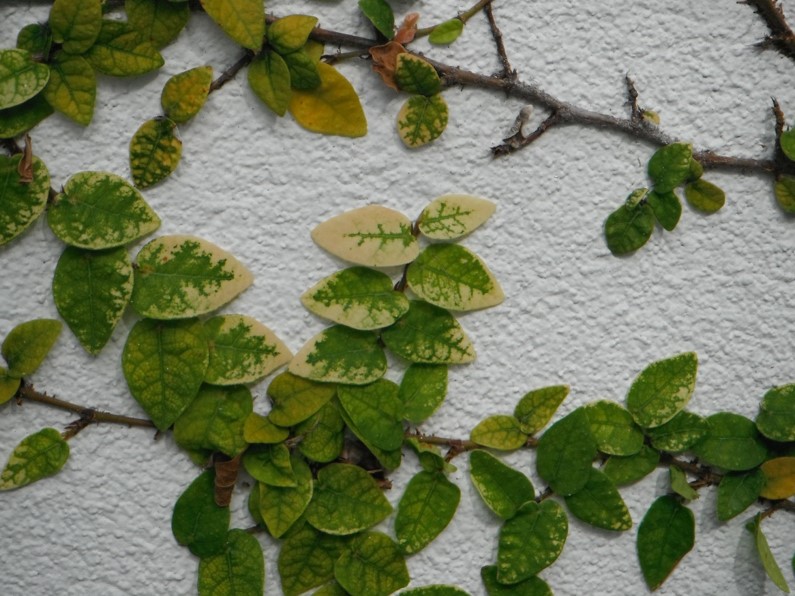
Manganese deficiency in plants looks a lot like iron
deficiency, with veinal chlorosis in the new foliage. However, plant manganese
deficiency is much less common than iron deficiency. If you aren’t sure which
it is in a particular situation, it may be best to spray or drench with both of
these micronutrients. More on manganese.
Plant Nutrient Deficiency - Zinc
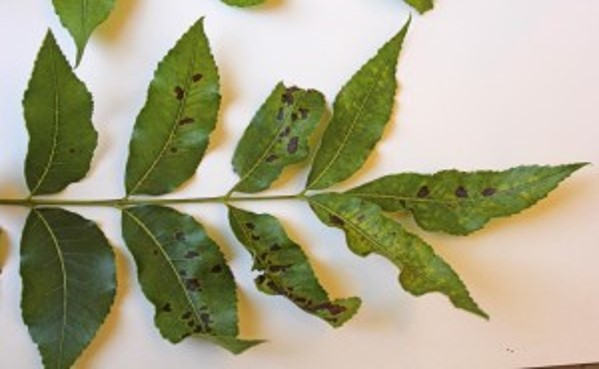
Zinc deficiency is not particularly common in ornamentals. It
is much more common in fruit and nut trees. New foliage will be significantly
smaller than normal, causing “little leaf” symptoms. More on zinc.
Plant Nutrient Deficiency - Copper
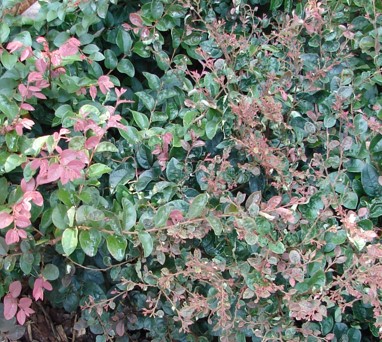
Plants have low requirements for copper; hence, deficiency
is rare. New leaves will be very tiny and crippled-looking, with distortion and
cupping. The difference between zinc and copper deficiency symptoms is that
copper-deficient leaves will be even smaller than with zinc, with the
accompanying distortion that zinc deficiency lacks. Copper correction information.
Plant Nutrient Deficiency - Boron
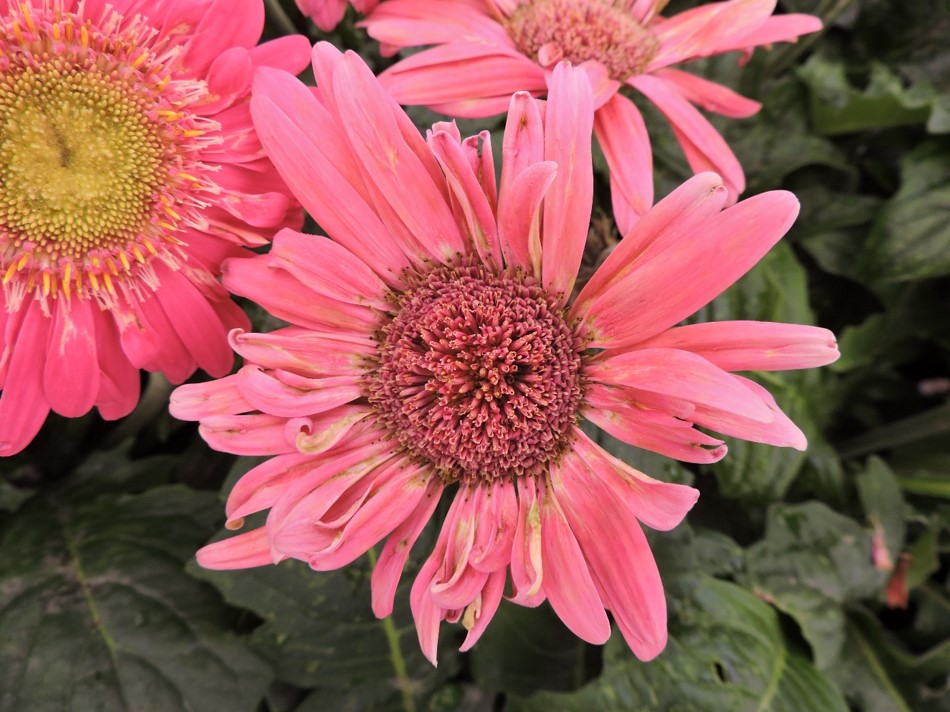
Boron is the only micronutrient that leaches significantly,
especially in sandy soils and container media. Foliage may appear normal, but
flowers will have difficulty forming and may be severely distorted. The plant also
may exhibit an overall weak appearance. More on boron.
Plant Nutrient Deficiency - Molybdenum

Plants need less than 1 part per million molybdenum in the
leaf tissue, so deficiencies are very rare. Legumes and poinsettias may often
show symptoms, which include leaf distortion in the new foliage. Symptoms may
also resemble nitrogen deficiency or ammonia toxicity. More on molybdenum.
Plant Nutrient Deficiency - Nickel
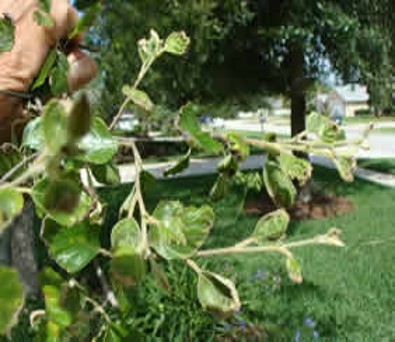
Nickel deficiency in plants is quite rare, as most soils and
media contain sufficient levels. Symptoms appear as severe crippling in the
leaves, which can barely form. Note, pecan trees are sometimes affected. Harrell's Minors is one of the few micronutrient blends that supply nickel. Harrell's Double Nickel.
Your Harrell’s Rep Can Help You Diagnose Plant Nutrient Deficiency
If you have any questions regarding nutrient deficiency, the
signs, and symptoms for diagnosis, or what you can do to supplement those
issues, reach out to your local Harrell's Rep. They are always here to help you dial in and maximize the efficacy of
your plants and products.
Related Resources

In addition to being the nation’s largest distributor of branded fungicides, herbicides, and insecticides, Harrell’s produces custom-blended fertilizers, specialty liquids, and wetting agents. Additionally, Harrell’s is the exclusive US owner, formulator, and distributor of all POLYON® branded products.
TEAM HARRELL'S
STAY EQUIPPED
Never stop learning. Access FREE continuing education courses from Harrell’s.
LET'S GROW
PRESS RELEASES
PRESS RELEASES
STAY EQUIPPED
Never stop learning. Access FREE continuing education courses from Harrell’s.
LET'S GROW