

Understanding the Role of Manganese in Plant Health
10/15/2021 - By Lynn Griffith
"Chinch bugs. Manganese." Everybody remembers Bill Murray’s immortal line from Caddyshack. In reality, manganese deficiency is the second most common micronutrient disorder in ornamental plants, second only to iron. Besides turfgrass, ornamentals susceptible to manganese deficiency include oaks, maples, poinsettias, loropetalums, palms, jasmine and ficus.
Manganese in woody plants is important for:
- cell division
- pollen germination
- pollen tube growth and
- lignin production
Manganese exists in soil primarily as the Mn+2 ion or as manganese oxide. Soil microbes are important for
oxidizing manganese and making it available to plants. It is more available in lower pH soils and media. High organic matter soils tend to complex manganese, making it less available. In soils high in iron, the two trace elements compete for absorption.
History and Toxicity
The element was discovered in 1774 and found to be essential for plant growth in 1922, just 100 years ago. The Mn+2 ion is actively absorbed by roots. It translocates easily in the xylem. Manganese is generally deposited in the vacuoles of leaf cells, where it remains largely immobile. Most plants contain between 50 and 250 parts per million manganese in the leaf tissue for sufficiency. Toxicity usually occurs when leaf manganese reaches 1000 to 1500 parts per million. An exception is roses, which can suffer manganese toxicity at about 400 ppm.
Deficiency
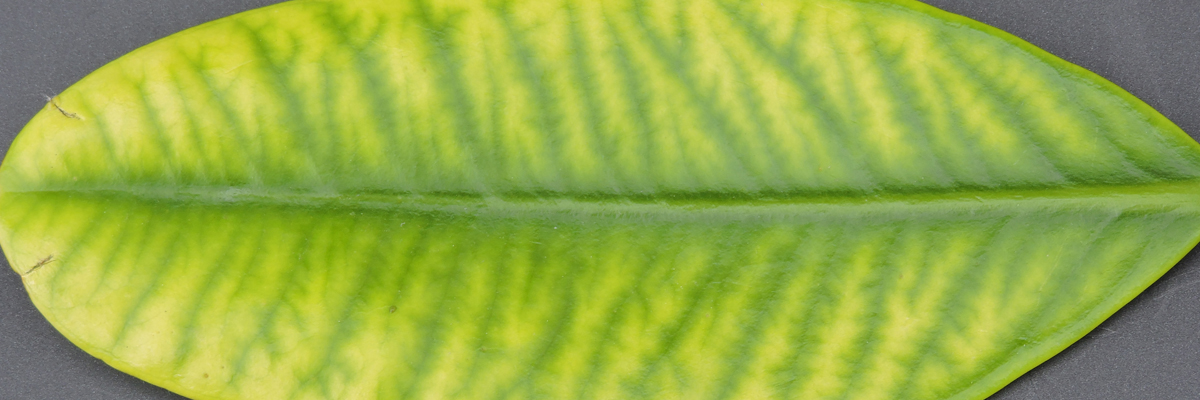
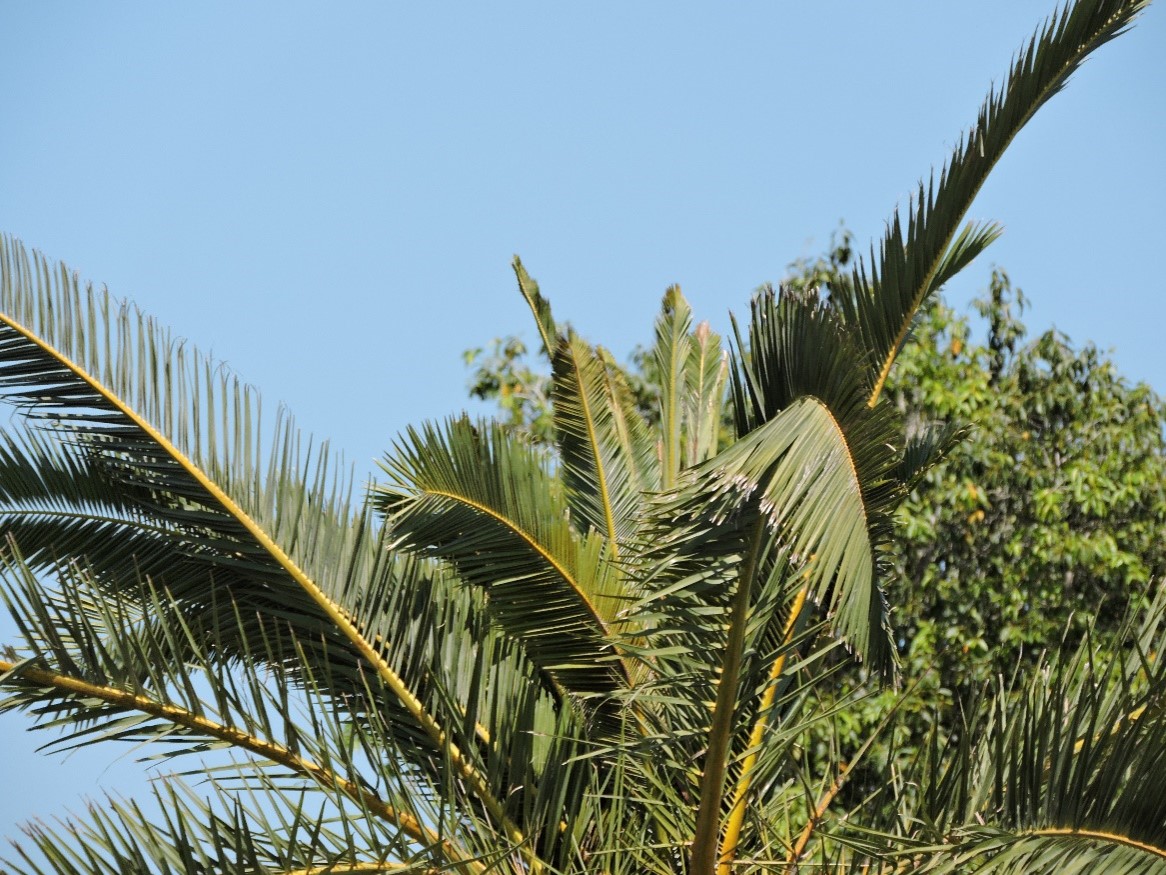
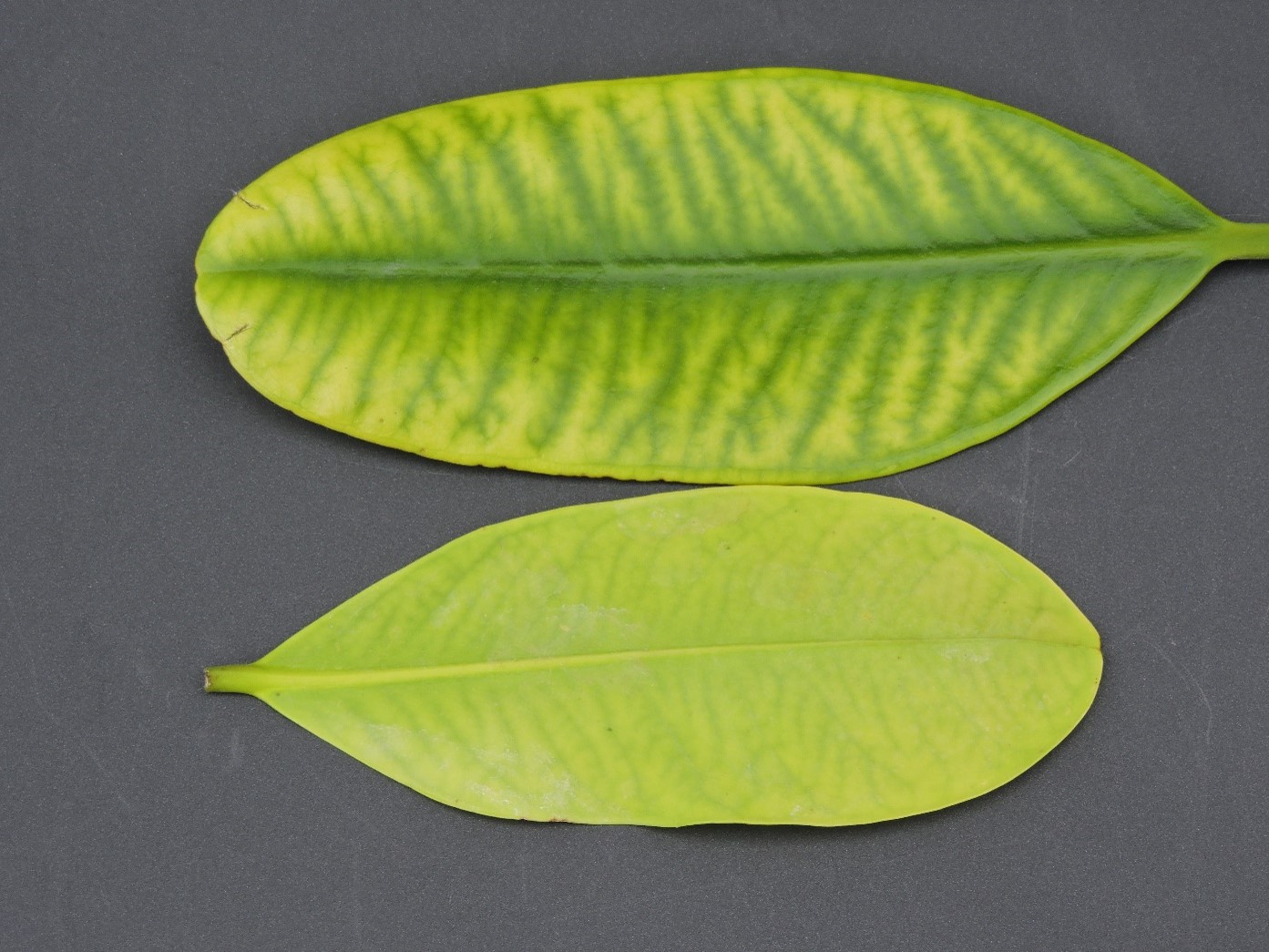
Manganese deficiency looks very much like iron deficiency. This can make diagnosis difficult. It can be hard to distinguish between the two. The typical symptom is interveinal chlorosis in the new leaves, the veins remain green, but the areas between them will turn yellow. Older leaves normally look fine. With manganese deficiency, sometimes you also see tan spots in between veins in the new leaves.
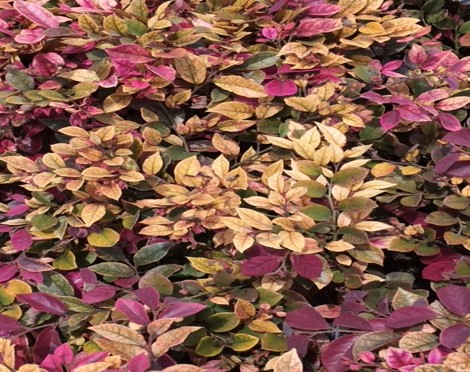
Manganese toxicity is almost always caused by low soil pH. The older leaves tend to turn magenta or purple. The symptom gradually progresses up the plant into the newer leaves. A pronounced stunting of the plant is also common. The best remedy for manganese toxicity is to get the soil pH up with lime, and avoid further manganese applications. Keep in mind that mancozeb fungicides such as Dithane often contain 16% manganese.
Correcting Deficiency
Correcting manganese is usually not difficult. Harrell’s has a great 5% glucoheptonate chelated manganese. It can be applied foliarly or to the soil. Application rates will depend on the situation. Manganese sulfate can also be used, though foliar applications of the chelate are generally more effective.
In situations where you are not sure whether a chlorosis is due to manganese deficiency or iron deficiency, we have two great options available:
- Harrell’s IronMn Mg contains both manganese and iron, along with magnesium.
- Another great option is Nitrate Plus, which contains all three of those nutrients along with zinc.
These products are generally applied as foliar sprays, though soil drenches or liquid feed applications can also work.
For more information on these products and deficiencies your plants may be experiencing, contact your Harrell's Representative.
Related Resources

In addition to being the nation’s largest distributor of branded fungicides, herbicides, and insecticides, Harrell’s produces custom-blended fertilizers, specialty liquids, and wetting agents. Additionally, Harrell’s is the exclusive US owner, formulator, and distributor of all POLYON® branded products.
TEAM HARRELL'S
STAY EQUIPPED
Never stop learning. Access FREE continuing education courses from Harrell’s.
LET'S GROW
PRESS RELEASES
PRESS RELEASES
STAY EQUIPPED
Never stop learning. Access FREE continuing education courses from Harrell’s.
LET'S GROW