

Fall Nursery and Greenhouse Management: 5 Priorities for Growers
9/28/2026 - By Dr. Aaron Palmateer
Fall is an important transition period for nursery and greenhouse growers. As you move out of summer stress and production and prepare growing spaces for cooler temperatures, it’s important to keep your priorities straight. Five important priorities for your fall checklist are 1. adjusting fertility, 2. strengthening root systems, 3. managing changing pest and disease pressure, 4. adjusting irrigation, and 5. preparing crops for cold weather.
Exact timing and practices will vary by crop, geographical location, weather conditions, and production environment.
1. Adjust Fertility Programs for Fall
Fine-tuning your greenhouse or nursery fertility program matters during seasonal transitions. As temperatures, day length, and plant growth change, nutrient availability should align with plant demand.
As temperatures cool and day lengths shorten, plant growth rates may begin to change. Monitoring plant needs rather than continuing summer fertility practices indefinitely can help crops adjust to fall conditions without encouraging unnecessary late-season growth.
Continue monitoring EC and pH to maintain appropriate conditions for nutrient availability, salt concentration, acidity, and water uptake, as these can easily hinder or help growth.
Consider Controlled-Release Fertility for Consistent Nutrition
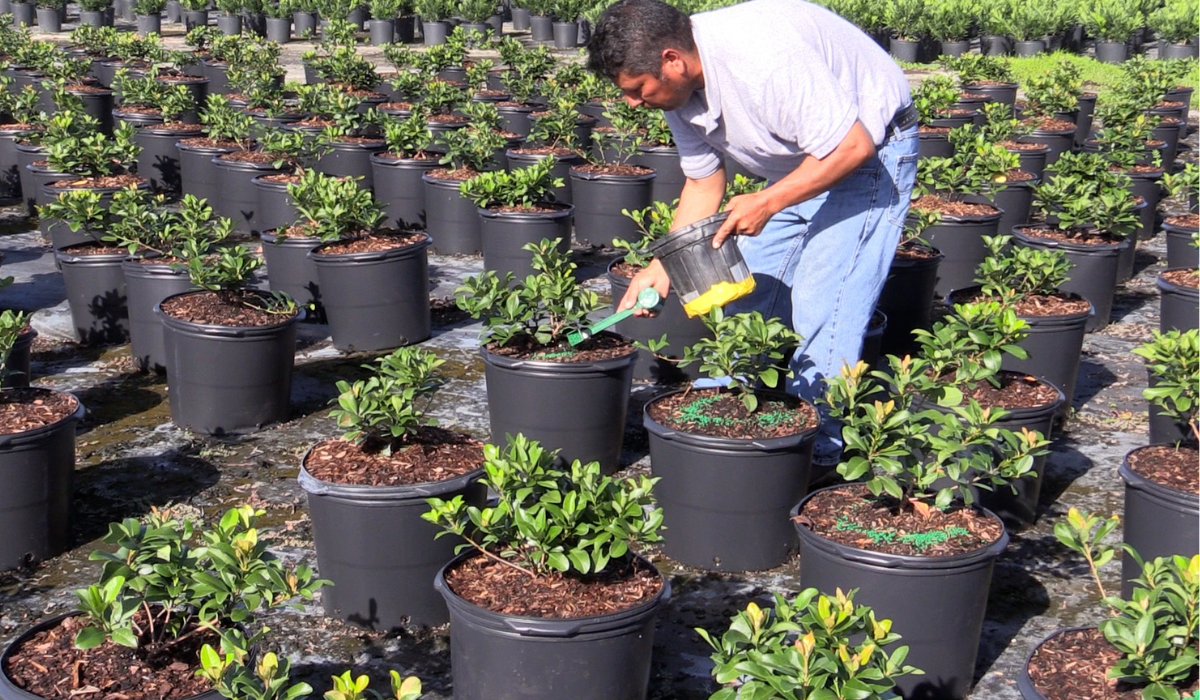
Controlled-release fertilizer can provide consistent nutrition as growing conditions fluctuate throughout the fall.
Harrell's POLYON® controlled-release fertilizer offers customizable blends for specific nutritional needs. Its temperature-responsive release technology provides predictable nutrient delivery based on soil temperature, helping align nutrient availability with plant demand throughout the fall as temperatures change.
Connect with your Harrell's Representative to determine which POLYON® formulation and longevity best fit your crop and production schedule. More about POLYON®.
2. Strengthen Root Systems Before Winter
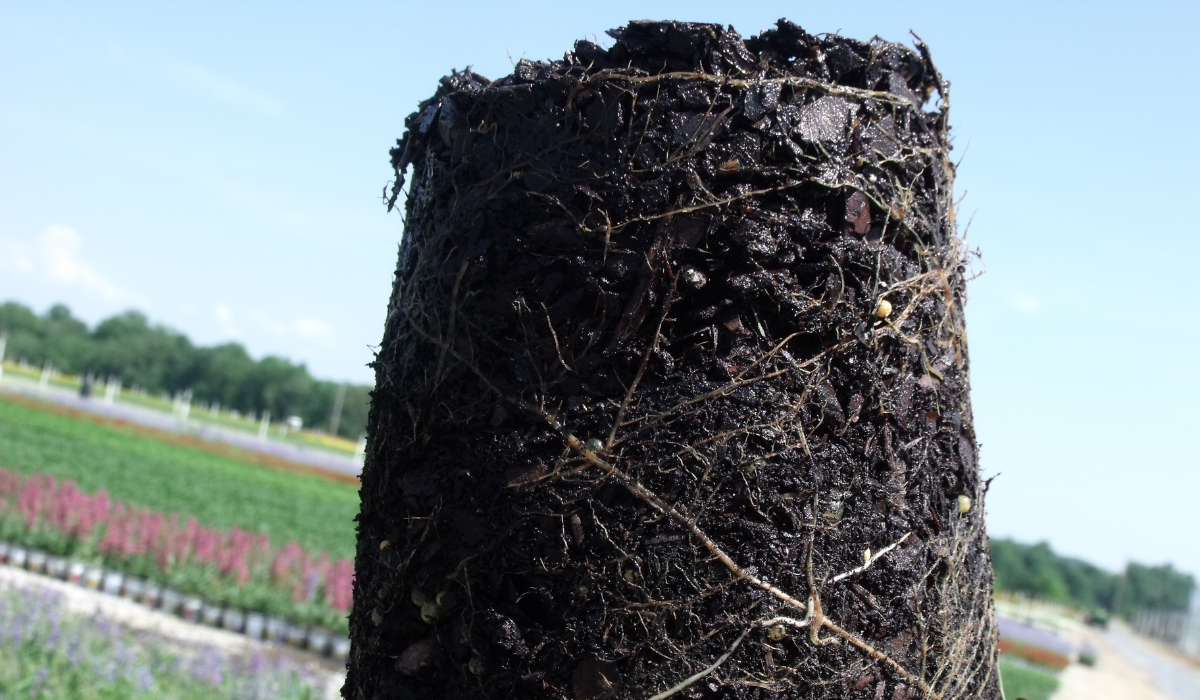
Healthy plants start with healthy roots, making fall an important time to evaluate root development before colder conditions arrive.
Evaluate the Root Zone
A well-established root system supports water and nutrient uptake and helps plants manage environmental stress. Pay attention to root development alongside media moisture, drainage, EC, and pH, particularly for recently transplanted or overwintered material.
Excessive moisture, poor drainage, or unfavorable media conditions can limit root development and create conditions favorable for root disease.
Support Root Health Through Seasonal Stress
The goal heading into winter isn't necessarily to stimulate excessive top growth, but to maintain a healthy growing environment above and below the surface.
Depending on your crop and production goals, biological and biostimulant products may also complement your fertility and root-health program. Harrell's Bio-MAX® portfolio includes solutions designed to support root development and rhizosphere health.
3. Stay Ahead of Fall Pest and Disease Pressure
Changing seasons don't mean pest and disease pressure disappears. Instead, the conditions favoring certain problems can change.
Manage Humidity, Airflow, and Plant Debris
Continue routine scouting and remove dead or diseased plant material that may harbor pathogens. Sanitation, appropriate plant spacing, and good air circulation are particularly important in greenhouse environments. Start Clean, Stay Clean.
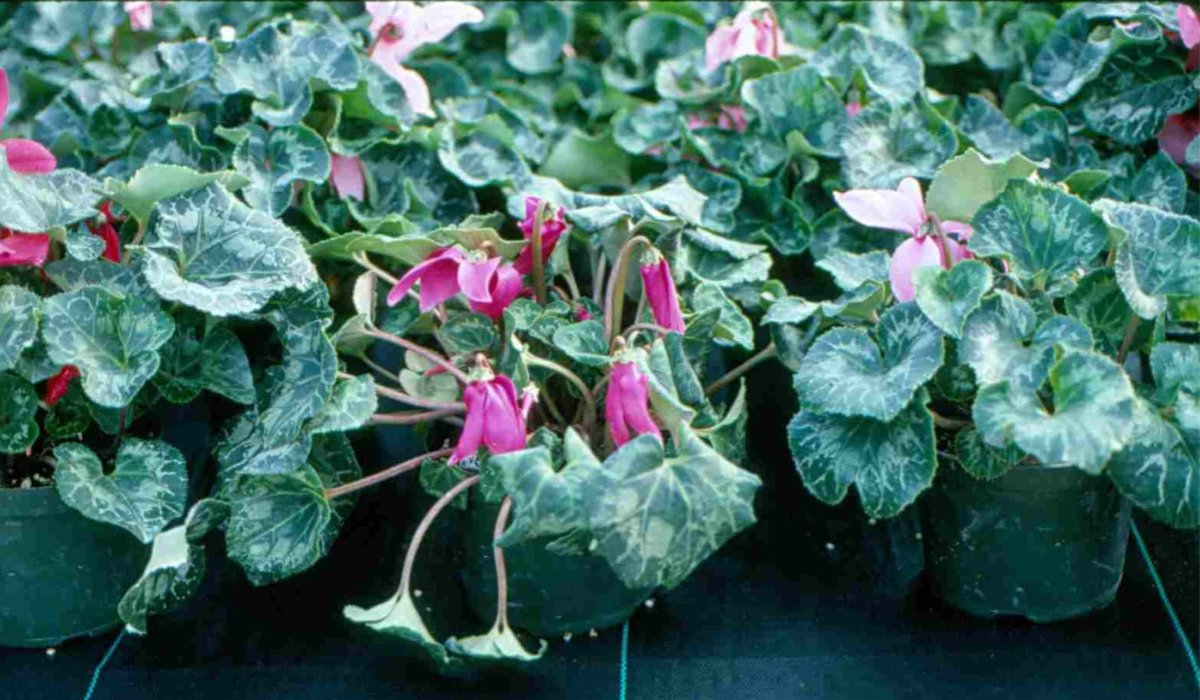
Cooler temperatures combined with high humidity and prolonged leaf wetness can create favorable conditions for diseases such as Botrytis and bacteria. Lock in management of irrigation, humidity, and plant debris to minimize disease growth. Check out our Compendium of Tropical Diseases and Disorders.
Build Prevention Into Your Fall Program
Regular scouting gives growers an opportunity to identify problems early and determine an appropriate response. When fungicide or insecticide applications are necessary, consider application timing and resistance-management practices as part of your overall IPM strategy.
Review your fall crop protection program with your Harrell's Representative to identify potential gaps based on the pests and diseases affecting your crops and region.
4. Adjust Irrigation as Temperatures Drop
As temperatures, sunlight, and plant growth change, crop water demand can change as well. Monitor substrate moisture, drainage, container size, weather conditions, and crop needs rather than relying solely on a summer irrigation schedule.
Excessive moisture can contribute to nutrient leaching, poor root-zone conditions, and increased disease pressure. For greenhouse crops, irrigation timing and adequate airflow can also help limit prolonged leaf wetness and excessive humidity.
Check Irrigation Performance
Fall is also a good opportunity to check emitters, nozzles, and other irrigation equipment for proper operation and uniformity. Consistent water delivery helps growers manage moisture more precisely as crop demand changes.
5. Prepare Crops for Cold Weather
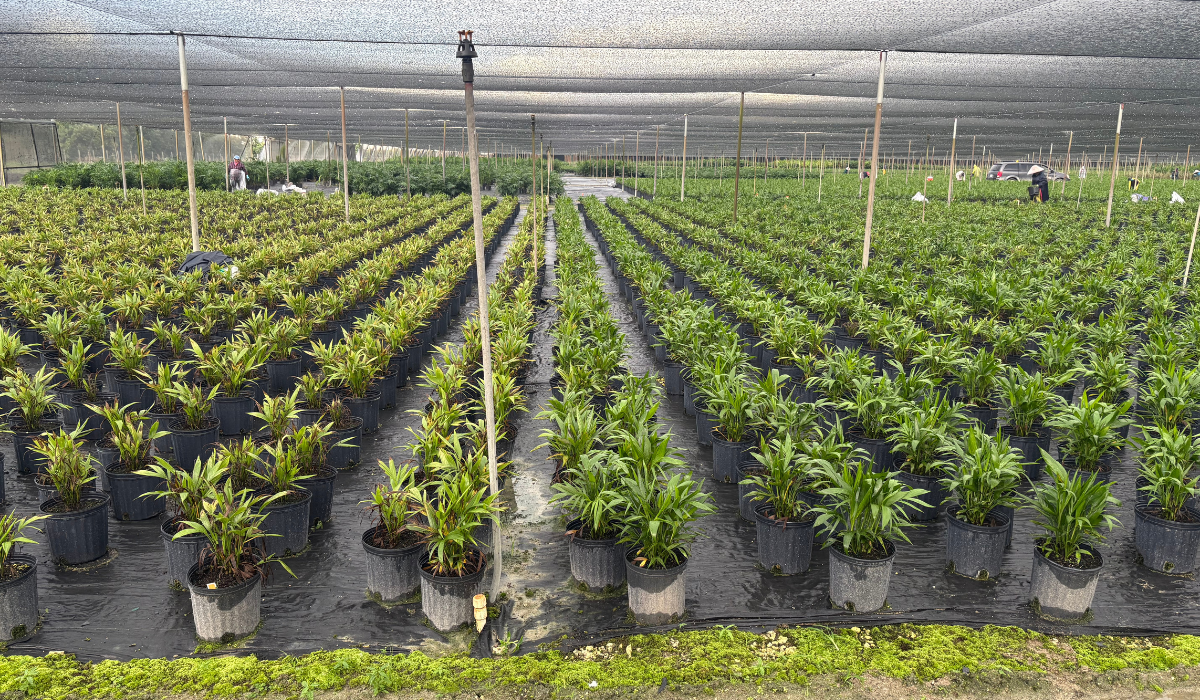
By the time a freeze is in the forecast, your cold-weather plan should already be in place. Cold-weather preparation varies considerably by region and crop. Identify vulnerable material based on factors such as species, maturity, container size, exposure, and expected temperatures.
Container-grown plants may require particular attention because their roots have less insulation from cold temperatures than plants growing in the ground.
Prepare Cold-Protection Materials Before You Need Them
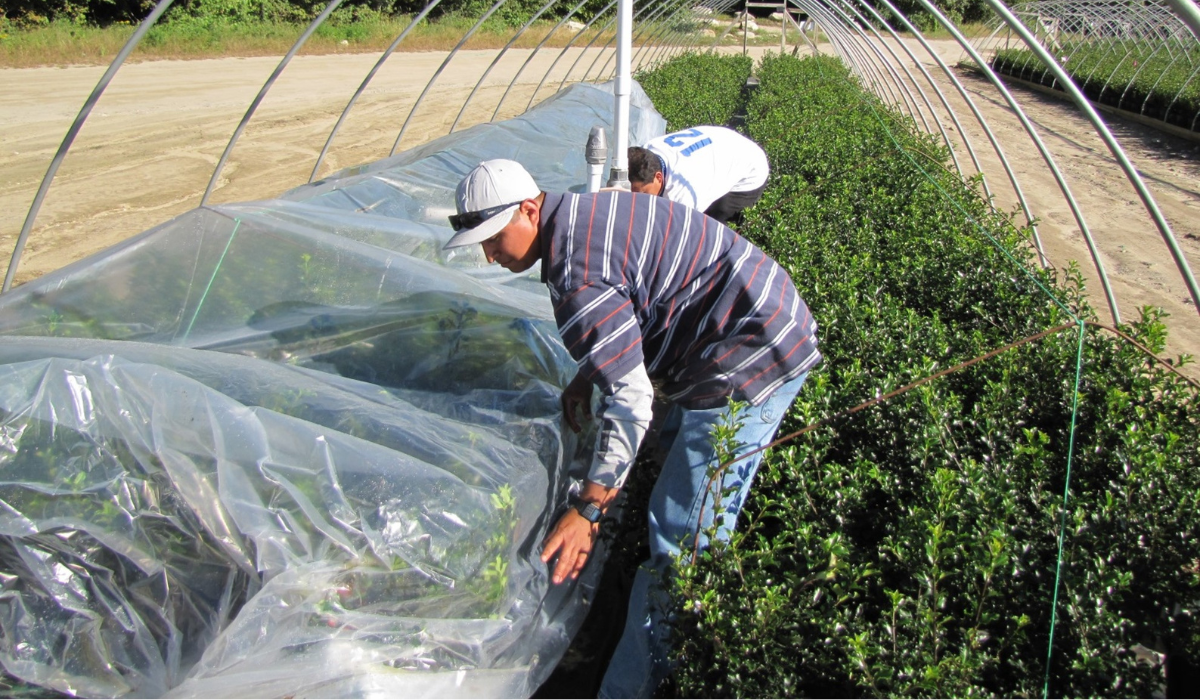
Inspect frost cloth, row covers, overwintering structures, and other protective materials before cold weather arrives. Greenhouse growers should also test heaters, thermostats, sensors, ventilation equipment, and other environmental controls.
Depending on the crop and conditions, nursery growers may need to group, relocate, cover, or otherwise protect vulnerable containers. Establish responsibilities with your team ahead of time so your operation can respond quickly when temperatures fall.
EOP Considerations for the Future
Fall is also an opportunity to evaluate what worked this year and begin planning fertility, plant health, and crop protection needs for the next growing season. This season coincides perfectly with Early Order Program opportunities that can help growers plan while taking advantage of available program benefits.
Connect with your Harrell's Representative to review your fall program, prepare your crops for changing conditions, and begin planning for a successful season ahead.
Frequently Asked Questions About Fall Nursery and Greenhouse Management
What should nursery and greenhouse growers do to prepare for fall and winter?
Focus on five areas: adjusting fertility, supporting root health, managing pests and diseases, adapting irrigation, and preparing vulnerable crops for colder temperatures.
When should growers adjust fall fertilizer applications?
There is no universal date. Fertility decisions should account for crop growth, temperature, production goals, fertilizer source, EC and pH, and whether plants will remain actively growing or be prepared for overwintering.
How should greenhouse irrigation change in the fall?
Monitor crop demand and substrate moisture as temperatures, light levels, and growth rates change. Adjust irrigation when necessary to avoid excessive moisture and prolonged leaf wetness.
How can growers protect container plants from cold temperatures?
Identify cold-sensitive crops early and prepare appropriate protection based on local conditions. This may include frost coverings, protected structures, container grouping or relocation, root-zone protection, and properly functioning greenhouse heating and environmental controls.
Connect with Your Harrell’s Rep for the Best Fall Solutions
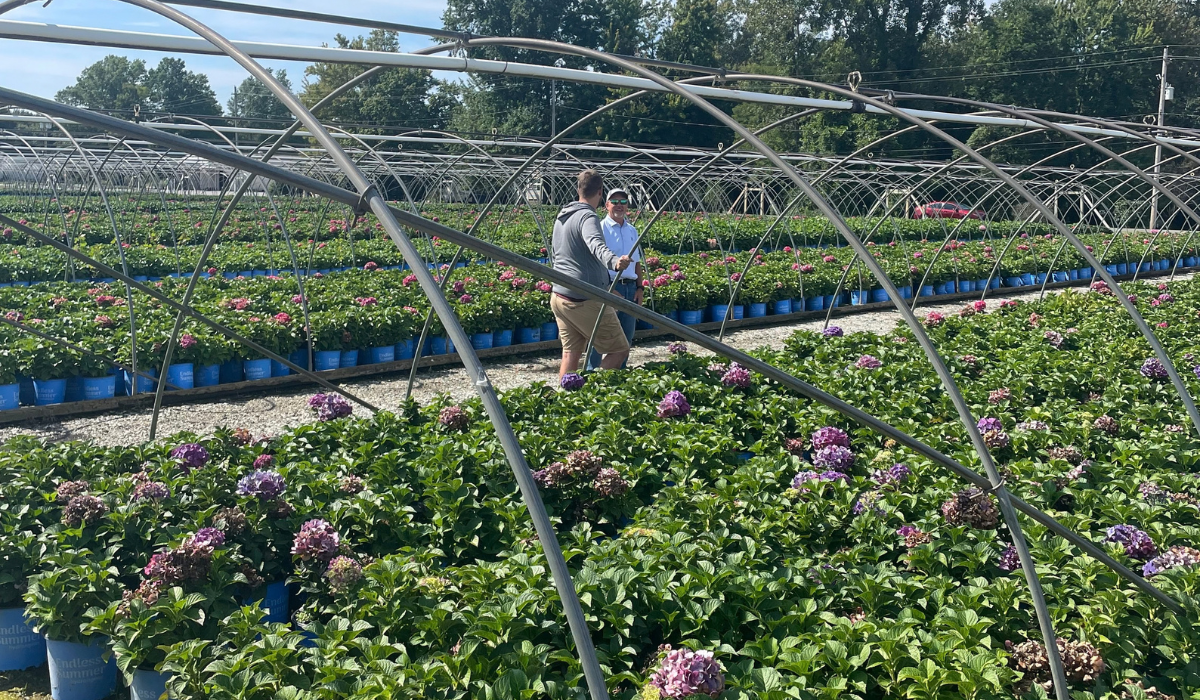
Your Harrell’s Rep is your best resource for building the perfect fall program for your operation. Connect with them today to get product recommendations, disease diagnosis, pest solutions, programs, and the best EOP savings this season.
Related Resources

In addition to being the nation’s largest distributor of branded fungicides, herbicides, and insecticides, Harrell’s produces custom-blended fertilizers, specialty liquids, and wetting agents. Additionally, Harrell’s is the exclusive US owner, formulator, and distributor of all POLYON® branded products.
TEAM HARRELL'S
STAY EQUIPPED
Never stop learning. Access FREE continuing education courses from Harrell’s.
LET'S GROW
PRESS RELEASES
PRESS RELEASES
STAY EQUIPPED
Never stop learning. Access FREE continuing education courses from Harrell’s.
LET'S GROW