

Winter Weeds - Considerations for Control
11/18/2024
As day length shortens and temperatures cool, winter weeds rear their head, and herbicides behave differently than they did mid-growing season. In this article, we will discuss why product formulation, mode of action, environmental conditions, and carrier water temperature all should be considered to maximize product efficacy in controlling winter weeds during cooler months.
Winter Weeds Need Specific Product Formulations
With so many herbicide options on the market, it is tough to know what to use and when. In cold temperatures, product formulation is a major distinguishing characteristic of broadleaf postemergence herbicides. Specifically, if a broadleaf herbicide mix includes 2,4-D; MCPA; or dicamba you may notice the chemical name of the active ingredient includes ‘amine’ or ‘ester’.
This is an important description of the active ingredient formulation. Products that include ‘ester’ as part of the chemical name will provide more effective broadleaf weed control during winter months compared to their ‘amine’ alternatives. As a rule, ester-formulated herbicides are taken up more easily by plants.
Hot conditions may result in a higher probability of turf injury. Cold temps greatly reduce the likelihood of ester-formulated injury occurring, making the winter months the ideal time to utilize ester-formulated herbicides for their enhanced weed control characteristics.
One great option you have for this time is Cool Power® Selective Herbicide. Cool Power® is ideal for winter weed control, dormant warm-season turf, and early-season applications in transition zones and cool-season climates.
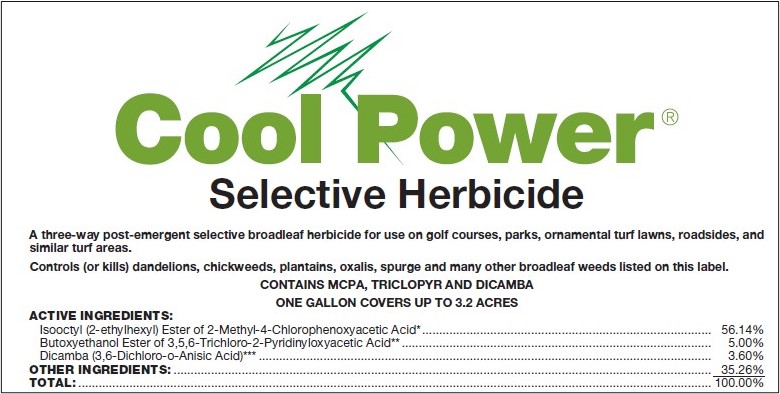 Figure 1. Cool Power is formulated with the ester forms of MCPA, Triclopyr, and Dicamba. This formulation is optimized for use during cool conditions.
Winter Weeds and Modes of Action
Herbicides are only as effective as their mode of action. A particular mode of action can be rendered ineffective by herbicide resistance (a topic for another article) or it can be rendered ineffective by environmental conditions not conducive to how the particular mode of action works. A common example is poor control with group 2 herbicides (Acetolactate Synthase Inhibitors) under cool temperatures.
Group 2 herbicides block the ability of a plant to manufacture essential amino acids that are specific to sensitive plants. These amino acids are required for the plant to exist; without them, life ceases. Under ideal environmental conditions, herbicidal symptoms from group 2 herbicides are slow to appear. This is due to the time required (sometimes 2 – 3 weeks) for treated plants to work through a reserve pool of amino acids before the onset of herbicidal symptoms and eventually plant death will occur.
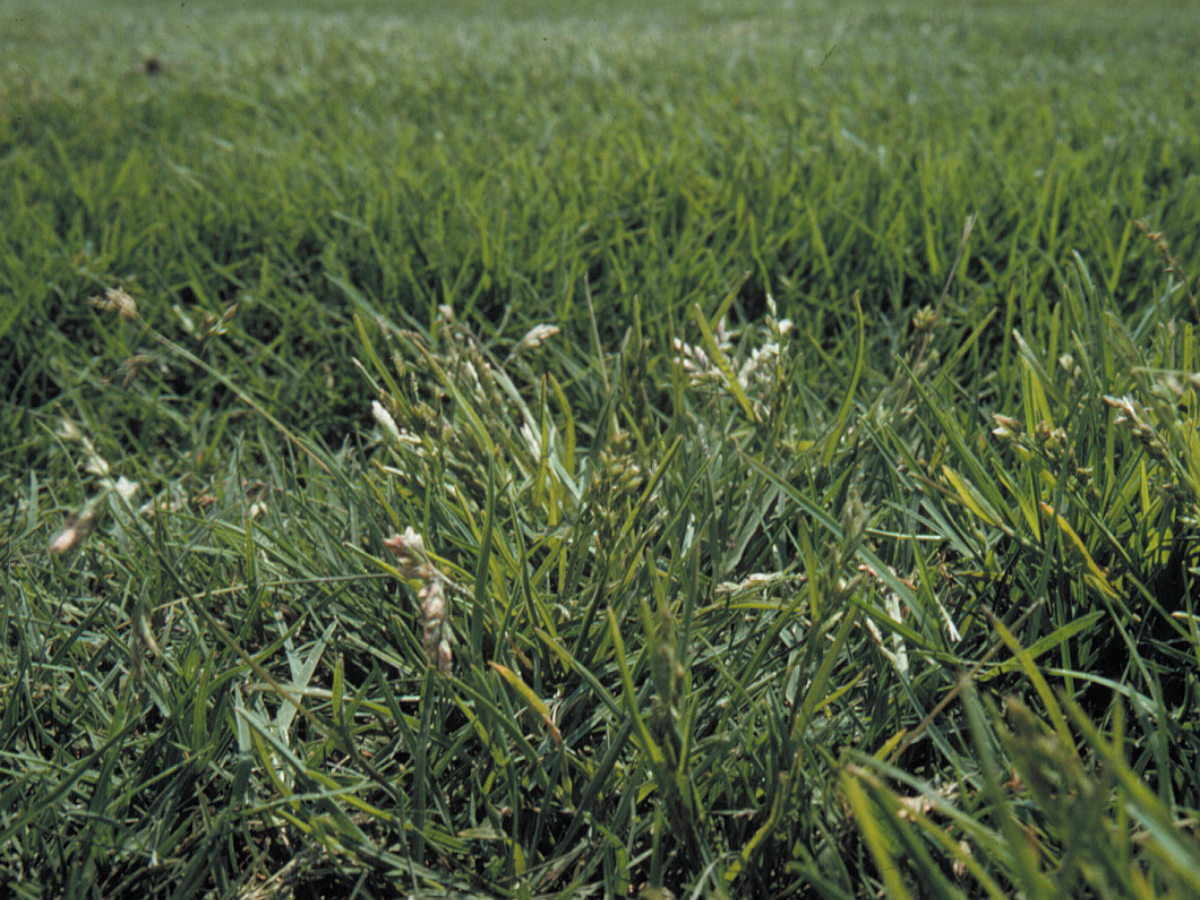
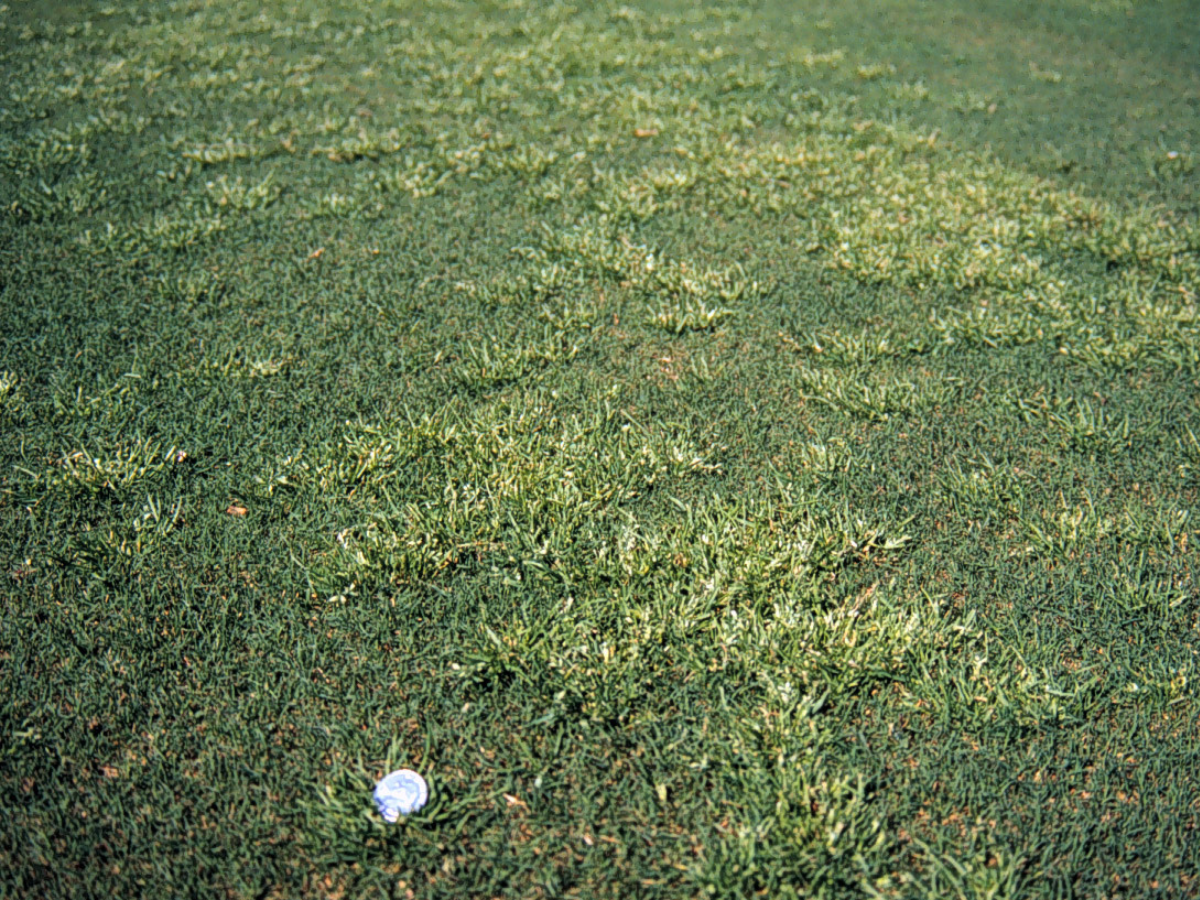
When temperatures cool, plants work through the reserve of amino acids even slower, allowing time for the plant to fight back and decompose the herbicide's active ingredient. In a field setting this can be observed as the yellowing of Poa annua leaves for a few weeks after treatment with a group 2 herbicide in winter followed by vigorous rebound and regrowth.
There is an exception to every rule, however. Although Defendor Herbicide is a group 2 herbicide, it provides excellent control of select broadleaf weeds during the coldest months of the year. Results will be slow; however, an application of Defendor before the onset of freezing temperatures is an effective strategy to clean up select winter annual broadleaf weeds before the onset of the coming growing season.
Knowledge of how an herbicide mode of action works and what environmental conditions are optimal for the particular mode of action is important to optimizing herbicide efficacy.
Winter Weeds and Environmental Conditions
Environmental conditions play a role in the efficacy of all herbicides, not just group 2 active ingredients. Winter months can see periods of sunny dry conditions, cloudy wet conditions, and every combination in between.
Drought conditions can reduce the uptake of root-absorbed herbicides with less water moving from the soil into plants and foliar uptake is reduced, as plants often develop a thicker leaf cuticle in response to drought conditions. Both mechanisms limit active ingredient uptake and efficacy. Further, drought conditions can slow the metabolic process of a plant, limiting the effect of some modes of action.
Cloudy, low-sunlight days will significantly inhibit the efficacy of herbicide-active ingredients that rely on sunlight to cause herbicidal effects. Two examples include Reward® (diquat) and Cheetah® Pro (glufosinate). It is helpful to apply these herbicides on bright, sunny days with adequate soil moisture to maximize efficacy.
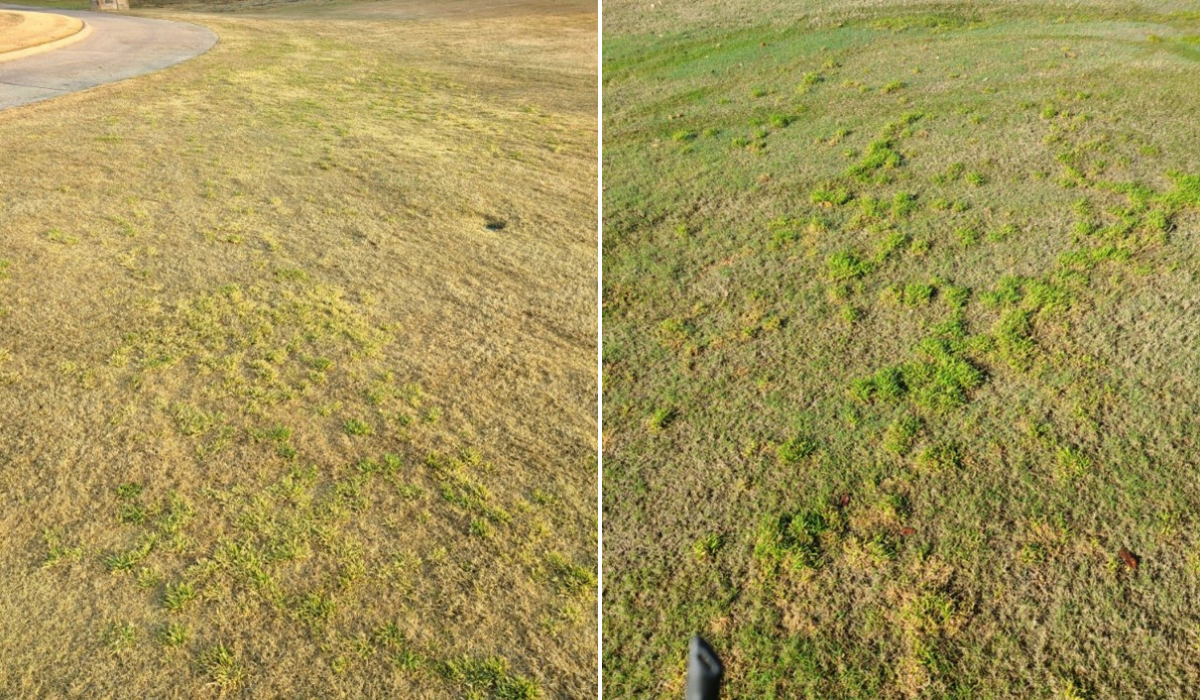
Figure 2. One day after Poa annua was treated with diquat in February (left) and 14 days later (right). Environmental conditions may not have been optimal for diquat efficacy, leading to Poa annua leaf yellowing followed by regrowth.
Winter Weeds Cold Water Solubility
As air temperatures cool, so does mixing water for spray tanks. As a rule, substances are less soluble in cold water than in hot water. The ultimate solution is to mix spray tanks using hot water; however, this is not practical nor common in most situations. A more practical approach is to allow more time than usual for agitation after adding product to a spray tank – 3-5 minutes per product. Increasing agitation time will allow the product to solubilize, suspend, or disperse and not interfere with the mixing of other products more fully.
Winter Weeds Solutions from Your Harrell’s Rep
Your Harrell's Rep is an excellent resource to learn more about product selection and application techniques to optimize product efficacy through any time of year. Their local knowledge and expertise can help ensure you are maximizing herbicide efficacy this winter, make sure you get connected.
Related Resources

In addition to being the nation’s largest distributor of branded fungicides, herbicides, and insecticides, Harrell’s produces custom-blended fertilizers, specialty liquids, and wetting agents. Additionally, Harrell’s is the exclusive US owner, formulator, and distributor of all POLYON® branded products.
TEAM HARRELL'S
STAY EQUIPPED
Never stop learning. Access FREE continuing education courses from Harrell’s.
LET'S GROW
PRESS RELEASES
PRESS RELEASES
STAY EQUIPPED
Never stop learning. Access FREE continuing education courses from Harrell’s.
LET'S GROW