

Vineyard Golf Club—Bluebirds, Bats & Owls, Oh My!
8/11/2020 - By William Buehn
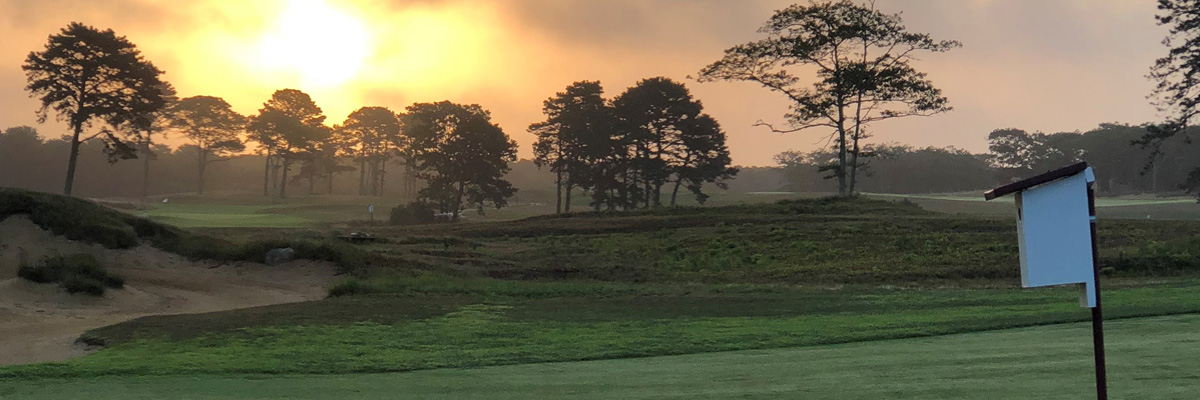
When you’re packing your bag for a round at Vineyard Golf Club off the coast of Cape Cod, you might want to include some binoculars and a ‘Native Species’ handbook—you just never know what you’ll see. “It's a pretty environmentally busy area,” says Kevin Banks, the club’s Head Superintendent in his fourth year with the all-organic course. Designed to blend seamlessly into the natural environment of Martha’s Vineyard, the course hosts natural habitat for a wide 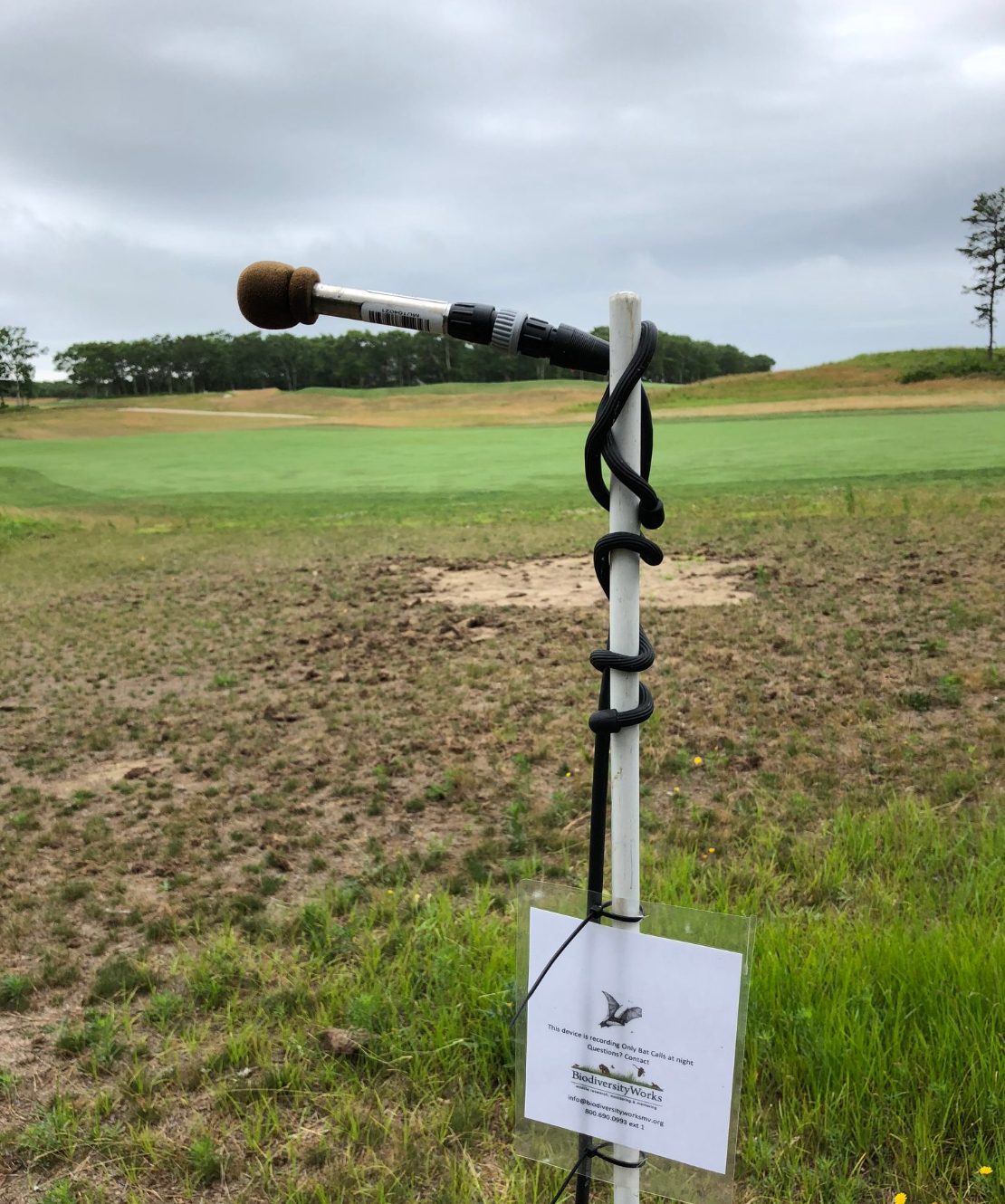 variety of vegetation and animals alike. The native wildflowers interspersed in the fescue attract pollinators like bees and monarch butterflies. The course’s 150-yard markers are actually bluebird boxes. Two markers on each hole (placed opposite each other in the fescue just off the cut rough) represent an easy 8-iron in, and more importantly, house the course’s entire bluebird population. The course even served as a bat research environment last summer, when a local bat conservation group installed sensors on the course to collect data on local Northern Long-eared and Little Brown Bat population numbers. So, like Banks says, there’s clearly a lot more life enjoying the property than just what’s on the tee sheet. He enjoys taking care of the other creatures that call his course home though, and his team has recently decided to expand their bird real estate business into the owl market.
After spending most of his career around the Boston and Cape Cod area, in 2016, Banks island-hopped from his First Assistant position at Nantucket Golf Club to start on at Vineyard Golf Club. Jeff Carlson—the previous superintendent, who’d been with the club since opening in 2002—had retired, and Banks was fortunate enough to take over the role. It may not have been in his plans to become the next organic golf course manager, but when he visited to interview for the position, he says, “I fell in love with the club and the team—great management team. They were making a lot of changes, investing a lot of money. Gil Hanse had just redone the entire golf course, so there were a lot of positives.” And despite the daunting task of a total transformation to adopt all-organic practices, the opportunity was just too ripe to resist. In his time at Vineyard Golf Club, Banks has learned a lot. He’s had to completely restructure his strategy, throwing a lot of what he’d learned early in his career into a mental storage unit. “It's just been a whole different ball game here,” he says, “but it's been a really fun challenge…Mother Nature really dictates what we do day to day…you really have to think outside the box. Every day is just so different. I'm motivated every day to make this work.” And although he’s still learning every day, he and his team have settled into their own organic approach, adding, “Every year I've been here, we've been getting more and more successful. It's pretty amazing what we can accomplish without your basic chemistries.” But his team isn’t only dealing with Mother Nature’s turf tests. They’re also making considerable efforts to keep up with her more mobile challenges, like the course’s strong owl population.
 One of the side effects of maintaining an all-organic course is the increased demand on labor. Whether they’re spraying greens twice a week or rolling them twice a day, Banks’ team is always busy. That’s especially true from June through August, when they’re working night shifts to keep up with everything. And in past summers, they’ve really noticed the abundance of owls making their nightly calls. So, this past off-season, they decided to step up their hospitality to the nocturnal birds-of-prey by building them some more advanced accommodations.
It’s a bit of an understatement to say that Banks and his team are dedicated to ensuring the owls feel a sense of welcome on the property. He’s done exhaustive research to make sure that he’s setting everything up right the first time, like digging deeper into which native owl species call Martha’s Vineyard home. He knows that there’s plenty of owls out there on his property, but he hasn’t been able to identify which species exactly—part of what he hopes to find out with this project. Through his research, he found that there are all kinds of different types of owl houses, and each generally works better for specific species or groups of species. All that to say, they’re not exactly one-size-fits-all. Hoo knew? So, he wants to make sure that he’s building houses that are best suited for the species most likely to prowl his property.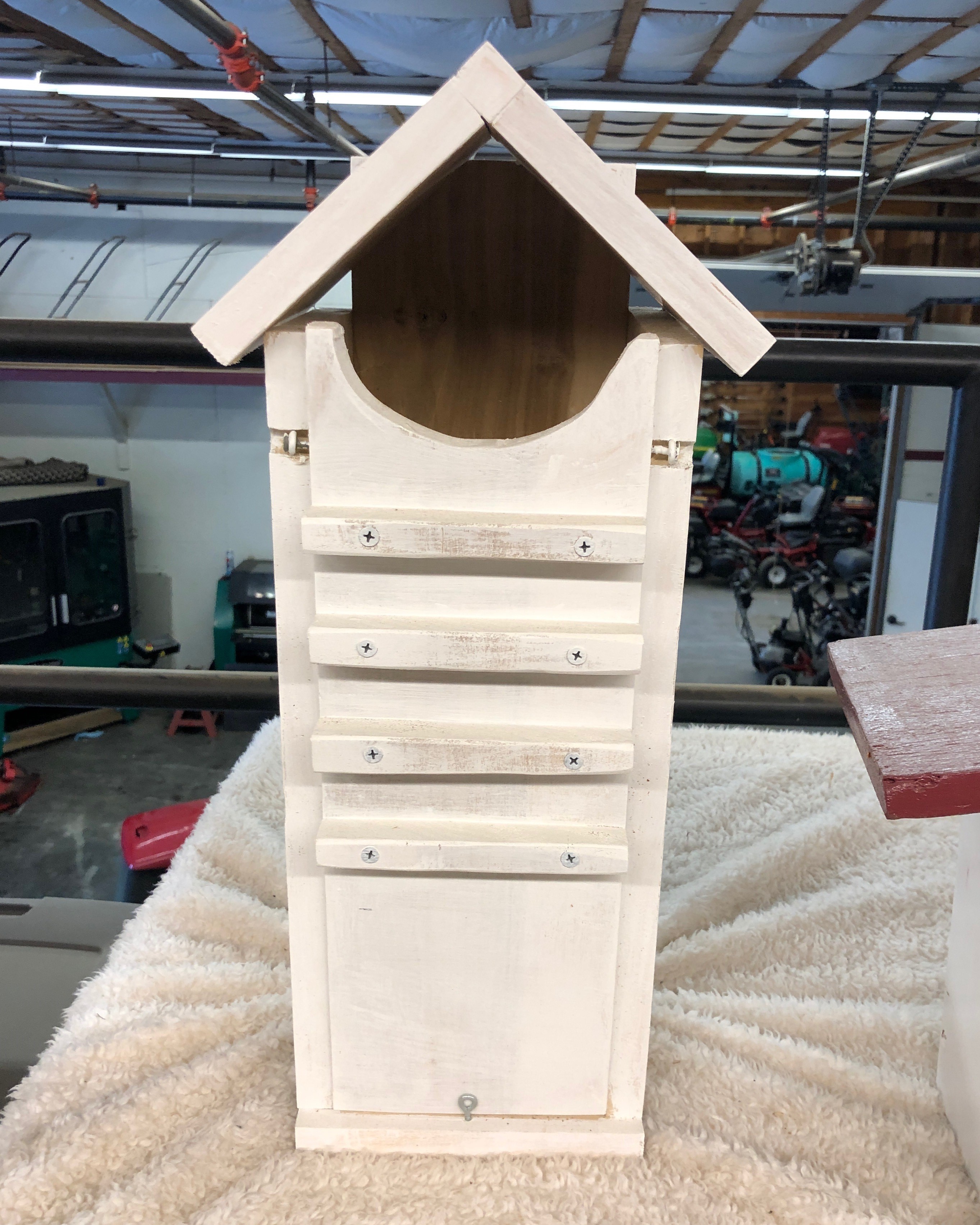
So far, his team has personally built three owl houses, each of a different style, and they plan to build one more of each style before setting them all up on the property. But before they can do that, they’re spending this summer scouting potential spots. Understanding that real estate is all about location, location, location, they want to choose the best sites to install the houses. Although they’ve heard plenty of the owls on the course, they’ve never really paid much attention to where the owls are nesting. That’s the data they’re trying to collect this summer. “We want to make sure we put them in the right spots [for the owls] and in spots that are easy for us every year to clean out and maintain,” he says, emphasizing his consideration for ease of access to the houses, which will sit 20 feet up a tree and require at least annual maintenance to clean, patch up, repaint, etc. Being that high in the trees, initial install and periodic maintenance will also require some sort of a hydraulic boom-lift, which Banks plans to rent whenever the time comes. So, for now, it’s mostly been prep work—finalizing the plan. But hopefully by next season, they’ll be able to install the houses to start gathering more information on which species are actually hanging around.
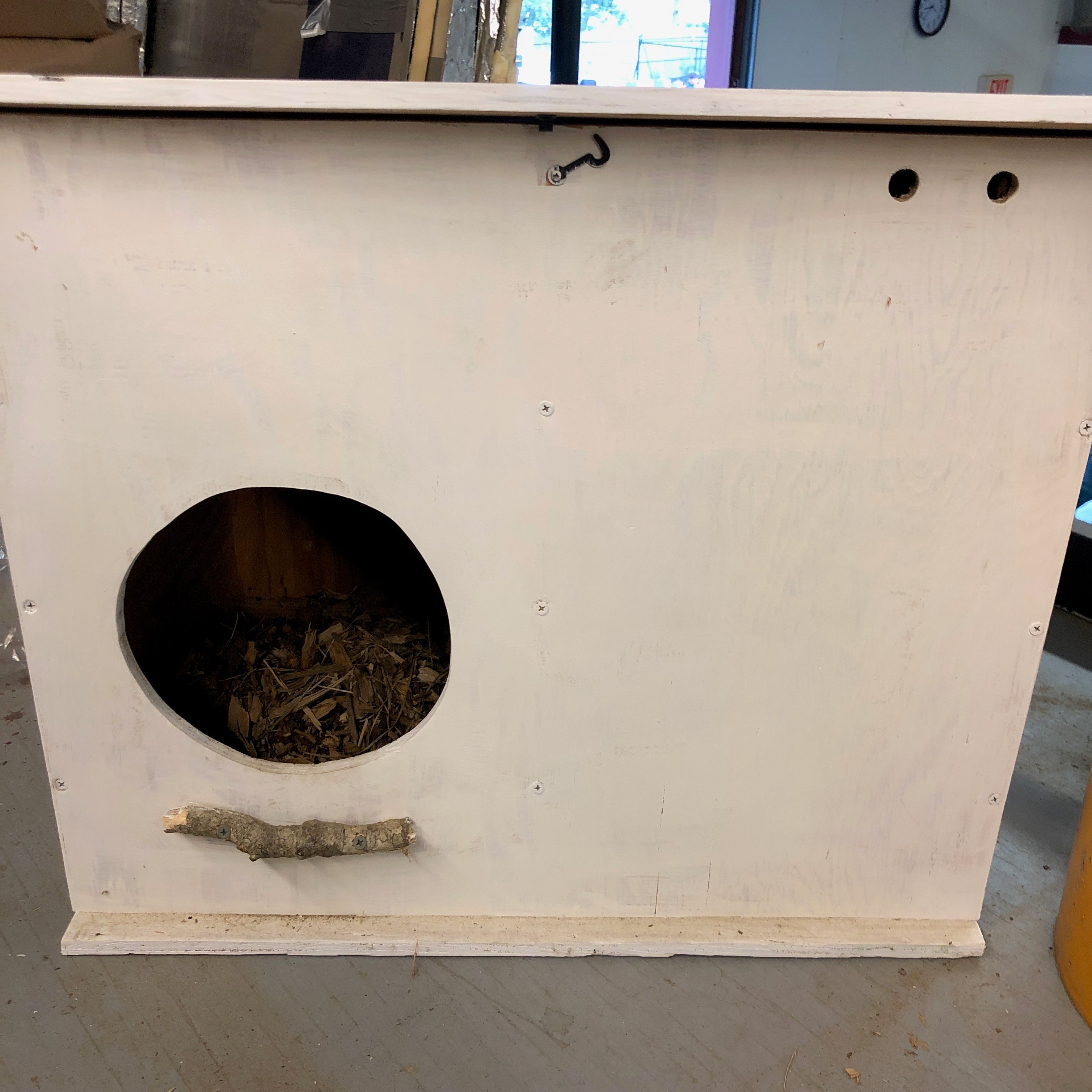 Banks hopes that their efforts will eventually provide valuable data to other conservation groups in the area. He says, “We want to put a little GoPro inside some of them too or some sort of camera, just to film what we see, make sure the species is right, but also work with local conservation groups to say “Hey this is what we’ve got going on here.” And if it helps them out, great. If not, at least we know what's going on on our side. We're just trying to record what's out here and do what's best.” It seems pretty clear that Vineyard Golf Club is doing what’s best for their little 18-hole ecosystem, and it’ll be exciting to watch their owl-house program develop over the next few years. Let’s just hope the snowbirds don’t catch wind of it and turn it into a crowd!
Related Resources

In addition to being the nation’s largest distributor of branded fungicides, herbicides, and insecticides, Harrell’s produces custom-blended fertilizers, specialty liquids, and wetting agents. Additionally, Harrell’s is the exclusive US owner, formulator, and distributor of all POLYON® branded products.
TEAM HARRELL'S
STAY EQUIPPED
Never stop learning. Access FREE continuing education courses from Harrell’s.
LET'S GROW
PRESS RELEASES
PRESS RELEASES
STAY EQUIPPED
Never stop learning. Access FREE continuing education courses from Harrell’s.
LET'S GROW