

Top 6 Early-Season Turf Considerations After a Mild Winter
2/17/2023 - By Dr. Paul Giordano
And Dr. Jeff Atkinson
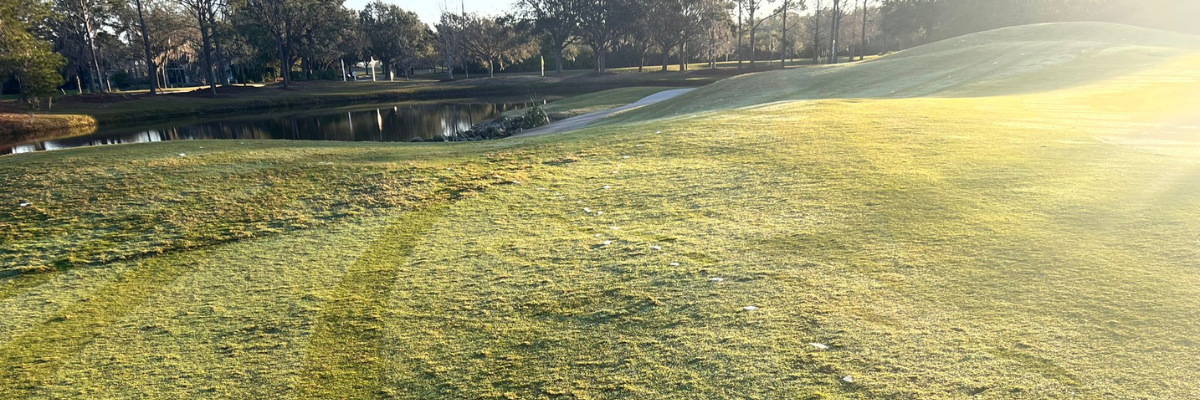
Across most of the eastern half of the U.S. winter conditions have overall been
exceptionally mild. Other than a couple of days of blistering cold arctic blasts
that affected a good portion of the country, the winter that came in like a
lion has limped along like a lamb and has been largely nonexistent for many.
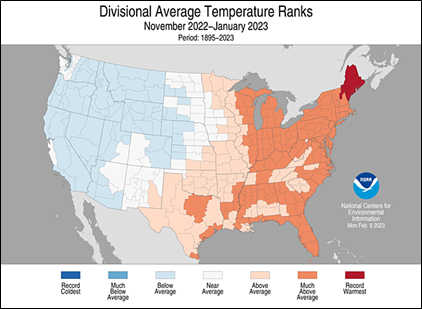
Below you can see the far above average temperature ranks east of the
Mississippi, from Nov-Jan, based on the NOAA’s
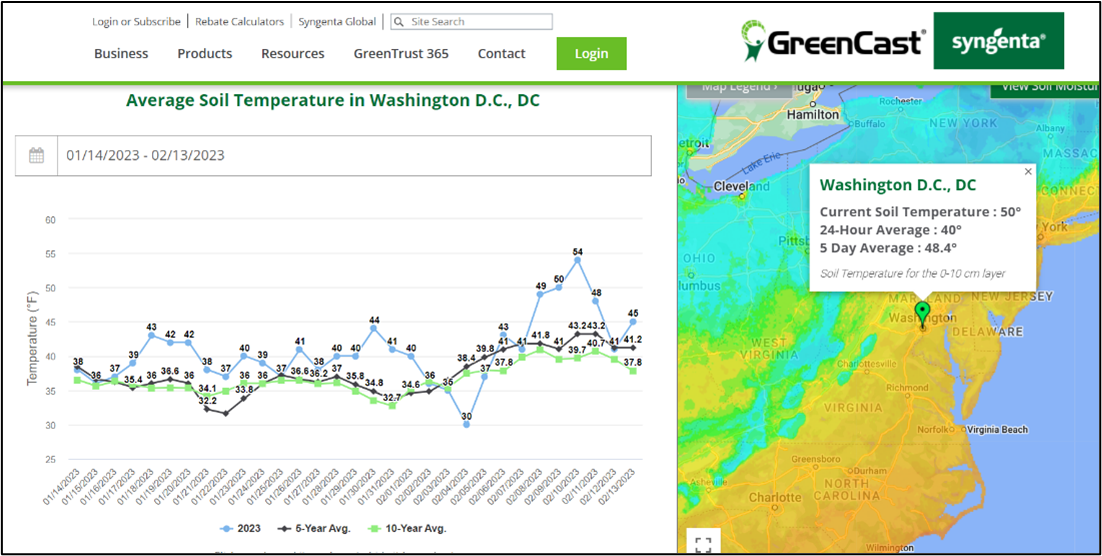
regional data tracking. This has resulted in soil temperatures remaining
well above the past 10-year averages for the majority of the winter as well
(Syngenta Greencast, Washington DC data).
As we power through February and into March with no real signs of winter
returning, we wanted to provide a few key items and considerations that should
come in handy with everything waking up a bit earlier than “normal.”
Early Season Turf Tip #1 | Poa Seedheads
If you’re managing Poa annua seedheads with ethephon (Proxy, Envu), a mild winter and
early spring will likely result in the early accumulation of growing degree days
and thus an early initiation of seedhead production. Be sure to monitor your
local GDD accumulation (one good site to do so is the MSU GDD Tracker
site). Remember that earlier is better when it comes to Proxy.
Although most traditional models recommend starting spring
applications around 50 GDD50 or 200 GDD32 - erring on the
side of earlier rather than later in that model has shown to be the better
option for achieving optimal seedhead control. Follow-up applications should be
made at 2–4-week intervals, depending on weather and turf conditions.
Early Season Turf Tip #2 | Foliar and Root Diseases
As turf wakes up, so do the pathogens that attack it. Coming
off a rather wet but mild winter may exacerbate issues with root diseases like
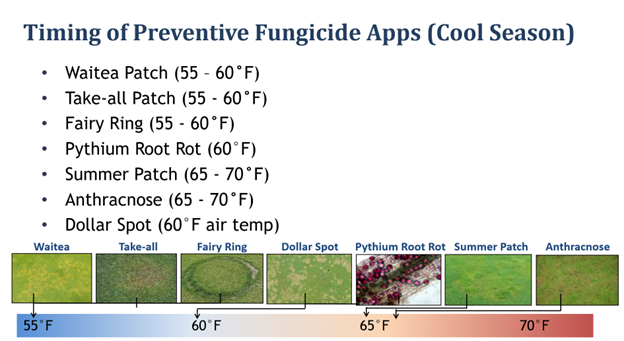
summer patch, take-all patch, fairy ring, and Pythium root rot. These
diseases all tend to become “active” and initiate their infection process when
soil temperatures are consistently above 55°-60°F.
Monitor your soil temps closely as temperatures continue to
warm and make sure that you’re ready to pull the trigger on the necessary fungicide applications to address these diseases in a preventive
manner. DMI fungicides are excellent options at this time as they deliver
broad-spectrum control of many important soilborne diseases and can help knock
down early populations of foliar diseases, like dollar spot, leaf spot,
anthracnose, and Microdochium patch. If Pythium root rot has
historically been an issue, don’t forget to concurrently address it with
products like Serata,
Segway,
or Banol.
Also, nematodes may get an early wake-up call after a mild winter and should be addressed accordingly on sites with known issues.
Early Season Turf Tip #3 | Annual Bluegrass Weevil
The Annual Bluegrass Weevil is already a difficult pest with nuance and
variability in its life cycle. In a warmer-than-average late winter/early
spring, populations may begin to emerge earlier than normal in certain
microclimates around the golf course. As mentioned with other pests, keep a
close eye on GDD accumulation, soil temperatures, and especially on indicator
plants like the forsythia in southern-facing areas.
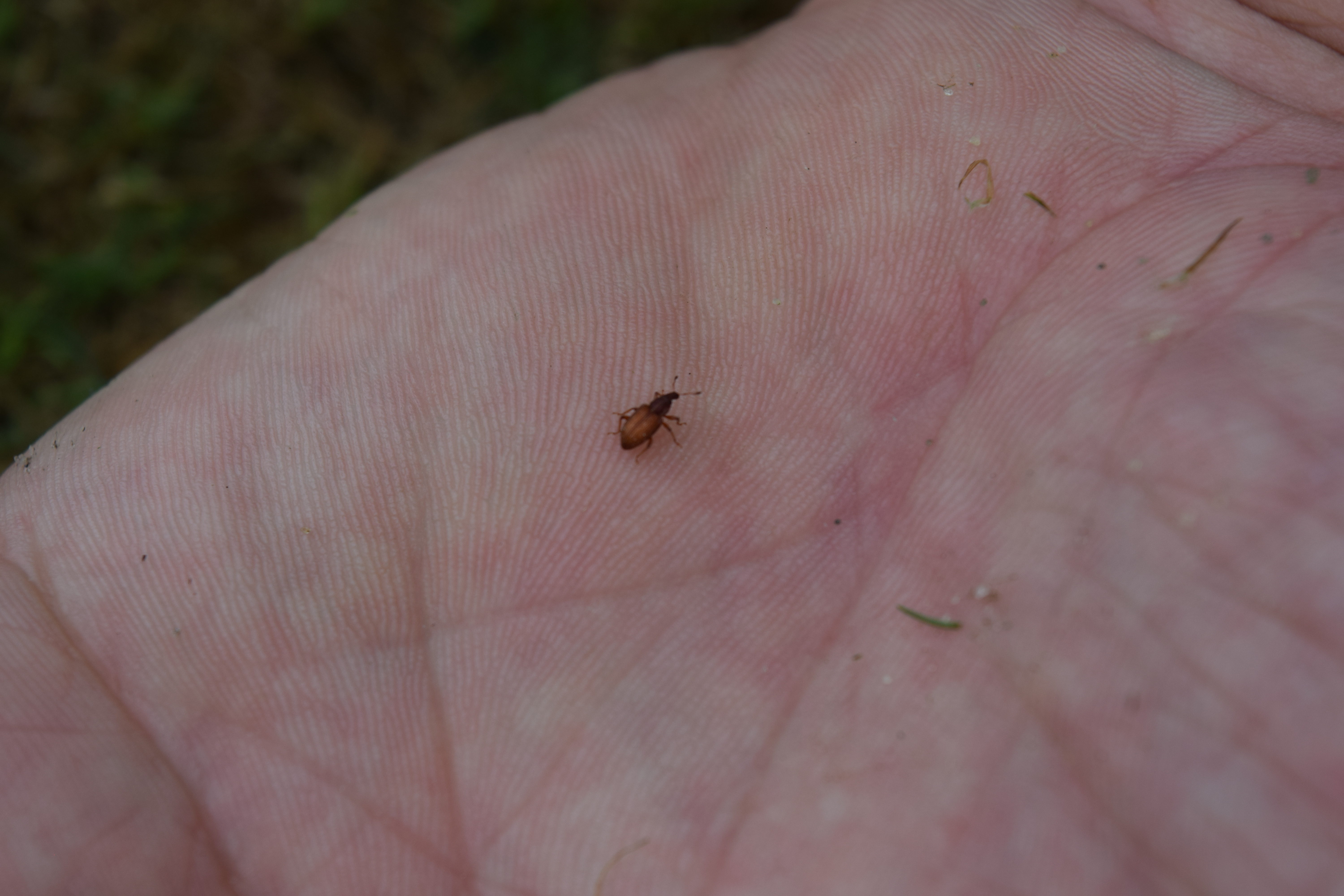
Also, it may be a good idea to
start auditing your mower baskets/pitfall traps around the golf course for ABW
adult activity a bit earlier than usual this year. Adulticide applications for
ABW may be required before the “regular schedule” depending on how the weather
patterns progress over the coming weeks.
Early Season Turf Tip #4 | Pre-Emergent Herbicides
Unseasonably warm soil temperatures result in unseasonably
early weed seed germination. For the most common grassy weeds, we have a good idea
when they germinate; 55°F soil temperature for crabgrass and 62°F
soil temperature for goosegrass at a 2” depth for three consecutive days. Monitoring
soil temperature and making pre-emergence herbicide applications before soil
temperatures reach these critical thresholds is a surefire way to apply pre-emergence
herbicides before weed emergence and establishment.
When planning pre-emergent herbicide applications, it is
worth considering that most pre-emergent herbicide’s active ingredients are broken
down microbially and have a low potential for leaching or lateral movement,
within soil once an application has been activated by irrigation or rainfall. Soil
microbial activity is relatively low during the late winter and early spring months,
meaning that the half-life of applied pre-emergence herbicides is relatively
long compared to applications made in warmer periods of the year.
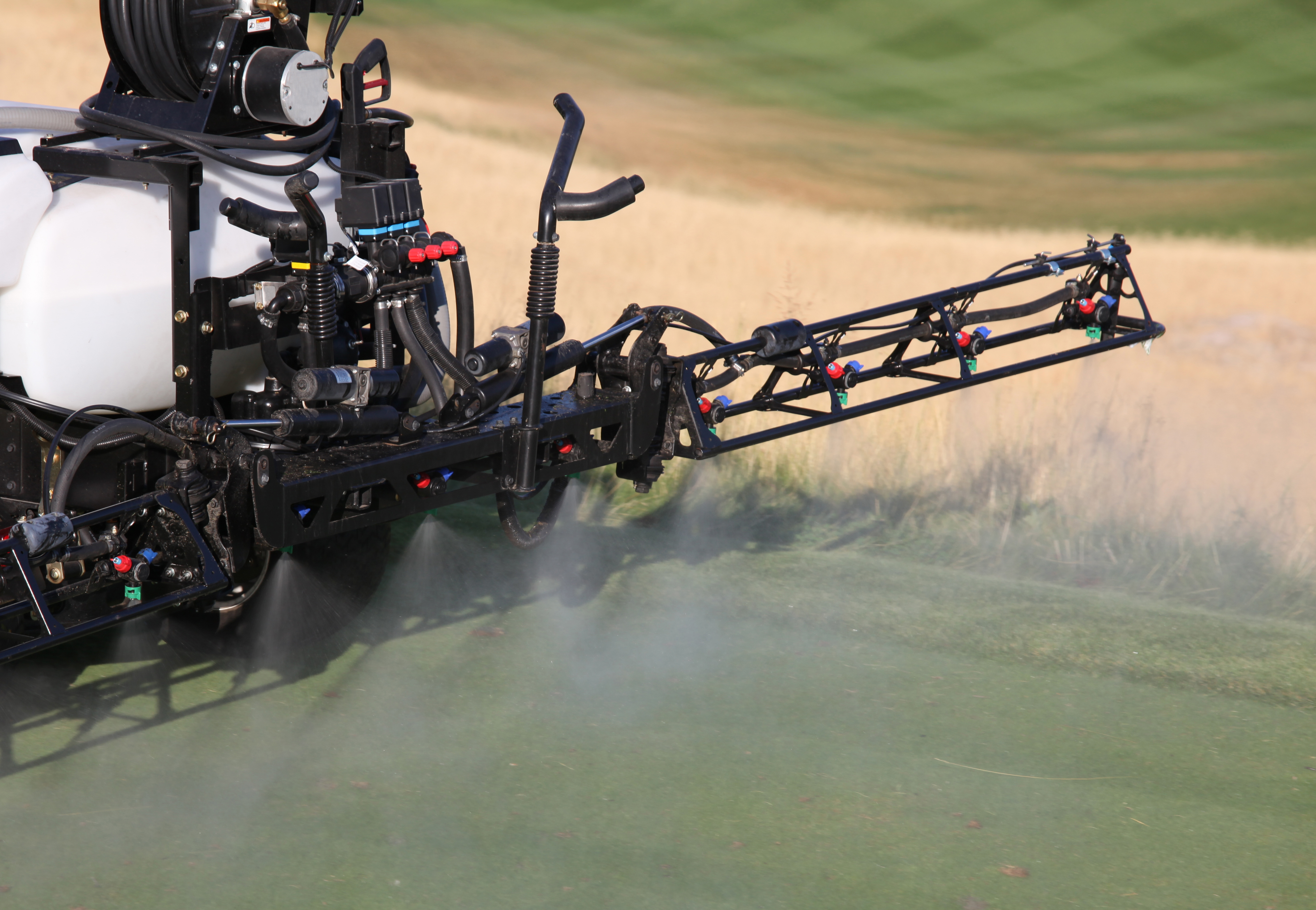
In areas with a long growing season and high weed pressure, it is wise to plan on a second pre-emergent herbicide application mid-season to
extend control through the fall months. Keep in mind the rotation of preemergence
herbicide mode of action to prevent development of herbicide resistance.
Early Season Turf Tip #5 | Fertilization/Nutritional Needs
Above-average soil temperatures through the winter months
translate into above-average nutrient use. Considering the consistent
rainfall many areas have experienced this winter, it’s not unusual to observe
lean and hungry turf due to increased use and environmental losses. Nitrate and
ammonium-based sources are the most readily available nitrogen form to promote
turf greening under cool conditions.
Urea, on the other hand, will have a slow effect on turf
greening as the conversion of urea of plant-available forms of nitrate and
ammonium will be slow under cool conditions. Consider Harrell’s Are
Your Ready? Program to give your turf a jump start this spring.
Early Season Turf Tip #6 | Turf Root Health and Optimization
Spring is the final opportunity to encourage root growth
prior to the inevitable onset of summer stress. As temperatures rise, ensuring turf is well-fed is a first step to
encouraging vigorous root growth. It’s also worth considering what seasonal
challenges should be addressed before the coming season. Often in areas of
frequent ice melt use and runoff-fed irrigation ponds, irrigation water
salinity may be higher than normal. Under these conditions consider measures to
flush excess sodium and salinity such as EarthMAX® Organic,
Fleet® 100, and Cal Plus.
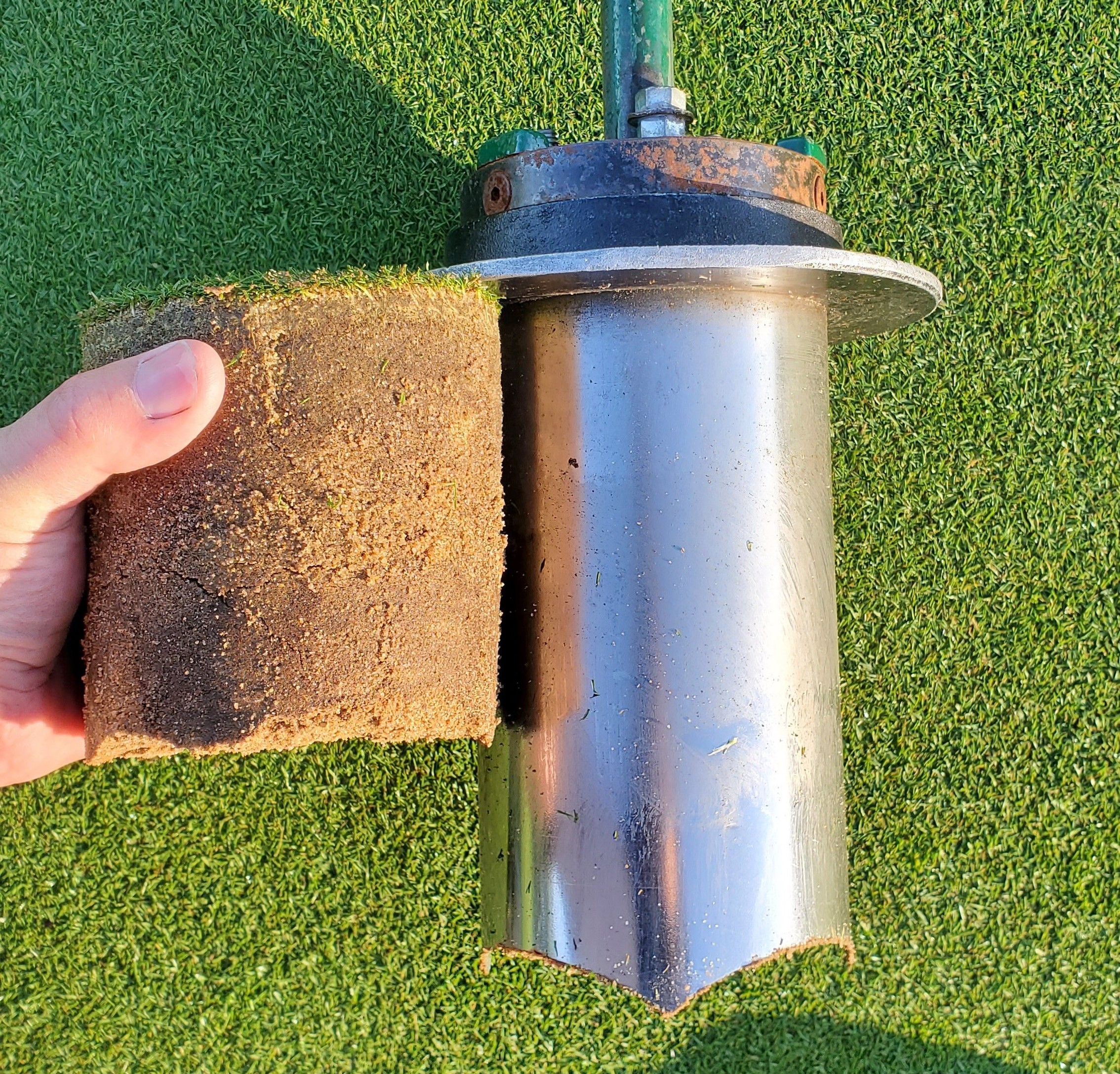
Speaking of wetting agents, localized dry spot is much easier to prevent than cure. Getting a
jump on regular wetting agent applications will promote even soil moisture distribution
through the growing season and aid the prevention of localized dry spot
development.
Reach Out to Your Local Harrell’s Rep
If you have any questions on any of the products or topics
mentioned, reach out to your local Harrell's Representative. We’re here to help you have a successful early
and ongoing growing season.
Related Resources

In addition to being the nation’s largest distributor of branded fungicides, herbicides, and insecticides, Harrell’s produces custom-blended fertilizers, specialty liquids, and wetting agents. Additionally, Harrell’s is the exclusive US owner, formulator, and distributor of all POLYON® branded products.
TEAM HARRELL'S
STAY EQUIPPED
Never stop learning. Access FREE continuing education courses from Harrell’s.
LET'S GROW
PRESS RELEASES
PRESS RELEASES
STAY EQUIPPED
Never stop learning. Access FREE continuing education courses from Harrell’s.
LET'S GROW