

The Cold Shoulder
3/15/2021 - By Mike Hess
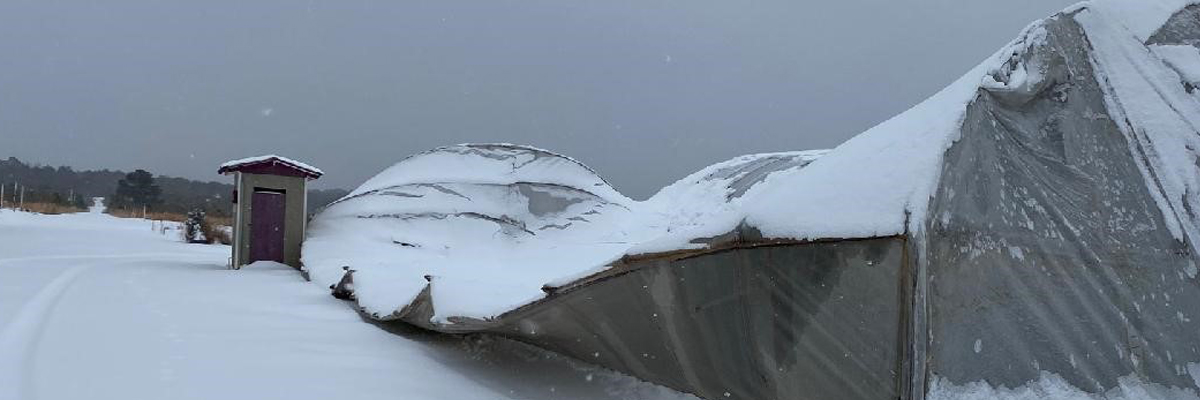
If you’re anything like me, when you heard about the crazy winter storms which swept through Texas a few weeks ago, you were pretty shocked. Not only is a winter storm happening in that region surprising, but due to how unprecedented it is, the people were not ready for it. Texas rarely sees more than a light dusting of snow every year and the temperatures only drop down low enough to sustain it. This being said, the state does not have the equipment you might see up north to handle 8 inches of snow and ice in one afternoon. Especially coming off the back of the recent hurricanes, where communities are still trying to rebuild.
I had the opportunity to speak with Solomon Aydani, Harrell’s Horticulture Territory Manager and Texas resident, who experienced the storms (and their repercussions) firsthand. When asked about the storms, Solomon said, “I’m in east Texas and we had a white out a few weeks ago. People were without electricity for a long time, people were without water, and you know we’re not ready for this kind of thing. They don’t even build the houses with that kind of cold in mind. It got down to like -3 where I’m at!”
The residential side of Texas took a major hit from the storm. Aside from the usual problems of icy roads, freezing winds, and white out conditions, residents also experienced major blackouts and various problems accessing fresh water.
Throughout our conversation, Solomon mentioned how the cold caused pipes to burst all over town, generating problems with water treatment plants which, are still being resolved weeks later. He talked about how after the wind turbines froze, which provide Texas with a portion of their electricity, the state had to begin rolling power blackouts. They could only have power on in certain portions of the state at a time, due to the grid being near failing. “Yeah, they said we were really close to having a month long of rolling blackouts, luckily it didn’t come down to that, they were able to shut down. That’s why so many of us were without power for as long as we were, because they had to just shut it off and only keep up what was absolutely necessary.” For those who do not have gas lines to their homes, this caused an obvious heating problem.
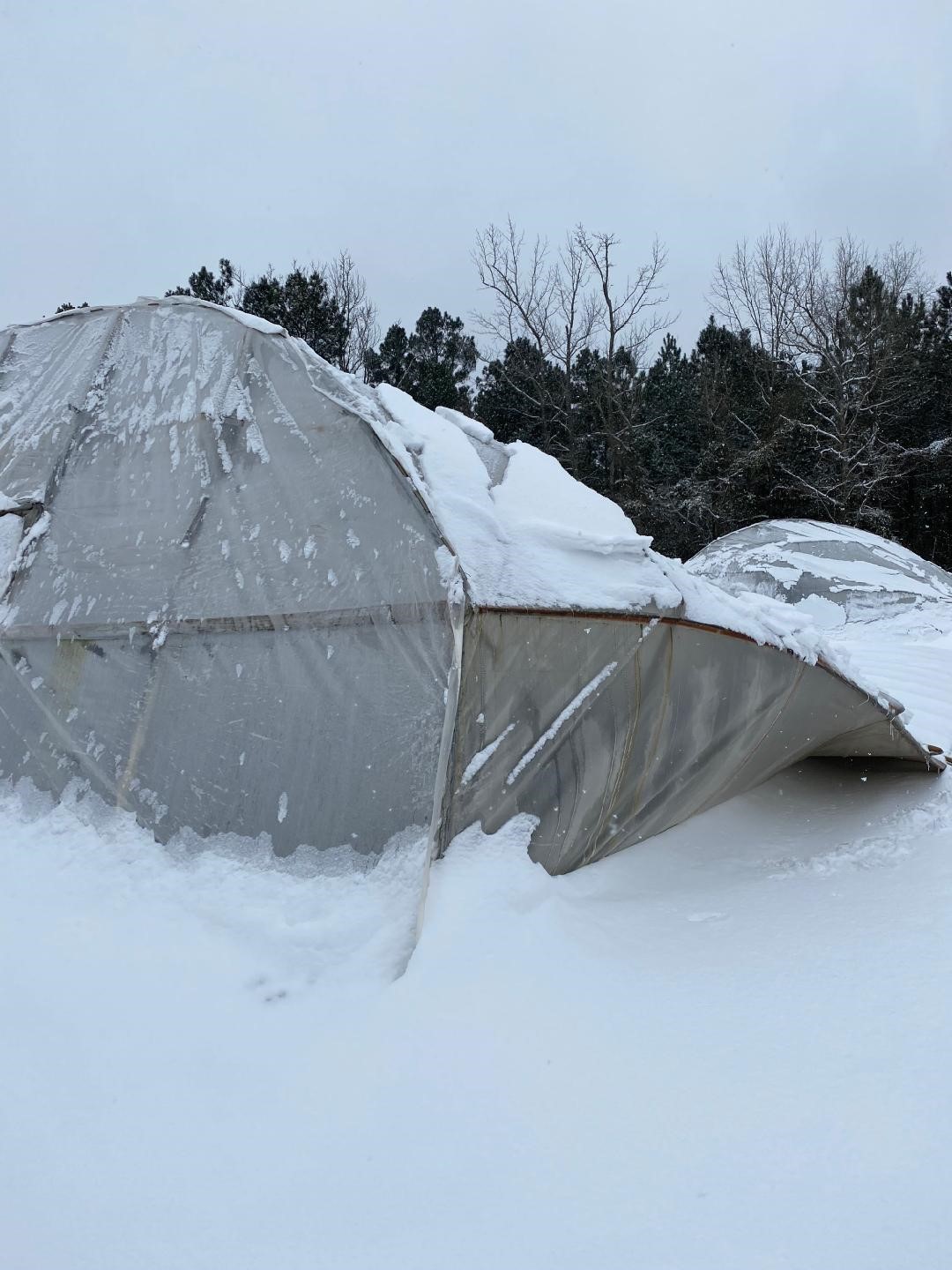
Not only were the residents unprepared for this type of cold, but neither was the environment. Many crops were burned by the cold, if not completely lost, which has left a lingering question of inventory on Solomon and many growers’ minds. “They’re just going to have to make up those losses on the crops that they do have, which might involve a price change, so that they can still come out of their year with more or less what they had hoped for. In a normal year we sell 85-70% of them and now, you just hope to sell through 100% of everything that is alive and of quality to sell. You can’t just turn the factory back on and produce more widgets.”
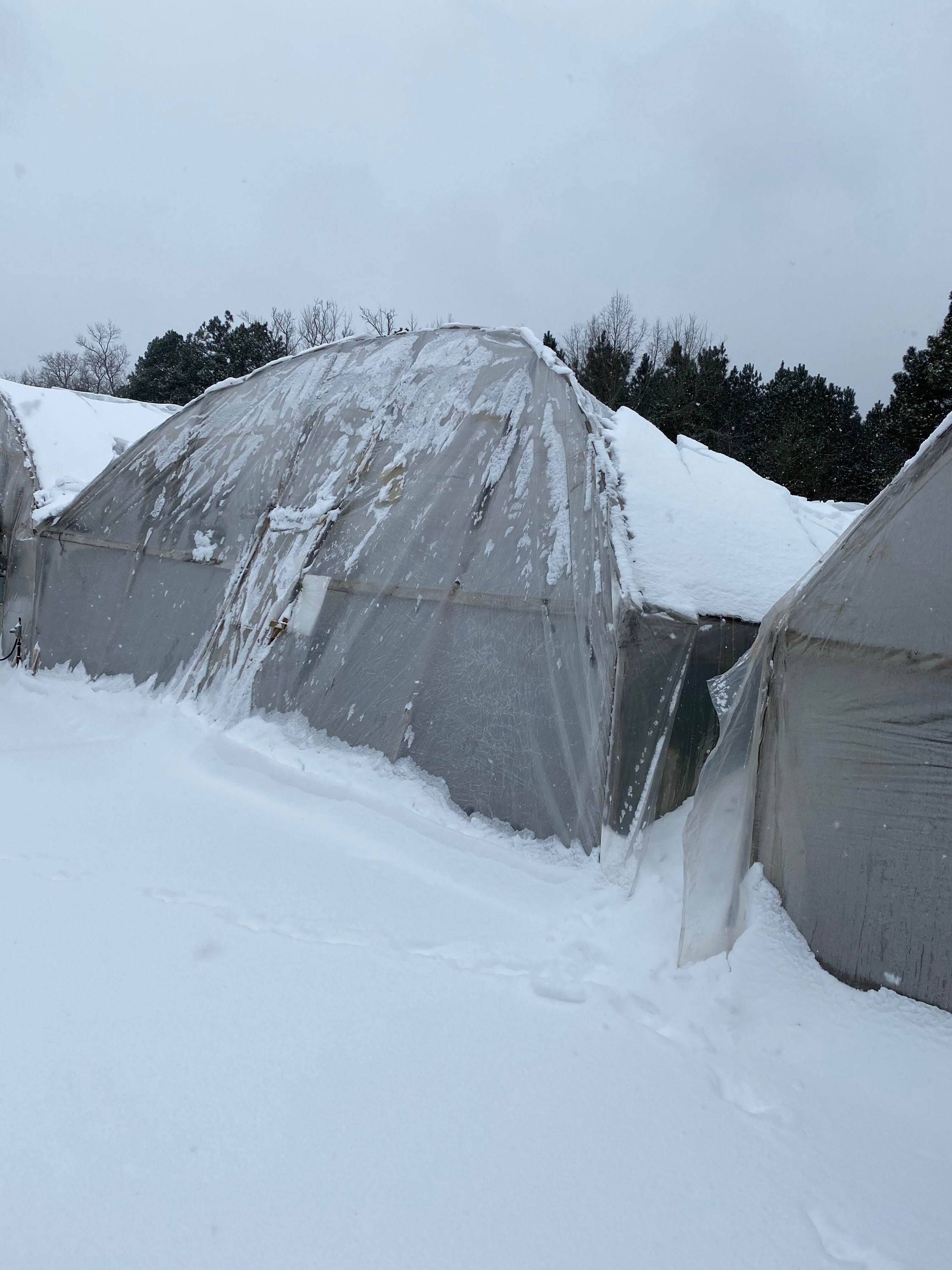
Due to the sheer weight of the ice and snow buildup, many growers saw greenhouses collapse and crush their product inside. Some of these greenhouses were very old, having been built without an event such as this in mind. It just goes to show how unprecedented this kind of winter storm is for the area. I asked Solomon about the future, how he believes the industry can better prepare themselves for the potential of another winter storm happening. He said, “I think it’s going to be an individual type response for each one, to button up their facility, and preparing for the future is going to be different for each one depending on the status of their structures and their age.” He went on to say, “They’re just going to have to be more diligent next time and have more clothing so they can get out in that weather. What they have to do in these types of situations is get out and just beat the snow off the top of the houses. Make sure their heaters are working, and make sure they have generators to operate the heating systems. If they have electronic switches or whatnot, making sure they’ve got backup electricity.”
Overall, Solomon has high hopes for the industry’s comeback from these events. “It’s still early post big freeze, but you know as farmers and people serving farmers, just in our experience you have to be optimistic. Always.” The weather may be uncontrollable, but for all of the negatives there are positives, and as we have recently seen in Texas, the best way to get through these challenges, is together.
Related Resources

In addition to being the nation’s largest distributor of branded fungicides, herbicides, and insecticides, Harrell’s produces custom-blended fertilizers, specialty liquids, and wetting agents. Additionally, Harrell’s is the exclusive US owner, formulator, and distributor of all POLYON® branded products.
TEAM HARRELL'S
STAY EQUIPPED
Never stop learning. Access FREE continuing education courses from Harrell’s.
LET'S GROW
PRESS RELEASES
PRESS RELEASES
STAY EQUIPPED
Never stop learning. Access FREE continuing education courses from Harrell’s.
LET'S GROW