

Soil Testing for Ornamentals - Why and When?
1/2/2025 - By Dr. Aaron Palmateer
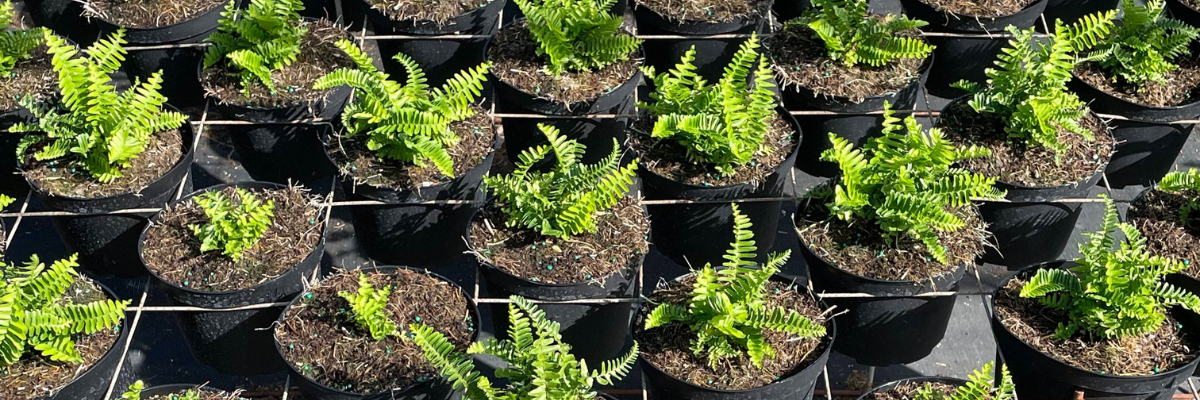
Soil is commonly referred to as earth as it is a mixture of organic matter, minerals, gases, liquids, and organisms that together support plant life. Dirt, on the other hand, is a 4-letter “bad word” and should only refer to soil that is out of place. When it comes to testing soil for ornamental plants it is much different and often more complicated than testing soil for big agricultural crops such as corn, wheat, and soybeans.
What Makes Hort Soil Testing Different?
Plant diversity and growing locations (i.e., landscapes, greenhouses, containerized production, field production, etc.) are two of the biggest factors that must be considered when taking soil samples, along with the fact that plant production in containers is growing in soilless media often consisting of mixtures of peat, coir, bark, and wood fiber. We refer to soilless media as substrate as it is not conventional soil.
Plant nutrition is very important, and some nutrient deficiencies can even lead to a premature death, for example, boron deficiency and toxicity are some of the leading factors in the untimely death of palm trees. You can read more about plant nutrient deficiencies in this blog article. Testing soil and substrates is crucial for producing healthy and high-quality ornamental plants.
Why Soil Testing is Important
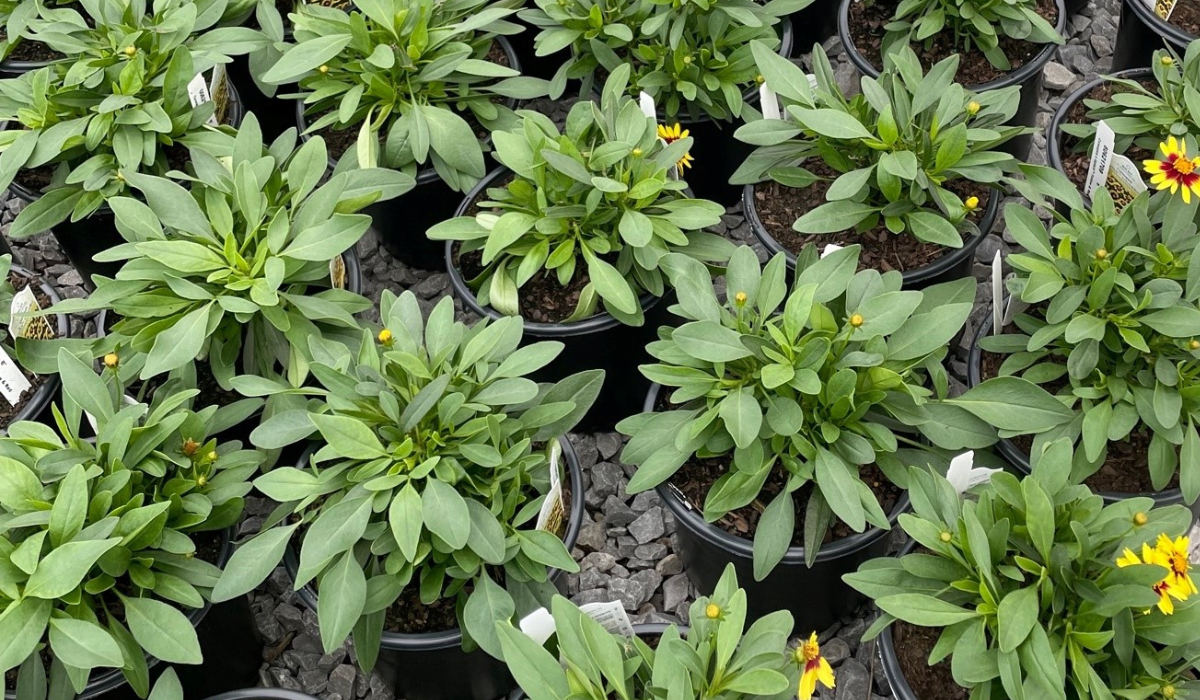
Most often testing is done to identify if there is a nutrient deficiency or toxicity for plant diagnostics as nutritional disorders can be mistaken for plant disease. Components of a general test typically include nutrient concentrations (excluding N), pH, and EC (electrical conductivity). Although not as common, it can be beneficial as well to test for CEC (cation exchange capacity) in field soils, which can impact nutrient status.
pH in Soil Testing
Determining pH level is particularly important as pH influences nutrient availability, and testing the soil determines if growing conditions are too acidic or alkaline. For example, some hollies are tolerant to pH and can thrive in a wide range (i.e., 5 – 8) whereas acid-loving ericaceous plants (rhododendrons, azaleas, blueberries) are more sensitive to pH range and do not thrive in a pH > 6.5.
Electrical Conductivity in Soil Testing
EC or electrical conductivity can be a good indicator of overall substrate nutrient status as it detects the level or amount of nutrients, but it does not identify or specify what nutrients are present. An inadequate EC (high or low) often implies improper fertilization.
Cation Exchange Capacity in Soil Testing
CEC or cation exchange capacity is a soil’s ability to hold on to plant essential positively charged ions such as calcium, magnesium, and potassium so that they remain readily available in the root zone and not leached out in irrigation water.
Percent Organic Matter in Soil Testing
Percent organic matter in soils is another important aspect and is a measure of the components that consist of living material or dead decomposing material. The decomposition of living material (plants, animals, and microorganisms) increases organic matter, which increases water retention and nutrient availability for plants and provides good aeration and soil structure.
Timing of Soil Testing
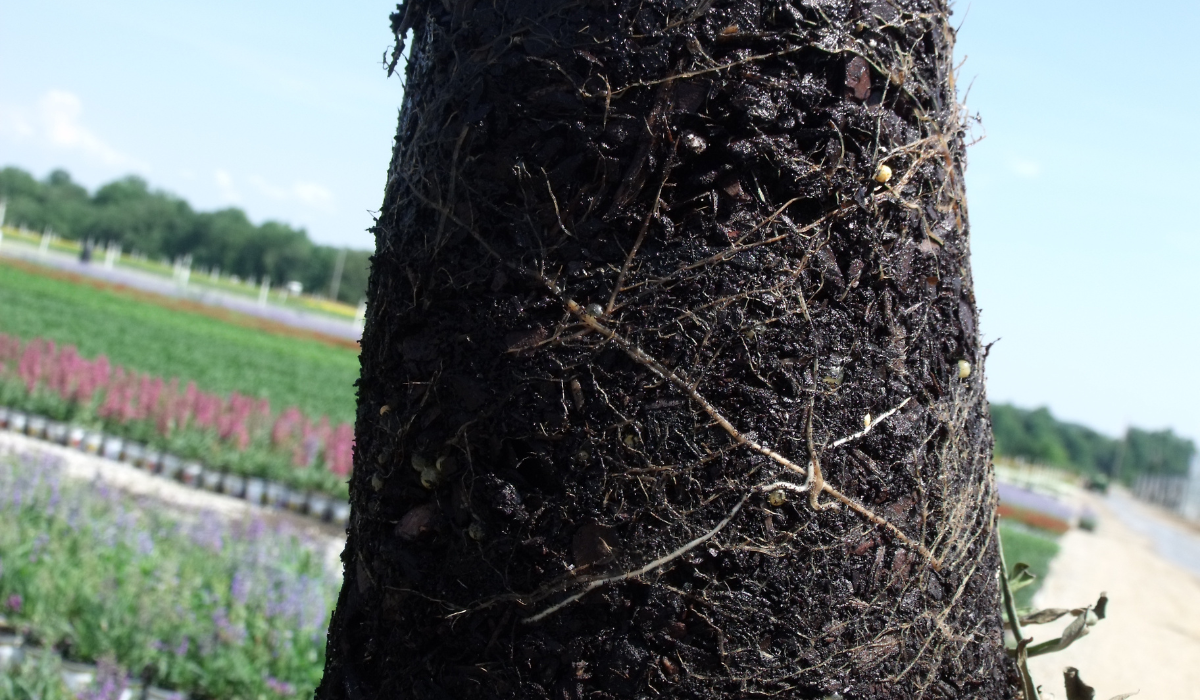
Soil for field-grown crops and landscapes should be tested before planting or transplanting so that management recommendations can be made early and appropriately. Containerized production in soilless media can and should be done periodically, but it depends on the plant species. For example, soil tests for woody ornamentals may be taken quarterly versus faster growing annual bedding plants or a crop of poinsettia will be monitored much more closely and evaluated more frequently.
Please note that testing water quality is equally as important as testing soil and soilless substrate. One of the first things to consider is the availability of quality irrigation water, making irrigation suitability one of the first steps before venturing into commercial horticulture.
Reach out to Your Harrell’s Reps for More Info on Soil Testing
If you have any other questions about the information mentioned in this article, or on where and when you should perform soil tests, your Harrell's Rep is here for you. Connect with them today for all the information you need, product recommendations, and programs that will work for your plants.
Related Resources

In addition to being the nation’s largest distributor of branded fungicides, herbicides, and insecticides, Harrell’s produces custom-blended fertilizers, specialty liquids, and wetting agents. Additionally, Harrell’s is the exclusive US owner, formulator, and distributor of all POLYON® branded products.
TEAM HARRELL'S
STAY EQUIPPED
Never stop learning. Access FREE continuing education courses from Harrell’s.
LET'S GROW
PRESS RELEASES
PRESS RELEASES
STAY EQUIPPED
Never stop learning. Access FREE continuing education courses from Harrell’s.
LET'S GROW