

Soil Testing for Crop Productivity
1/26/2024 - By Dr. Tom Reed
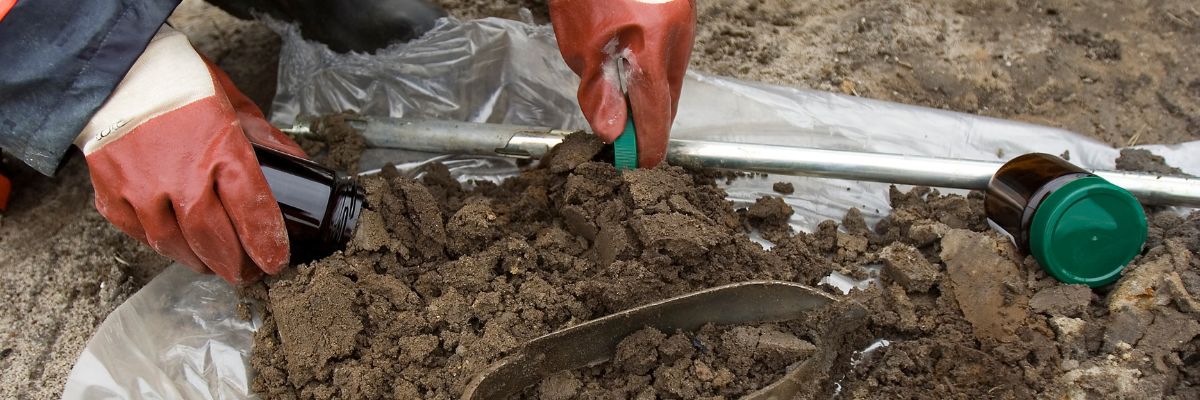
Soil testing is important in determining proper fertilizer applications to balance
the nutrient availability in the soil, and the nutrient requirements of the
crop to achieve production goals. A routine sampling and analysis program can
be utilized for a precise fertilization program that
optimizes plant health and minimizes environmental effects. Current pH levels of soil, nutrient fertility levels, and
the amount of fertilizer the crop needs are items that can be determined by soil testing.
Soil Testing Enhances Crop Productivity
Soil testing can indicate
where the soil needs treatment or improvement, however, a soil test is not a
substitute for proper cultural practices and good management. Soil testing
before planting lets you know the nutrient availability in the soil. By identifying nutrient deficiencies or excesses in the
soil, farmers can tailor their fertilizer application to meet the specific
needs of the crops. This not only enhances crop health and yield but also
prevents over-fertilization, reducing environmental impact and minimizing costs
for the farmer.
Soil Sampling Best Practices
Standard procedures for sampling,
preparing, and analyzing soil should be followed for meaningful interpretations
of the test results and accurate recommendations. Consistency
is key, so standardizing your collection process is essential for useful soil
sampling.
How to Take Soil Samples of Your Growing Space
·
For
proper soil sampling, divide your farm into fields or areas for sampling.
·
If
you have areas with different crops, soil, lime type, or fertilizer histories,
take a sample from each area. Keep the samples separated.
·
Be
sure that you collect samples that provide a
general example of the field.
·
Space
out your collection sites throughout the area so the sampling will be
characteristic of the entire area.
·
Do
not sample areas that are too small to be fertilized or limed separately.
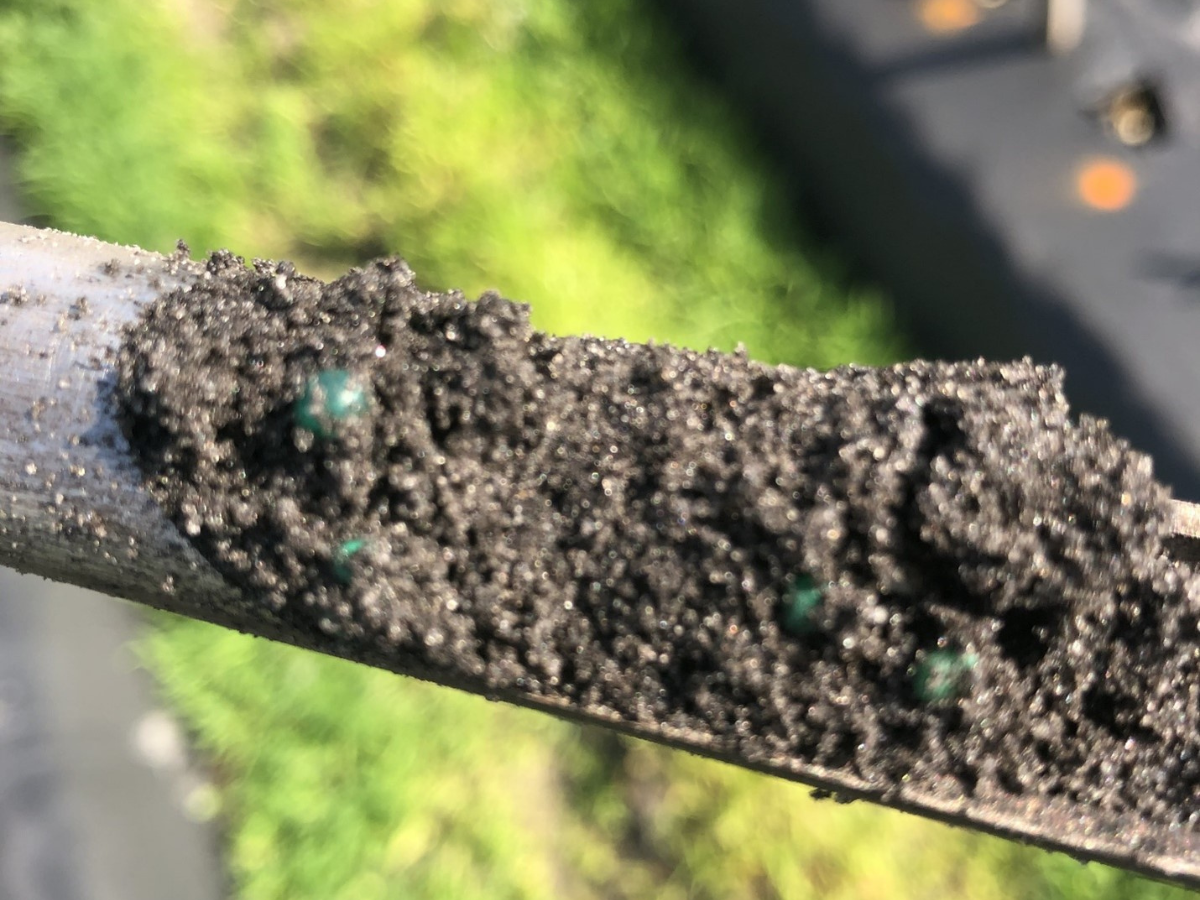
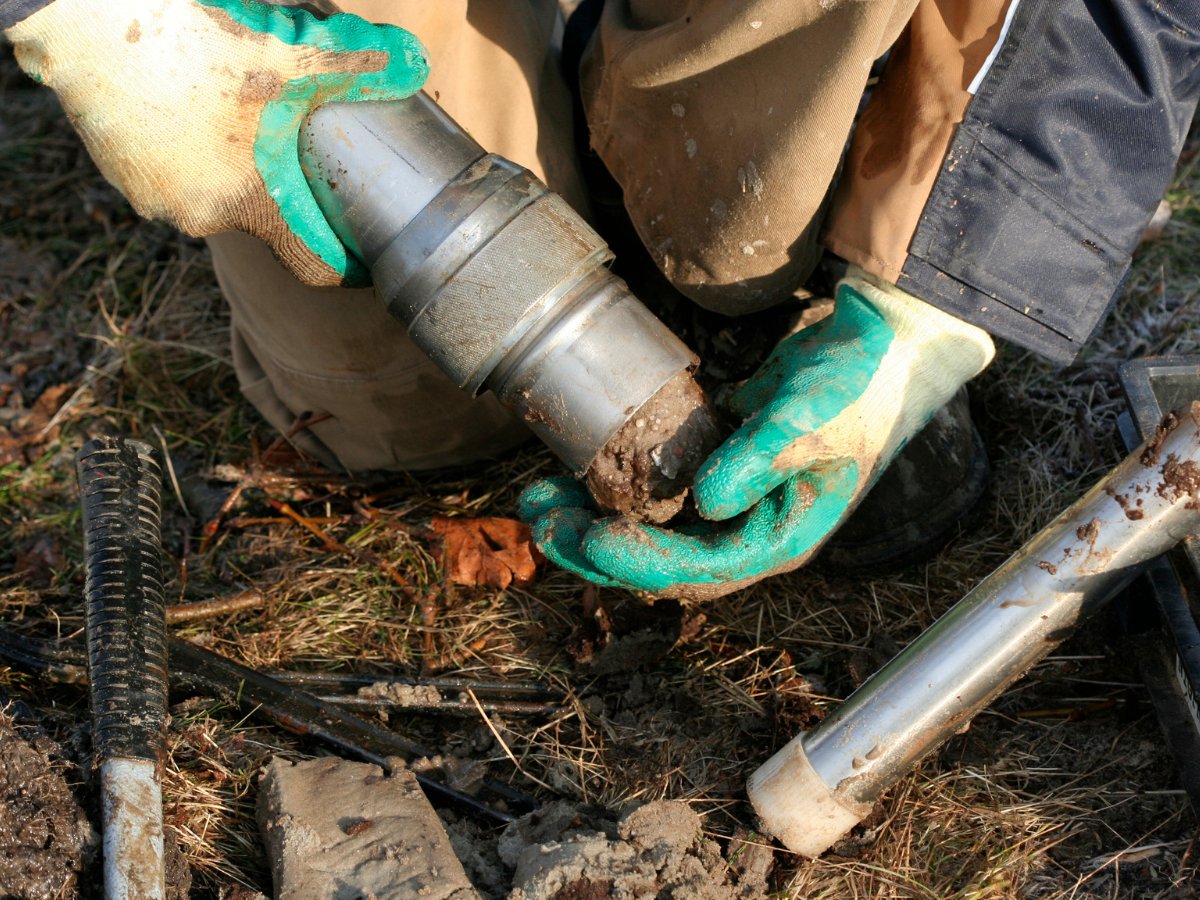
Use a proper sampling tool, such as a
sampling probe and if necessary, use a shovel or trowel. Obtain a sample at a
depth and width representative of a soil probe, around 6 inches deep core of
soil from at least fifteen spots in each field or area to be tested. Your depth
of sampling may vary depending on crop and production systems but try to be
consistent with each field/growing space.
Mix the cores from one field or area
together with uniformity as the goal, so they are well combined. Put
approximately a pint of the mixed soil in a sample bag, make a record of field
sampling and samples, and air dry before analysis. You may freeze samples before
analysis if nitrogen forms will be analyzed to prevent loss of ammonia.
Soil Analysis and Interpretation
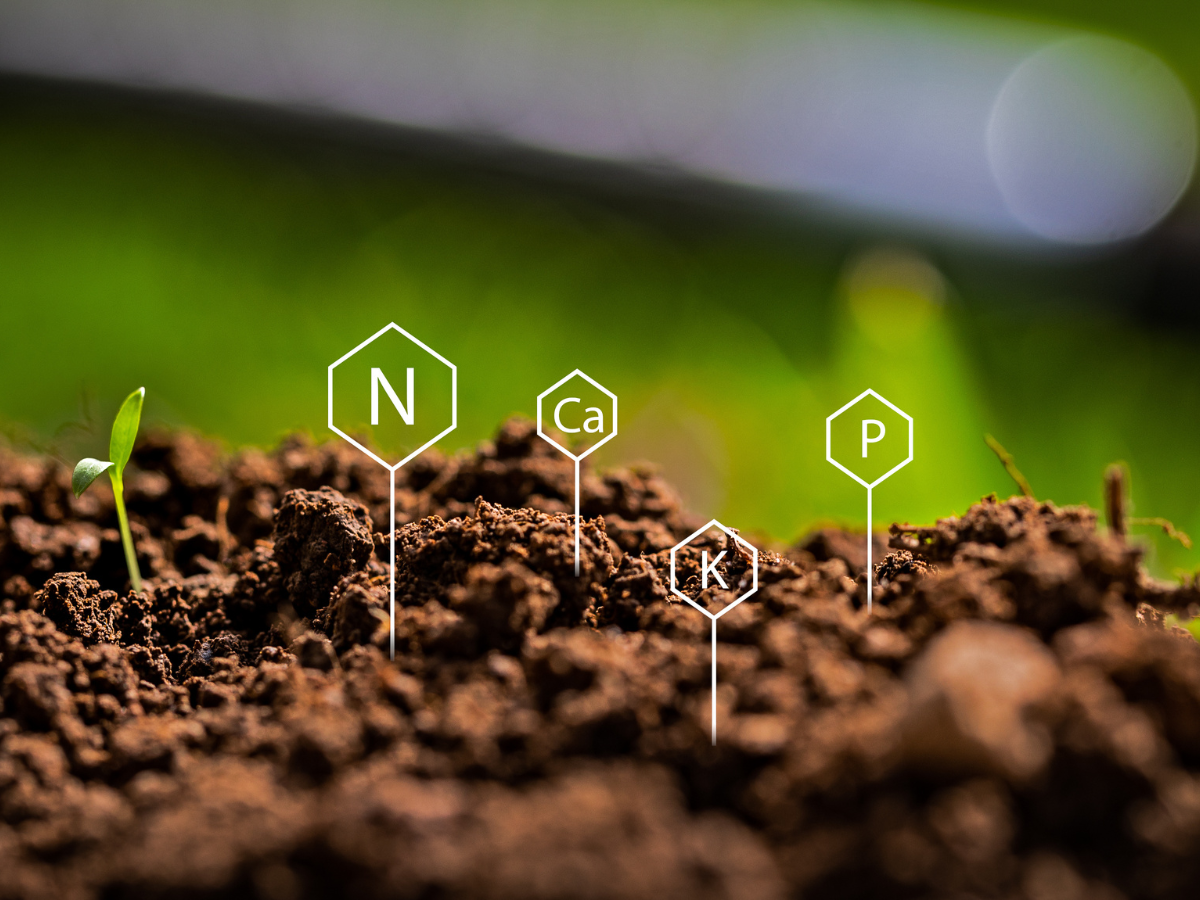
Once you’ve collected your samples, send
them in for analysis. The basic soil analysis package run by most agricultural
laboratories includes soil pH and
extractable P, K, Ca, Mg, and micronutrients. Extractable nutrients are
measured, and the magnitude of soil-test values may
differ between different laboratories, consistency is important when it comes
to the soil-testing lab. Variability in results between labs can be attributed
to several factors, including differences in technique or extraction solution.
The soil test extraction solution also influences
your results, and there are extraction solutions that are more appropriate for certain soil conditions. Melich-3 tends
to be the default extraction solution for many soil testing laboratories due to
its ability to provide consistent results in plant availability across the
widest range of soil and environmental conditions. It may be possible to request
a specific extraction solution on the soil test submission worksheet and you
can always consult your local Harrell’s Rep for assistance.
The laboratory interprets each soil test
result and may also provide fertilizer recommendations
accordingly. Growers can independently interpret the numerical results
according to regional sources, for example, in Florida,
that would be the University of Florida Institute of Food and Agricultural Sciences
guidelines based on the extractant used and crop. Do not follow interpretations
from other sources and regions as methods vary depending on your region. An
extension agent, crop advisor, or Your Harrell's Rep can
help interpret recommendations and determine the
best course of action.
The interpretation of soil sample results
should be used to make management decisions about soil pH adjustments or
fertilizer applications. These recommendations on lime and fertilizer
applications will be tailored to the crop type you specified, making it easy to
prepare your site for planting. If the soil is lacking essential
nutrients, fertilizer application is needed to meet crop requirements, and your Harrell's Rep can help you find your perfect
fertilizer formulation. If there is an excess of certain nutrients, you can
avoid applying unnecessary fertilizer, which is an added cost that could also impact the environment. Soil testing is a way to avoid
both problems.
Application programs may change from season to season even with the same crop and field. Annual soil testing is an excellent way to understand the effects of a fertility program on soil characteristics and nutrient reserves, allowing you to select the best application program for your soil season after season.
Soil Testing Enhances Efficiency
Soil
testing involves a comprehensive analysis of soil samples to assess various
parameters such as nutrient content, pH levels, organic matter, and texture.
This information provides farmers with valuable insights into the soil's
fertility and aids in making informed decisions about crop selection, fertilization, and overall farm management.
Understanding the composition and health of the soil is fundamental to optimizing crop yield, promoting environmental
sustainability, and ensuring long-term agricultural productivity.
Efficient
use of resources, as facilitated by soil testing,
aligns with the principles of sustainable agriculture. This
not only improves the efficiency of resource use but also contributes to cost
savings for farmers. In fact, Harrell’s has partnered up with The Nature Conservancy and The Fertilizer Institute to
endorse the 4R
Nutrient Stewardship Program.
With roots
in agriculture, but applicability to all growing markets, 4R Nutrient
Stewardship is an innovative and science-based approach that offers enhanced
environmental protection, increased crop production and quality, increased
grower profitability, and improved soil productivity and sustainability. The
concept is to use the right nutrient source, at the right rate, at the right
time, and in the right place to support the nutrient needs of plants. But this
all starts with proper soil testing.
Contact your Harrell's Rep to find out more about soil sampling for
your crops’ success!
Related Resources

In addition to being the nation’s largest distributor of branded fungicides, herbicides, and insecticides, Harrell’s produces custom-blended fertilizers, specialty liquids, and wetting agents. Additionally, Harrell’s is the exclusive US owner, formulator, and distributor of all POLYON® branded products.
TEAM HARRELL'S
STAY EQUIPPED
Never stop learning. Access FREE continuing education courses from Harrell’s.
LET'S GROW
PRESS RELEASES
PRESS RELEASES
STAY EQUIPPED
Never stop learning. Access FREE continuing education courses from Harrell’s.
LET'S GROW