

Shade Tolerance on Lawns Using Harrell'sMAX® Stress Relefe
10/3/2023 - By Dr. Raymond Snyder
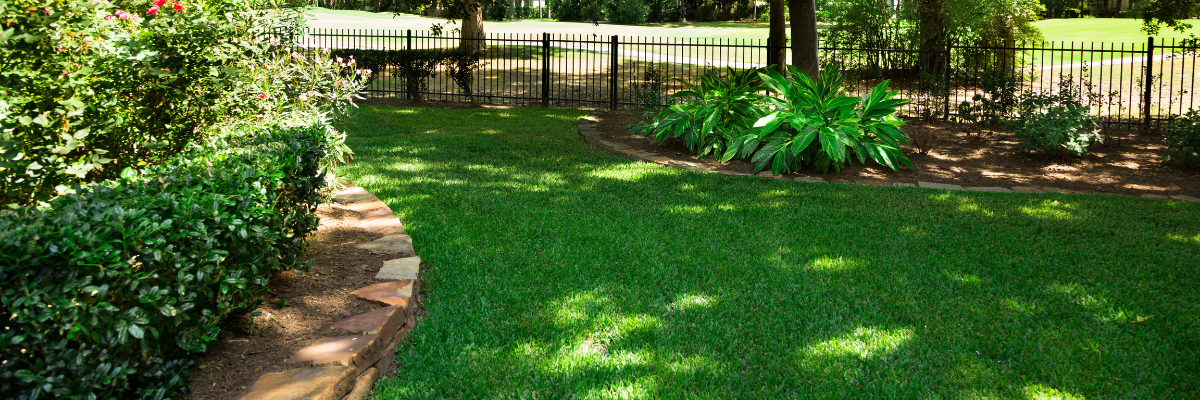
The beginning of Autumn signals a changing of the seasons and is a
nice break from Summer’s hot temperatures. This change of season also results
in a noticeable loss of day length due to the sun’s movement from the northern to
southern hemisphere, which may also result in undesirable shade patterns
significantly impacting the ability of turfgrass to function properly. This
causes decreased health, density, and vigor in grass stands.
Working With the Shade Instead of Against It
Since turfgrass managers cannot change the seasonal position of
the sun, at times, there are challenges associated with shade imparted by trees
and structures. Innovative ways of improving turfgrass photosynthetic
capability are critical to ensure optimum plant health. A novel mechanism might
be to supplement natural photosynthesis from sunlight with artificial
photosynthesis powered by acetate in the form of potassium (K) acetate. Some
evidence exists suggesting that exogenous applications of acetate in low light
conditions can be a source of carbon and energy for plants (A hybrid inorganic–biological artificial photosynthesis system for energy-efficient food production | Nature Food). Our Harrell'sMAX® product Stress Relefe, 0-0-25, is a great source of potassium acetate to supplement your lawn and is the product used throughout this article and the trials below.
A growth chamber study was conducted at Virginia Tech University under the direction of Dr. Xunzhong Zhang to
explore the potential value of Stress Relefe applications to
creeping bentgrass growing under shade cloth. The shade cloth only allowed 70%
photosynthetic active radiation to reach the canopy, creating an environment
very similar to what your lawn might receive.
Below, you will find the results of his research.
Stress Relefe Treatments (applied
biweekly)
1.
Fertilized control biweekly (0.10 lb N/1000 ft2 from fertilizer
28-8-18 biweekly)
2. Stress Relefe 3 fl oz/1000 ft2/week + fertilized control biweekly
3. Stress Relefe 3 fl oz/1000 ft2/biweekly + fertilized control
4. Stress Relefe 6 fl oz/1000 ft2/biweekly + fertilized control
The
rate of N fertilization (from 28-8-18) for treatments 2, 3, and 4 was the same
as treatment 1 (fertilized control) so all four treatments received identical N
input.
Preliminary Results
Turf quality
Foliar application of Stress Relefe at 3 and 6 fl
oz/1000 ft2 biweekly improved turf quality relative to the control
as measured on Day 14 and Day 28, and all three Stress Relefe rates
improved turf quality relative to the control as measured at Day 42 and 56
(Table 1, Photo 1). The best turf quality was achieved when Stress Relefe was applied at 3 fl oz/1000 ft2 biweekly as measured at the end of
the trial.
Root biomass
Foliar application of Stress Relefe at 3 fl
oz/1000 ft2 weekly or biweekly and 6 fl oz/1000 ft2
biweekly improved root biomass relative to the control. The greatest root biomass
was found in the grass treated with Stress Relefe at 3 fl oz/1000 ft2
biweekly (Table 2, photo 2).
|
Table 1. Turf quality
response to Stress Relefe application in creeping bentgrass |
|||||||||
|
under shade stress. |
|||||||||
|
Treatment |
Rate |
11-Apr |
25-Apr |
9-May |
23-May |
6-Jun |
|||
|
(fl oz/1000 ft2) |
0 |
14 |
28 |
42 |
56 |
||||
|
Control |
0 |
8.0a |
7.9c |
7.9c |
7.6b |
7.0c |
|||
|
Stress Relefe |
3/7d |
8.0a |
8.1bc |
8.1bc |
7.9a |
7.2b |
|||
|
Stress Relefe |
3/14d |
8.0a |
8.2ab |
8.3ab |
7.9a |
7.3a |
|||
|
Stress Relefe |
6/14d |
8.0a |
8.3a |
8.4a |
7.7ab |
7.2b |
|||
|
Means followed by the same
letters with the same column are not significantly different at P= 0.05. |
|||||||||
|
Table 2. Root growth
response to Stress Relefe application in creeping bentgrass under shade
stress. |
|||||||||
|
Treatment |
Rate |
Root wt. |
|
||||||
|
(fl oz/1000 ft2) |
(g/pot) |
|
|||||||
|
Control |
0 |
1.00c |
|
||||||
|
Stress Relefe |
3/7d |
1.32ab |
|
||||||
|
Stress Relefe |
3/14d |
1.49a |
|
||||||
|
Stress Relefe |
6/14d |
1.28b |
|
||||||
|
Means followed by the same
letters are not different at P=0.05. |
|
||||||||
|
|||||||||
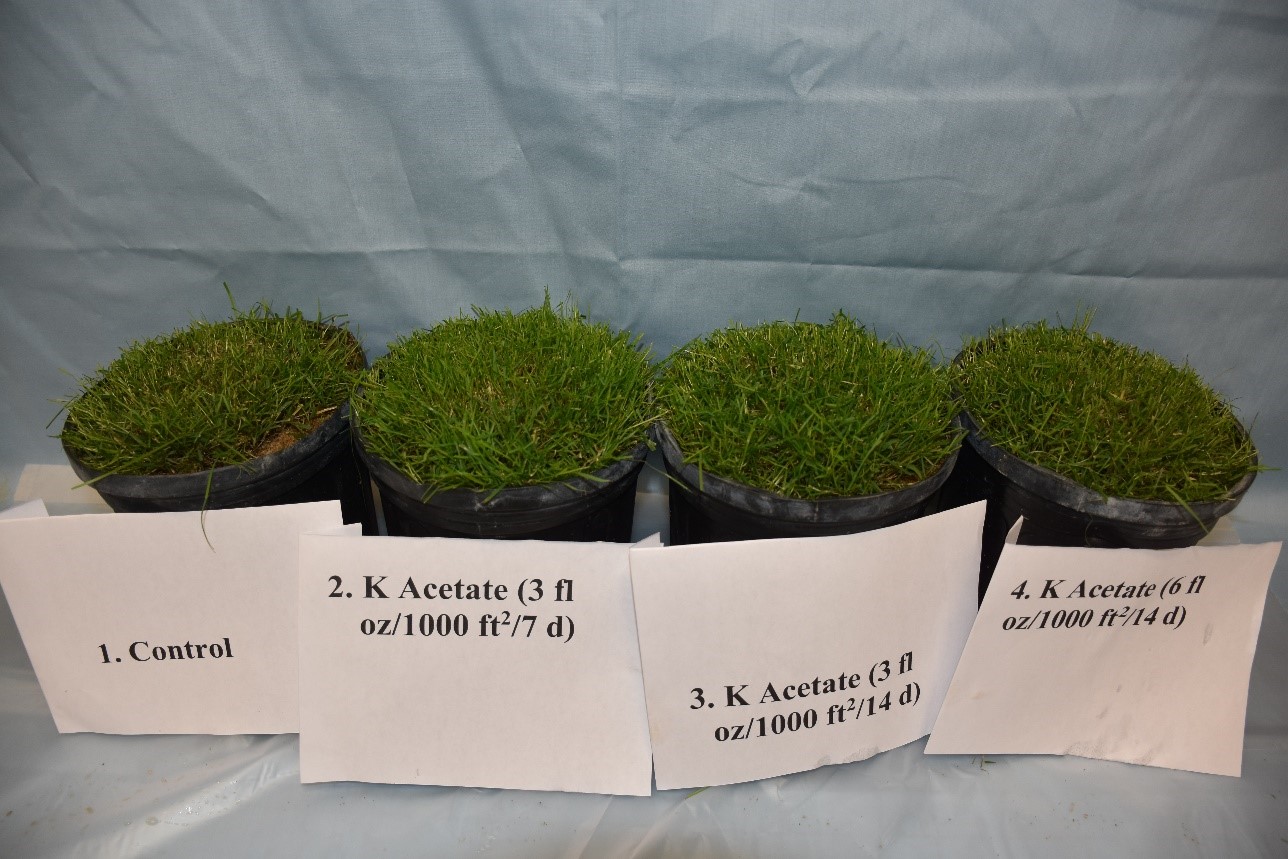
Photo 1. Turf quality response to Stress Relefe application as measured at
The end of the trial (day 56).
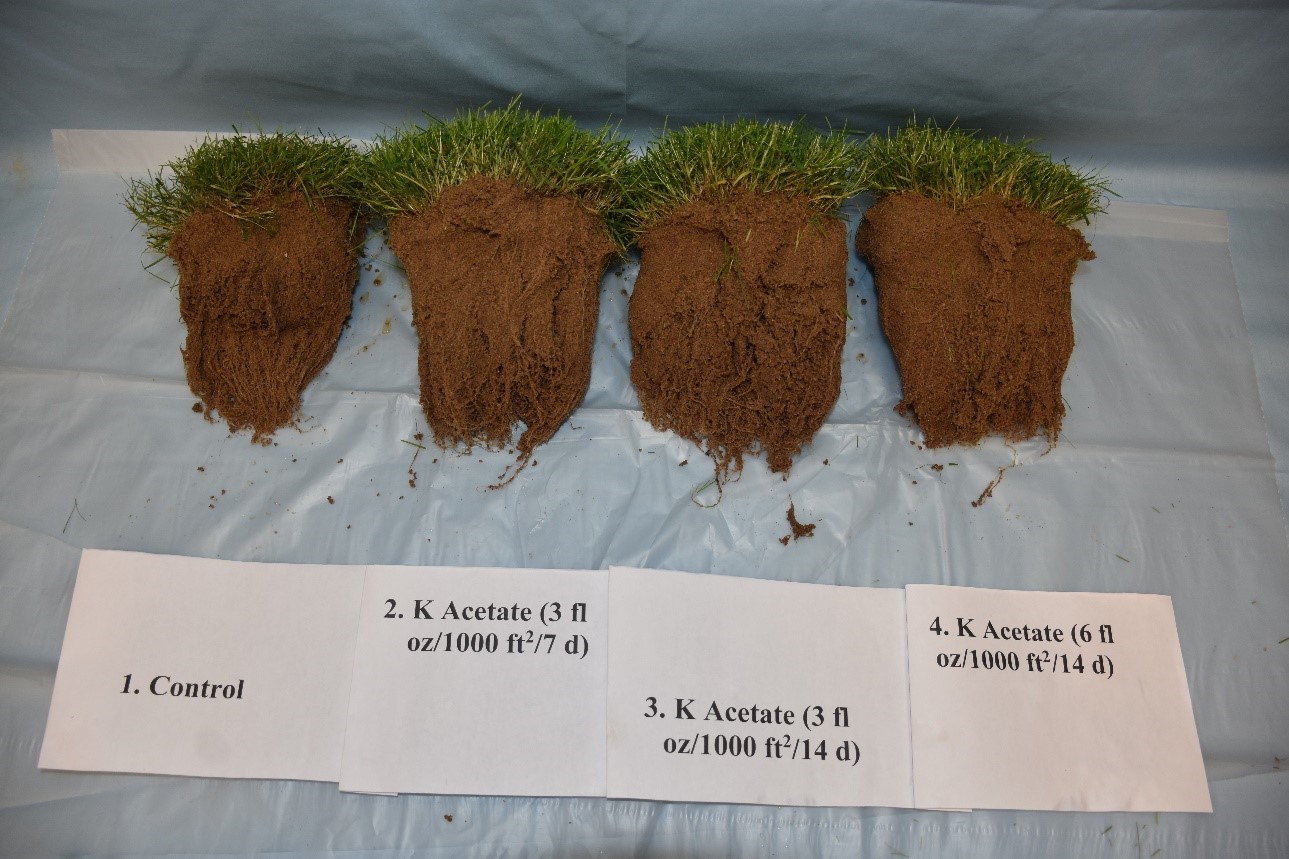
Photo 2. Root growth response to Stress Relefe application was measured at the end of the trial (day 56).
I’d like to acknowledge Daniel Stover for his significant contribution to the initiation of this study. By sharing his observations associated with the positive effects of potassium acetate applications on his turfgrass impacted by shade, he helped us a great deal to develop our findings.
Most recent update: Dr. Zhang's most recent update shows that Stress Relefe increased photochemical efficiency, leaf chlorophyll content, and leaf protein content. This information adds support as to why Stress Relefe improved turf quality and root biomass, while overall functioning better in the treatments.
For more lawn maintenance, control strategies, or questions on Harrell'sMAX® Stress Relefe, 0-0-25, reach out to your local Harrell's rep. And if it's time to hit the "reset button" on your lawn, check out this article from Harrell's Director of Agronomy Dr. Paul Giordano.
Related Resources

In addition to being the nation’s largest distributor of branded fungicides, herbicides, and insecticides, Harrell’s produces custom-blended fertilizers, specialty liquids, and wetting agents. Additionally, Harrell’s is the exclusive US owner, formulator, and distributor of all POLYON® branded products.
TEAM HARRELL'S
STAY EQUIPPED
Never stop learning. Access FREE continuing education courses from Harrell’s.
LET'S GROW
PRESS RELEASES
PRESS RELEASES
STAY EQUIPPED
Never stop learning. Access FREE continuing education courses from Harrell’s.
LET'S GROW