

The Role of Proteins and Amino Acids in Plant Physiology
7/8/2020 - By Dr. Raymond Snyder
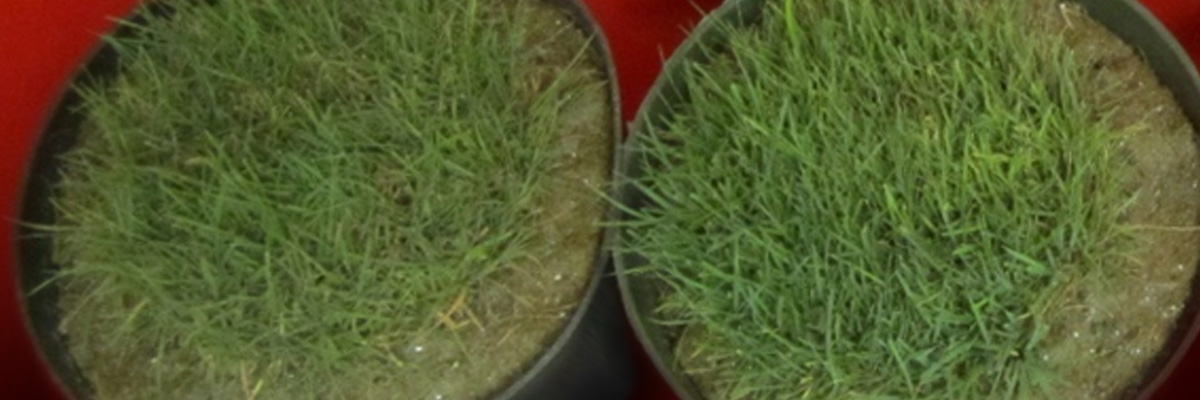
The primary role of proteins in plant metabolism is to serve as enzymes that help catalyze biochemical reactions in plants. Proteins are inherently comprised of long-chained amino acids. These amino acid chains, which are linked by amide bonds also known as peptide bonds, have several chemical and physical properties that impart specific interactions with other plant physiological constituents. Amino acid enzymes are said to be “agents of life,” as they control almost all life processes.
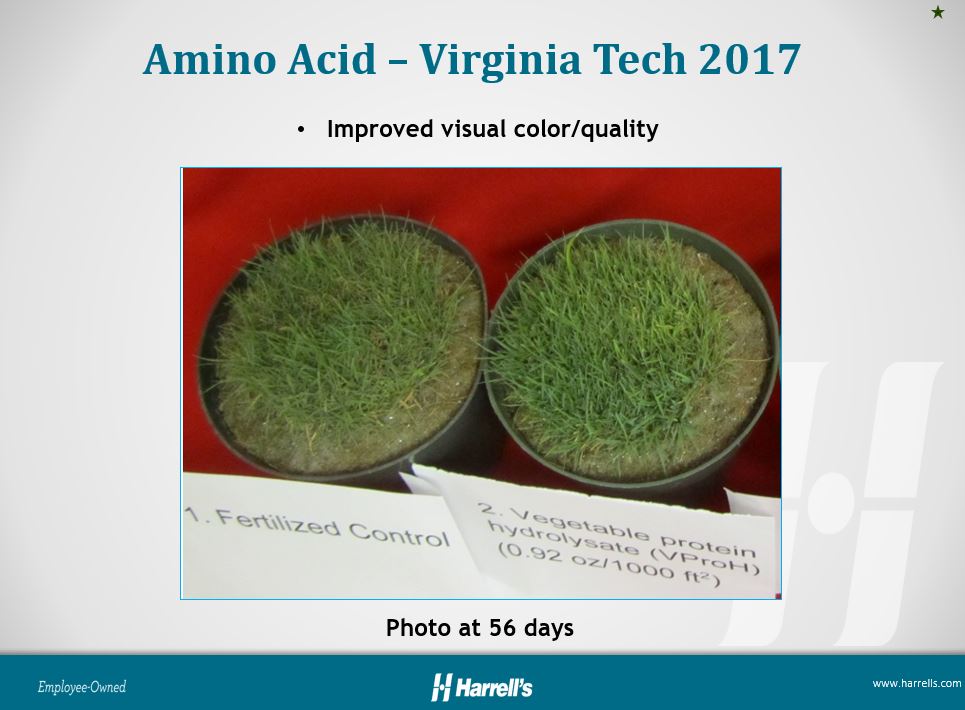
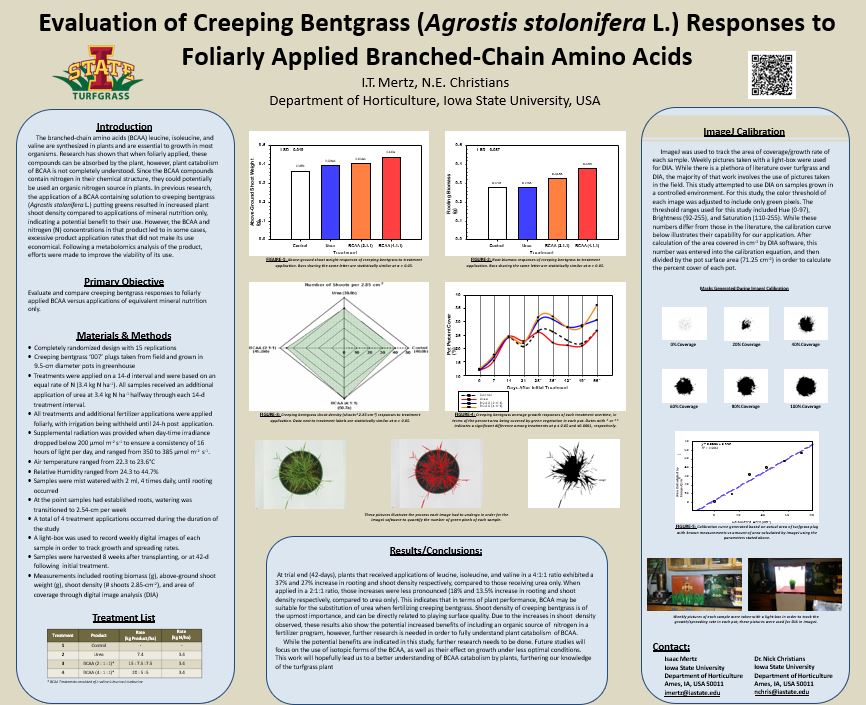
Our industry is beginning to study and learn more about the effects of exogenous applications of amino acids on turfgrass. A recent study at Iowa State University investigated the effect of foliar-applied amino acids on creeping bentgrass. The authors noted that previous work had demonstrated that amino acids can be absorbed by plants, and their objective was to evaluate the effect of amino acid applications relative to traditional mineral nutrition. This study demonstrated that amino acid applications can improve rooting and shoot density relative to bentgrass receiving only foliar urea. Growth chamber and field work conducted by Dr. Zhang of Virginia Tech and Dr. Guertal of Auburn University, respectively, further corroborated the potential for amino acid applications to increase bentgrass root mass in comparison to fertilized controls when turf is experiencing stresses, such as heat and drought conditions.
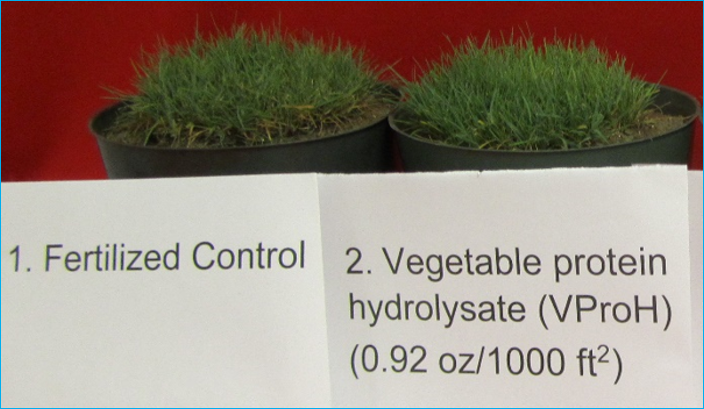
In summary, amino acid proteins play an important role in serving as biological catalysts in plants. Researchers have identified value in applying amino acids to bentgrass, suggesting that their value lies beyond that of their inherent nitrogen content. Research continues to explore the total potential that exogenous applications of amino acids may have on turfgrass.
Power Point Resources:
Amino Acid Research
Mertz Poster Presentation ASA 2016 Amino Acid Iowa State University
Related Resources

In addition to being the nation’s largest distributor of branded fungicides, herbicides, and insecticides, Harrell’s produces custom-blended fertilizers, specialty liquids, and wetting agents. Additionally, Harrell’s is the exclusive US owner, formulator, and distributor of all POLYON® branded products.
TEAM HARRELL'S
STAY EQUIPPED
Never stop learning. Access FREE continuing education courses from Harrell’s.
LET'S GROW
PRESS RELEASES
PRESS RELEASES
STAY EQUIPPED
Never stop learning. Access FREE continuing education courses from Harrell’s.
LET'S GROW