

Rhizoctonia Disease Identification and Control
7/2/2024 - By Dr. Aaron Palmateer
Among the vast amounts of potential
pathogens and diseases that your plants are susceptible to, Rhizoctonia is one
of the most varied to watch out for. In this article, we will dive into where
the pathogen comes from, the ways it can harm/affect your plants, and the
options you have for control throughout the season.
What is
Rhizoctonia?
Rhizoctonia species are among the
most diverse of the fungal pathogens and are notorious for causing diseases in
seedlings including pre- and post-emergence damping off. Rhizoctonia is one of
the most common pathogens associated with ornamental plant production in
greenhouses and nurseries attacking both containerized and field-grown plants. Rhizoctonia
usually attacks plants at the soil line, causing root and stem rot, which
results in girdling and death of the tops, but this pathogen can also attack
leaves causing an aerial blight. Rhizoctonia is especially severe when plants
are grown close together and kept moist.
Effects of
Rhizoctonia
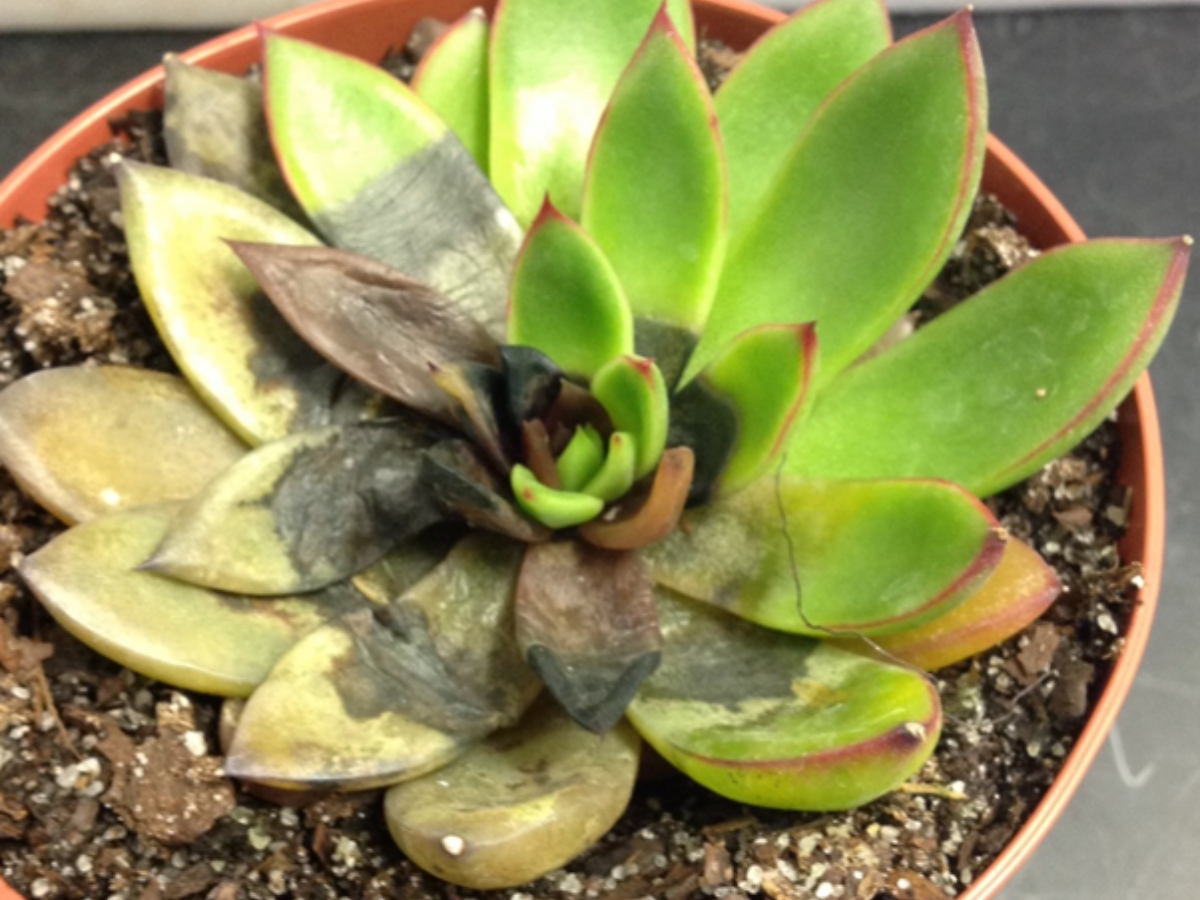
Rhizoctonia is common on bedding plants including garden
impatiens, New Guinea impatiens, vinca, dahlia, and pansies, but also on ferns
especially Boston ferns, succulents including echeveria and woody ornamentals
such as boxwood and gardenia. Affected roots become brown, mushy, and
disintegrate. With abundant moisture, high relative humidity (80 – 90%), and
temperatures ranging from 68 – 86 ℉, Rhizoctonia can move up in the
plant canopy causing brown, irregularly shaped spots that form anywhere on the foliage
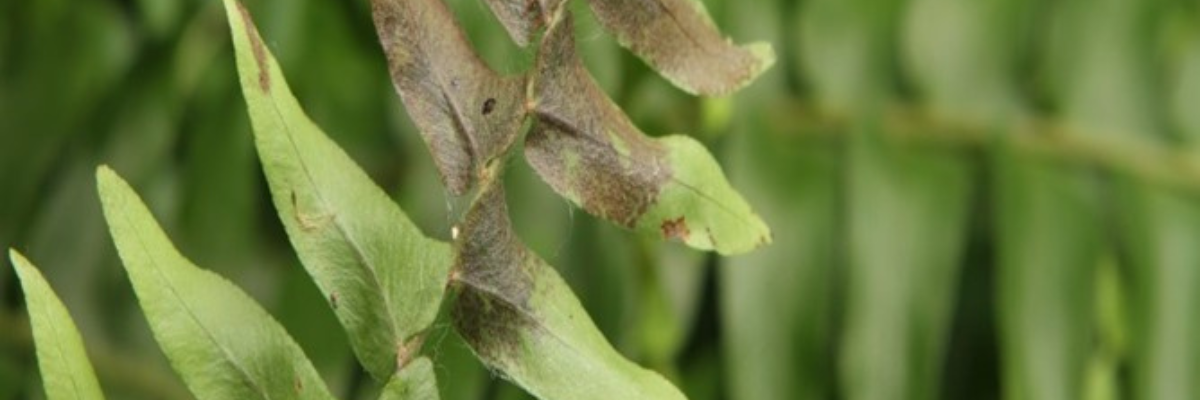
and stems. Sometimes web-like brown mycelium of the pathogen will cover
infected portions of the plant causing aerial blight.
Controlling Rhizoctonia
If possible, eliminate overhead
irrigation in covered houses or exposure to rainfall for outdoor plants. Water plants
during the day when plant leaves have the greatest chance to dry quickly. Root
rot caused by Rhizoctonia appears much like root rot caused by other pathogens,
so an accurate laboratory diagnosis is important to ensure the specific
pathogen you are dealing with, especially when applying any chemical products.
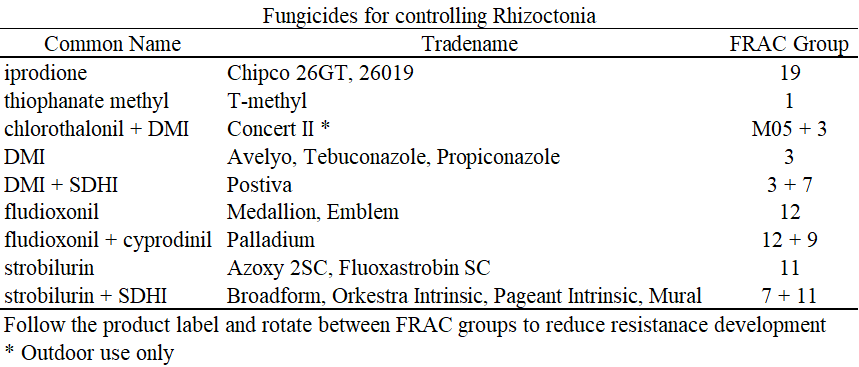
A few of the recommended fungicides
for control:
- Chipco 26GT, 26019
-
T-Methyl
- Avelyo, Tebuconazole, Propiconazole
-
Postiva
- Broadform, Orkestra Intrinsic, Pageant Intrinsic, Mural
For example, fungicides that control Pythium,
another common root rot pathogen may work for Rhizoctonia, but tests are
important to be sure. You must also keep in mind that mixed infections (Pythium
and Rhizoctonia together) are common, only an accurate diagnosis will allow you
to choose the best and most complete control strategies. Be sure to monitor
plants for above-ground symptoms of root rot including yellowing or pale green
leaves, small leaves, wilting, and stunting.
Reach Out to Your Harrell’s Representative
Identification
and management of plant disease are pivotal to running a smooth and healthy
operation and starting clean and staying clean.
Your Harrell’s Rep is here to help you identify, control, and protect your
plants throughout the season. Reach out to your Rep today with all your questions, if you need any recommendations, or just to connect. We
are here to help!
*Not all products are registered in all states.
Always read and follow the instructions on the product label, not all products
are labeled for all purposes.
Related Resources

In addition to being the nation’s largest distributor of branded fungicides, herbicides, and insecticides, Harrell’s produces custom-blended fertilizers, specialty liquids, and wetting agents. Additionally, Harrell’s is the exclusive US owner, formulator, and distributor of all POLYON® branded products.
TEAM HARRELL'S
STAY EQUIPPED
Never stop learning. Access FREE continuing education courses from Harrell’s.
LET'S GROW
PRESS RELEASES
PRESS RELEASES
STAY EQUIPPED
Never stop learning. Access FREE continuing education courses from Harrell’s.
LET'S GROW