

Spring Cleaning - Are These Products Still Any Good?
2/20/2025 - By Dr. Paul Giordano
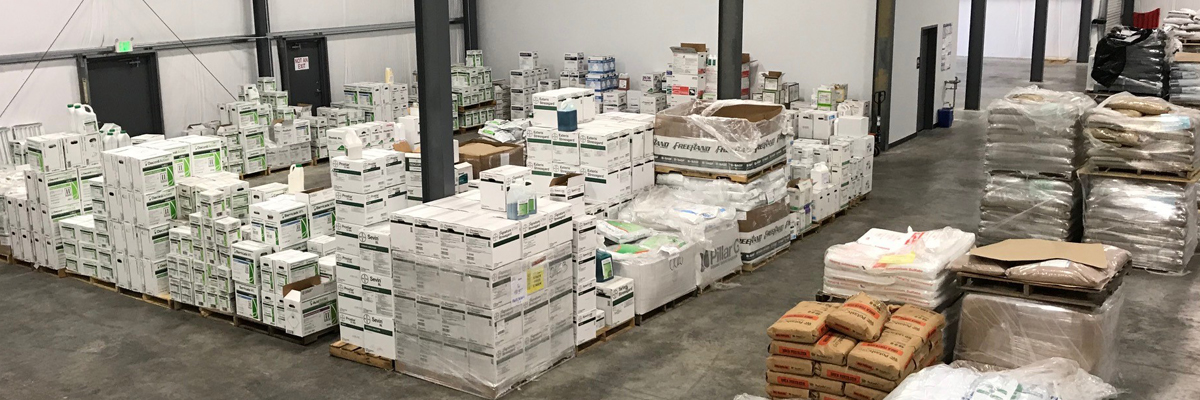
Is that 4-year-old jug of herbicide still going to perform? That once-new fungicide product looks like it might have separated in the jug. Is that normal? The heat in my storage facility was out for a week this past winter; what now? Let's explore that!
Every spring, turf managers kick into high gear after several months of planning and strategizing their agronomic program. With all the excitement and extra attention around those pallets of old and new products, lots of questions arise about formulations, storage stability, shelf life, and compatibility. This is especially true after a year where many committed to additional products or “stocked up” due to concerns around availability and potential inflationary price hikes. Below are a few key considerations to help with common concerns around product storage, shelf life, and performance.
Turf & Ornamental Product Storage
While most golf facilities have dedicated space for chemicals and fertilizers, others in the turf industry may not be so lucky. Additionally, many are considering increasing their storage capabilities, given the recent challenges in the global supply chain. Either way, proper storage of plant protection and nutritional products is critical in maintaining their integrity and shelf life. In general, storage areas/facilities should be:
- Dry - Moisture and humidity can compromise granular products.
- Climate Controlled - To avoid temperature extremes like freezing or high heat.
- Shaded – Products are not meant to be kept in direct sunlight prior to application.
- Enclosed/Contained – Preventing any potential spillage/contamination.
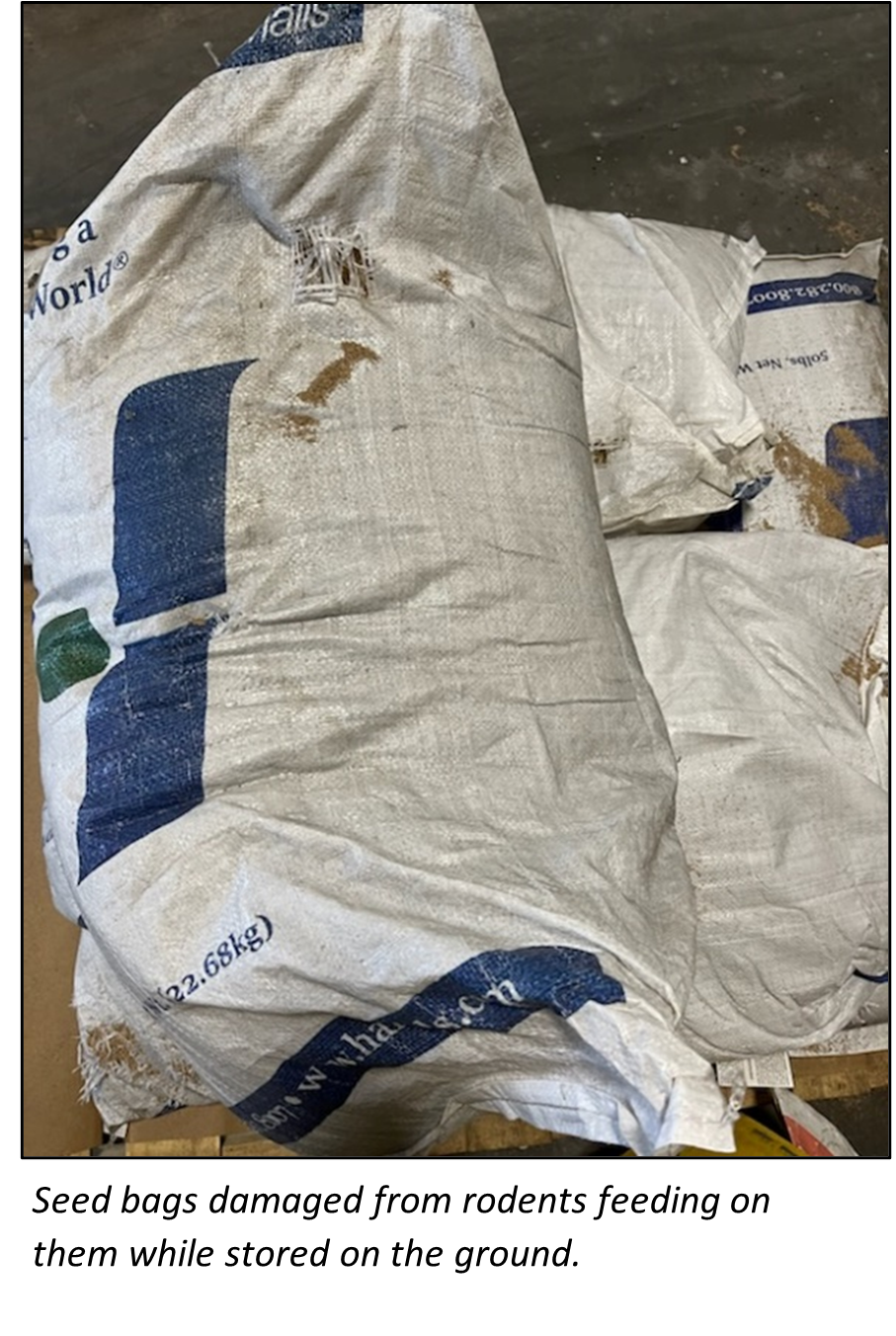
- Elevated - To keep products off the ground and free from standing water and pests.
Shelf Life for Pesticides and Nutritional Products
It’s always best to use “fresh” products and to purchase only what is needed for the current agronomic year, where reasonable. With recent threats of shortages and unpredictable cost increases, it’s understandable that many turf managers have made some longer-term commitments with additional products this past year. The shelf life of turf care products can differ depending on their respective formulation types:
- Nutritional Products - Granular and liquid fertilizers are usually good “indefinitely” or for at least ten years if they are correctly stored and unopened. One important caveat is fertilizers mixed or sparged with pesticides, which will be subject to the shelf-life limitations of their pesticidal components.
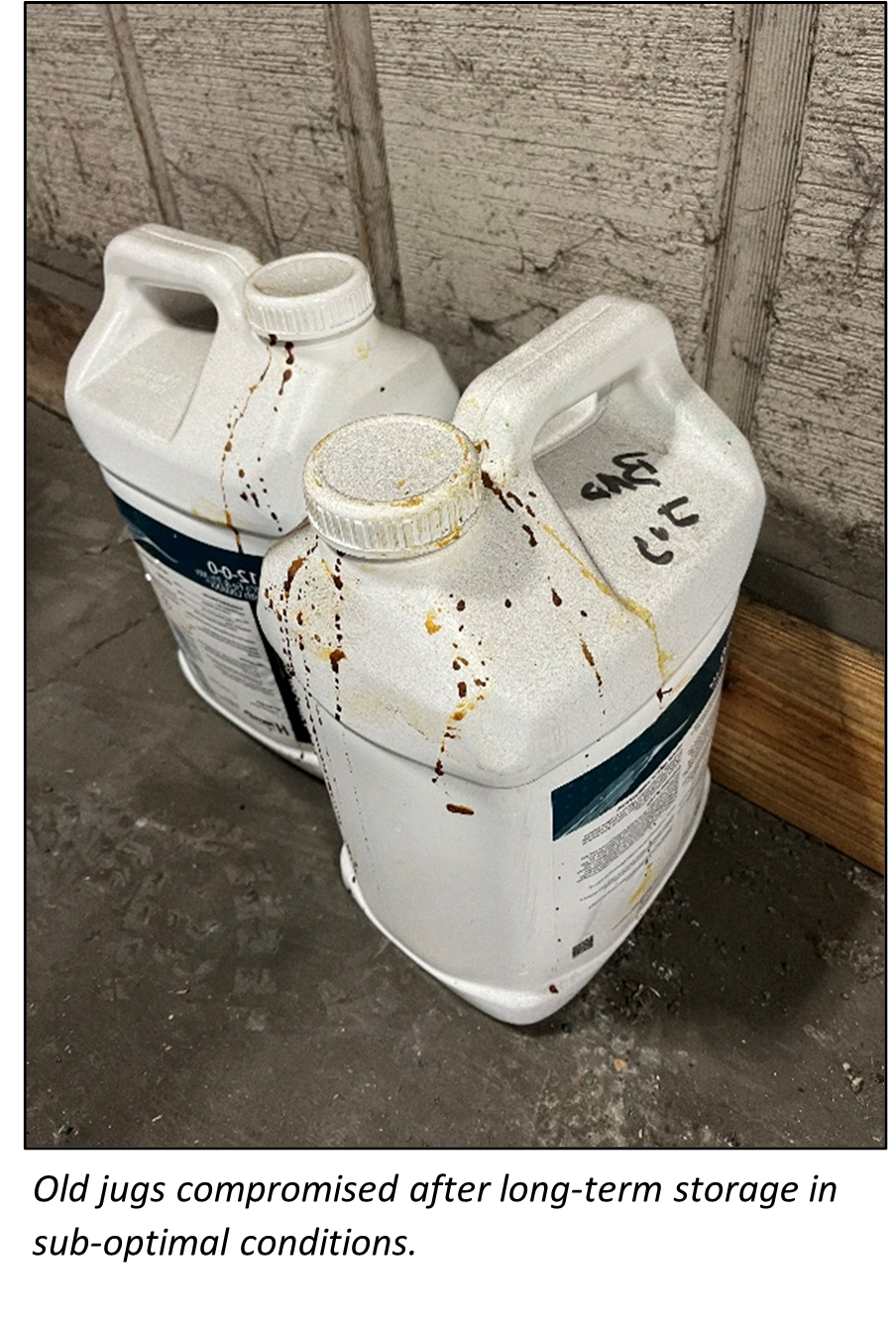
- Pesticides - This varies greatly by product, and each label should be consulted for specific information related to an active ingredient and formulation. In general, most unopened pesticides stored at moderate temperatures will maintain their efficacy for at least 2-5 years.
- Biological Products -Many of these products contain living, breathing organisms. They are far more sensitive to storage conditions and often have much shorter shelf lives (1-3 years) than traditional plant health products. It’s especially important to read the product label and follow storage instructions carefully when using biological products.
It’s always best to have a strategy based on product age and storage limitations. I challenge any turf manager to work with their team to develop a “first-in, first-out” approach and find ways to prioritize and effectively use the aging products in their inventory.
Product Formulation Matters
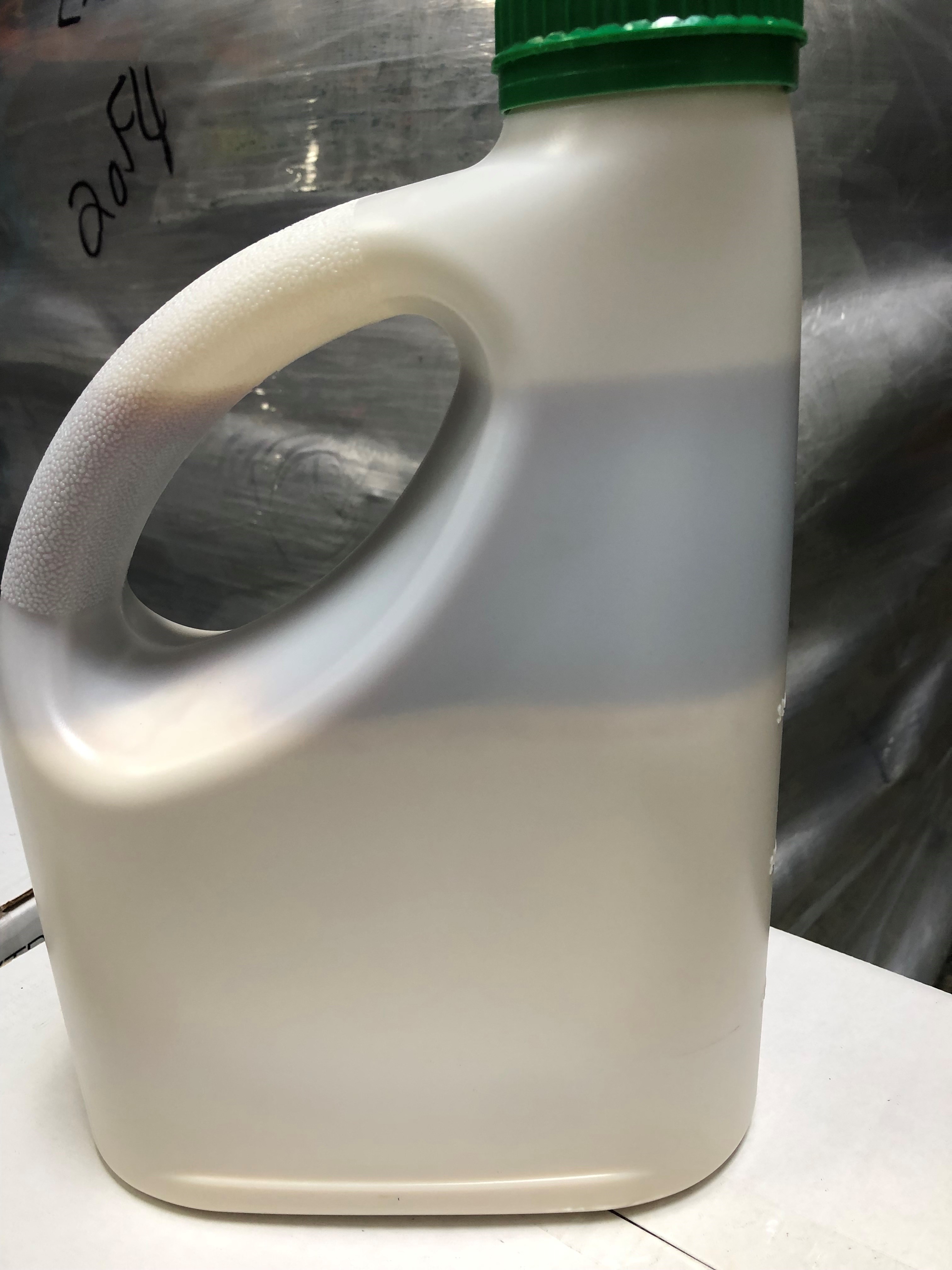
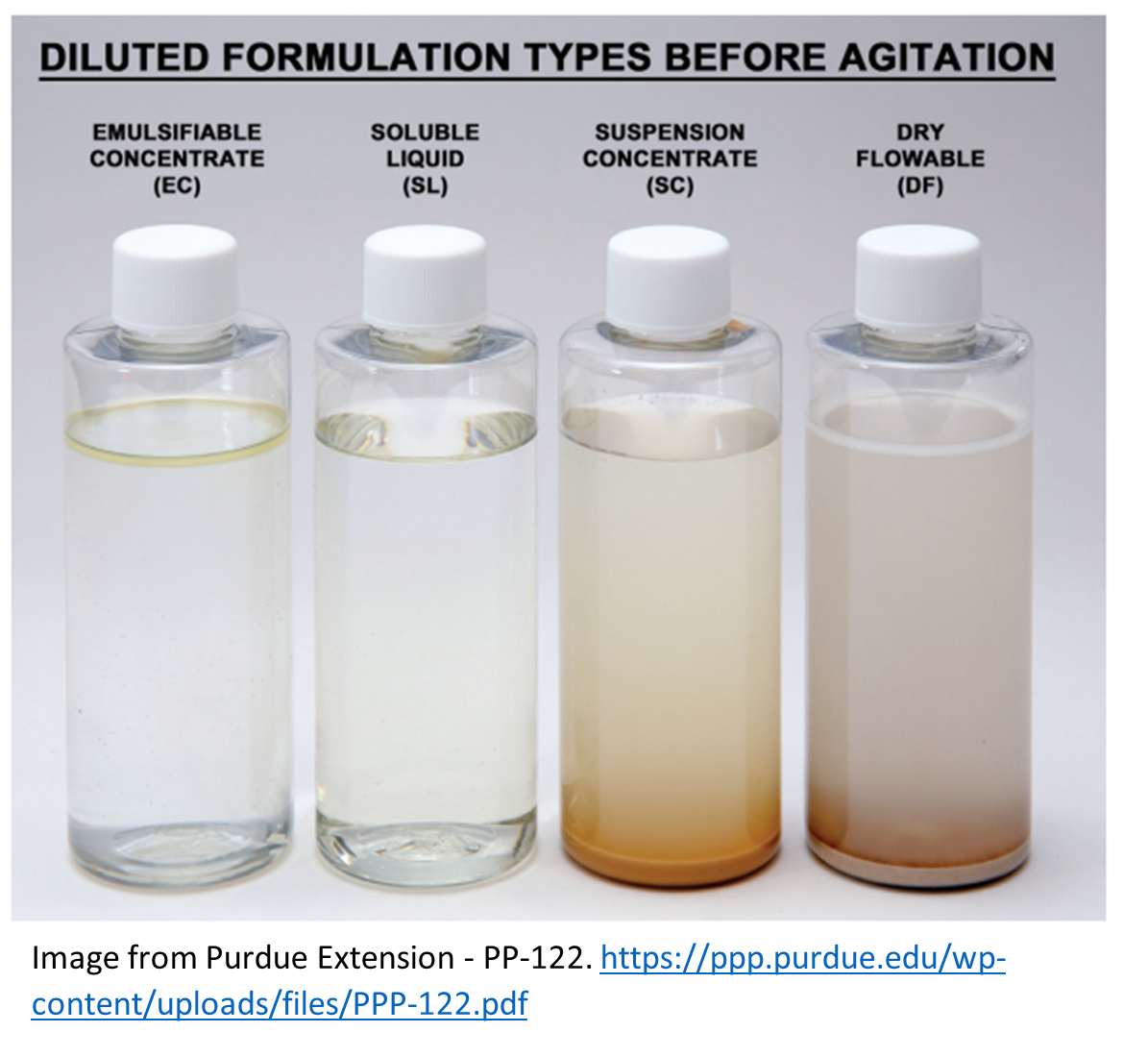
- Liquids - Liquid formulations can be easier to work with, but pose some unique challenges with long-term storage. For example, formulations such as suspension concentrates (SC) contain active ingredients that can separate into layers, like mixing oil and water and letting it sit for a while. The color or appearance of liquid products can also vary from batch to batch. Sometimes it’s due to inert ingredients in the formulation changing; other times it may be more serious, such as a contaminant or external factors, such as heat or light, that caused the change.
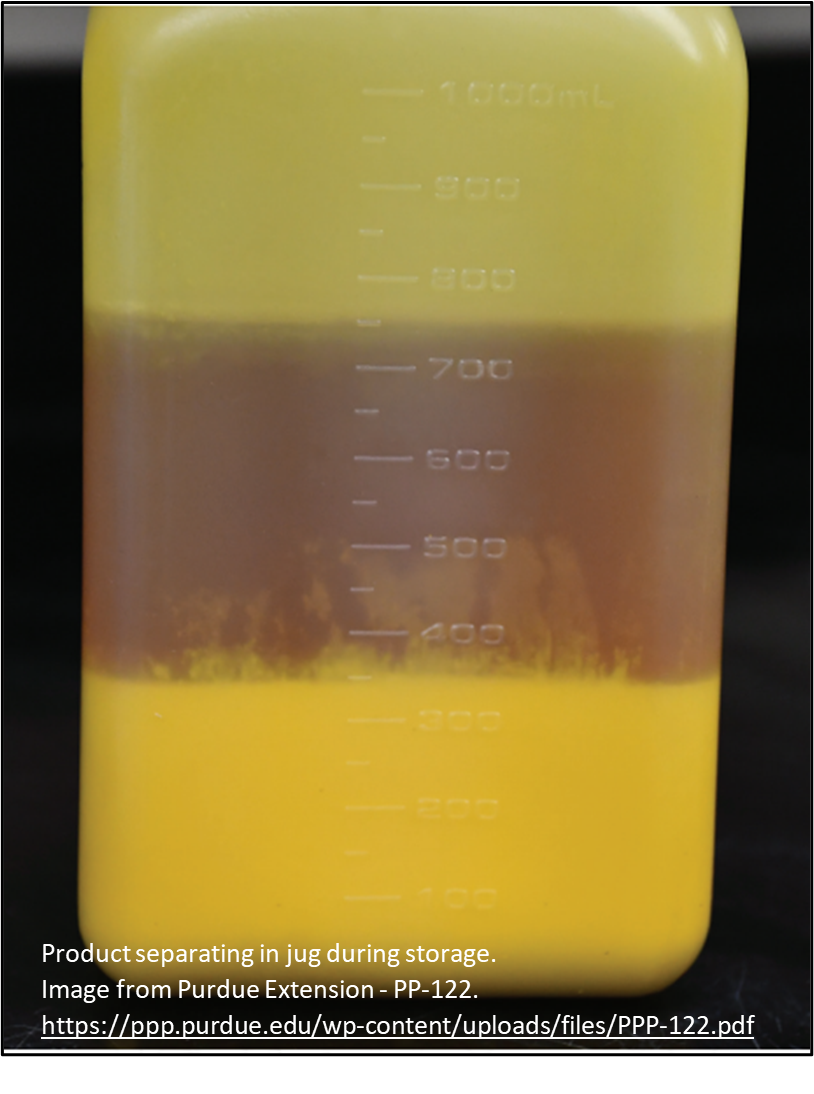
Products like liquid fertilizers might contain minerals that can fall out of the solution or settle at the bottom of the container during long-term storage. Regardless of the formulation, it’s always important to ensure uniform distribution of the contents in the jug before adding to your spray tank. Make sure to shake containers vigorously and thoroughly before use to ensure all contents are fully suspended in the mix.
- Granulars - Pesticide products such as WDG or WP formulations, as well as soluble granular fertilizers, are subject to moisture absorption if not stored properly. Clumping, caking, or simply forming a “brick” can pose challenges when trying to dissolve or disperse these products appropriately in a spray tank. Pre-mixing and dissolving these products in water using buckets or a separate tank with moderate agitation is a good idea to avoid potential insolubility issues in your primary spray tank. It’s important to keep these products in suspension with consistent agitation once in the tank - many granular products can easily settle to the bottom without it.
Tank Mixing/Loading Turf Products
The art and science behind tank mixing turf products could fill a textbook, so I will not get into the nitty-gritty details here. Instead, I will refer you to three fantastic resources, including a previous Harrell's Blog post from our very own Dr. Jeff Atkinson. These are a great starting point with key considerations that should keep major tank mixing issues to a minimum.
- Top 5 Tips for Tank Fill-Ups - Harrell’s
- Tank Mix Guidelines - Bayer Environmental Science
- Get the Most Out of Your Tank Mixes - Syngenta
If you have any further questions regarding the proper storage of your products, reach out to your local Harrell's Rep to develop a proper long-term and short-term storage plan and maximize the efficacy of your products down the line.
Related Resources

In addition to being the nation’s largest distributor of branded fungicides, herbicides, and insecticides, Harrell’s produces custom-blended fertilizers, specialty liquids, and wetting agents. Additionally, Harrell’s is the exclusive US owner, formulator, and distributor of all POLYON® branded products.
TEAM HARRELL'S
STAY EQUIPPED
Never stop learning. Access FREE continuing education courses from Harrell’s.
LET'S GROW
PRESS RELEASES
PRESS RELEASES
STAY EQUIPPED
Never stop learning. Access FREE continuing education courses from Harrell’s.
LET'S GROW