

Predictable Perennials with POLYON® Controlled-Release Fertilizer
8/12/2020
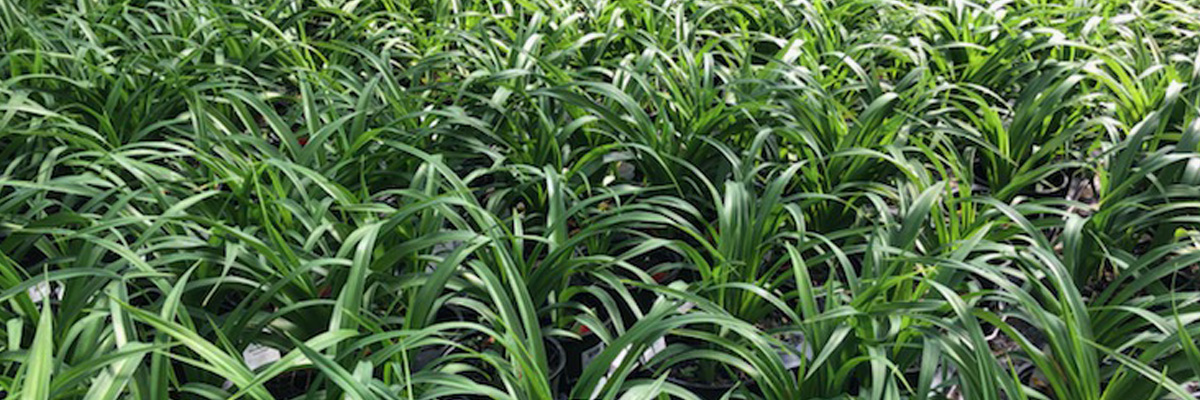
Commercial production of perennials requires a different skillset than growing annuals. With annuals, the grower plants them in late winter, and by spring, the plants are grown up, in full bloom and ready for sale. However, the same isn’t always true for all species of perennials.
Many perennials take longer to produce. If a crop is planted on a typical annual schedule, the plants may be quite small when it’s time to bring them to market in the spring. They may lack good branching structure or may have only a few—if any—flowers.
While modern breeding has increased the ability to provide first-year-flowering perennials, many species still benefit from being planted in the summer to early fall, and overwintering prior to growing on in spring.
Late summer is a great time to plant liners to start bulking up for spring sales. Examples of species that benefit from this production schedule are phlox and astilbe, as well as ornamental grasses like pennisetum and miscanthus.
Growers who plant in the late summer/early fall and overwinter for spring enjoy many advantages, including free heat, high light, plants going dormant at the natural time, and getting a jump on the spring season. One drawback is that the longer a crop is in production, the greater the risk for issues such as root and foliar pathogens.
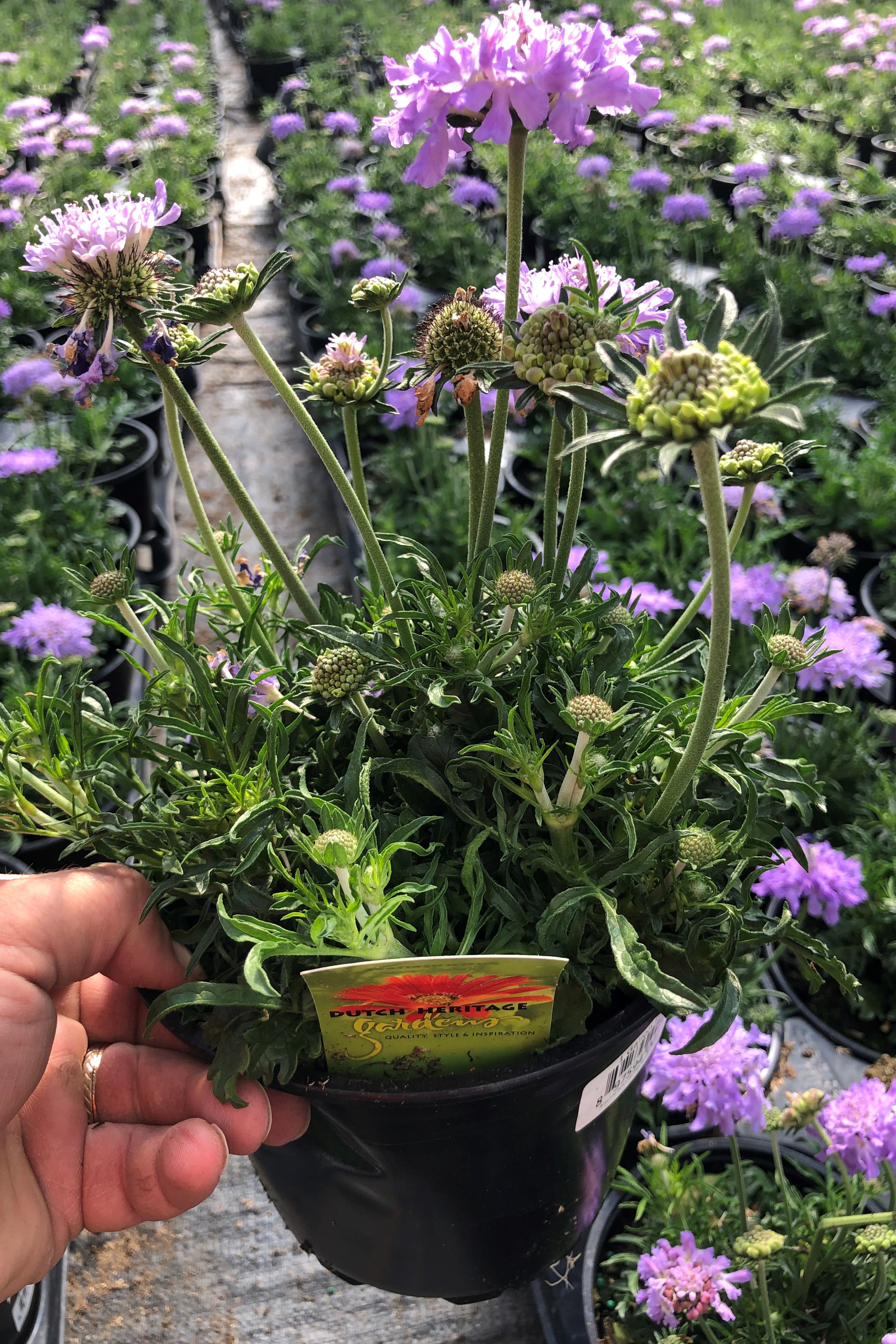 When overwintering perennials, it is important to group species according to their water requirements. While most commercially grown perennials have average water requirements, there are outliers. Perennials such as astilbe and hibiscus have above-average water requirements, while lavandula and sedum have below-average water requirements. When plants with a lower water requirement are irrigated the same as plants with above-average water requirements, they often succumb to root-rot pathogens, and crop losses are likely to occur. To further complicate these watering considerations, within a specific species of plant, water requirements can even vary depending on the stage of growth.
With all these complexities, fertility requirements can further muddle the overwintering scenario. During late summer and fall, growers strive to apply enough nutrients to foster normal growth and development. The fertility levels can usually be reduced by about half the rates applied during the spring growing season. As the plants go dormant, the rates are further reduced or completely curtailed. Growers are discovering that POLYON® controlled-release fertilizer is a great tool to help take the guesswork out of feeding perennials.
Feeding perennial crops involves precision at critical stages of growth. Growers are learning that POLYON® fertilizer is a great solution to help automate the feeding decision and management. Because POLYON® fertilizer only feeds when the conditions are right for growing, it will start feeding at the time of planting and stop feeding as soon as the greenhouse is cooled in the fall (when the plants are no longer actively growing and don’t require any more fertilizer until spring).
When spring arrives, it’s time to start feeding again as soon as plants emerge from dormancy. However, all of the hard work invested in producing the crop over the past several months can be undone at this time by over-fertilizing, which can be easy to do with conventional water-soluble fertilizers. Over-fertilization can lead to soft growth, which is prone to damage, disease, and peaking blooms well before the sales window.
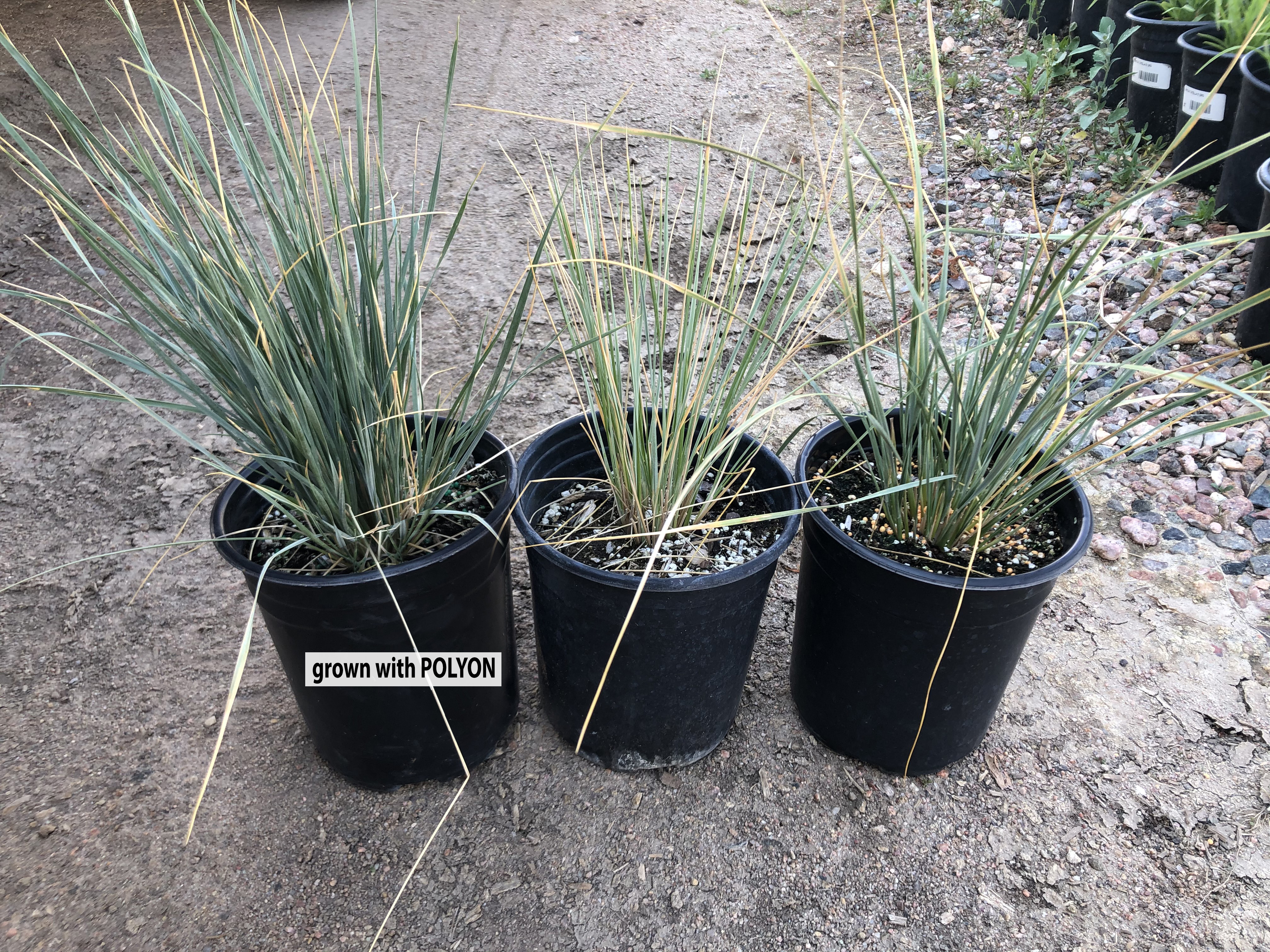 Plant on the left was grown with POLYON® fertilizer
With POLYON® fertilizer however, once the temperatures warm back up in the spring and the plants begin growing, it will automatically begin spoon feeding nutrition to the plants in predictable, controlled amounts. This gives the plants exactly what’s required when it’s required—and not a moment too soon. This helps automate the perennial crop for the grower and removes some of the guesswork required for success.
Water-soluble fertilizer has long been the go-to for perennial growers, but things are changing. Today, as growers learn about how POLYON® fertilizer contributes to their bottom line, more growers are turning to its applications for expanded use within their operations. Talk to your Harrell’s representative today to find out how our proprietary CUSTOGRAPH® program can help you dial in just the right prescription for your POLYON® fertilizer needs.
Related Resources

In addition to being the nation’s largest distributor of branded fungicides, herbicides, and insecticides, Harrell’s produces custom-blended fertilizers, specialty liquids, and wetting agents. Additionally, Harrell’s is the exclusive US owner, formulator, and distributor of all POLYON® branded products.
TEAM HARRELL'S
STAY EQUIPPED
Never stop learning. Access FREE continuing education courses from Harrell’s.
LET'S GROW
PRESS RELEASES
PRESS RELEASES
STAY EQUIPPED
Never stop learning. Access FREE continuing education courses from Harrell’s.
LET'S GROW