

Turfgrass Diseases - Identification & Management of Golf Course Diseases
1/12/2024 - By Mike Hess
Turfgrass diseases can return with a
vengeance during the spring. There are many different turfgrass diseases
you may encounter, and it is important to
understand how to identify and treat each one.
Continue reading for an overview of the most important turfgrass diseases you
may see during the spring.
Let’s start with Pythium Root Rot:
Pythium Root Rot
Pythium root rot develops in poorly drained areas
where standing water and soil saturation is a consistent problem. Some species
of Pythium that can cause root rot can be active in the cooler weather
of the winter and can specifically cause issues on warm-season turfgrasses. But, these issues are slow-growing through the harsh winter months and during spring rains and
snow melts. Pythium root rot attacks the roots and rots from the ground
up, appearing as patches of brown/tan and spreading outward.
A few products you can use to counter this disease are Harrell’s ProtectMAX® Cyazo, Title Phyte® Systemic Fungicide and Fluoxastrobin SC.
Pythium Blight
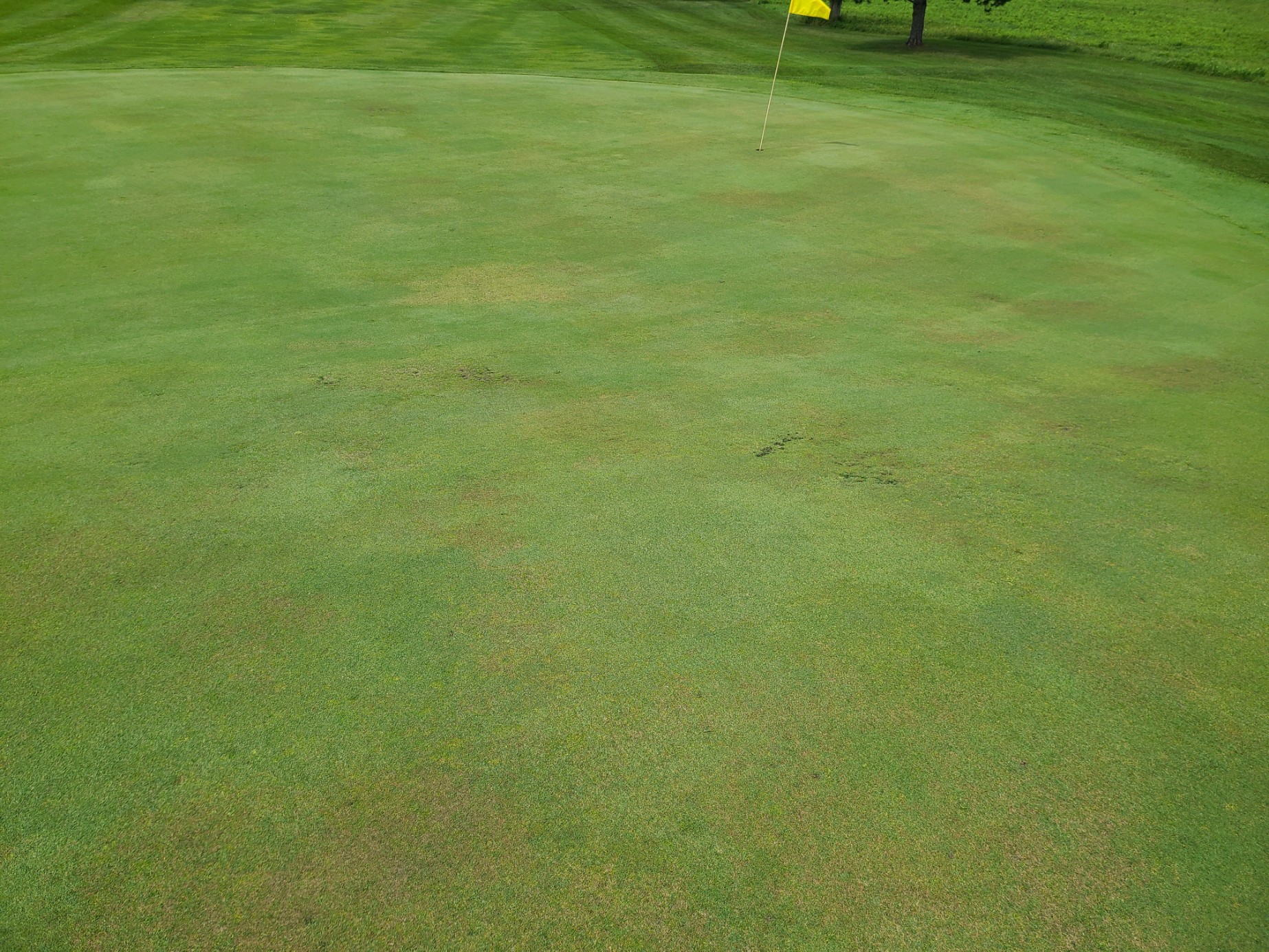
Pythium blight comes from an overabundance of water on turfgrass
without proper drainage, causing the pathogen to grow, spread, and kill turf.
The main difference between blight and root rot is where the disease occurs in
the plant. Blight affects the foliar tissues and tends to move with surface
water or mechanical traffic on the green during wet, rainy periods of weather
that can be frequent in the winter months. Pythium blight can often be
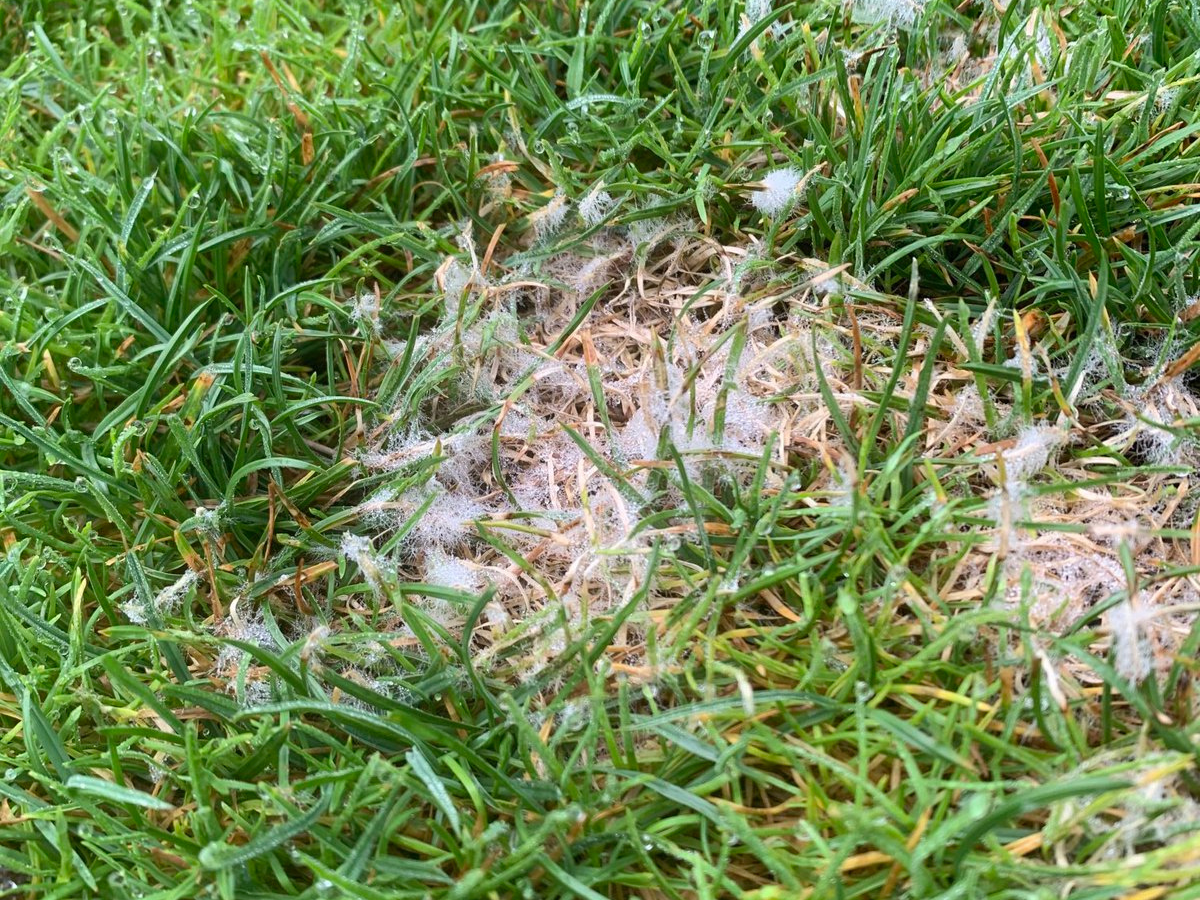
distinguished by a cottony, white aerial mycelium growth that can be evident during the morning dew or moisture.
Prevention of Pythium blight is largely similar to
root rot – ProtectMAX® Cyazo is a top option for this disease both
curatively and preventively. Title Phyte® Systemic Fungicide is also a great preventive solution for Pythium blight
when used in a regular turf health and nutritional program and has been shown to
perform as good or better than other Pythium standards.
Dollar Spot
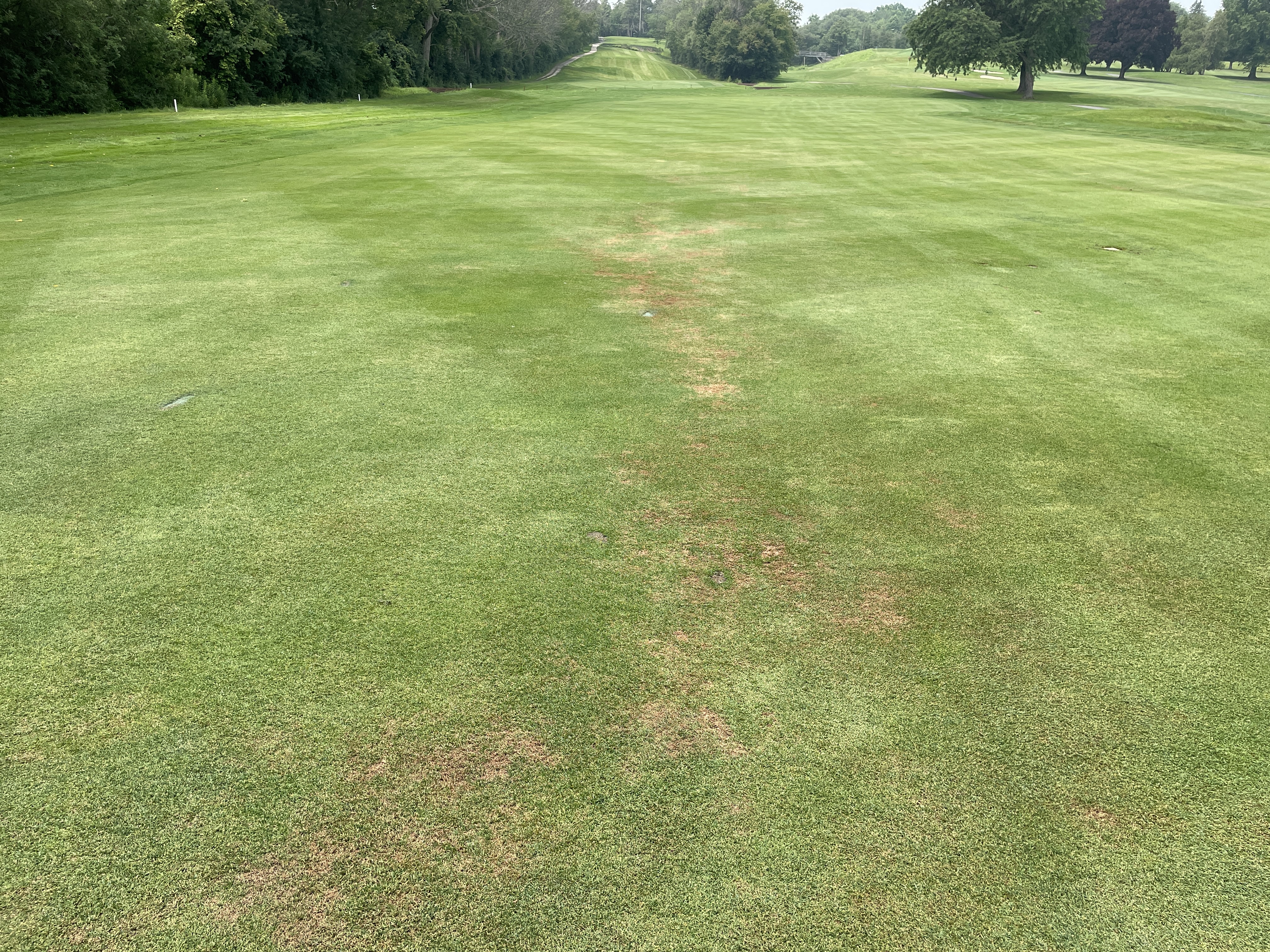
This disease is
primarily a monster on cool-season grasses but does cause some significant
headaches during fall, winter, and spring on warm-season turf – especially
seashore paspalum. The causal pathogen thrives in the humid, wet conditions
that winter brings and really takes hold when soil conditions dry down.
Dollar spot is
one of several diseases that thrive in low-nitrogen environments and can be
especially devastating on turf that is malnourished and growing slowly. The
disease starts as straw-colored lesions across the leaf blade and can lead to
tip dieback and foliar collapse.
Spots are
typically silver dollar-sized hence the name, and individual infection centers
can often coalesce or merge together to form more irregular areas of dead turf.
Dollar spot is spread not by spores but by cobweb-like mycelia and hyphal cells
that can often be seen in early morning dew when conditions are right.
Many different
fungicides can be used effectively to manage dollar spot. Preventive
applications to manage populations and keep inoculum low throughout peak
disease season are recommended. Curative applications can be effective, but
turf recovery may be slow during winter months. The top options in the ProtectMAX® portfolio for dollar spot are Fluazinam, Chlorothalonil 6L, Propiconazole, Tebuconazole, and T-methyl.
Snow Mold
Snow mold is a cool-weather complex of diseases that develops
primarily on cool-season grasses throughout the winter. However, most damage
may not be noticed until snow melts in the early spring. The causal fungi mainly begin growing in the fall with the onset of
cooler temperatures, but when the ground hasn’t completely frozen yet. Ample
moisture, leaf debris, and slow-growing turfgrass create a breeding ground for
snow molds.
The two types of snow mold are gray and pink, both caused by
different fungal pathogens or complexes of pathogens. Snow mold will appear as
gray or straw-colored, circular patches that vary in size. Gray snow mold
appears as more of a gray/white color while pink snow mold appears as a
white/pink color and can be significantly more deadly than gray when it
appears.
Snow mold is best controlled preventatively in the late fall/early winter before permanent snowfall in the northern U.S. Applications of product mixtures that incorporate
both systemic and contact fungicides have proven to be the most effective
strategy at keeping snow mold at bay throughout the often
long winters of rain and snow events.
Microdochium (Fusarium or Pink Snow Mold) Patch
In case it isn’t clear yet, an overabundance of water on turf without proper drainage or dispersal is the leading cause for disease coming out of winter, and Microdochium patch is no different. Michrodochium patch is a fungal pathogen blights leave and causes foliar blemishes and in severe cases, this disease can damage crowns and lead to complete death.
You can spot Microdochium patch by the copper/red circular spots that usually appear sporadically. Pink tones can sometimes be seen on the outer edges of the patches and a tan center is usually evident as the disease progresses.
Preventing and controlling Michrodochium patch patch can be done with numerous different fungicides. Harrell’s ProtectMAX® has several great solutions that offer different modes of action for controlling Microdochium patch and other key winter diseases. ProtectMAX® Fluoxastrobin SC, Azoxy, Propiconazole, and Chlorothalonil are all excellent choices.
It’s worth noting that ProtectMAX® Title Phyte® Systemic Fungicide is also now labeled (2EE) for the control of Microdochium patch, making it one of the only potassium phosphite fungicides labeled for this disease!
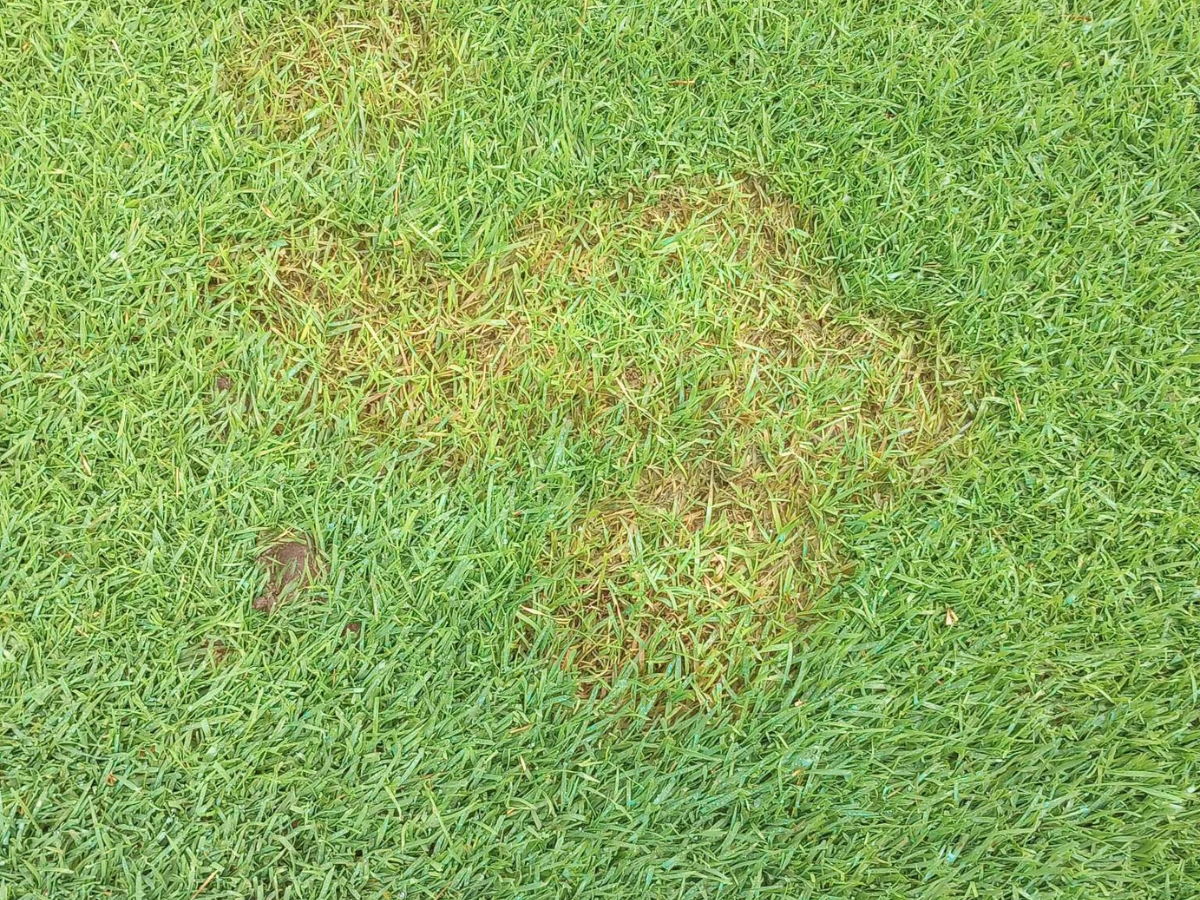
The Harrell's ProtectMAX® lineup has several excellent choices for controlling snow mold including Tebuconazole, Propiconazole, Chlorothalonil 6L, Fluoxastrobin SC, ProtectMAX® T-methyl, Fluazinam, and Azoxy. Our 1, 2, 3 snow mold program is a simple and affordable approach that has been tested and proven under some of the worst snow mold conditions at various university trials over the last several years.
Large Patch
This disease is
one of the more unsightly in the turf world and it
can affect many different species of warm-season
turfgrass including Seashore Paspalum, centipedegrass, zoysia, St. Augustine,
and even bermudagrass. Large patch starts to
develop when things are a bit warmer in the spring and fall but can remain
problematic throughout the winter, especially in more southern areas where soil
temperatures may stay in the optimal zone for
extended periods of time.
While symptoms
may not appear until springtime when warm season turf may start to green up,
the infection of this pathogen is most severe during cool, wet stretches of
weather, which can be several months of winter in many areas. One thing we know
about large patch is that it can be favored or made
worse by excessive nitrogen fertility as well as in areas where soil moisture
is excessive, and drainage is poor. You can spot large patch
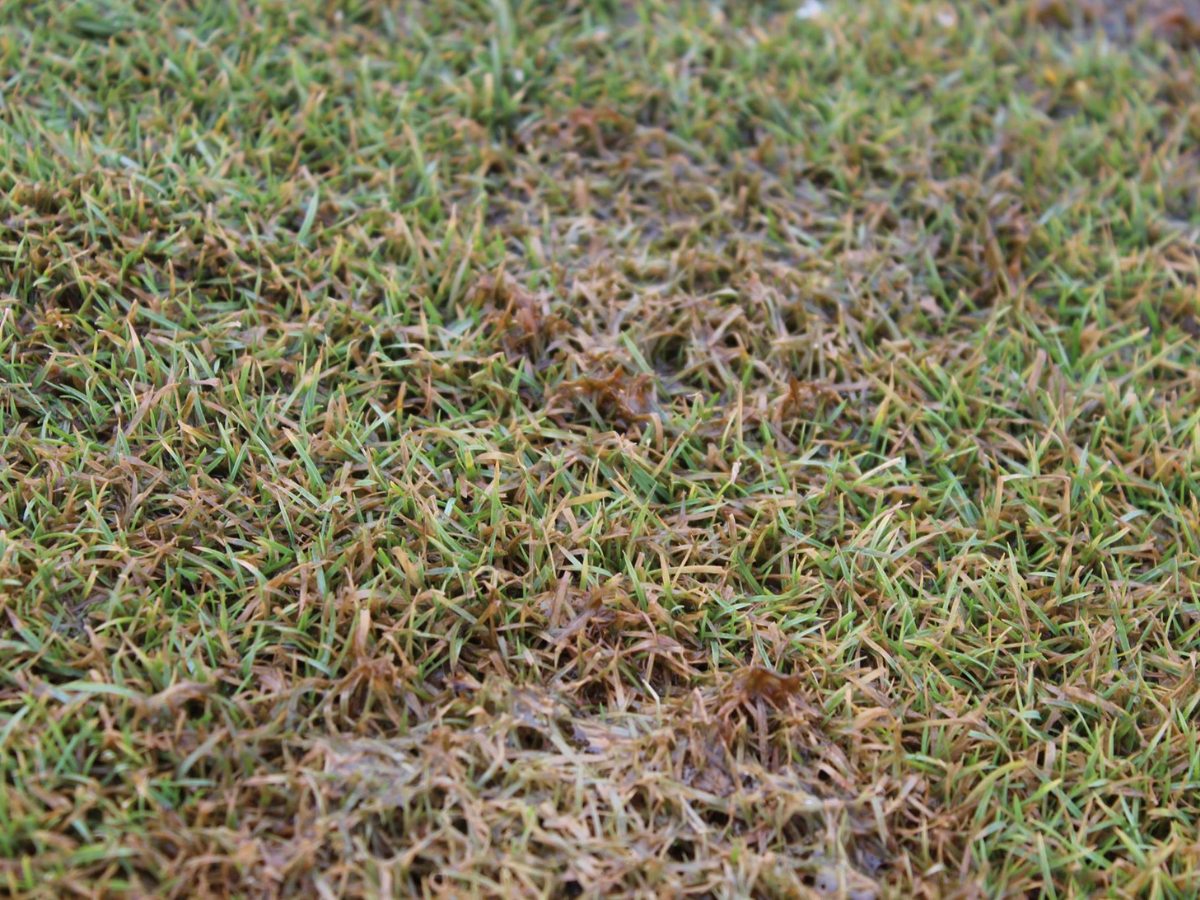
by the size of the patches which can often be up to 20 ft in diameter.
Symptoms will
start as light brown, sunken areas which are often noticeably slow to recover
when coming out of winter. Bright, sometimes even beautiful orange borders are
often associated with this disease. In many cases, especially on highly
susceptible species and cultivars, chemical intervention with fungicides is
necessary. This is best done preventively in the early fall when soil temperatures
drop consistently below 75 degrees F. Curative or winter treatments can be
effective at halting the spread of the disease and aiding in spring green-up
and recovery.
A couple of top
fungicide options for large patch management are Tebuconazole, Fluoxastrobin SC, and Azoxy. These all do well on rhizoctonia disease, like large
patch, and are all labeled for broad use on golf courses and in the case of
Azoxy and Fluoxastrobin SC, home lawns as well.
Take-All Root Rot
Take-all root rot (TARR) poses a significant threat to
warm-season turfgrass, causing widespread damage in regions with high temperatures. This soil-borne disease, caused by
the fungus Gaeumannomyces graminis var. graminis, targets the roots, leading to
a decline in turf health. Bermudagrass and St. Augustine are particularly
susceptible to TARR.
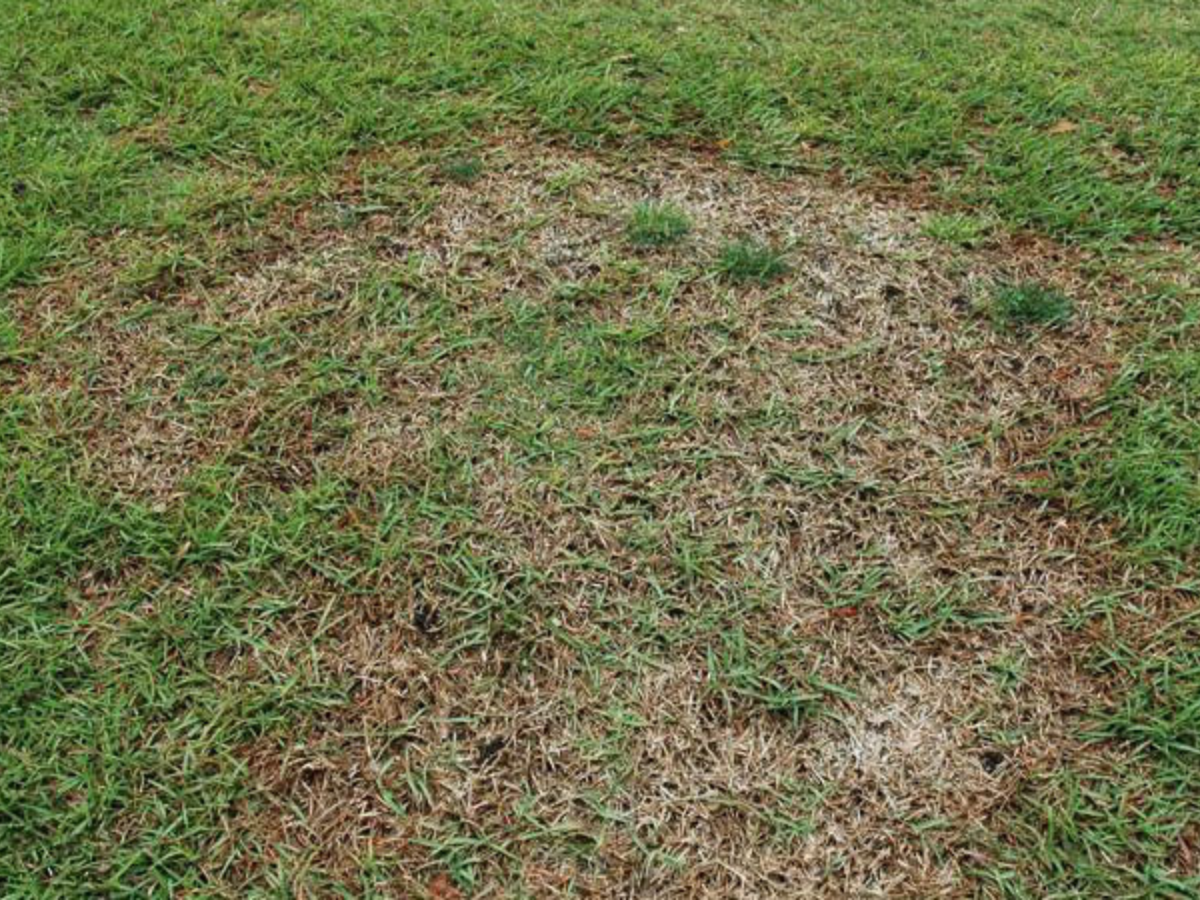
Symptoms include yellowing, thinning, and wilting of the
grass, often mistaken for other stress-related issues. Effective management
involves promoting proper drainage, avoiding excessive thatch buildup, and
employing preventive fungicide applications when soil temperatures are between
75 and 85 F. Regular monitoring and early intervention are crucial to mitigate the impact of take-all root rot and healthy
stands of turf.
The top options for chemical intervention on TARR are the
DMI and QoI chemistries. Products like ProtectMAX® Tebuconazole, ProtectMAX® Propiconazole,
Fluoxastrobin SC, and Azoxy
are all excellent options within the Harrell's portfolio. Pre-mix products that include multiple active ingredients within
these classes have also been shown to be highly effective in programs. Because
this is a root-associated disease, it’s important that fungicide applications
get watered into the root zone with at least 1/8” post-application irrigation
for optimal efficacy.
Leaf Spot – Warm and Cool Season
Leaf spot
primarily affects bermudagrass during the winter months but the bipolaris,
dreschslera, and other leaf spot pathogens tend to be widespread and
indiscriminate to different turf species if conditions are right. This disease,
like many of the others, prefers the cool, wet periods of fall and winter –
especially long stretches of prolonged cloud cover and low sunlight. Leaf spot
is most severe on slow-growing bermudagrass and starts primarily as a foliar
infection. However, if left unchecked, the disease can move to the crowns and
roots of the plant and cause much more significant
damage.
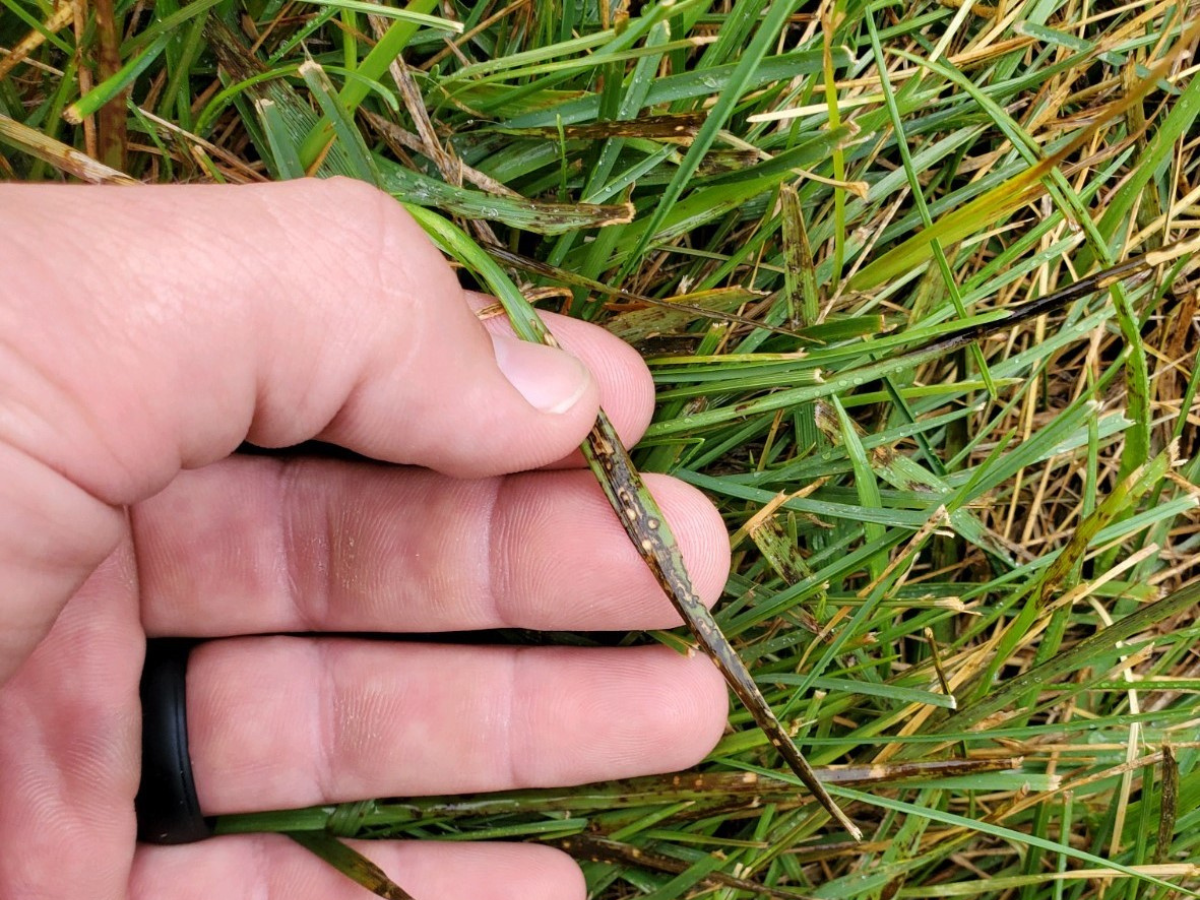
Leaf spot spreads by spores or conidia and can spread with
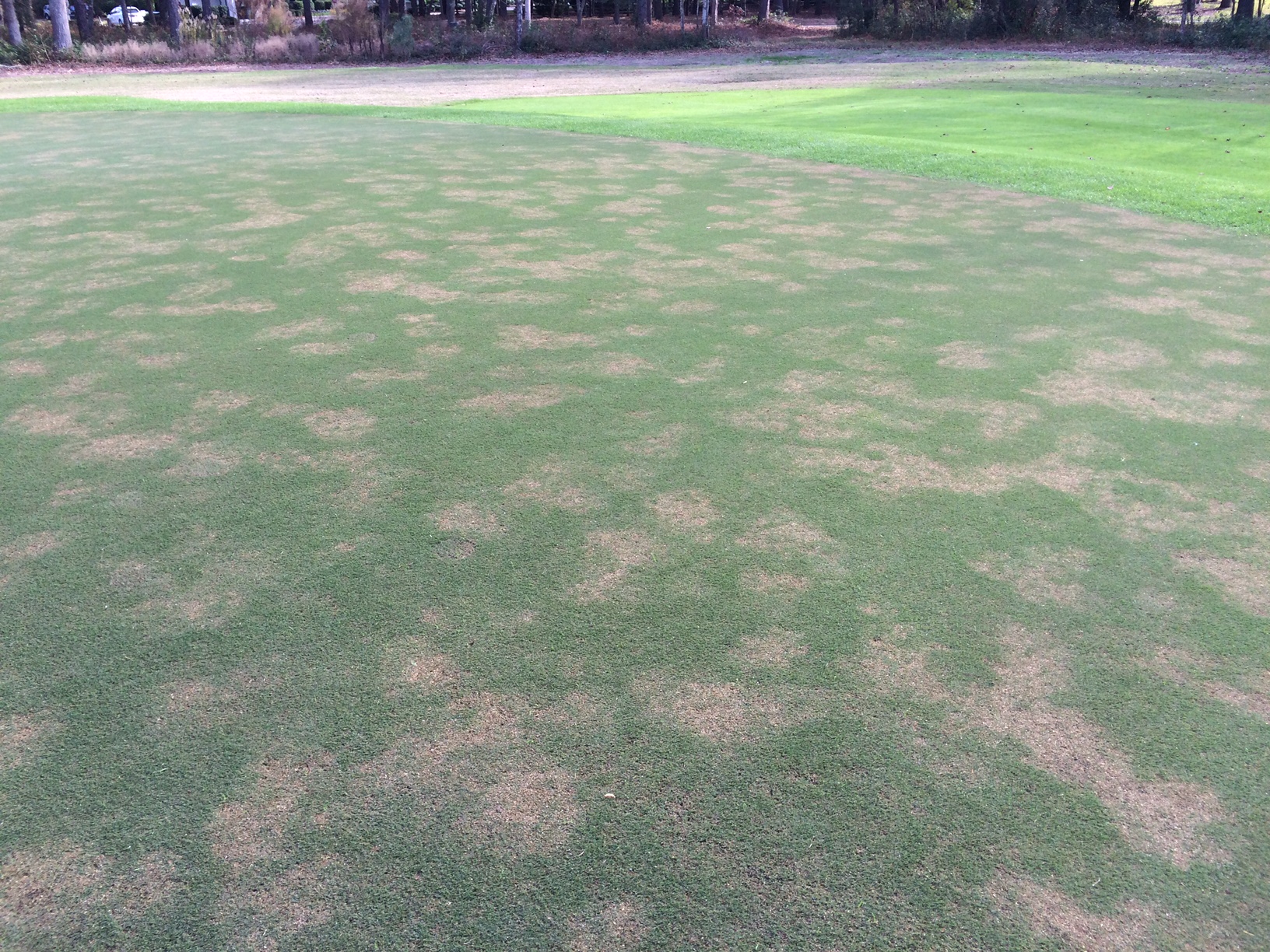
equipment or traffic. Symptoms start as water-soaked lesions on leaves but then
progress to a more red/purple spotting of the turfgrass, sometimes in irregularly
shaped patterns.
Management of leaf spot is very similar to dollar
spot – minimize the time the leaves of the plant stay wet and improve air
movement and sunlight if possible. Fungicides can often be necessary to manage
outbreaks during cloudy/rainy periods – the top options include the QoI or
strobilurins like ProtectMAX® Fluoxastrobin SC and ProtectMAX® Azoxy. ProtectMAX® Fluazinam is also a great multisite fungicide for leaf spot
control and so is ProtectMAX® Chlorothalonil. Iprodione fungicides like 26GT or Interface® Stressgard®. Finally, mancozeb, such as the new ProtectMAX® Mancozeb,
is another contact fungicide option that is great
for leaf spot control.
Reach Out to Your Harrell’s Rep
Though there are many diseases to consider and prepare for, and
there will always be some surprises, your Harrell's Rep and our team of agronomists are always here to help you prevent
and control even the toughest turfgrass diseases. Reach out for more
information or to get started.
Related Resources

In addition to being the nation’s largest distributor of branded fungicides, herbicides, and insecticides, Harrell’s produces custom-blended fertilizers, specialty liquids, and wetting agents. Additionally, Harrell’s is the exclusive US owner, formulator, and distributor of all POLYON® branded products.
TEAM HARRELL'S
STAY EQUIPPED
Never stop learning. Access FREE continuing education courses from Harrell’s.
LET'S GROW
PRESS RELEASES
PRESS RELEASES
STAY EQUIPPED
Never stop learning. Access FREE continuing education courses from Harrell’s.
LET'S GROW