

Alleviate Poor Irrigation Water Quality with These Solutions
10/14/2026 - By Dr. Raymond Snyder
Poor irrigation water quality is sometimes an agronomic variable that turf managers must factor into their management programs. High pH, bicarbonates, sodium (Na), and water hardness are characteristics associated with poor water quality.
Poor water quality can negatively affect pesticide effectiveness, plant vigor, and soil health. High salinity directly compromises plant health by causing osmotic stress, which reduces the plant’s ability to take up water. This results in drought-stress-like symptoms and reduced growth. A great place to start if you suspect your irrigation water quality may be struggling is by conducting a water quality report.
What is a Water Quality Report?
A water quality report is a laboratory analysis that measures the chemical characteristics of irrigation water. These reports help turf managers identify water-related challenges that may affect pesticide performance, nutrient availability, soil health, and overall turfgrass quality.
Some common parameters found in a water quality report include:
pH
Electrical Conductivity (EC)
Total Dissolved Solids (TDS)
Bicarbonates
Sodium
Calcium
Magnesium
Water Hardness
Sodium Adsorption Ratio (SAR)
Each measurement provides insight into how irrigation water may influence soil conditions, plant health, and management practices. Try to run these reports semi-regularly, or when you suspect water quality may be turning, to ensure maximum efficacy of your irrigation program.
High pH and Bicarbonates Lead to Poor Irrigation Water Quality
High pH and bicarbonate water are two important characteristics to consider when reviewing a water quality report. Together, they can reduce micronutrient availability in the soil and potentially reduce infiltration as calcium bicarbonate precipitates form at the soil surface.
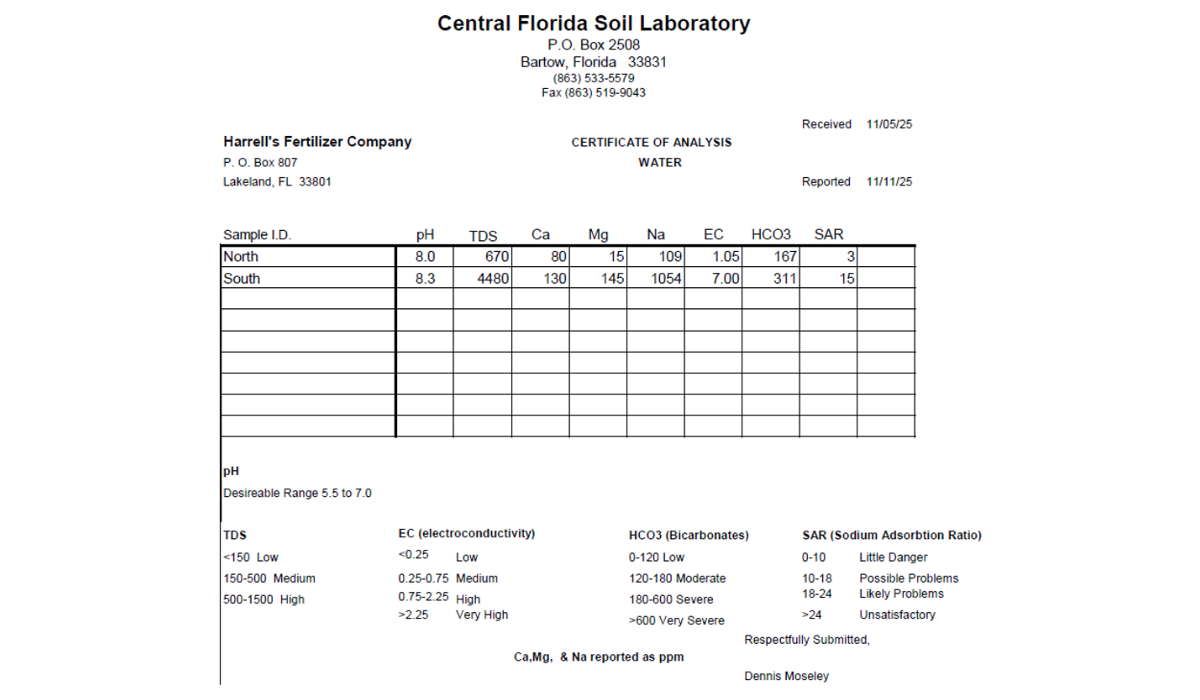
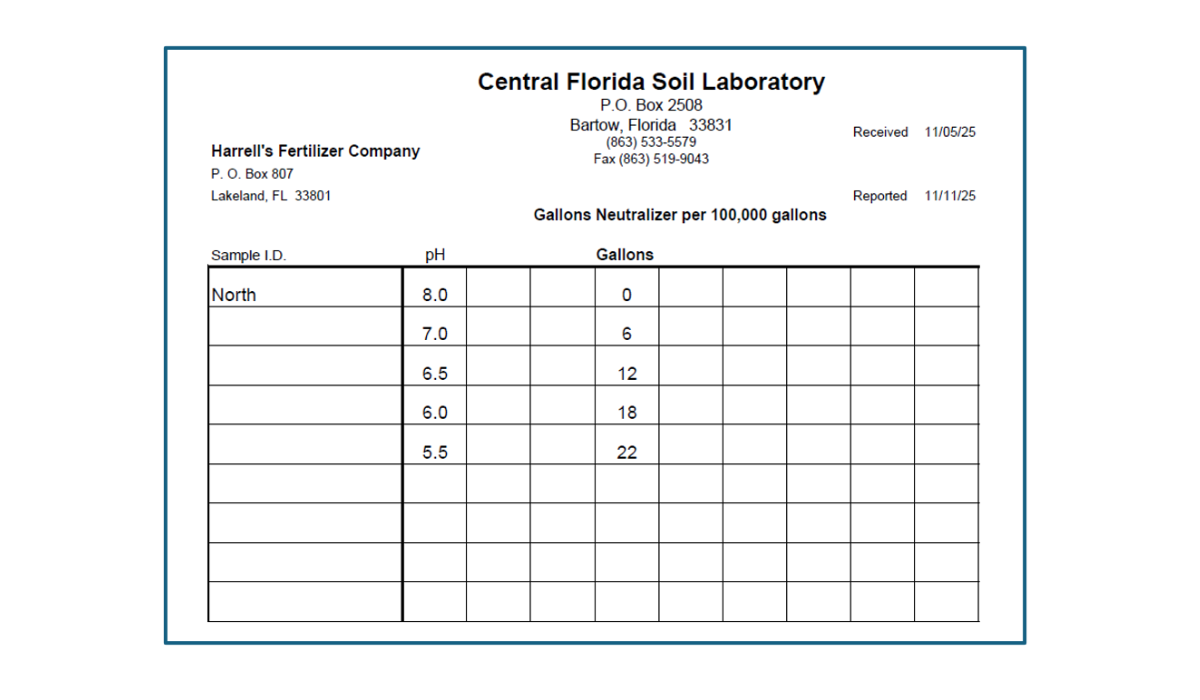
A common way to correct irrigation water with high pH and bicarbonates is acid injection, which reduces high pH while simultaneously liberating the bicarbonate component. A laboratory can determine the target acid injection by titrating the irrigation water with acid to determine the amount of acid to use.
Here is an example of a water quality analysis with high pH, TDS, sodium, and bicarbonates, along with the laboratory technique used to correct pH and bicarbonates:
High Sodium Leads to Poor Irrigation Water Quality
Sodium displacement with gypsum
While water with high pH and bicarbonates can be more easily addressed with acid injection, this technique does not necessarily reduce sodium levels, which may result in a water source that still has high sodium values if all three undesirable characteristics are present. An effective mechanism for minimizing the undesirable effects of sodium is applying gypsum.
Applied gypsum, calcium sulfate, promotes the displacement of sodium in the soil. Displaced sodium is then subject to leaching, reducing the potential for soil osmotic effects and plant uptake. Typical gypsum application rates range from 100 to 500 pounds per acre depending on height of cut, frequency, and severity of the sodium issue.
Improve turfgrass tolerance
Another mechanism for addressing high salinity is to potentially help the turfgrass acclimate to high soil sodium. This strategy utilizes Bacillus subtilis, a natural soil microorganism, that has demonstrated the ability to help mitigate soil salinity in some field crops (Ferreira et al., 2018). The potential mode of action associated with Bacillus subtilis, a plant growth-promoting bacteria, involves the production of substances such as enzymes and organic compounds that impart tolerance to high salinity.
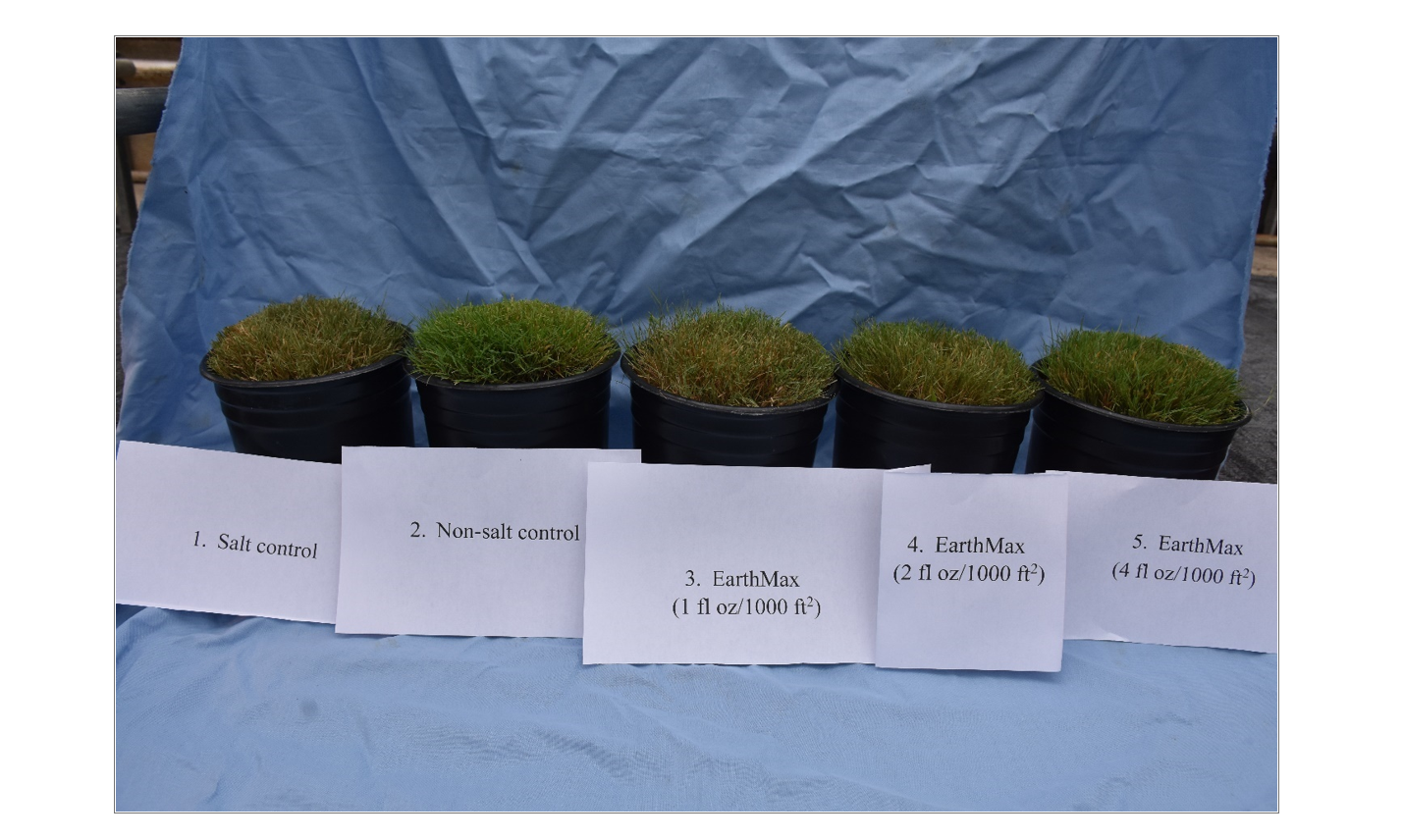
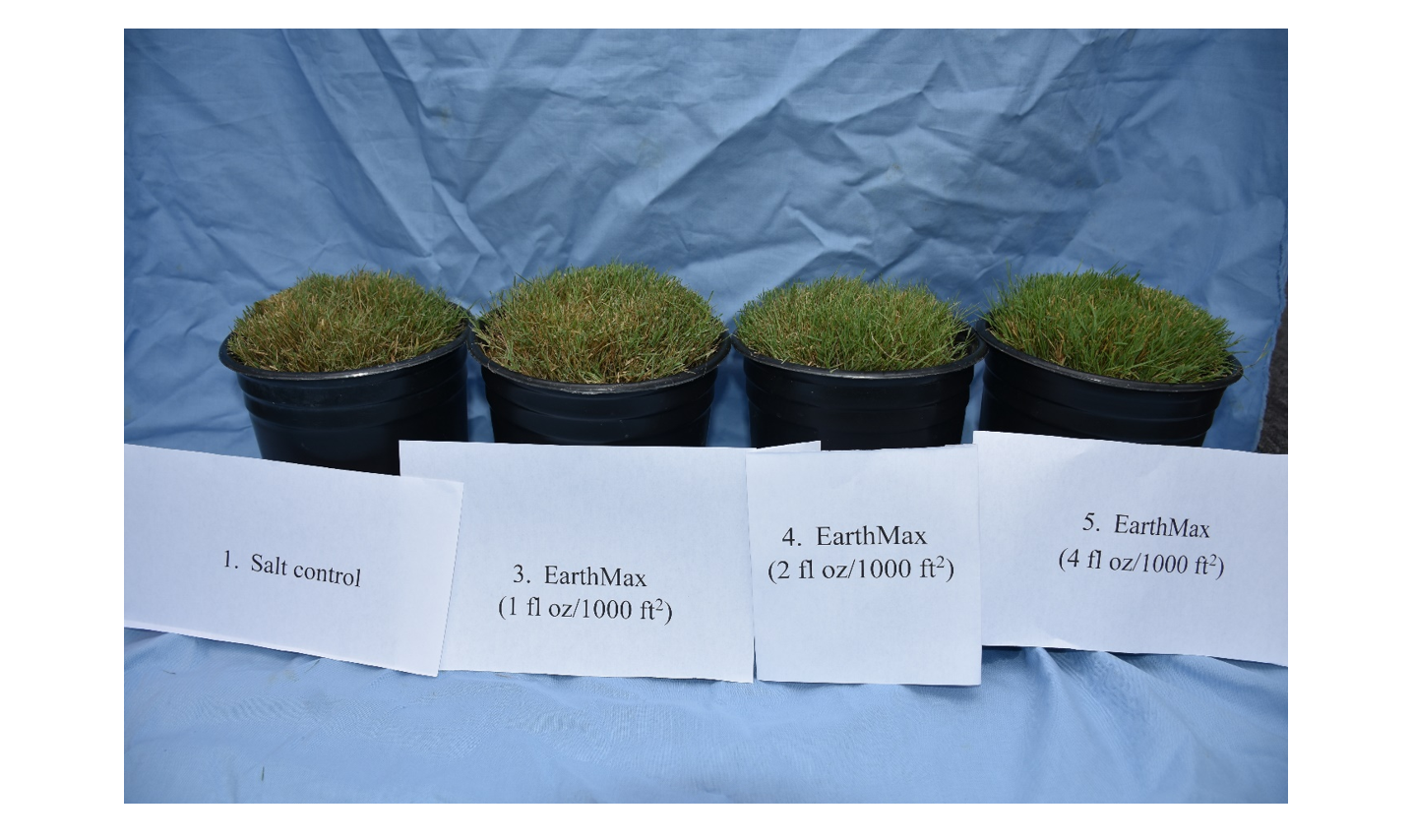
An investigation into the potential effects of Harrell’s Bio-MAX® EarthMAX® Organic on turfgrass exposed to high salinity was initiated following the confirmation from a Waters Agricultural Laboratories analysis that identified the presence of Bacillus subtilis in EarthMAX® Organic. Dr. Xunzhong Zhang, Virginia Tech University, conducted a growth chamber study in which EarthMAX® Organic was applied to creeping bentgrass to improve the physiological fitness of the turf when under salt stress.
The results of this study indicated that EarthMAX® Organic applied at 1, 2, and 4 fl oz/1000 sq ft biweekly improved leaf color, clipping production, and root viability. In addition, EarthMAX® Organic tended to reduce sodium uptake and increase potassium and magnesium uptake relative to the salt control. Consider using a dual strategy of displacing sodium and promoting acclimation to high salinity.
Hard Water and Poor Irrigation Water Quality
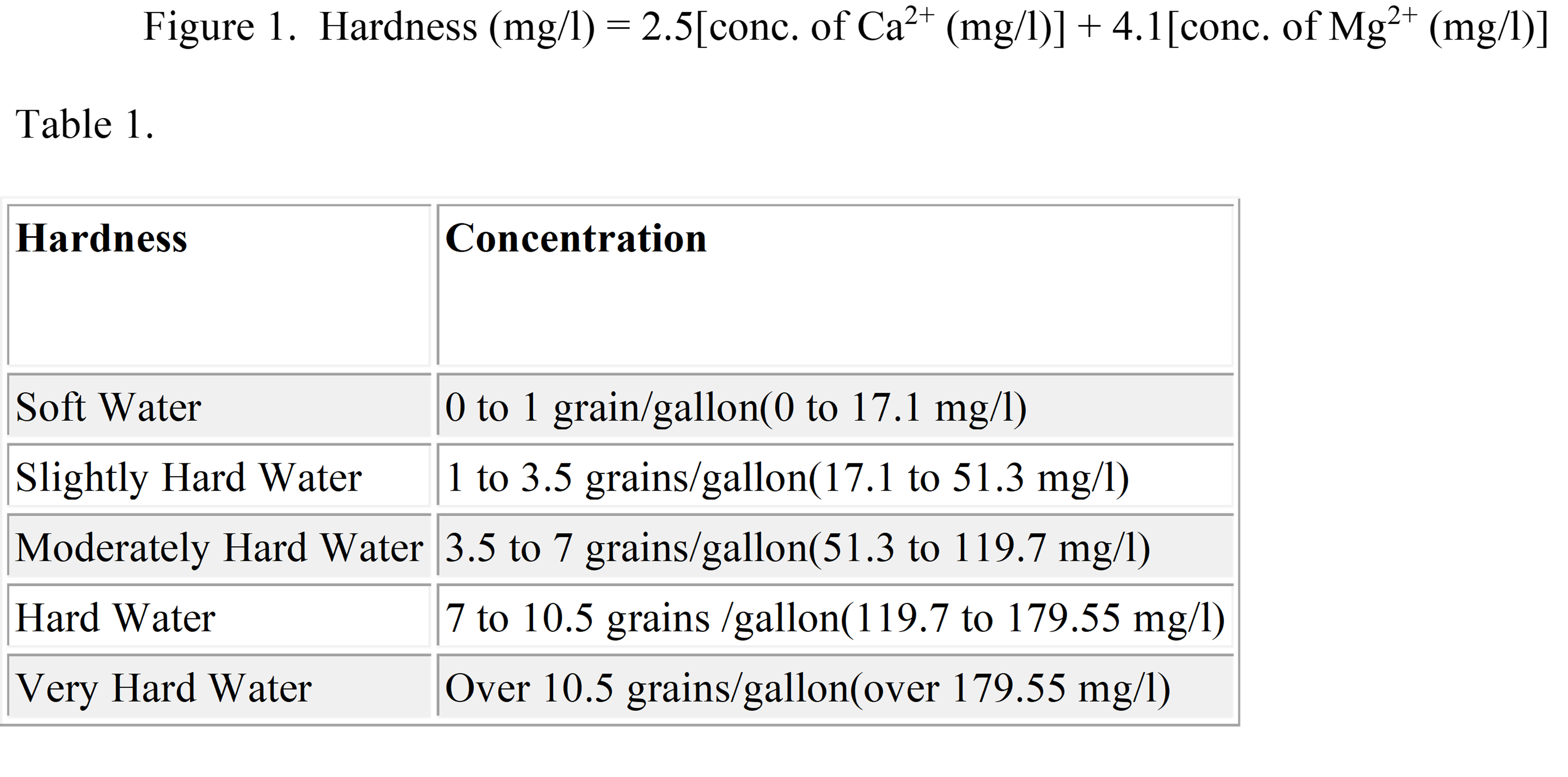
Water hardness measures the total concentration of calcium (Ca2+) and magnesium (Mg2+), often expressed as parts per million (ppm) or milligrams per liter (mg L-1) (Figure 1). Table 1 can be used as a reference for categorizing water hardness based on values from a water quality analysis. Hard water ions react with certain pesticides, especially herbicides, causing them to precipitate out of solution and reduce overall pesticide efficacy when hardness is excessive.
The effect of hard water on isopropylamine salt formulations of glyphosate is a classic example of a pesticide that can be affected by hard water. Herbicides formulated as salts, such as glyphosate, dissociate in water, forming a positively charged species (cation) and a negatively charged species (anion).
Hard water contains elevated concentrations of positively charged Ca and Mg, which compete with the isopropylamine cation for association with the glyphosate anion. Overall glyphosate efficacy is reduced because the glyphosate anion, in combination with Ca and Mg, precipitates out of solution and is less likely to be absorbed into the plant leaf. Other pesticides that form salts in water are similarly affected by the calcium and magnesium in water.
Several methods can reduce the antagonistic effects of hard water. Adding ammonium sulfate (AMS) to the tank solution is a commonly used technique. In water, AMS dissociates into ammonium cations and sulfate anions. The ammonium cation can compete with Ca and Mg to reduce the formation of undesirable glyphosate Ca and Mg salt combinations.
The following equation can be used to calculate the amount of AMS required:
AMS (lbs./100 gal) = (0.005 x sodium ppm) + (0.002 x potassium ppm) + (0.009 x calcium ppm) + (0.014 x magnesium ppm)
For most water quality conditions, the use of 8.5 lbs. AMS/100 gal water is suitable. Adjuvants that contain AMS, such as Harrell’s SprayMAX® Herbicide Activator, which are specifically formulated to enhance herbicide efficacy, can be utilized to combat the negative effects of hard water conditions.
Know How to Handle Poor Irrigation Water Quality
In summary, poor water quality can negatively affect pesticide efficacy, plant health, and soil health. Mitigating the characteristics of poor water quality requires characterization of the water source and implementing corrective actions. Water quality analysis helps identify potentially undesirable characteristics of irrigation or tank solution water.
Consider a holistic approach to poor water quality, such as direct water treatment, soil management, and improved plant tolerance through plant health inputs. Corrective actions should intentionally target water quality parameters identified in laboratory reports.
Connect with Your Harrell’s Rep to Diagnose Your Poor Irrigation Water Quality
Understanding and mitigating poor irrigation water quality is an integral part of ensuring the lasting success of your watering program. Know the symptoms, perform regular tests, and have a program in place to address any issues that may arise, with the right products and procedures.
Your local Harrell's rep is your best resource for diagnosing issues and providing you with the products and recommendations needed to revitalize your irrigation water. Connect with them today and future-proof your irrigation strategy.
Related Resources

In addition to being the nation’s largest distributor of branded fungicides, herbicides, and insecticides, Harrell’s produces custom-blended fertilizers, specialty liquids, and wetting agents. Additionally, Harrell’s is the exclusive US owner, formulator, and distributor of all POLYON® branded products.
TEAM HARRELL'S
STAY EQUIPPED
Never stop learning. Access FREE continuing education courses from Harrell’s.
LET'S GROW
PRESS RELEASES
PRESS RELEASES
STAY EQUIPPED
Never stop learning. Access FREE continuing education courses from Harrell’s.
LET'S GROW