

Fusarium – The What and The Why
7/19/2022 - By Lynn Griffith
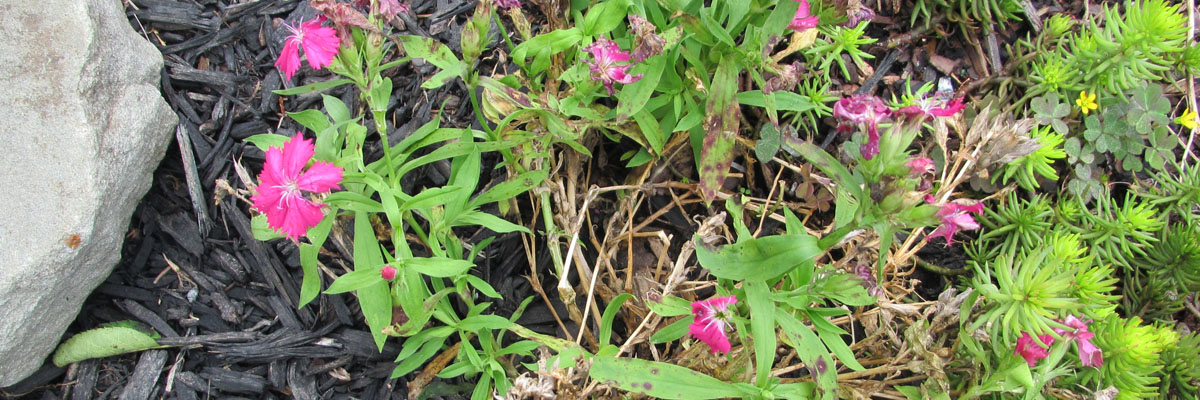
Fusarium is one of the most widespread potential plant pathogens in the world. The name comes from the Latin ‘fusus’, which means ‘spindle’, because it looks like a spindle under a microscope. It is a filamentous fungus which can be found in soils in many parts of the world.
What is Fusarium?
The fungus has a number of unusual characteristics about it. It can cause plant disease in virtually all types of crops, from vegetables to grains to ornamentals, tree crops and even turfgrass. It can also attack virtually any plant part, roots, stems, twigs, leaves, flowers and fruits. Fusarium is also known as a human pathogen. Not many fungi are capable of causing disease in both humans and plants.
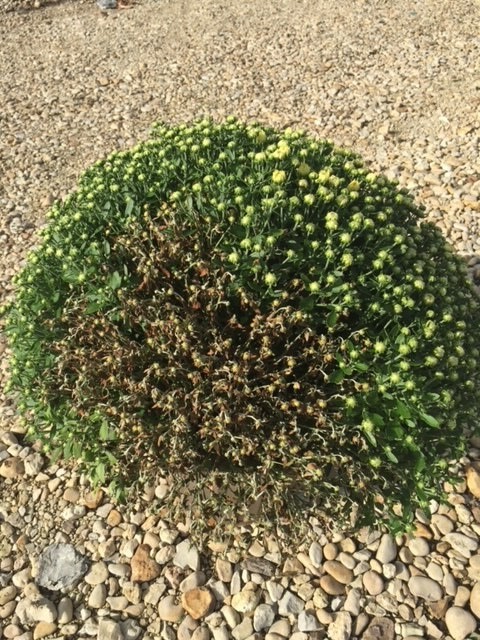
Types of Fusarium
There are over 300 recognized species of Fusarium, within those are different pathovars and races. Some of these species cause incurable diseases, such as Fusarium wilt. Other types of Fusarium cause curable plant diseases which can be helped with specific treatment. On the other hand, many others don’t cause plant disease at all.
The two most common species in my experience are Fusarium oxysporum and Fusarium solani, but there are countless others. Fusarium moniliforme causes orange-colored leaf spots in a number of ornamentals. Fusarium can also cause patch diseases in turfgrass.

How Can You Treat it?
Fusarium is often more active and virulent in acidic soils. In the old days, before we had fungicides and soil fumigants, the way farmers would combat Fusarium wilt in their crops was by liming the soil. Fusarium is also less of a problem when growers use largely nitrate nitrogen sources. However, you do have to be careful what products you use, as ammonia and urea nitrogen tend to aggravate Fusarium infection problems.
Product Recommendations
In addition to these cultural controls, growers have a number of fungicide options for chemical controls. Fusarium leaf spot is normally controlled with Daconil or Spectro 90, along with keeping foliage dry. Crown and stem Fusarium can be controlled to an extent with applications of Astun, Medallion, Mural, Empress, Chipco 26019 and Thiophanate-methyl fungicides. For root rot diseases, Torque and the new Postiva are rated as ‘excellent’. Empress is also very good as are Chico 26019 and Tourney, for this disease. Recent research also has shown that rotating drenches with Orkestra® Intrinsic® and Avelyo™ provides excellent Fusarium control.
Fluoxastrobin SC has demonstrated excellent activity on Fusarium diseases including wilts when applied preventatively. Fluoxastrobin can be applied as a drench or surface spray and is effective at low rates (0.15-0.60 fl oz/100 gal) making it a cost-effective solution for managing Fusarium. With systemic movement in the plant and excellent knockdown and curative activity, Fluoxastrobin is a versatile tool in any program. Check out the all-new ProtectMAX® Fluoxastrobin SC as a great option.
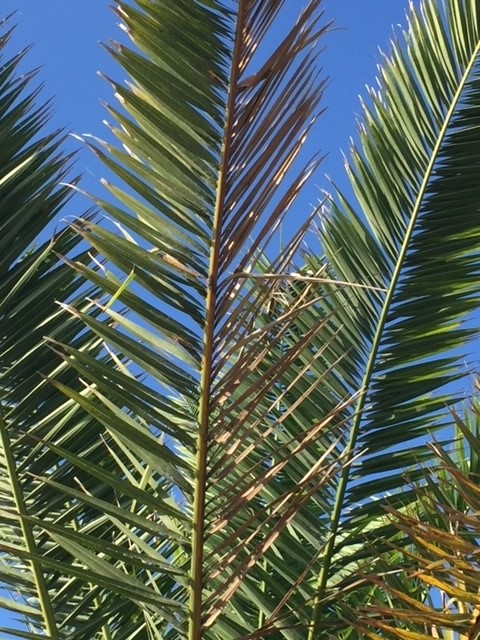
In palm growing regions, we have two strains of Fusarium wilt. One primarily attacks Phoenix palms such as Canary Island date palms, the other infects both queen palms and washingtonias. This latter strain can turn a normal-looking queen palm or Washingtonia into a dead, freeze-dried-looking palm in as fast as three weeks or less. So far, there are no cures for Fusarium wilt, it can be spread by pruning tools or spores that are splashed or blown from palm to palm. The only option right now is to replace with resistant palm species.
For more information on Fusarium and how you can treat/prevent large spread, reach out to your local Harell's Representative.
Related Resources

In addition to being the nation’s largest distributor of branded fungicides, herbicides, and insecticides, Harrell’s produces custom-blended fertilizers, specialty liquids, and wetting agents. Additionally, Harrell’s is the exclusive US owner, formulator, and distributor of all POLYON® branded products.
TEAM HARRELL'S
STAY EQUIPPED
Never stop learning. Access FREE continuing education courses from Harrell’s.
LET'S GROW
PRESS RELEASES
PRESS RELEASES
STAY EQUIPPED
Never stop learning. Access FREE continuing education courses from Harrell’s.
LET'S GROW