

Five Steps to Turf Tissue Testing
5/7/2021 - By Mike Hess
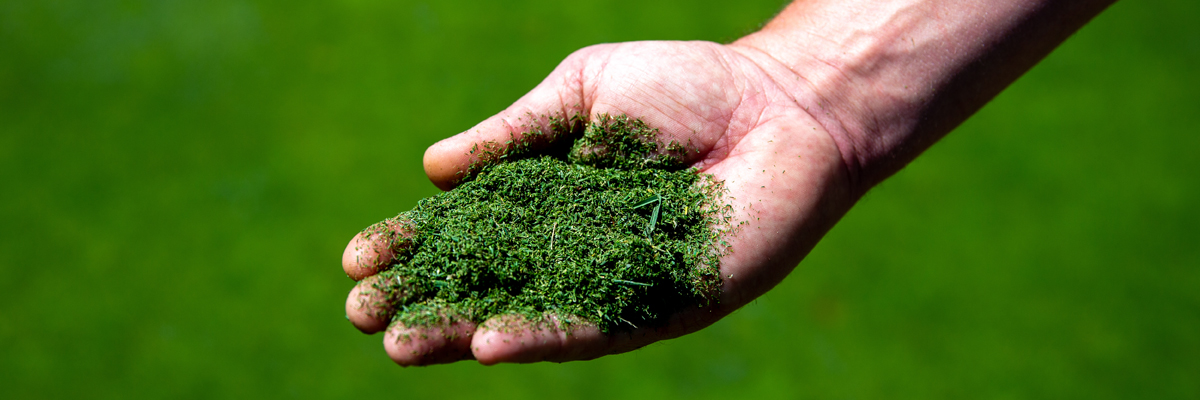
Have you ever looked at your turf and thought, “I wish I could get a nearly exact reading of what’s going on inside there so I can put together a program which suits my needs perfectly.” Tissue sampling is a great way to help you determine exactly which nutrients your turf is getting plenty of, and which your turf is deficient in. Tissue testing combined with soil testing will help you get an overall picture of nutrient health, but these two tests serve quite different purposes. A soil test diagnoses nutrients in the soil whereas a tissue test analyzes the uptake of nutrients in the plant. Take a look at the following 5 steps to tissue testing:
Step 1: Frequency of Tissue Testing
It is recommended that tissue sampling be taken 1 to 2 times per year and can be taken around the same time as soil testing, at the beginning and the end of the growing season. For southern climates up to 4 times per year would be ideal, whereas northern climates should find that 1-2 is enough. Just as soil changes over time, tissue has shifting needs as it goes through periods of stress and relief. Therefore, we recommend you conduct additional tissue tests after periods of turf stress.
Step 2: Choosing Tissue Sites
The number of collection sites, depends on the number of variations in rootzone conditions and turf types on your greens. You can pool collections together if the collection sites have similar rootzone conditions and turf types, but samples from different conditions and types should be collected separately. Wait 5-7 days following the application of any fertilizer or foliar products prior to collecting tissue, samples. This will ensure that all nutritional and plant protection products have been absorbed and synthesized by the plant, leaving you a true reflection of plant health.
Step 3: Storing Tissue Samples
You will want to place tissues samples in a paper bag. Utilization of a paper bag is important as it allows the clippings to breathe as they dry out. A plastic/plastic lined bag is airtight and would not allow air/moisture to escape, potentially causing unwanted contamination overtime and preventing the sample from drying.
Step 4: Collecting Tissue Samples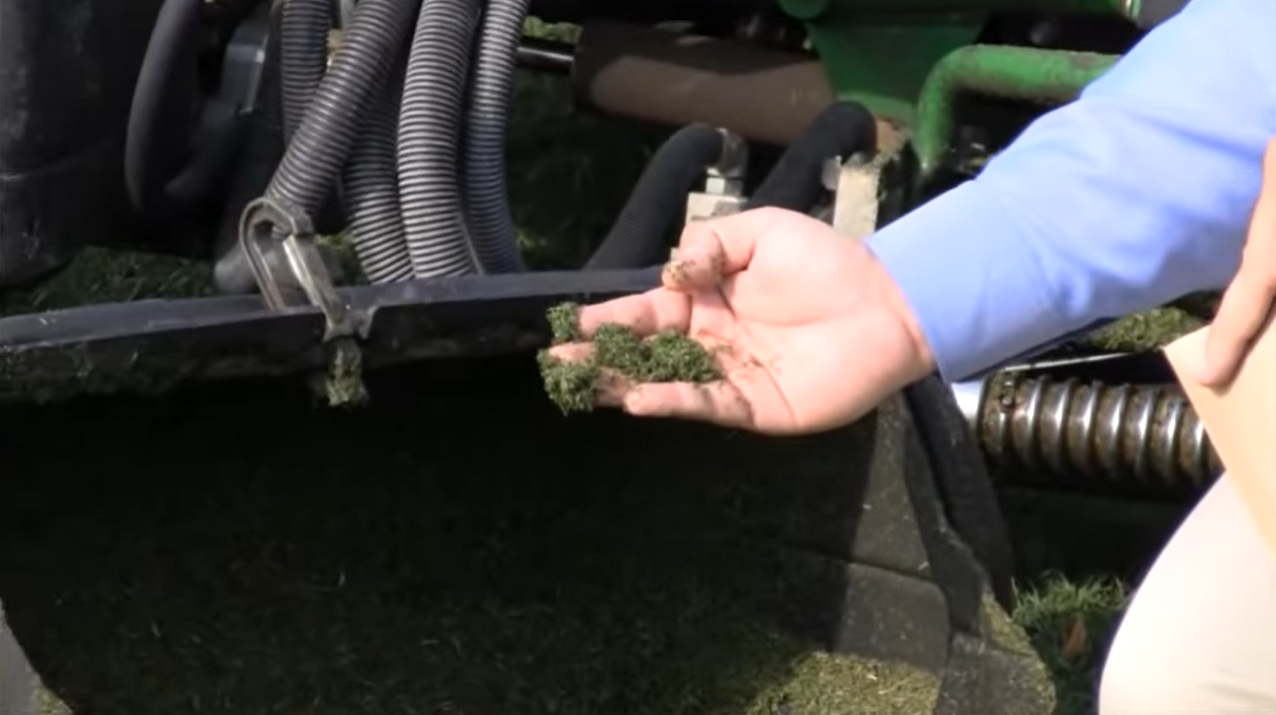
Using a clean mower, mow your turf as you would normally collecting the clippings in the mowing basket as you mow.
Once you’ve collected the clippings in the mower basket, look carefully and remove any unwanted debris or leftover remnants from granular fertilizers, which can easily throw off your analysis, as well as any other unwanted grasses/greens which might have made their way into your clippings. You will want to fill the brown paper bag about 1/3 full of pure turf samples.
Step 5: Analyzing the Results
After you’ve collected your tissue samples, you’re ready to drop them off at the Lab for analysis. The lab will provide you with your tissue test results. Once you get your test results back, you can take the next steps of working with your Harrell's representative to design a foliar program based around your specific nutritional needs. Tissue testing is the best way to analyze your plants’ nutrition and if needed, modify your plant health program for optimal plant nutrition and health.
For more information about tissue testing, check out this video by Dr. Raymond Snyder:
Related Resources

In addition to being the nation’s largest distributor of branded fungicides, herbicides, and insecticides, Harrell’s produces custom-blended fertilizers, specialty liquids, and wetting agents. Additionally, Harrell’s is the exclusive US owner, formulator, and distributor of all POLYON® branded products.
TEAM HARRELL'S
STAY EQUIPPED
Never stop learning. Access FREE continuing education courses from Harrell’s.
LET'S GROW
PRESS RELEASES
PRESS RELEASES
STAY EQUIPPED
Never stop learning. Access FREE continuing education courses from Harrell’s.
LET'S GROW