

POLYON® Yields in Sugarcane
1/12/2022 - By Dr. Tom Reed
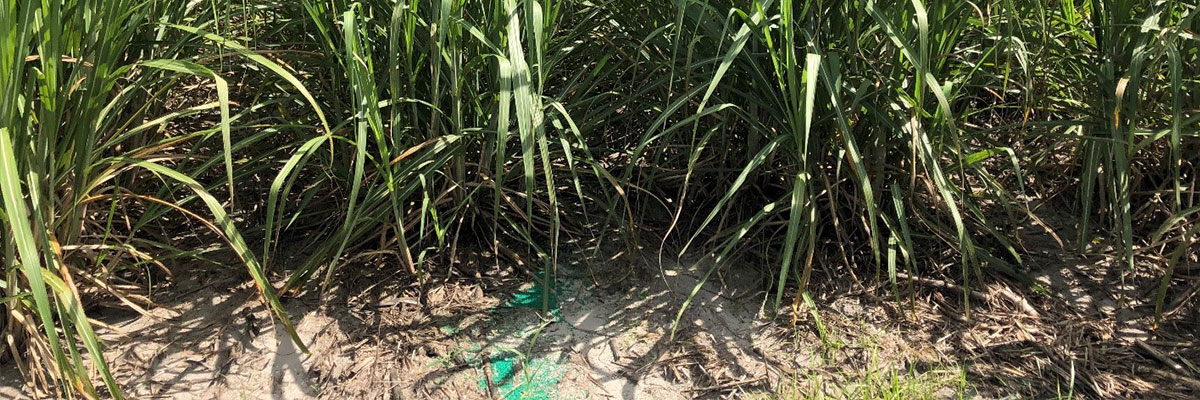
Sugar throughout the world is mainly sourced from the harvested sucrose stored in sugarcane’s stalk. Sugarcane is a grass grown in tropical and subtropical regions that has similar botany to other grasses. Florida is the largest producer of sugarcane nationally, though it is a multiyear crop, with a season ranging from 10 to 16 months. Sugarcane is propagated vegetatively, following the harvest of the first sugarcane crop, the regrowth or ratoon cane is harvested approximately once a year until a determined yield decline.
Florida sugarcane production is expanding on mineral soils. Nutrients such as Nitrogen (N) and Potassium (K) may be rapidly leached on these mineral soils with low organic matter and cation exchange capacity. Traditionally, conventional fertilizer sources need multiple split applications to provide agronomic needs of the crop. These multiple conventional applications require additional time, labor, and resources which leaves them vulnerable to leaching. This has provided an opportunity for Harrell’s POLYON® controlled release fertilizer (CRF) blends to demonstrate value to the grower agronomically and environmentally to the greater community. Commercial use of POLYON® blends with a single application have maintained or increased sugarcane biomass and sucrose yield while reducing applications and total nutrients applied. In a study on ratoon cane, a five-ton net yield increase was achieved with a single application of a POLYON® blend with less than 65% N and K applied compared to the four-application grower standard.
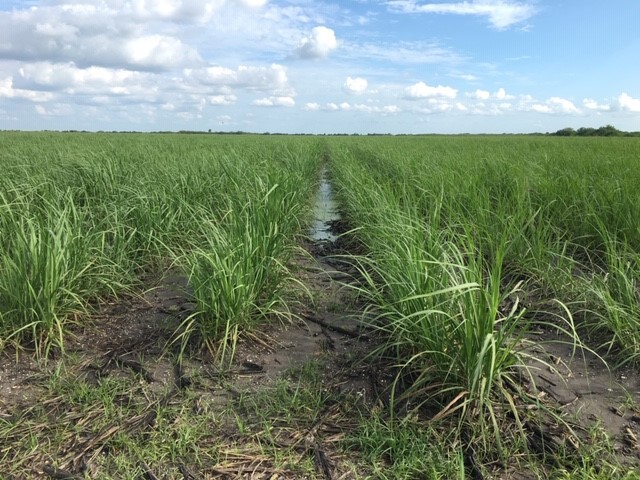
Harrell’s POLYON® blends are versatile for growers and have been successfully incorporated into hybrid programs consisting of conventional and CRF applications. In this scenario, a conventional application(s) could be utilized at the start of the season and the POLYON® blend can be optimized to replace the remaining conventional applications and carry on the crop, through the grand growth period of sugarcane from June to October. This period also coincides with the rainy season in Florida, where feet of rain may fall. These hybrid programs have the potential to be more economical and further reduce total nutrient application.
Harrell’s is continually evaluating fertilizer blends for yield and nutrient efficiency optimization. Harrell's POLYON® blends are engineered to provide nutrients over time at a predictable rate under specified conditions.
Related Resources

In addition to being the nation’s largest distributor of branded fungicides, herbicides, and insecticides, Harrell’s produces custom-blended fertilizers, specialty liquids, and wetting agents. Additionally, Harrell’s is the exclusive US owner, formulator, and distributor of all POLYON® branded products.
TEAM HARRELL'S
STAY EQUIPPED
Never stop learning. Access FREE continuing education courses from Harrell’s.
LET'S GROW
PRESS RELEASES
PRESS RELEASES
STAY EQUIPPED
Never stop learning. Access FREE continuing education courses from Harrell’s.
LET'S GROW