

Poinsettias - Proper Care and History of the "Christmas Eve Flower"
9/26/2023 - By Dr. Aaron Palmateer
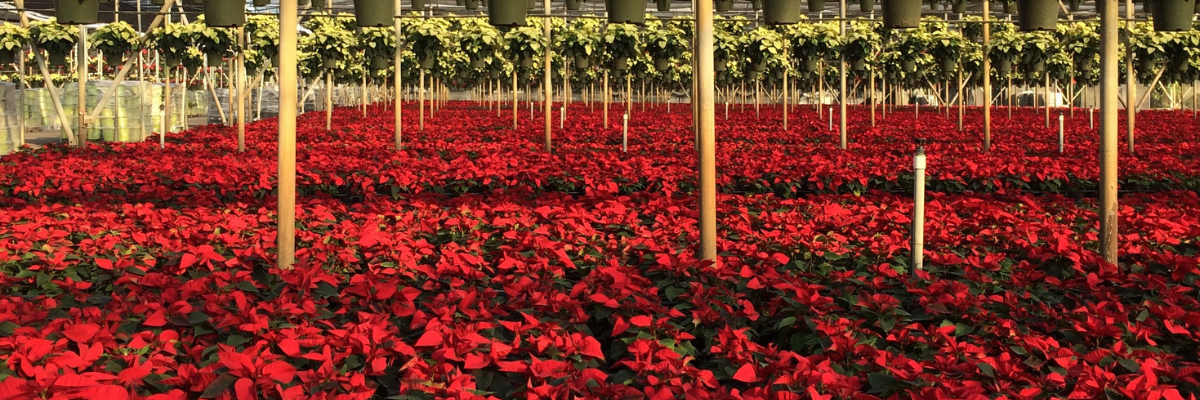
Many people may
not know that the poinsettia (Euphorbia pulcherrima) has quite a history
that dates back to ancient Mexico. Poinsettias are native to Taxco del
Alarcon in southern Mexico, where they were cultivated by the Aztecs and Mayans
long before the arrival of Europeans. The Aztecs called the plant
"Cuetlaxochitl," and they used its colorful bracts (which are leaves)
to make reddish-purple dye for textiles and cosmetics. They also used the
plant's latex, called "milky sap," for medicinal purposes.
History on
Poinsettias
The poinsettia was introduced to the United States by Joel
Poinsett, the first U.S. Ambassador to Mexico, in the early 19th century.
Poinsett was an avid amateur botanist, and he brought the plant back to South
Carolina in the 1820s, in honor of his contributions to horticulture, the plant
was named after him. And now, here we are two centuries later where poinsettias have been
widely cultivated and hybridized to enhance ornamental value, with plant
breeders focusing mainly on developing varieties with larger and more vibrant
bracts. Present-day poinsettias come in various sizes and colors, including red, white, pink, and multicolored variegated types.
Poinsettias Today
Today poinsettias are the top-selling potted plant in the United States and Canada, particularly where they are widely used for festive decorations in homes, landscapes, corporate offices, churches, and other public places. The poinsettia plays a significant role, especially during the holiday season where sales peak in December when they are used as festive decorations. They are often associated with the Christmas season and are called "Flor de Nochebuena," meaning "Christmas Eve Flower" in Spanish.
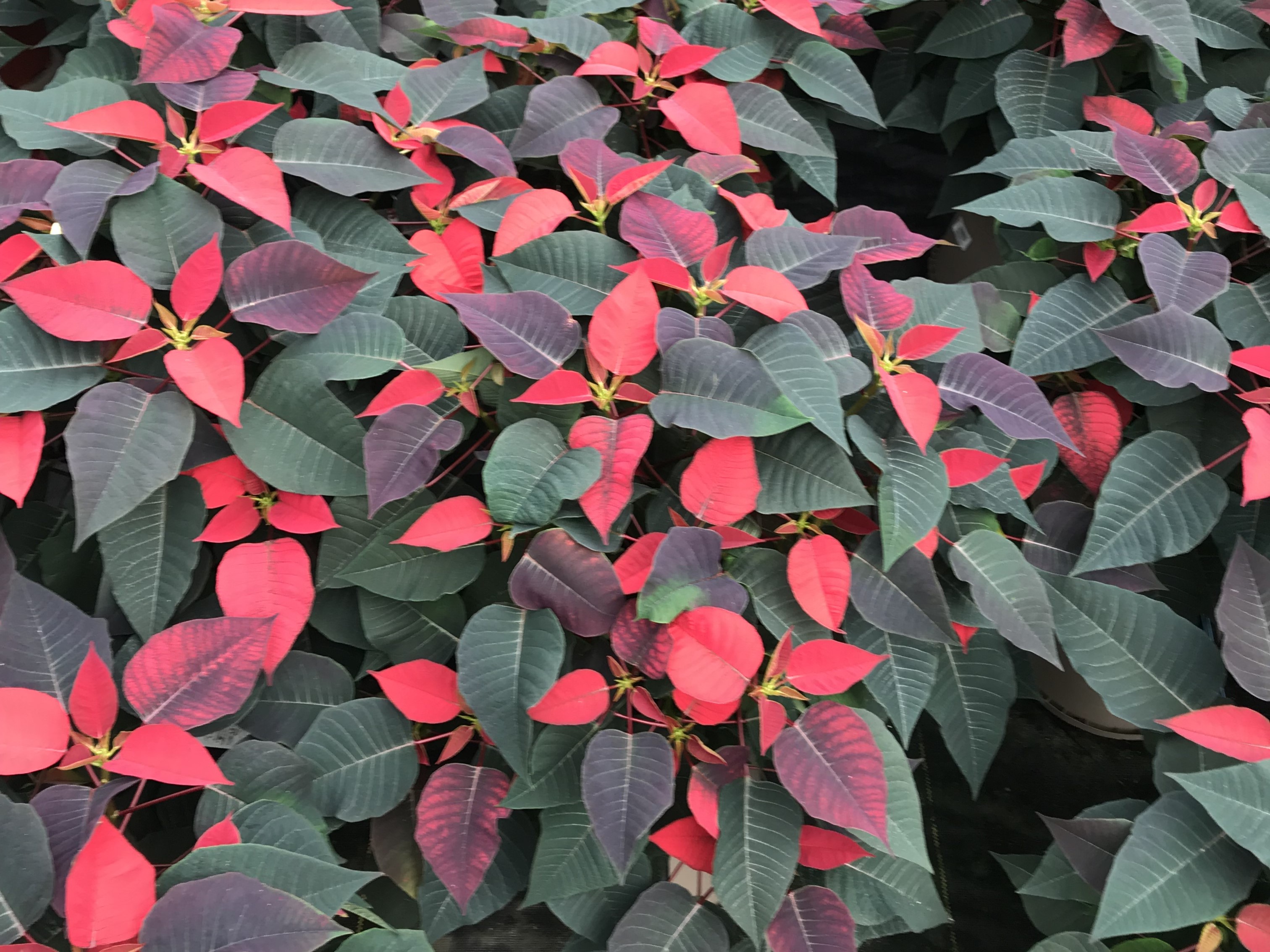
Growers choose poinsettia cultivars based on color, size,
and growth characteristics that will meet the demand of their sales market. Most
commercial production of poinsettias starts from cuttings (vegetative
propagation) to ensure offspring that are genetically identical to the parent
plant, allowing for faster growth and development than growing from
seed. Just keep in mind that one downfall to having large plant populations
that are genetically identical is that it can lead to significant pest and
disease pressure.
Tips for Poinsettia
Growth
Depending on the location, commercial poinsettia production can begin as early as July. When starting production, unrooted cuttings are stuck in soilless media where moisture levels can be monitored by adjusting mist, according to the weather conditions. Preventative fungicides to manage Botrytis and Pythium should begin 48 hours after sticking, with one all new and exceptionally effective option being Harrell's ProtectMAX® Fluoxastrobin SC. Fluoxastrobin is an exciting addition to the portfolio that will control both pathogens and a broad array of other poinsettia diseases (i.e., Alternaria, Anthracnose, Myrothecium) when incorporated into fungicide programs. Fungus gnat (Bradysia spp.) larvae like to feed on root hairs and small roots in propagation and insect growth regulators such as Distance IGR, contact insecticides, Pylon, or a microbial option DiPel® Pro DL is essential for control.
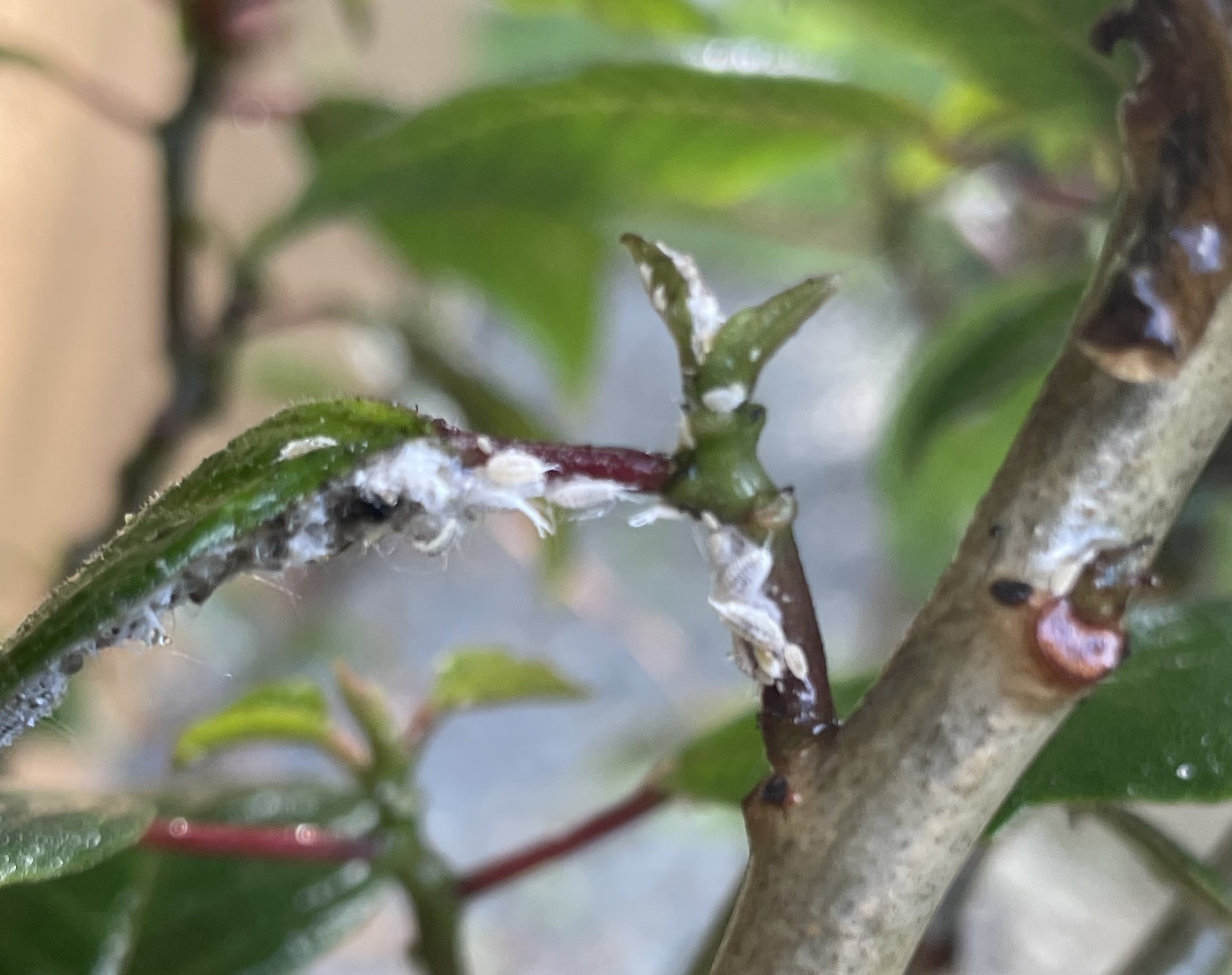
Regular
scouting for whiteflies and other insect pests (including mites) should begin in the
early stages after transplant. The use of drench applications (i.e., Flagship®, Marathon, Safari® 20 SG) or non-neonicotinoid systemics (i.e., Altus, Kontos, Mainspring® GNL)
can be applied about 3 – 4 weeks after planting, for optimum root uptake, this
should provide longer residual protection from pests as compared to spray
applications. The use of sticky cards is a great tool to help scouting and
documenting pest populations. The poinsettia crop should be monitored daily
making sure to examine both roots and leaves, taking digital images with a
smartphone is an excellent way for record keeping and capturing all stages of
crop production. Don’t forget, as the canopy enlarges to space plants out allowing
for adequate air movement, especially during cooler periods to avoid late-season Botrytis.
Reach Out to Your Harrell’s Rep
If
you have any further questions about poinsettias, care, prevention, or any of
the products mentioned, reach out to your local Harrell's Representative.
Related Resources

In addition to being the nation’s largest distributor of branded fungicides, herbicides, and insecticides, Harrell’s produces custom-blended fertilizers, specialty liquids, and wetting agents. Additionally, Harrell’s is the exclusive US owner, formulator, and distributor of all POLYON® branded products.
TEAM HARRELL'S
STAY EQUIPPED
Never stop learning. Access FREE continuing education courses from Harrell’s.
LET'S GROW
PRESS RELEASES
PRESS RELEASES
STAY EQUIPPED
Never stop learning. Access FREE continuing education courses from Harrell’s.
LET'S GROW