

Poa annua Management in Dormant Bermudagrass - What's the Answer
8/29/2024 - By Dr. Jeff Atkinson
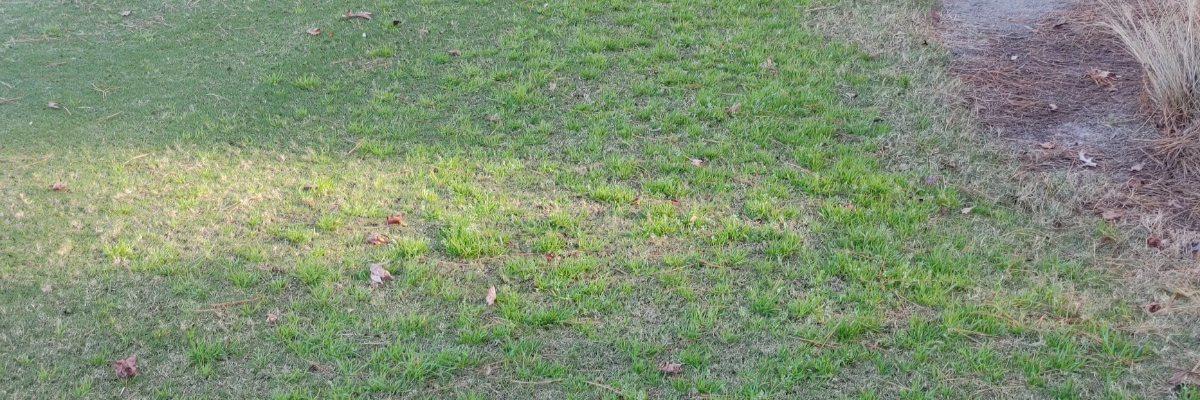
As the dog days of summer are here it is hard to think about
Poa management for the coming fall and winter months. The truth is, Poa
season is around the corner and now is the time to build an effective
program. Keeping in mind key principles related to the biology of Poa,
herbicide selection, and herbicide application timing are sure to maximize the
effectiveness of a Poa management program in non-overseeded dormant
bermudagrass.
Of the chronic pests plaguing turfgrass managers, Poa
annua eradication may be the most challenging of them all. Herbicide
resistance, adaptability to a wide range of environmental conditions, and
prolific seed production are a few of the reasons P. annua continues to
thrive. For these reasons, a Poa annua control program should have
reasonable expectations as complete eradication is challenging to achieve.
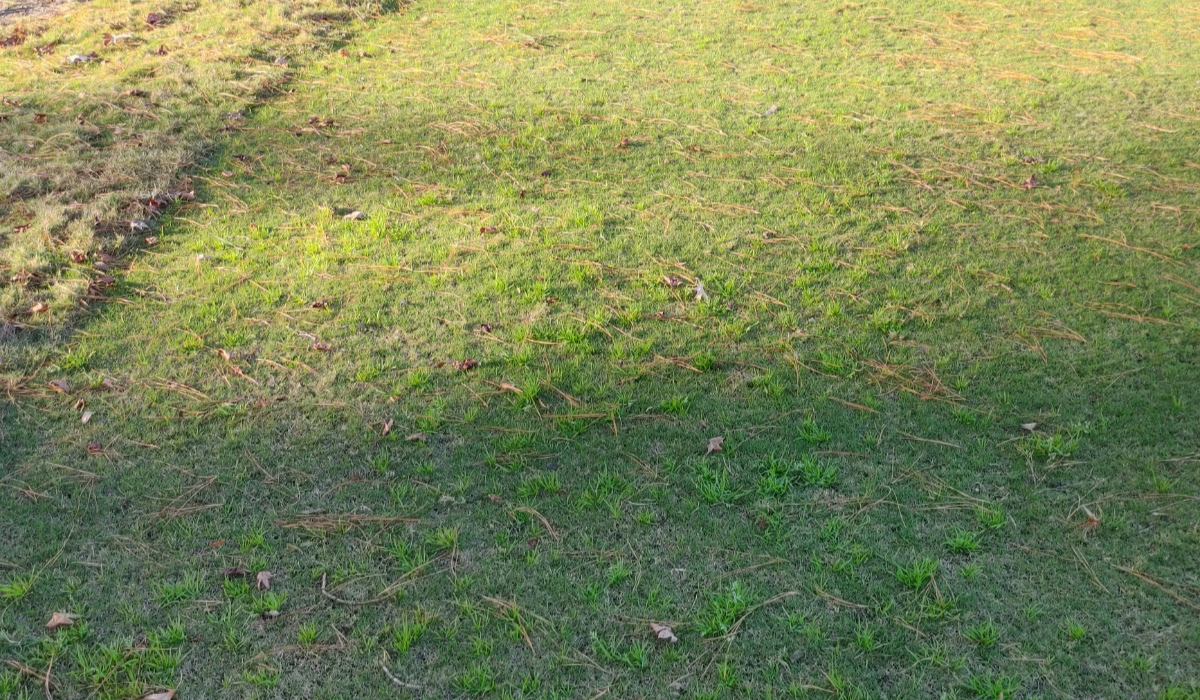
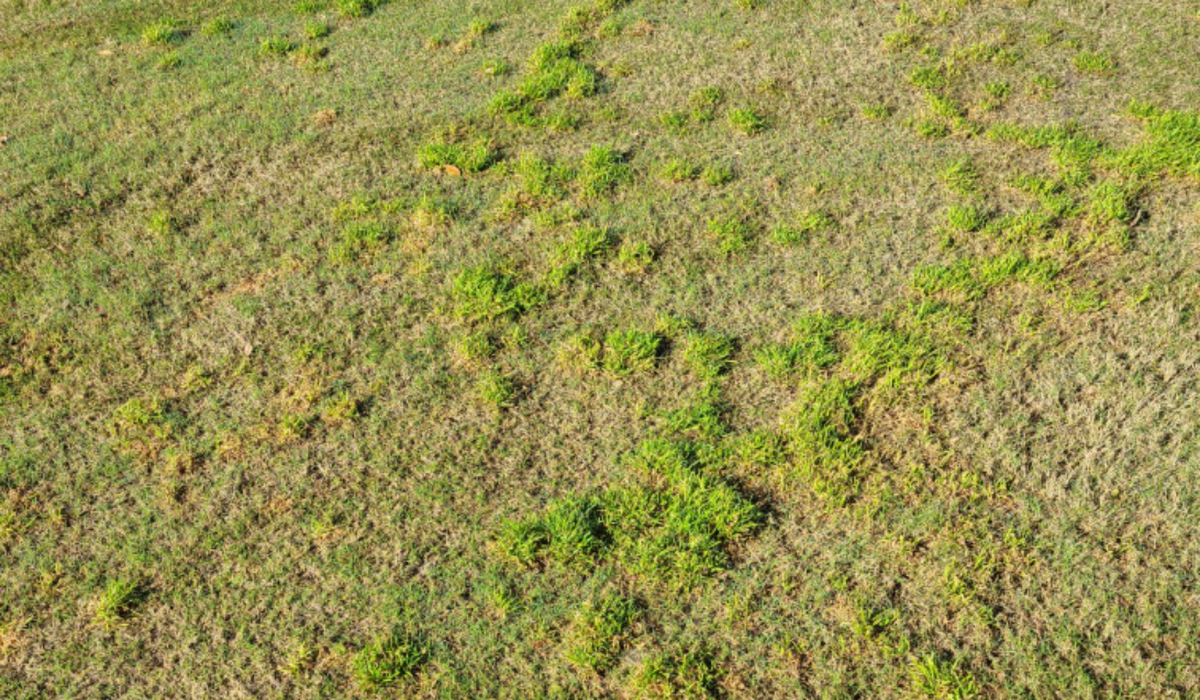
Figure 1. Poa annua eradication in
non-overseeded bermudagrass is challenging to achieve. All too often,
superintendents find themselves with difficult-to-control Poa escapes the
following spring.
Poa annua Long Germination Window
Research by McElroy et al. (2004) recognized that eight Poa annua ecotypes
could germinate in a wide range of environmental conditions. Extreme heat,
102/84°F
Day/night temperatures, brought limited germination of most ecotypes. Maximum
germination occurred for all ecotypes in day/night temperatures of 66/50°F.
Considering the mild winters often experienced by much of
the southeastern United States and the optimum Poa germination window
identified by McElroy et al., it is no surprise turf managers often observe Poa
germination through the fall, winter, and spring months.
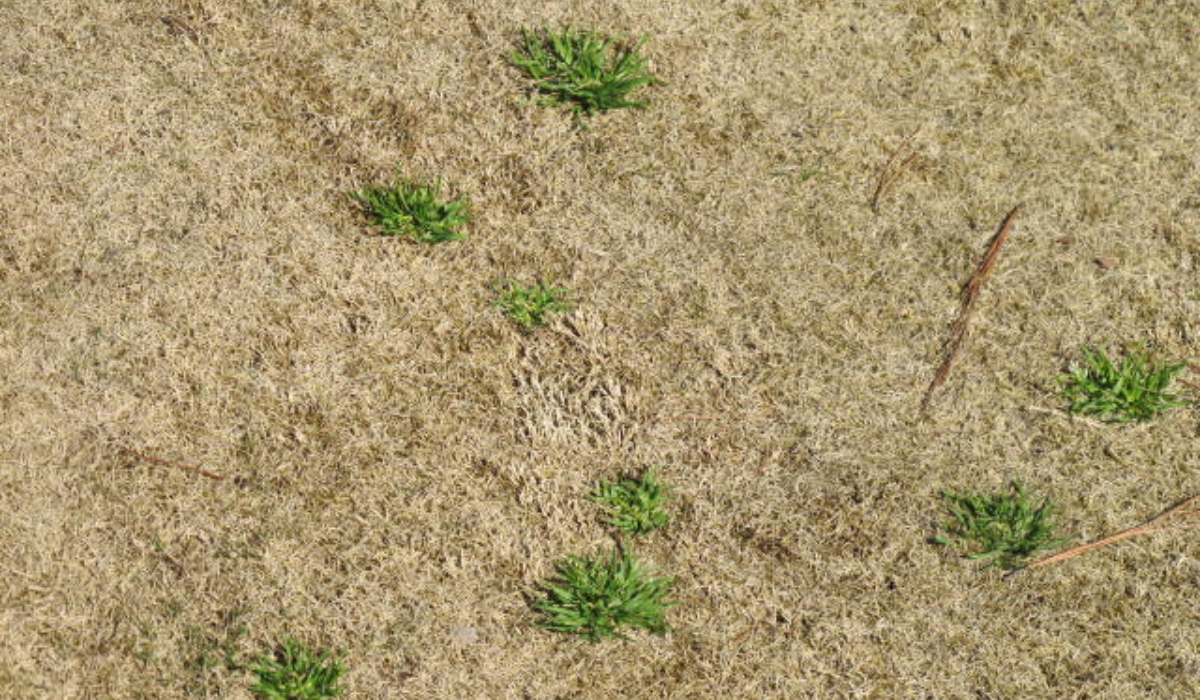
Poa annua Management Options
Successful Poa annua management programs in
non-overseeded dormant bermudagrass often incorporate both PRE- and POST-emergence
herbicide chemistries. The first application of a program is traditionally a
PRE herbicide applied in late summer or early fall before Poa
germination. More recently, many turf managers are delaying the initial PRE
application and combining it with POST chemistry in mid-fall, because the
longevity clock of PRE applications begins to tick as soon as the material is
applied. Considered alongside the long germination window of Poa annua
it is easy to see why many programs fail when they rely solely on an early PRE
application.
Applying a PRE + POST combination later than a traditional
PRE application may seem like an odd approach at first pass, after all this
approach allows Poa to germinate! The objective is to control germinated
seedlings at an early growth stage when they are easier to control while
extending the longevity of the PRE chemistry.
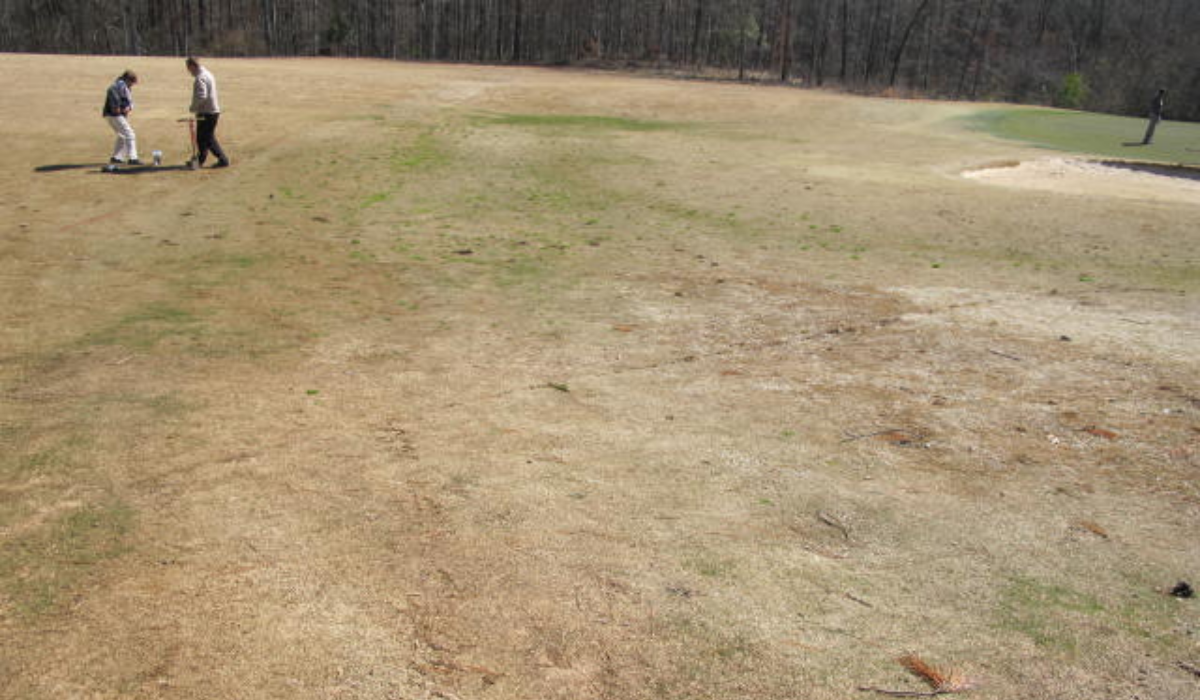
Effective Use of Poa annua Management Products
An effective PRE + POST program is reliant on the correct
chemistry selection, timely applications, and adjusting for herbicide
resistance traits that may be present on the property. Research published by Brosnan et al. (2020) found of randomly selected Poa plants
from Tennessee golf courses that 64% of collections had some degree of
resistance to glyphosate, 21% to foramsulfuron (Revolver®),
58% to prodiamine (Barricade®),
and 3% to simazine (Princep®). Resistance
to multiple modes of action within a single plant was also documented.
I have included a list of common Poa annua control
herbicides below in Table 1. Alternating WSSA codes between applications and
combining active ingredients with different WSSA codes is a research-backed
method to delay and prevent the development of Poa herbicide resistance.
Table 1.
Common herbicides for Poa annua control in non-overseeded dormant bermudagrass.
|
Preemergence Control Options |
||
|
Product |
Active Ingredient |
WSSA Code |
|
Barricade® |
Prodiamine |
3 |
|
Dithiopyr |
3 |
|
|
Oxadiazon |
14 |
|
|
Indaziflam |
29 |
|
|
Dimethenamid-p |
15 |
|
|
|
|
|
|
Postemergence Control Options |
||
|
Product |
Active Ingredient |
WSSA Code |
|
Glufosinate |
10 |
|
|
Flazasulfuron |
2 |
|
|
Pronamid |
3 |
|
|
Trifloxysulfuron |
2 |
|
|
Simazine |
5 |
|
|
Foramsulfuron |
2 |
|
|
Diquat |
22 |
|
|
Metribuzin |
5 |
|
|
Flumioxazin |
14 |
|
Poa annua Management - Herbicide Selection and Timing
When selecting a POST herbicide, timing is an important and
often under-considered variable. The fact is multiple POST herbicide options
lose efficacy during cooler months when Poa annua is not actively
growing. Many herbicides that are effective POST Poa control options
have environmental conditions in which they are optimally effective. Knowing which
herbicide to apply during different seasons can prevent the headaches
associated with an ineffective application.
For example, inhibitors of acetolactate synthase (WSSA 2)
such as Revolver® (foramsulfuron), Monument® (trifloxysulfuron), and Katana®
(flazasulfuron) need Poa to actively grow to achieve control. WSSA 2
herbicides work by starving the plant of essential amino acids, which will
never materialize if Poa is not actively growing and thus not using amino
acids.
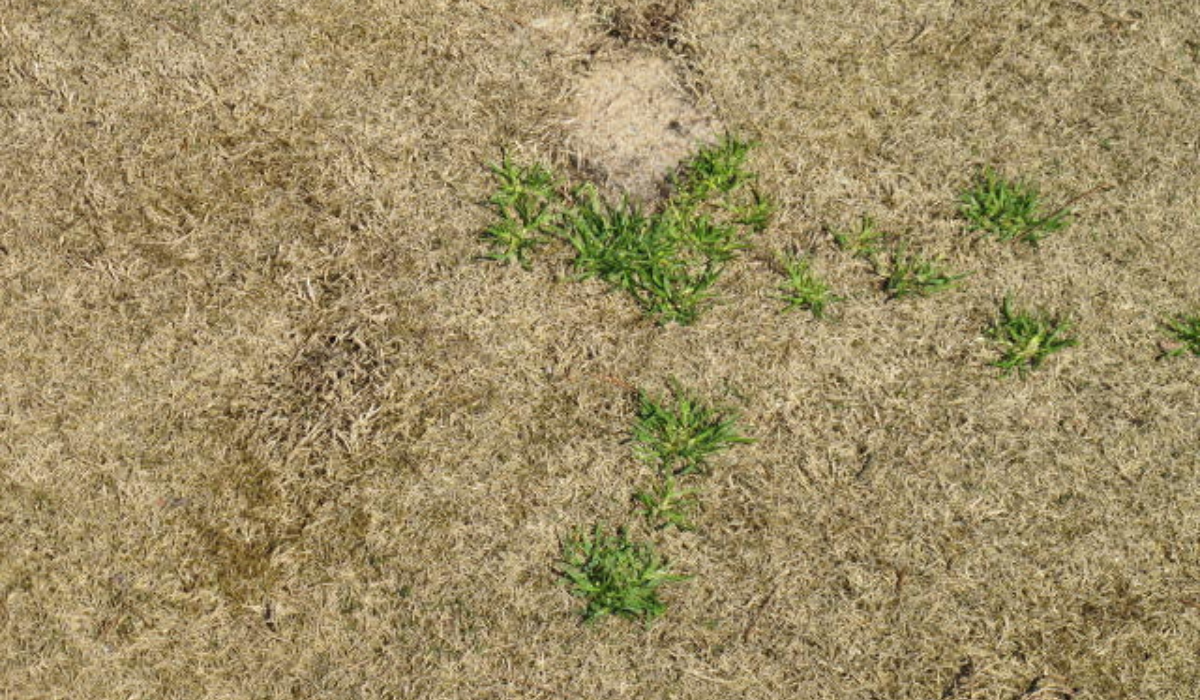
A second important timing consideration is Poa's life
stage at the time of application. As a rule of thumb, more mature plants are
more challenging to control. As plants establish and mature in spring, control
will become more erratic. Early, consistent, programmatic control is the most
effective way to stay ahead of Poa through the dormant bermudagrass
season.
New Poa annua Management Tools are Available!
Harrell’s recently launched StayGuard®
on Fertilizer which is an on-fertilizer formulation of flumioxazin, the same
active ingredient found in SureGuard®. While SureGuard® cannot be applied to
green bermudagrass, StayGuard® bypasses leaf tissue since it is on a granular
carrier and can be safely applied to green bermudagrass with minimal injury
potential. University research and turf manager experience has suggested that
StayGuard is an effective tool not only for general weed control but for Poa
annua management as well.
During the fall of 2023 through the spring of 2024,
StayGuard® on Fertilizer Poa annua programs were evaluated at
Auburn University. StayGuard® applied at 200 lbs./A on September 15th,
followed by StayGuard® at 200 lbs./A on November 15th, followed by a
spray application of Princep at 1 quart per acre and Tribute Total at 1 fl. oz. per acre on November 16th provided 100% Poa annua
control on April 10th, 2024 (Figure 2).
While the active ingredient in StayGuard, flumioxazin, is not a new active
ingredient or a novel mode of action, fertilizer applications allow for it to
be used in ways that were previously impossible. As Poa annua continues to
adapt, using old active ingredients in new ways will be a key strategy in our
attempt to control this troublesome pest.
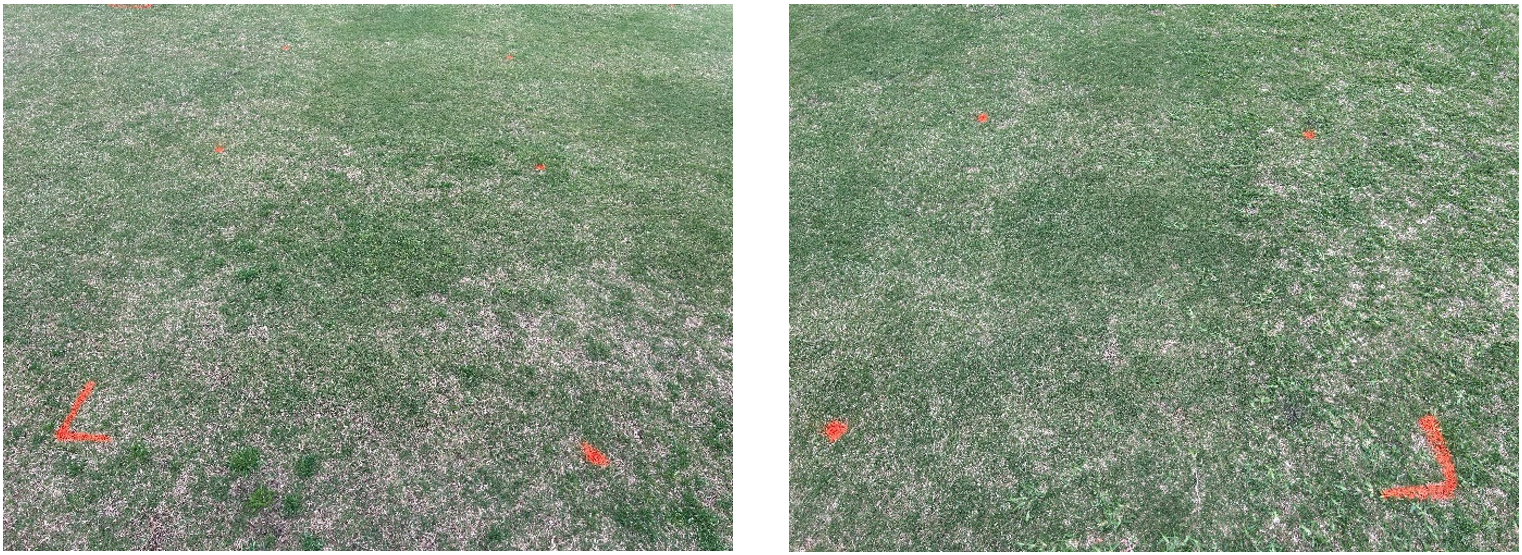
Figure 2. Nontreated (left) vs. StayGuard (right)
applied at 200 lbs/Acre on September 15th followed by StayGuard at
200 lbs/A on November 15th followed by Tribute Total at 1 oz/A +
Simazine at 1 quart/A on November 16th. Picture taken April 10th,
2024, 145 days after initial treatment. Auburn, Alabama.
What is the Answer for Poa annua Management?
A tremendous research effort both historically and ongoing
has aimed to solve the riddle of Poa annua control in dormant
bermudagrass turf. While there are effective strategies, given appropriate
expectations, Poa continues to stay one step ahead. Adaptability to a
wide range of environments, prolific seed production, and rapid development of
herbicide resistance will continue to make Poa an annual challenge for
turf managers.
Because of the unique conditions at each location, a single Poa management program will not be effective under all scenarios. Luckily you have your Harrell's Territory Manager, perhaps your best resource for effective Poa management strategies and the key to developing a sound management program. Reach out to them today to get ready for dormancy!
Related Resources

In addition to being the nation’s largest distributor of branded fungicides, herbicides, and insecticides, Harrell’s produces custom-blended fertilizers, specialty liquids, and wetting agents. Additionally, Harrell’s is the exclusive US owner, formulator, and distributor of all POLYON® branded products.
TEAM HARRELL'S
STAY EQUIPPED
Never stop learning. Access FREE continuing education courses from Harrell’s.
LET'S GROW
PRESS RELEASES
PRESS RELEASES
STAY EQUIPPED
Never stop learning. Access FREE continuing education courses from Harrell’s.
LET'S GROW