

Plant Growth Regulators and Labor for Horticulture
6/28/2024 - By Dr. Aaron Palmateer
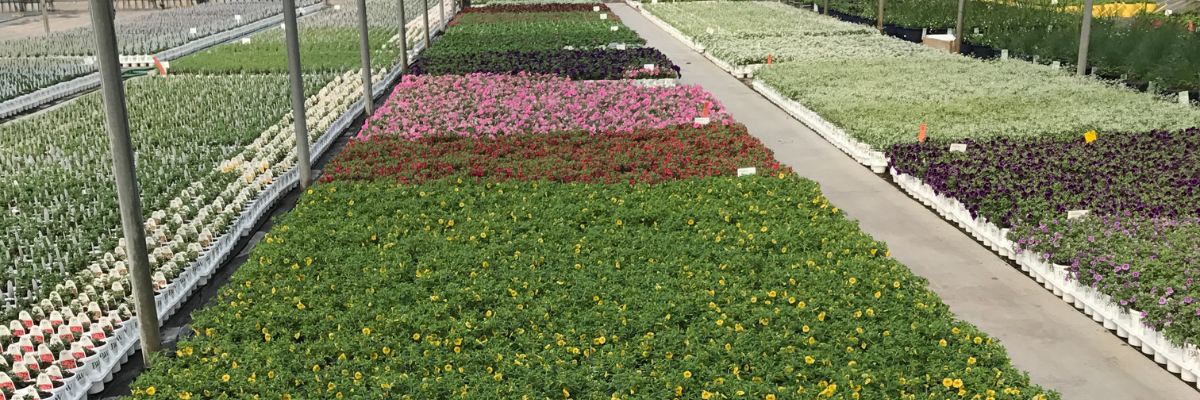
Plant growth regulators
(PGRs) are used on a wide variety of ornamental crops to improve rooting,
increase shoot formation, shorten internodes, and induce flowering. Whether it
is annual plants in greenhouse production or a hedgerow of ficus in the
landscape, PGRs can save time and money.
Benefits of PGRs
Additional benefits that
can result in substantial cost savings when using PGRs include enhancing
overall plant quality by maintaining proportionally sized plants, even if it is
nursery crops or foliage plants where a larger plant size is desirable.
Applicators should consider growth promotion, often targeting low-dose
applications, for holding plants that are notorious for stretching.
Dr. Jim Barrett at the
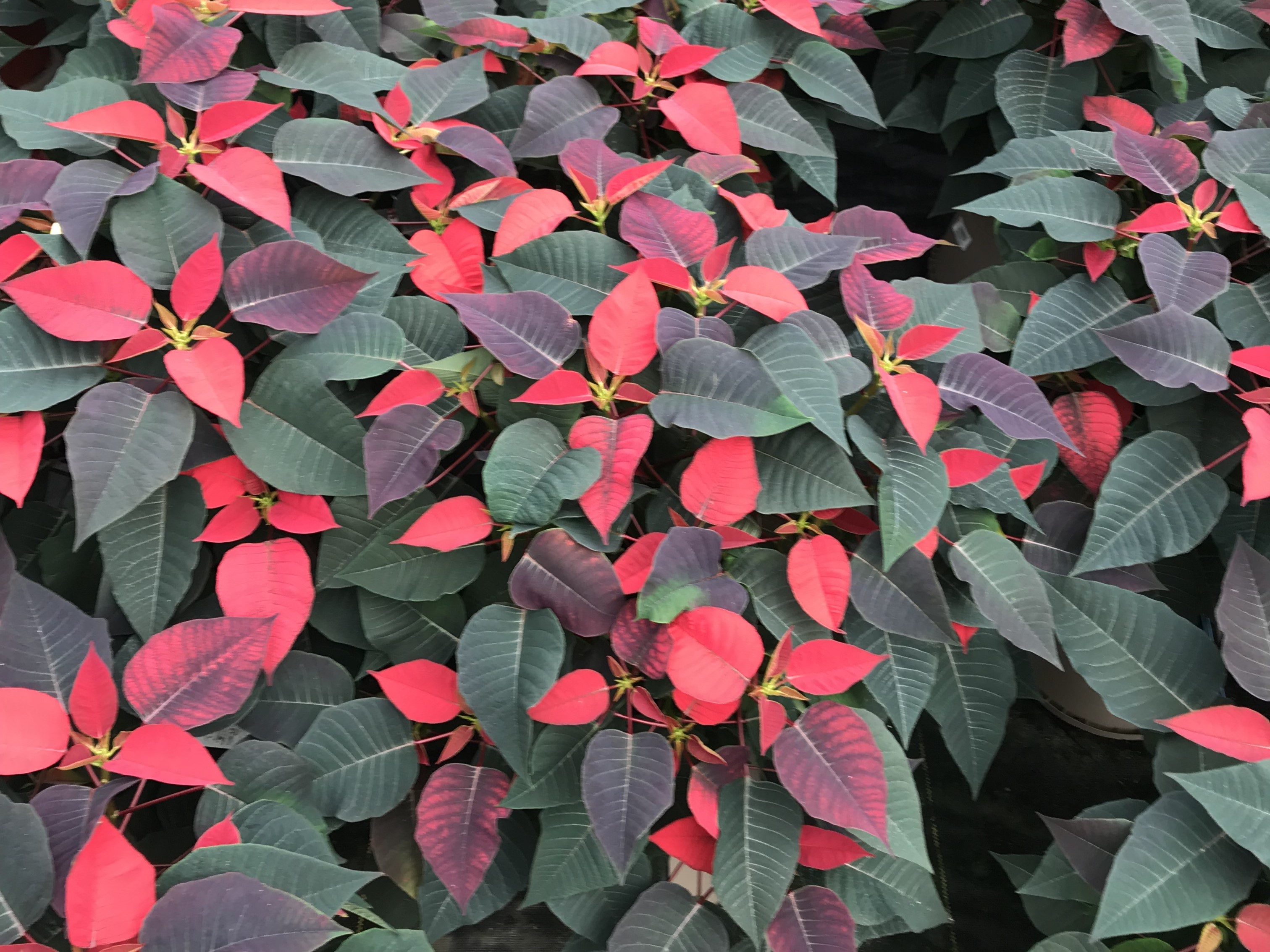
University of Florida did a great service by promoting low-dose substrate drenches of select PGRs (i.e., flurprimidol, paclobutrazol, uniconazole) to control the growth of poinsettia. He demonstrated that doses of 0.1 ppm paclobutrazol were effective
for slowing growth, yet time-limited, so the poinsettia crop could be at the ideal
size for sale.
The Role of PGRs
PGRs play a significant
role when it comes to manipulating leaf and bract size, increasing branching,
increasing bud set, breaking dormancy in both seeds and established plants, and
improving plant shelf life in the store. Regulating plant growth is key for an
industry that relies on plant quality for sales. PGRs provide the ability to
hold plants in production longer while using fewer resources, such as reducing
irrigation frequency (due to smaller plant size) and producing a plant product
that meets the customers' demand for size, shape, and overall plant quality.
PGRs are not classified
as insecticides or bactericides but a quick dive into the scientific literature
reveals that PGRs can and have been used for controlling pests and reducing
bacterial leaf spots. Way back in the late 1980s and early 90’s Drs. Lance
Osborne and Ann Chase tested the effects of chlormequat chloride (Cycocel)
on two-spotted spider mites as well as three bacterial leaf spot diseases on
hibiscus. The pathology research results indicated regardless of hibiscus
cultivar (10 were screened) or bacterial pathogen (Pseudomonas cichorii, P.
syringae, or Xanthomonas campestris pv. malvacearum) the Cycocel-treated
hibiscus plants were resistant to the bacteria.
Further results indicated
that hibiscus plants treated with Cycocel were less susceptible to two-spotted
spider mites (Tetranychus urticae) and it was not just due to surface chemical
residue. Note that Cycocel is now available as Altercel from OHP.
When to Apply PGRs
PGRs are most effective
when applied at the appropriate times to regulate plant growth or development.
PGRs will not shrink an overgrown plant, so they must be applied
preventatively. Growers should establish and maintain records of application
rates based on small-scale treatments under actual use conditions, for
individual species and varieties.
Growers in northern,
cooler climates will use rates at lower ranges. Growers in warmer, southern
climates will use rates at the upper end of the ranges. Most PGRs can be
applied as a spray, sprench, dip, or drench, and the more product that is taken
up by the roots will last longer compared to foliar applications. Early
applications of PGRs are used to slow down growth using lower rates, while later
applications are used to hold finished size and flowering and typically require
higher rates.
Contact Your Harrell’s Rep
for More Information
PGRs are a powerful
addition to horticultural programs and have the ability to save you resources,
labor, and money overall. To learn more about PGRs and how you can utilize them
in your operation, reach out to your local Harrell's Rep.
*Not all
products are registered in all states. Always read and follow the instructions
on the product label, not all products are labeled for all purposes.
Related Resources

In addition to being the nation’s largest distributor of branded fungicides, herbicides, and insecticides, Harrell’s produces custom-blended fertilizers, specialty liquids, and wetting agents. Additionally, Harrell’s is the exclusive US owner, formulator, and distributor of all POLYON® branded products.
TEAM HARRELL'S
STAY EQUIPPED
Never stop learning. Access FREE continuing education courses from Harrell’s.
LET'S GROW
PRESS RELEASES
PRESS RELEASES
STAY EQUIPPED
Never stop learning. Access FREE continuing education courses from Harrell’s.
LET'S GROW