

Choosing and Caring for the Right Seed
8/18/2025 - By Nick Spardy
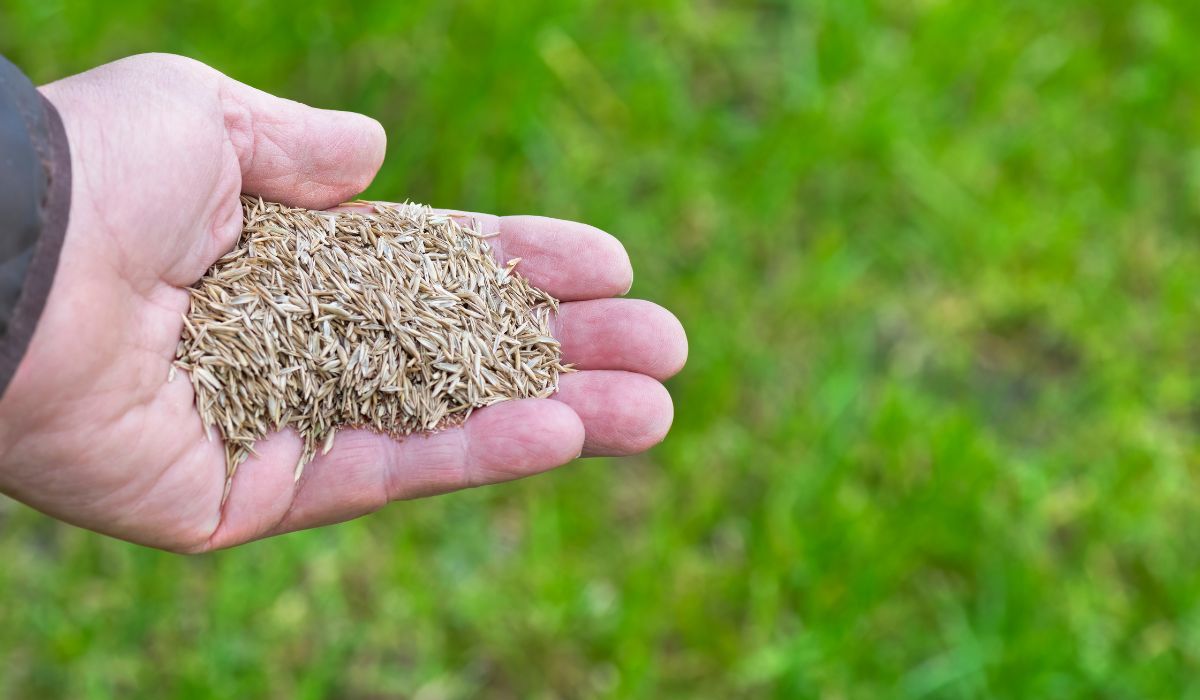
As August, September, and October roll in, many golf course superintendents and greenskeepers turn their attention to one of the most important cultural practices of the year: overseeding. Whether you’re refreshing thin areas, improving playability, or transitioning seasonal turf, choosing the right seed and caring for it properly can make all the difference. In this guide, we’ll cover the benefits of overseeding, the most common seed options available, and a quick lesson on how to read a seed bag label like a pro.
Why Overseeding Matters
Overseeding is more than just filling in bare spots—it’s an investment in turf health, playability, and aesthetics, which makes choosing the right seed all the more important. Overseeding allows you to improve playing conditions with a denser turf canopy, providing for better playability and footing. Improved turf quality also brings better weed suppression, with healthy turf winning over open space from troublesome weeds.
Overseeding helps maintain green, playable turf during cooler months in warm-season regions, and assists in the overall transition out of summer heat, to fall cool, and even dormancy. A fresh stand of turf also recovers more quickly from summer stress, helping to mitigate troublesome fall diseases. Incorporate a strong starter fertilization application into your overseeding rotation to ensure that the seed germinates and develops healthy and strong. POLOYN® controlled-release fertilizer is a great option to carry your overseed through the fall. You can read more here (link to POLYON as a starter fert article).
Overseed Options for August, September, and October
Choosing the right species, variety, and quality is critical for performance and appearance. Here are the most common options for golf courses this time of year:
Perennial Ryegrass
- Best For: Quick germination (4–7 days), fine texture, vibrant color.
- Ideal Uses: Fairways, tees, roughs, and in some cases, your green surface.
- Advantages: Fast establishment, great playability.
- Considerations: Requires more frequent mowing and careful fertility management.
Annual Ryegrass
- Best For: Quick, temporary cover at lower cost.
- Ideal Uses: Transitional turf where longevity isn’t the priority.
- Advantages: Germinates in as little as 4–5 days.
- Considerations: Shorter lifespan, coarser texture, low tolerance to wear, and lower mowing heights.
Kentucky Bluegrass your
- Best For: Cold tolerance and rich dark green color in cool-season areas.
- Ideal Uses: Tees, fairways, and high-traffic zones in northern climates.
- Advantages: Spreads via rhizomes for good recovery.
- Considerations: Slower germination (14–21 days), so timing is critical.
Fine Fescues
- Best For: Shade tolerance and low-maintenance areas.
- Ideal Uses: Roughs, shaded surrounds, and naturalized areas.
- Advantages: Drought-tolerant, blends well with other cool-season grasses.
- Considerations: Not as wear-tolerant for heavy play zones, poor recovery.
Bentgrass
- Best For: Greens and closely mowed areas in cool-season regions.
- Advantages: Smooth putting surface tolerates very low heights of cut, spreads via stolons for good recovery.
- Considerations: Demands precise management and careful overseeding timing, with high maintenance required.
Proper Care of Seed After Overseeding
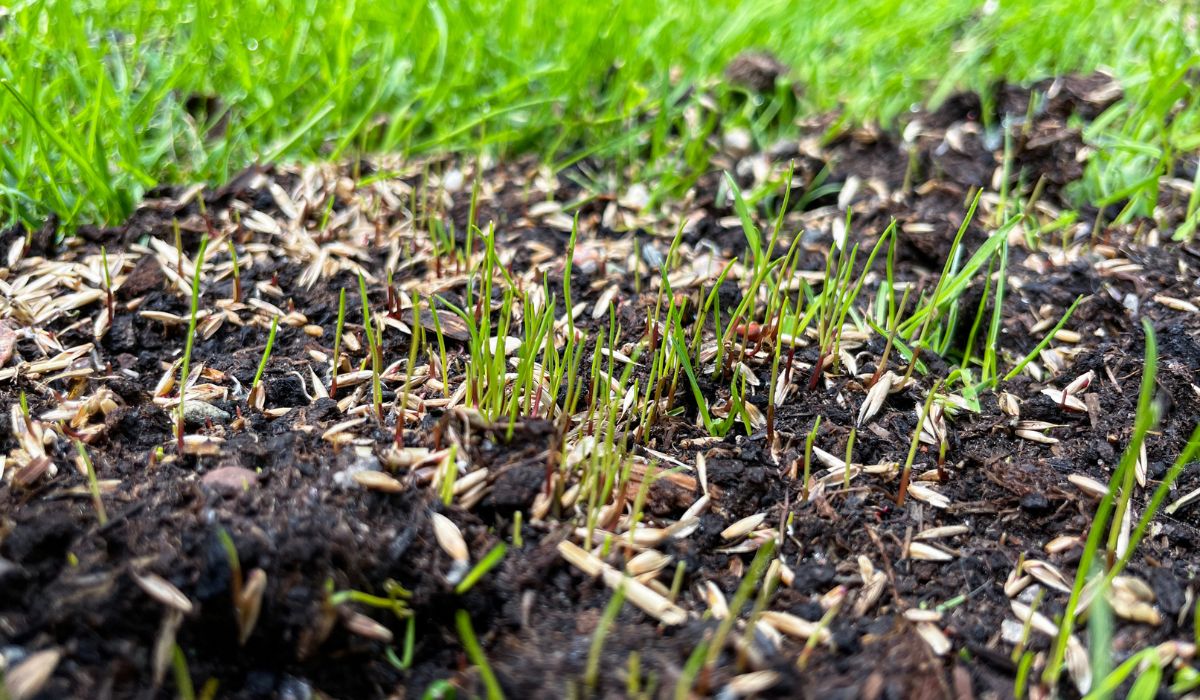
Once the seed hits the ground, proper care determines success. Ensure that the seed reaches your soil layer. Options like verticutting, spiking, or aerifying are helpful to ensure good contact. Maintain a routine watering schedule from spread to initial establishment, keeping the seedbeds consistently moist but not overwatered. It is important to time your first mowing of the turf so you don’t damage one-third of the new shoots. Wait to mow until your grass is around one third higher than the target height. Utilization of a starter fertilizer is critical as fresh seed needs increased nutrients to support its growth, and further nourishment to carry it through the fall season. Learn more about your fertilizer options from your local Harrell’s representative.
Reading a Seed Bag Label
Knowing how to read a seed label ensures you get quality turfgrass seed and that you are fulfilling the needs of your areas of play.
Key terms include
- Purity: Percentage of the seed that is the named species.
- Germination Rate: The percentage of seed expected to germinate under ideal conditions.
- Weed Seed Content: Should be as low as possible—preferably near 0%.
- Crop Seed: Other crop species present—also best kept minimal.
- Test Date: Seeds are tested for germination regularly—look for a date within the past 9 months.
Final Overseed Thoughts
August, September, and October are prime months to set your course up for a strong fall and winter season. By selecting the right overseed variety, following best practices for seed care, and knowing exactly what you’re buying, you can ensure a smoother transition and healthier, more playable turf.
To go over your options more in depth and discuss the specific needs of your turf, connect with your local Harrell’s rep. They are your best overseeding resource.
Authored by Nick Spardy
Related Resources

In addition to being the nation’s largest distributor of branded fungicides, herbicides, and insecticides, Harrell’s produces custom-blended fertilizers, specialty liquids, and wetting agents. Additionally, Harrell’s is the exclusive US owner, formulator, and distributor of all POLYON® branded products.
TEAM HARRELL'S
STAY EQUIPPED
Never stop learning. Access FREE continuing education courses from Harrell’s.
LET'S GROW
PRESS RELEASES
PRESS RELEASES
STAY EQUIPPED
Never stop learning. Access FREE continuing education courses from Harrell’s.
LET'S GROW