

Nutrient of the Month – Phosphorus
9/8/2021 - By Lynn Griffith
 Nutrient of the Month – Phosphorus
Phosphorus is a major plant nutrient which has numerous functions. One of the most important roles phosphorus plays is in root development, especially in young plants. Because most potting media are deficient in phosphorus, it is important to apply this nutrient early in plant production, in order to expand existing root systems to fill out the pot.
It is said that the corn plant needs two thirds of its phosphorus in the first one third of its life. I think most plants fit into that category. Most phosphorus fertilizers are quite compatible with fungicides. Where growers are drenching young plants with fungicides, it helps to add a high phosphate starter fertilizer such as Harrell’s Phosphorus Plus, a liquid 3-30-3. This drench will not only suppress pathogens but will help new root systems expand and thrive.
If you have ever read a soil science textbook, it will tell you that phosphorus does not leach significantly from soil. It moves about 2 inches per year. Phosphorus is bound or ‘fixed’ by clay and aluminum in acidic field soils, and by calcium in alkaline soils. The situation is different with container media, because there generally is no clay and little aluminum in soilless substrates.Therefore, phosphorus is fairly leachable in those types of media. When your plants run out of nitrogen and potassium, they are likely running out of phosphorus as well.
 Nutrient of the Month – Phosphorus
One useful trick with young plants is to apply foliar phosphorus early, shortly after potting. Spraying with a high phosphate fertilizer will help with uniformity of plant development with the little plants more than the stronger plants. You therefore get a crop that is more consistent and uniform in size, helping with marketability and timing. Irregular young plant size is not a grower’s friend.
Phosphorus is one of the nutrients where runoff into groundwater can be a problem. The nutrient can contribute to algae blooms in lakes, ponds and canals. Applying your phosphorus through POLYON® controlled-release fertilizer formulas significantly helps limit phosphorus runoff into groundwater. Keeping phosphorus levels low in liquid feed applications can help leave more room for micronutrients, and reduces phosphorus in runoff.
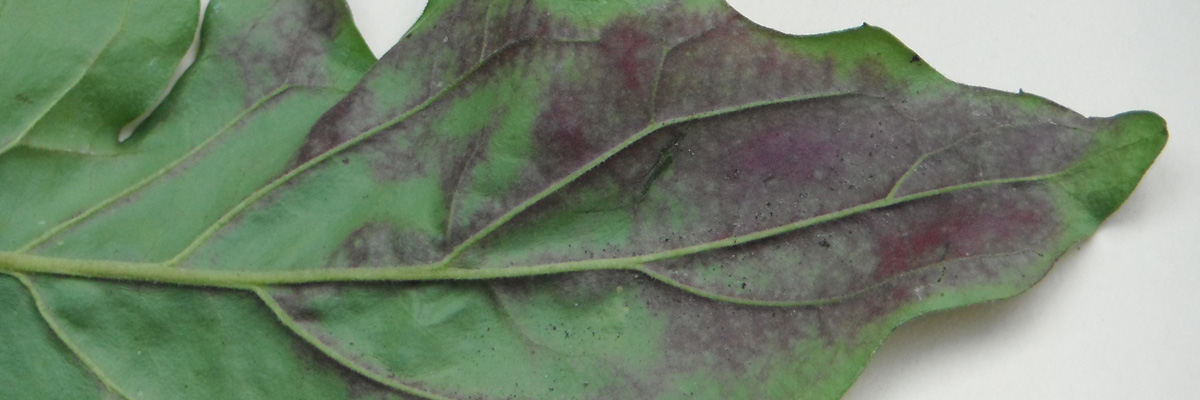
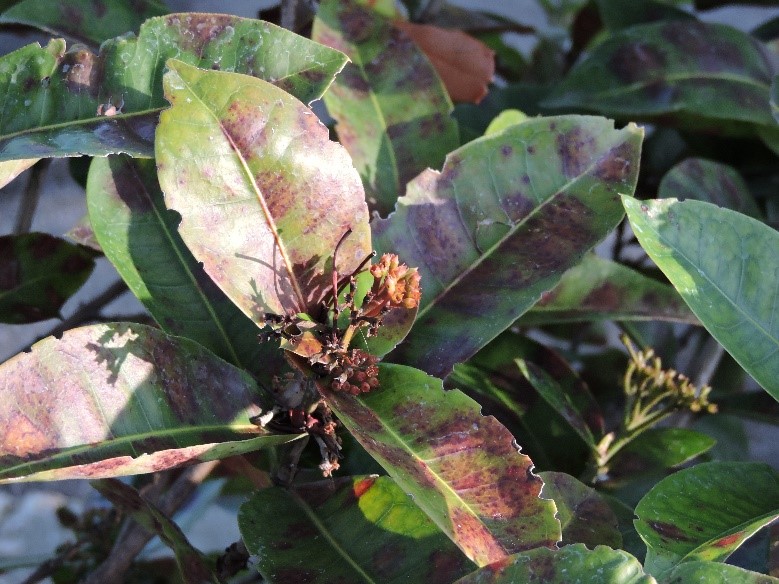
While it is a major nutrient, most plants need significantly less phosphorus than nitrogen or potassium. A typical ornamental plant needs about 0.3 to 0.5% phosphorus in the leaf tissue, where nitrogen and potassium requirements are typically 8 to 10 times higher than that. Phosphorus deficiency symptoms often appear as a red or purple color in the older leaves. These deficiency symptoms can be corrected through foliar sprays or drenches with high phosphate starter fertilizers. If you’ve noticed a deficiency in your plants, give this a try because chances are that they just need a higher does of phosphorus.
Related Resources

In addition to being the nation’s largest distributor of branded fungicides, herbicides, and insecticides, Harrell’s produces custom-blended fertilizers, specialty liquids, and wetting agents. Additionally, Harrell’s is the exclusive US owner, formulator, and distributor of all POLYON® branded products.
TEAM HARRELL'S
STAY EQUIPPED
Never stop learning. Access FREE continuing education courses from Harrell’s.
LET'S GROW
PRESS RELEASES
PRESS RELEASES
STAY EQUIPPED
Never stop learning. Access FREE continuing education courses from Harrell’s.
LET'S GROW