

New-School Strokes for Old-School Folks
7/8/2020 - By William Buehn
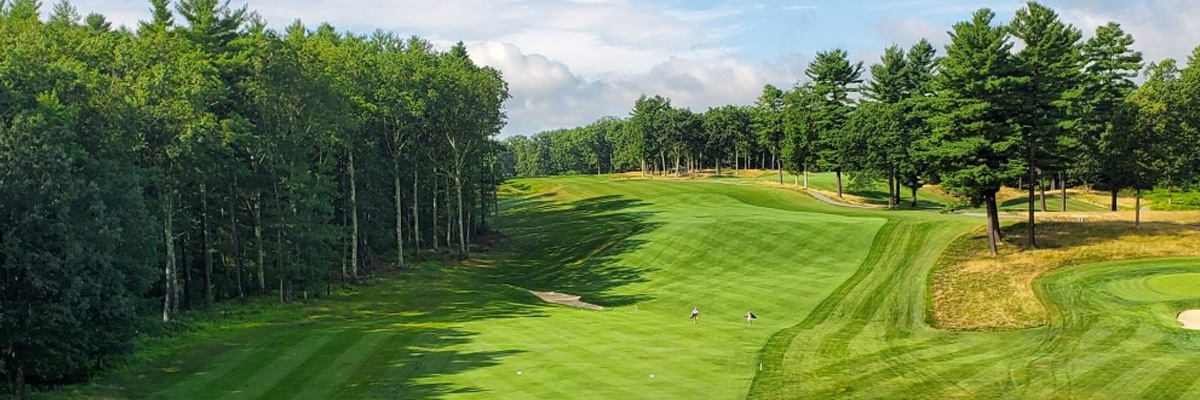
Photo Credit: Peter Rappoccio, Superintendent of Concord CC in Concord, MA
Maintaining golf courses—just like the game of golf itself—is at its core an old-school craft steeped in heritage and tradition. The tools and techniques of the craft certainly go through their fair share of change to keep up with new demands and modern playing conditions, but there’s always been a certain allure to remaining loyal, at least in part, to the traditions of past generations and practices. So much of a superintendent’s style is the result of specific mentorship from one or two supers that came before them. Maybe it was their first Head Superintendent when they were a 2nd Assistant or maybe it was a parent in the industry, like it was for Peter Rappoccio of Concord CC in Concord, Massachusetts. Regardless of who it was that instilled that influence, there’s a certain commitment to upholding that same approach. “My dad was a superintendent for 40 years, so a lot of the stuff I did when I first started out as an assistant superintendent were some of the things that I learned from him,” says Rappoccio. Of course, that doesn’t mean that superintendents are unwilling to change to improve the game. Rappoccio adds, “As technology changes, you take advantage of some of that technology, and start to learn some of the new things.” At the end of the day, supers are also innovators—dedicated to keeping the highest-quality conditions on their properties. New tools can help them with that; they might not make for a catch-all easy button, but they can definitely help.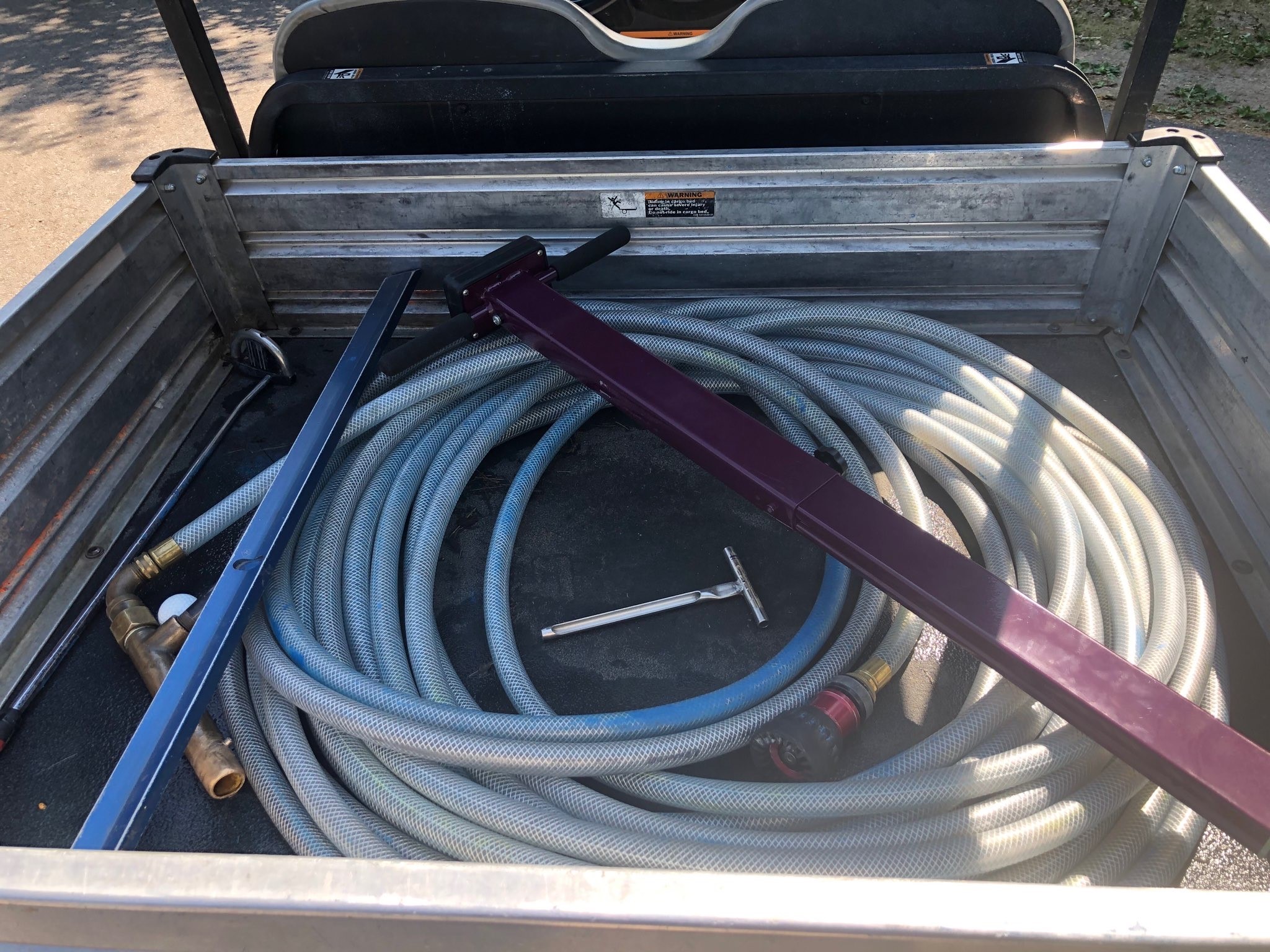
If you were to catch Rappoccio out on his cart at Concord, at a minimum you’d find him carrying around the superintendent’s equivalent of a standard set of clubs. Like most others, he’s always got his version of a driver and some woods (his hose), a handful of irons (stimpmeter), some wedges (soil probe) and of course, a putter (actually a putter in this case). But what’s new in the agronomic bag?
It’s no secret that moisture meters have changed the game. You could say they’re kind of like the hybrid of the super’s bag. Though they’ve been around for some years now and their effectiveness is undeniable, they’re kind of one of those things that a lot of old-school supers would often rather do the job without. Many would prefer to rely on their connection with their property to diagnose a potential moisture issue, taking advantage of their acquired ability to spot a problem with only their God-given senses and maybe a core pull. That approach is a respectable one, and it can be quite effective, but moisture meters really do make a difference. They can be instrumental in saving water, money, and most importantly, turf. If nothing else, they can validate a seasoned super’s sensory observations or even illuminate improper diagnoses, ultimately making the super more in-tune with their turf going forward.
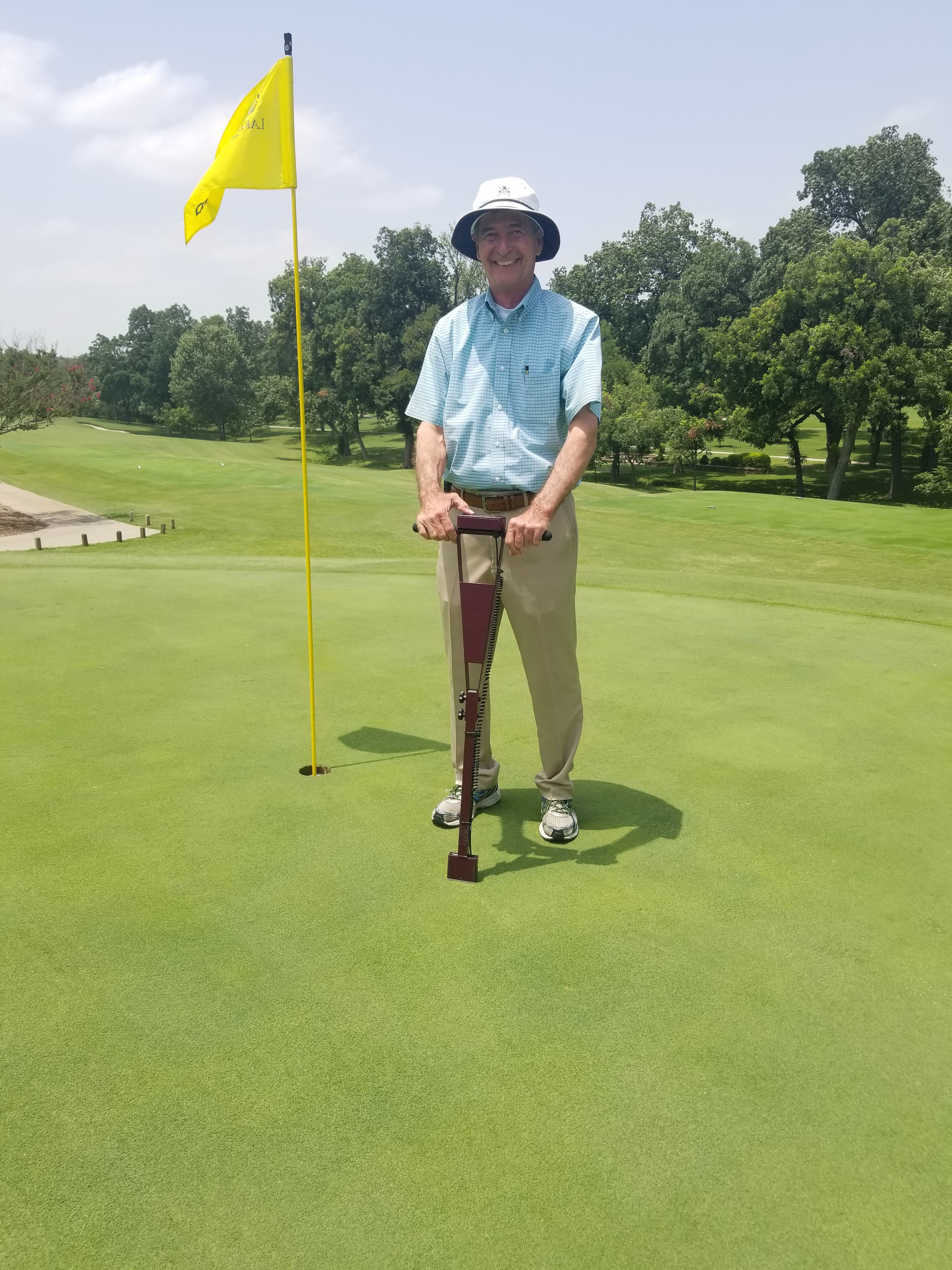 Most supers have found a place on their course for moisture meters in some capacity by now. Mike Plummer of Lakewood CC in Dallas, Texas held out on them for as long as he could, lightheartedly contending, “We don't need that, we’ll just use a golf club shaft or a core puller and do it old-school by feel.” With over 30 years of experience as a superintendent at Lakewood, Plummer was quite comfortable doing it that old-school way, and it was working well. But in 2017, he decided it was time to give the moisture meters a try. A bit of a deviation from an agronomic approach that Plummer tries to live by—don’t be the first one to buy new technology, new equipment or new control products, but also don’t be the last—he admits that he was a little late to this party. He’s ok with that though; he’s got them now, and they’re doing great things for him. “I think they’re so valuable,” he says. In 2016, he was noticing some bentgrass loss on the edges of his greens where the putting surface meets the bermuda collar—nothing too crazy, but enough to warrant extra attention. That’s when his team gave the moisture meters a shot, and the data they pulled was pretty revealing. It showed them the opposite of what everyone involved thought had been the issue. It showed them that those edges actually weren’t getting enough water, as opposed to being overwatered like everyone had suspected. “Maybe it was the wicking effects on the outside clay, outside that greens mix [that caused the underwatering],” Plummer speculates. Whatever the cause, it shows that sometimes, even the most trained eyes can be betrayed by the anomalies of agronomy. Since adopting the moisture meters, Plummer has been able to make the necessary adjustments and get back on course, graciously reporting that “all has been good and really no turf loss.”
Plummer has also adopted a couple other new-school game-changers in recent years, like a handheld radio-controlled irrigation system and a GPS-controlled spray rig. He’s really been impressed with both of those too. The radio adds a pretty significant convenience factor to his irrigation, and the GPS spray technology helps him achieve a level of quality that he couldn’t quite before. Nonetheless, Plummer’s traditional roots still run deep, and he’s not giving up on them anytime soon. Certainly, all this tech has improved many aspects of managing turf, but that doesn’t mean that supers can simply abandon the tried-and-true practices. That would be a slippery slope. Supers need to hold on to the inherited intangibles and old-school methods that can only be learned from their predecessors. 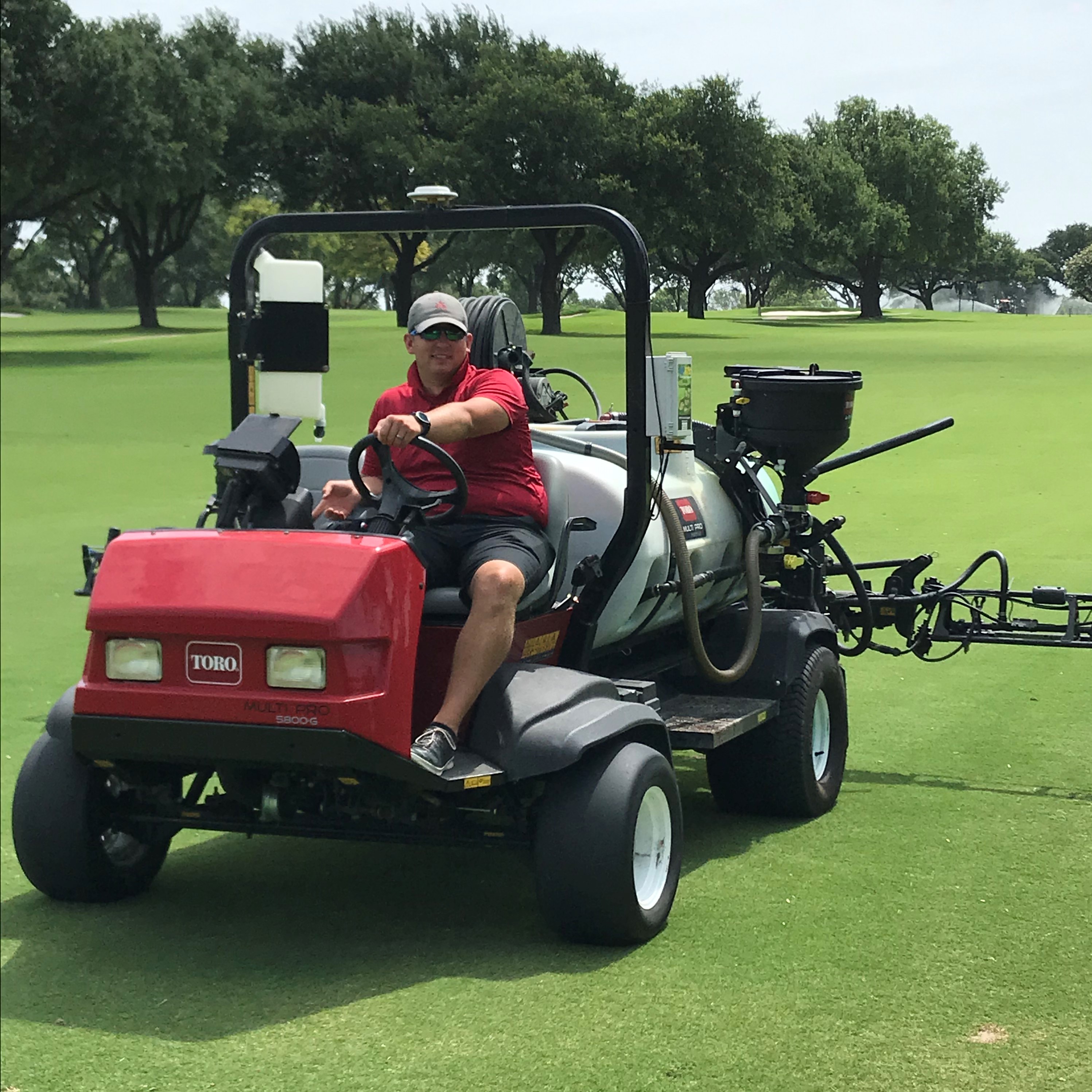
Like Plummer, Blake Meentemeyer of TPC Scottsdale is also doing just that. The young Director of Grounds says, “I’m probably more old-school than new-school, but somewhere in the middle…I learned from some of the best guys in the business and they were very old school. So, I tend to still have a lot of those built-in character traits.” He definitely prefers the tactile, all-senses approach, adding, “I’d almost rather use my pocketknife and my thumb, my eyes, my ears and my nose.” For him, it’s all about anticipating his golf course, explaining, “The golf course has a pulse, right? It's a living, breathing entity. So, just knowing that, you can usually pick up on what it's telling you. Is it giving you hints that it's dry? Is it giving you hints that it's hungry?” He’s able to stay pretty well-connected to his course's needs simply by paying attention to the little signs that it’s giving him. Sure, he has to be friendly with technology to a certain extent, especially come tournament time, when his team is taking twice-daily readings for moisture, firmness and green speed and when he’s running around in his cart, carrying two radios and a cell phone—all of which occasionally manage to go off at the same time. But he’d still rather take a simpler approach. “I try to have things that help simplify,” he says. Things like his unique flag system help him to do that. As is the case for many irrigation systems, Meentemeyer’s is consistently finicky, and he’s continuously dealing with problematic sprinkler heads for one reason or another. So, he developed a system of color-coded flags that represent different sprinkler head faults, like a green flag that indicates the head is not turning. He’s always got a handful of each color in his cart, so that if he notices an issue with a certain head out on the course, he can drop the right flag and provide just that little extra bit of information to the rest of his team. Simple, right?
Whether it’s a color-coded flag system, a GPS-controlled spray rig, or even autonomous mowers, the tools and techniques that supers use to enhance their efforts will continue to evolve. But supers can’t make the mistake of neglecting their most powerful asset—themselves. Truly the Leatherman of golf course agronomy, supers are “the jack of all trades,” as Rappoccio says. No single tool will ever have a more holistic feel for the pulse of a property. Other tools and gadgets can make things easier, but as Rappoccio points out, “like anything else, they’re all tools. They don’t make the decisions for you, they just help educate the decisions.”
Related Resources

In addition to being the nation’s largest distributor of branded fungicides, herbicides, and insecticides, Harrell’s produces custom-blended fertilizers, specialty liquids, and wetting agents. Additionally, Harrell’s is the exclusive US owner, formulator, and distributor of all POLYON® branded products.
TEAM HARRELL'S
STAY EQUIPPED
Never stop learning. Access FREE continuing education courses from Harrell’s.
LET'S GROW
PRESS RELEASES
PRESS RELEASES
STAY EQUIPPED
Never stop learning. Access FREE continuing education courses from Harrell’s.
LET'S GROW