

Managing Mites in Greenhouses and Nurseries-Big Problems Come in Small Packages
9/28/2022 - By Robby Clemenzi
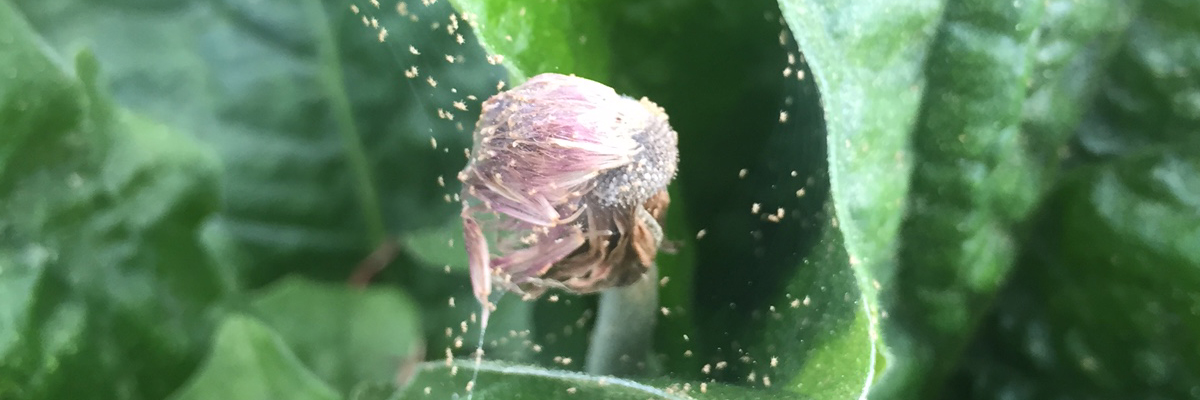
Thousands of mite species feed on and cause damage to plants grown
in commercial production. Although mites are often grouped with insects, they
are arachnids and more closely related to ticks and spiders than other common
insects. Adult mites have eight legs and piercing-sucker mouthparts used to
suck fluids from host plants. In addition to direct damage, mites are capable
of transmitting plant viruses making mite management critical in commercial
production settings.
The most common mites affecting ornamental plants in greenhouses
and nurseries are spider mites, but what are they, and why are they so bad for
plants?
Detecting Mites in Greenhouses and Nurseries
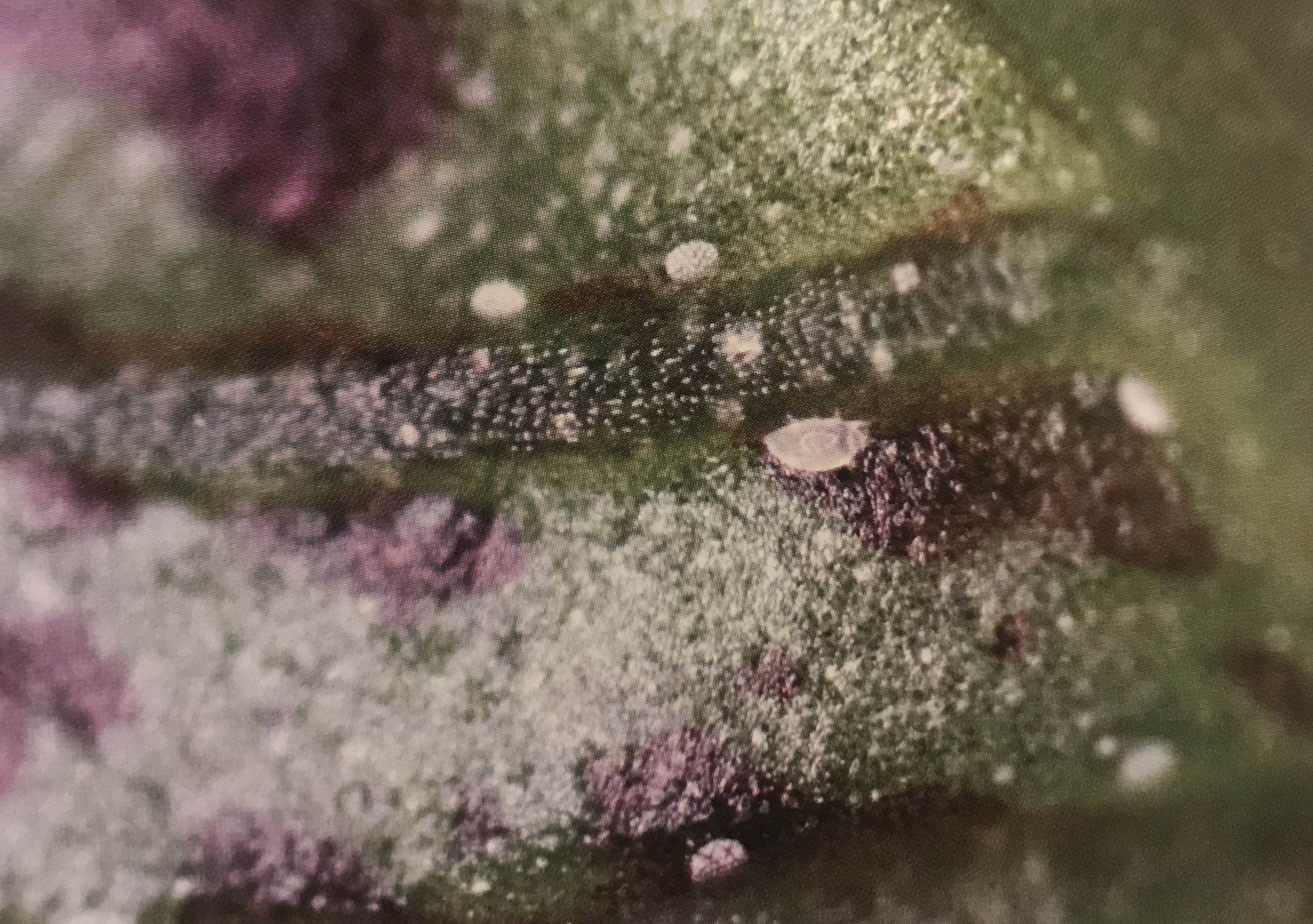
Most mites are tiny and require a hand lens (such as a magnifying
glass) to be seen, making them difficult to detect in the absence of symptoms. In
fact, some mites, particularly Eriophyid mites, are so small that they require
a microscope to be seen. Immature mites in the larvae stage have only 6 legs, the
exception is Eriophyid mites, which have four legs in all stages of
development.
Most mites favor hot and dry conditions and can multiply rapidly
with generations occurring within one week. Because of the vast variety of mites
that have developed over time, nearly all plant species have at least one
species of mite that will feed on them, including annuals, perennials, bulbs,
vegetables, trees and shrubs.
Sign of Mites
Mites can be introduced on infested plant material, but often,
they are introduced into production facilities by the wind. Most mites damage
plants by sucking cell contents from leaf tissue where the initial feeding
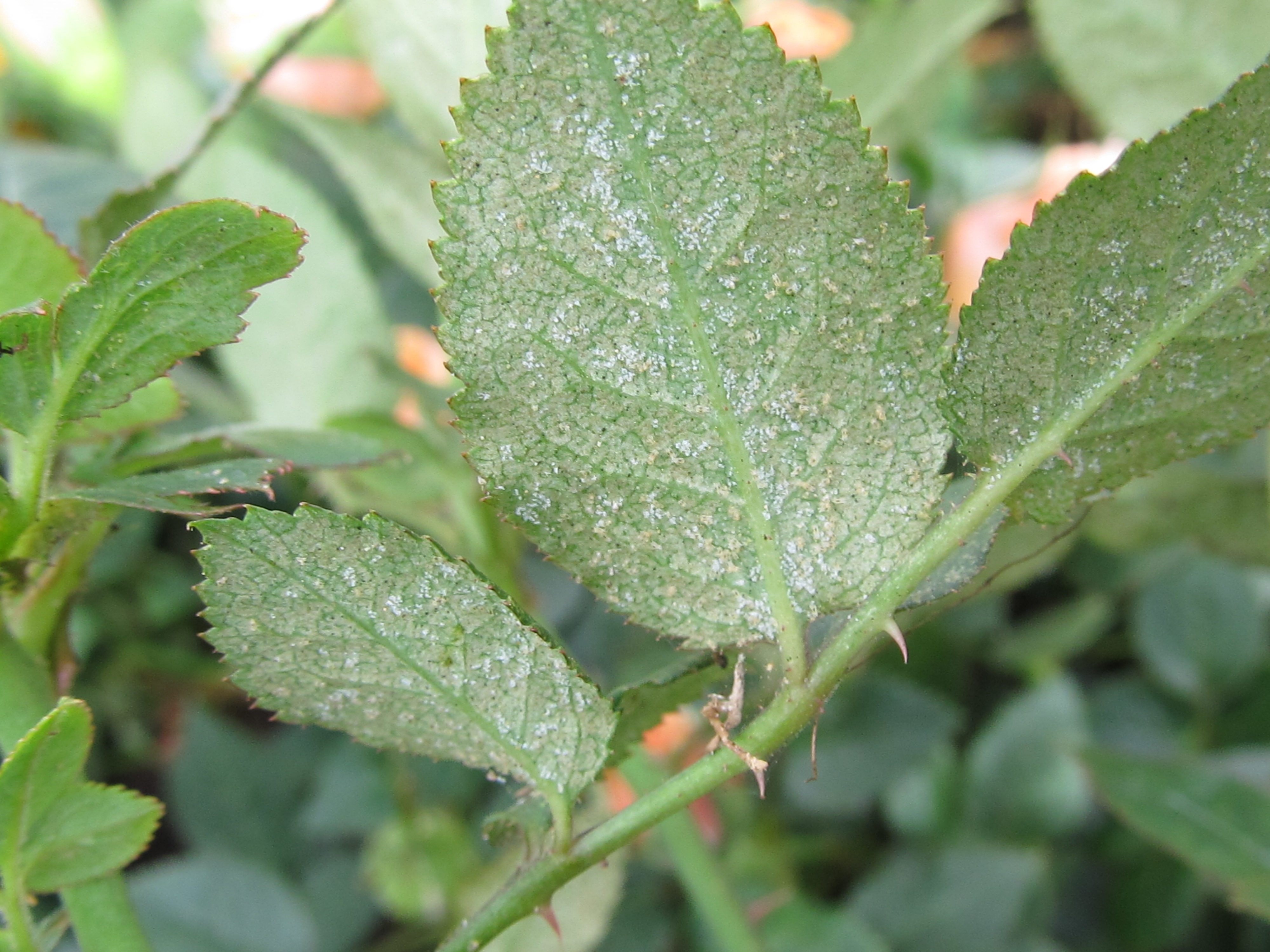
damage appears as a stippling of tiny dots on the surface of affected leaves. Heavily
infested leaves and branches may be covered in fine silken webbing (i.e.,
spider mites), but webbing may be minimal on some plants, such as conifers, or
completely absent on others. Severely affected leaves turn bronze to yellow in
color and eventually drop off the plant.
Greenhouse and Nursery Mite Prevention
Frequent inspection of plant material is essential to prevent
rapid buildup of mites in nurseries and greenhouses. This includes thorough
inspection of new plant material for mites (and other pest and diseases) prior to
moving them into production areas. Additionally, many weeds are susceptible
hosts for mites and should be removed or controlled with herbicides.
Remove weeds and escaped plants under benches, outside
greenhouses, or adjacent to nursery stock to reduce the likelihood of mite
infestations in growing areas. Also, minimize plant disposal sites to prevent
mite infestation even on plants which are out of the way.
Cost effective mite management begins with preventive applications
and rotating miticide modes of action between applications. Refer to product
labels for additional information and see the chart below for an example of a
control rotation.

For more information on any products or
tips mentioned in this article, reach out to your local
Harrell's rep.
Authored by Robby Clemenzi
Related Resources

In addition to being the nation’s largest distributor of branded fungicides, herbicides, and insecticides, Harrell’s produces custom-blended fertilizers, specialty liquids, and wetting agents. Additionally, Harrell’s is the exclusive US owner, formulator, and distributor of all POLYON® branded products.
TEAM HARRELL'S
STAY EQUIPPED
Never stop learning. Access FREE continuing education courses from Harrell’s.
LET'S GROW
PRESS RELEASES
PRESS RELEASES
STAY EQUIPPED
Never stop learning. Access FREE continuing education courses from Harrell’s.
LET'S GROW