

Microdochium Patch Control Using Title Phyte
2/13/2024 - By Dr. Paul Giordano
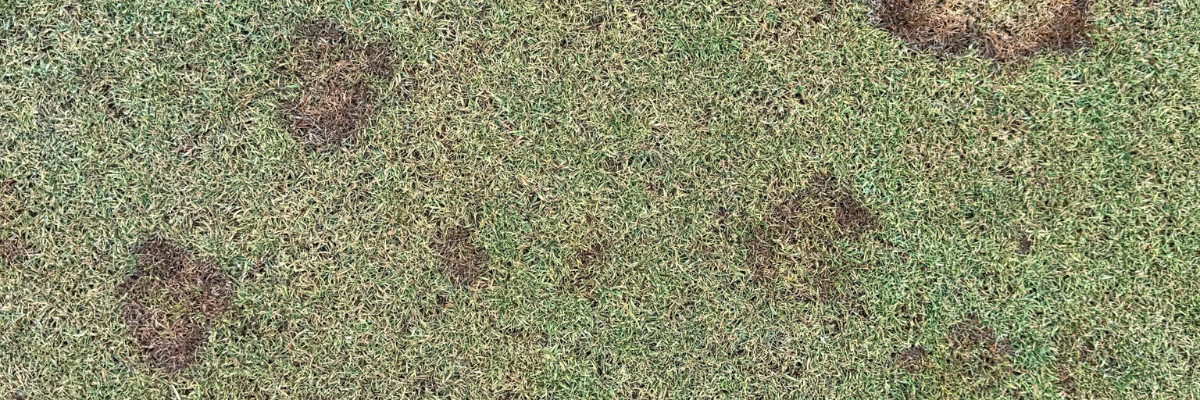
Microdochium patch is caused
by the pathogen Microdochium nivale – the same fungal organism that
causes pink snow mold on turfgrass. This disease can be very unsightly and
exceptionally damaging when conditions are favorable for extended periods of
development. It can occur on both cool and warm-season turfgrasses and poses
significant issues in areas where cool, wet, rainy weather persists.
Harrell’s ProtectMAX® Title Phyte® Systemic Fungicide has
been a staple product in many agronomic programs for years. Its quality
formulation and well-documented disease control and nutritional benefits help
to set it apart from other potassium phosphites. In 2021, Harrell’s went the
extra step and registered Title Phyte® as a fungicide through EPA (Environmental
Protection Agency) regulatory channels.
This allowed for more dedicated research and development
efforts with Title Phyte® to explore different disease control benefits and
added value potential of Title Phyte® to turfgrass managers. It’s through these
efforts that Harrell's ProtectMAX® Title Phyte® Systemic Fungicide is now one of
the only potassium phosphite fungicides labeled for the control of Microdochium
patch.
Microdochium Patch Control
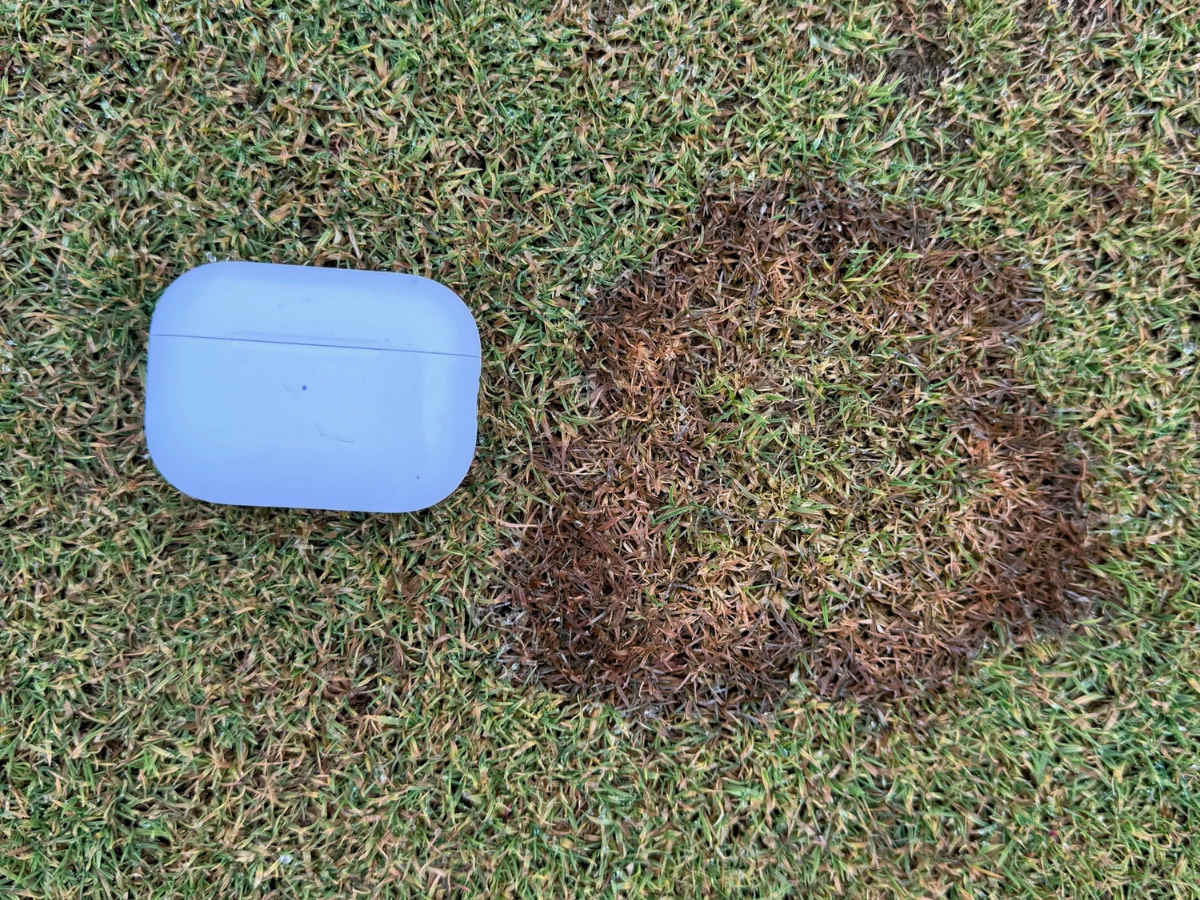
Microdochium patch is
particularly challenging due to its prolific sporulation and ability to spread
via mechanical traffic and mowing. The disease can damage the turfgrass foliage
and work its way down to the crown – ultimately leaving circular patches of
dead grass and voids in the stand. Cultural practices like reducing surface
moisture and limiting nitrogen fertilization leading into the winter can help
mitigate the disease, but fungicides are often needed for complete control.
There are relatively limited fungicide options available for control of this disease as well as documented
resistance issues in Microdochium patch to certain chemistries.
Using Phosphorus Acid for the Control of Microdochium Patch
Plenty of research has been done over the past 10 years that has explored
alternative methods of controlling Microdochium patch on turfgrass.
Phosphorus acid – the active fungicidal component
in Title Phyte®- has shown in numerous studies to both directly and indirectly
inhibit the growth and disease development of Microdochium nivale on turf.
This has given rise to different agronomic program
recommendations that incorporate phosphorus acid and other non-traditional
fungicidal chemistries to aid in the control of Microdochium patch in
areas that have persistent or chronic disease epidemics throughout the season.
Title Phyte® Research and 2ee Label Recommendation
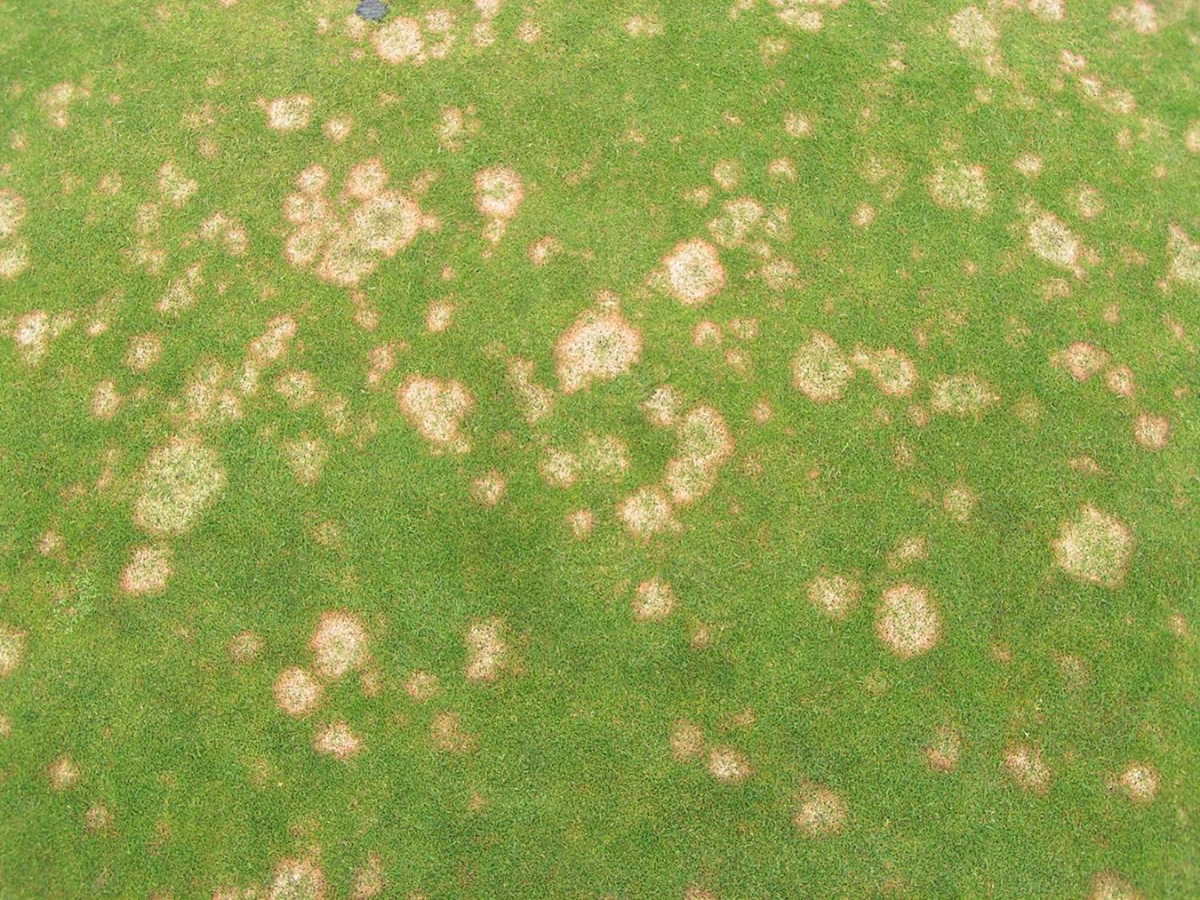
Trials have been conducted with Title Phyte® Systemic Fungicide that have proven excellent efficacy
in controlling Microdochium patch alone or in combination with
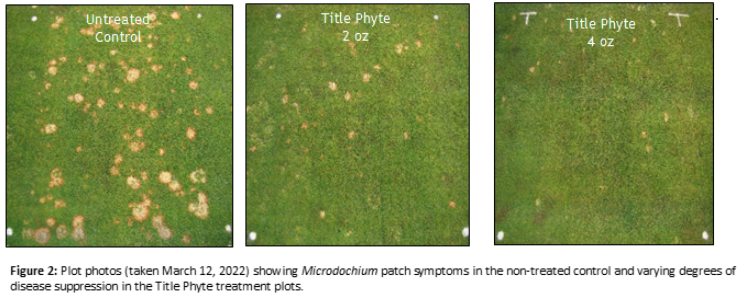
iron-based fertility products (such as Harrell'sMAX® IronMn Mg). The data and photos below are from an Oregon State University trial with Dr. Alec
Kowalewski.
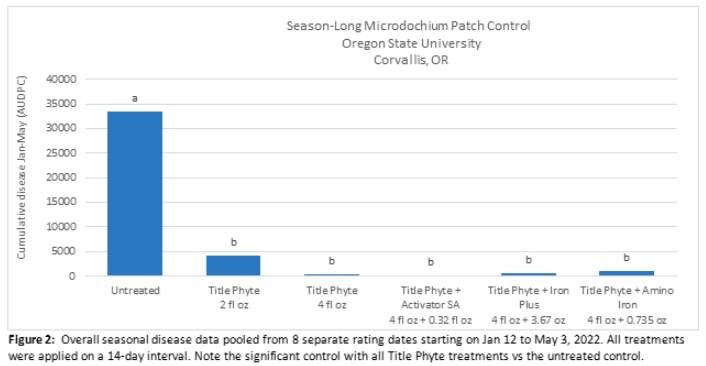
Under extremely high disease pressure, preventive
applications of Title Phyte® showed nearly complete control of Microdochium
patch at 4 fl oz/1,000 sq ft when applied at a
14-day interval. With a growing need for new options and improved disease
control methods on Microdochium patch, it was an easy choice to pursue a
label expansion for Title Phyte®. The new 2ee recommendation for Microdochium
patch makes Title Phyte® one of the only potassium phosphite products on the
market today labeled for the control of this disease.
How to Use Title Phyte® in Disease Control Programs
Title Phyte® should serve as the backbone of any disease
control program on golf courses and other high value turf areas. Flexible use
rates of 1-5 oz/1,000 sq ft allow for applications at varying intervals to
greens, tees, or fairways. Whether used to help fight Pythium blight and anthracnose during hot, humid stretches of the growing season or for
added Microdochium patch control through the cooler parts of the year,
the systemic movement of Title Phyte® and supplemental potassium nutrition
makes it a great tank addition in any situation.
Additionally, with no documented cases of resistance,
Title Phyte can be incorporated as a rotational tool or in combination with
other fungicides to help consistently bolster plant health and efficacy on key
diseases.
For more information on Harrell's ProtectMAX® Title Phyte® Systemic Fungicide and other Harrell's research trials and innovations, reach out to your local Harrell's Representative.
Related Resources

In addition to being the nation’s largest distributor of branded fungicides, herbicides, and insecticides, Harrell’s produces custom-blended fertilizers, specialty liquids, and wetting agents. Additionally, Harrell’s is the exclusive US owner, formulator, and distributor of all POLYON® branded products.
TEAM HARRELL'S
STAY EQUIPPED
Never stop learning. Access FREE continuing education courses from Harrell’s.
LET'S GROW
PRESS RELEASES
PRESS RELEASES
STAY EQUIPPED
Never stop learning. Access FREE continuing education courses from Harrell’s.
LET'S GROW