

Market Indicators of Success for Horticulture
7/1/2024 - By Norman Lafaille
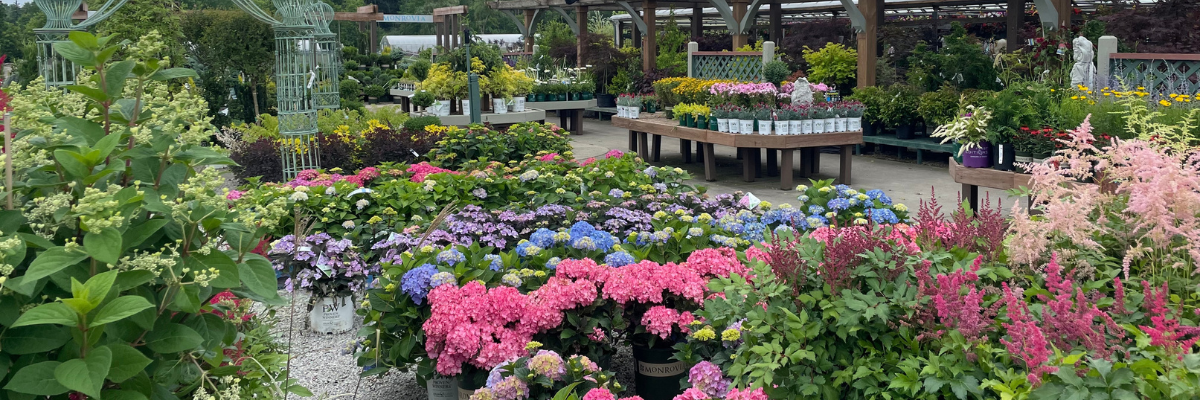
Several indicators within our country will typically dictate
just how strong (or weak) the horticulture industry will be in any given year. These
indicators are important for horticulture professionals to keep their eyes on
as they can help them predict their needed inventory, which products they
should be selling, and when to begin growing certain products. Let’s dive in
and learn more about what to be watching for!
Horticulture Market Indicator #1 – Housing Startups
The first is new housing startups. With mortgage rates in
the 7% range, many potential buyers are holding back and continuing to rent. However,
there is still a hefty demand for new homes and, according to the National Association of Realtors®, a low
supply of new homes and existing homes for sale. At this point, the US has a 3.2-month
supply of housing inventory which is low enough to be considered a “seller’s
market.” However, many experts believe that if the rates dip into the 6.5%
range, existing homeowners will be willing to upgrade, which in turn, will help
add much-needed inventory.

So, where do the horticultural needs come in? Most existing
homes will already have landscaping and planting complete around their homes. However,
new homes will always drive horticulture sales as housing associations typically
require a landscape plan for a given development. Many people love plants and having
plants around the foundation of their house and in planting beds not only
offers curb appeal but also adds financial gain to their property’s value. And,
as a bonus, let’s not forget that we need plants for human life. #oxygen!
Horticulture Market Indicator #2 – DIY Spending and Landscaping
Some homeowners love working in their yards and take great pleasure in getting their hands dirty. However,
others like to leave it to professional landscapers. Either way, there is
typically a budget set for this sort of thing, which is where things get tricky
in 2024. With all the inflation increases over the last couple of years,
spending on non-essential items has taken its toll.
For example, let’s assume that a household is lucky enough
to have the same budget for beautification in 2024 as they did in 2020, which
is set at $750 and is typically spent in the spring. In 2020, this $750 may
have bought you 8 new shrubs, a dozen 2-gallon perennials, and a few trays of
annuals. That same $750 in 2024 will buy you 6 shrubs, eight 2-gallon
perennials, and two trays of annuals. This in turn means our wholesale customers
are constantly adjusting their production plans, looking for the perfect size
and price for each plant.
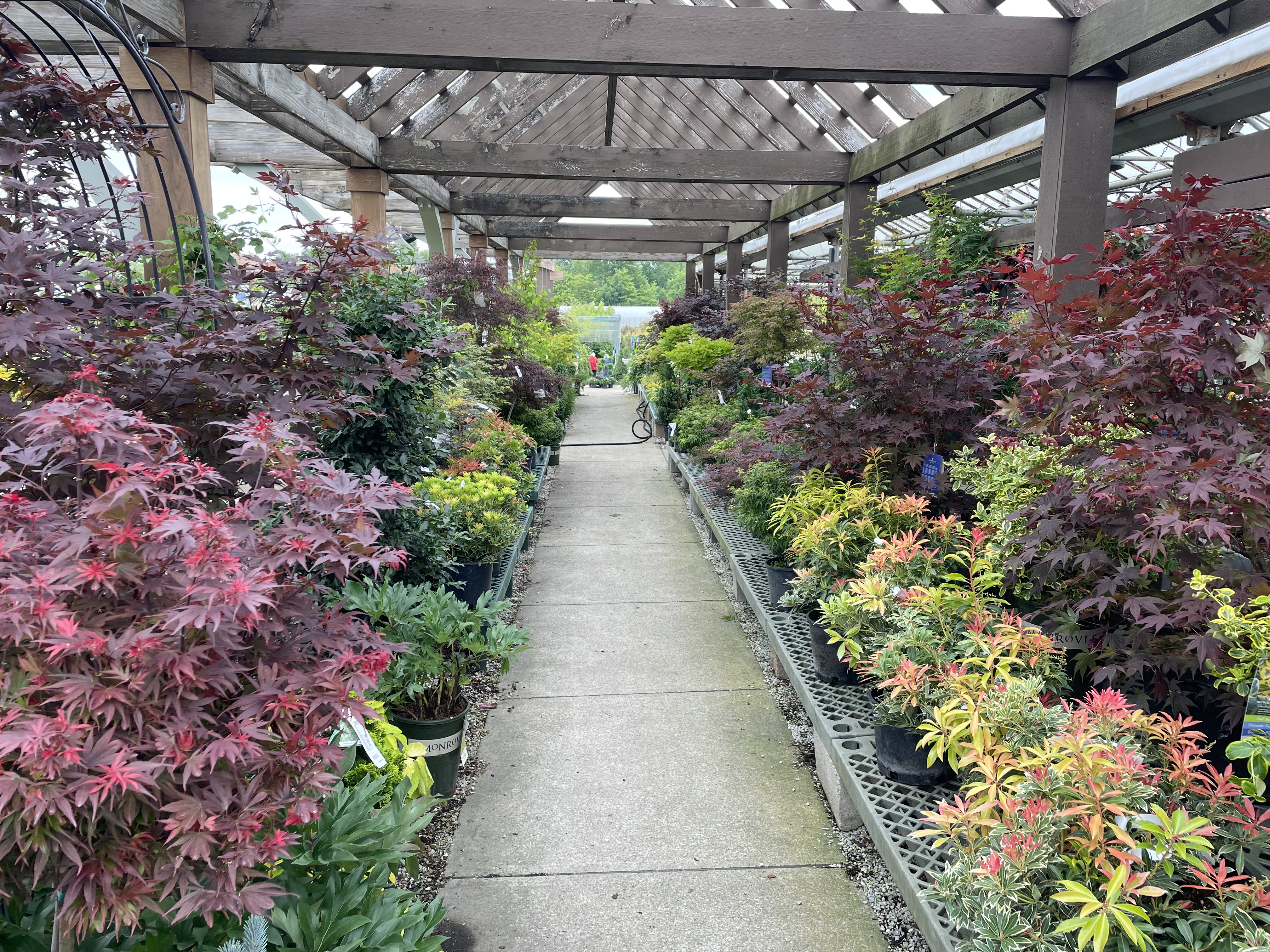
As an example of adjustment for cost, hydrangeas and roses
are two top sellers. A popular size was a 5-gallon container. Many producers have
moved to a 3-gallon container to have a comparable price point for the consumer
due to rising costs in materials. Of course, the plant itself is a little bit
smaller, but gardeners are willing to give that plant time to grow in their
landscape. The Covid-19 years created a huge wave of new gardeners!
Lucky for us, many of those folks are still gardening as
they discovered that it is quite rewarding given the proper time and elbow grease. Younger people have also discovered that
gardening does not just mean pretty flowers or house plants. Some top sellers
in urban areas include dish gardens that produce food including tomatoes,
herbs, and berries as people discover the value of fresh-grown plants.
Horticulture Market Indicator #3 – Mother Nature
This may be the most unpredictable piece of the puzzle. Every
region in this country has a period each year when nursery and greenhouse
growers have their fingers and toes crossed for favorable weather. Our weekends
are crucial as garden center sales are strongest on Saturday and Sunday, but if
it is too hot, too dry, too cold, too humid, too rainy, etc. sales will be off.
There are a lot of things to consider that can go wrong.
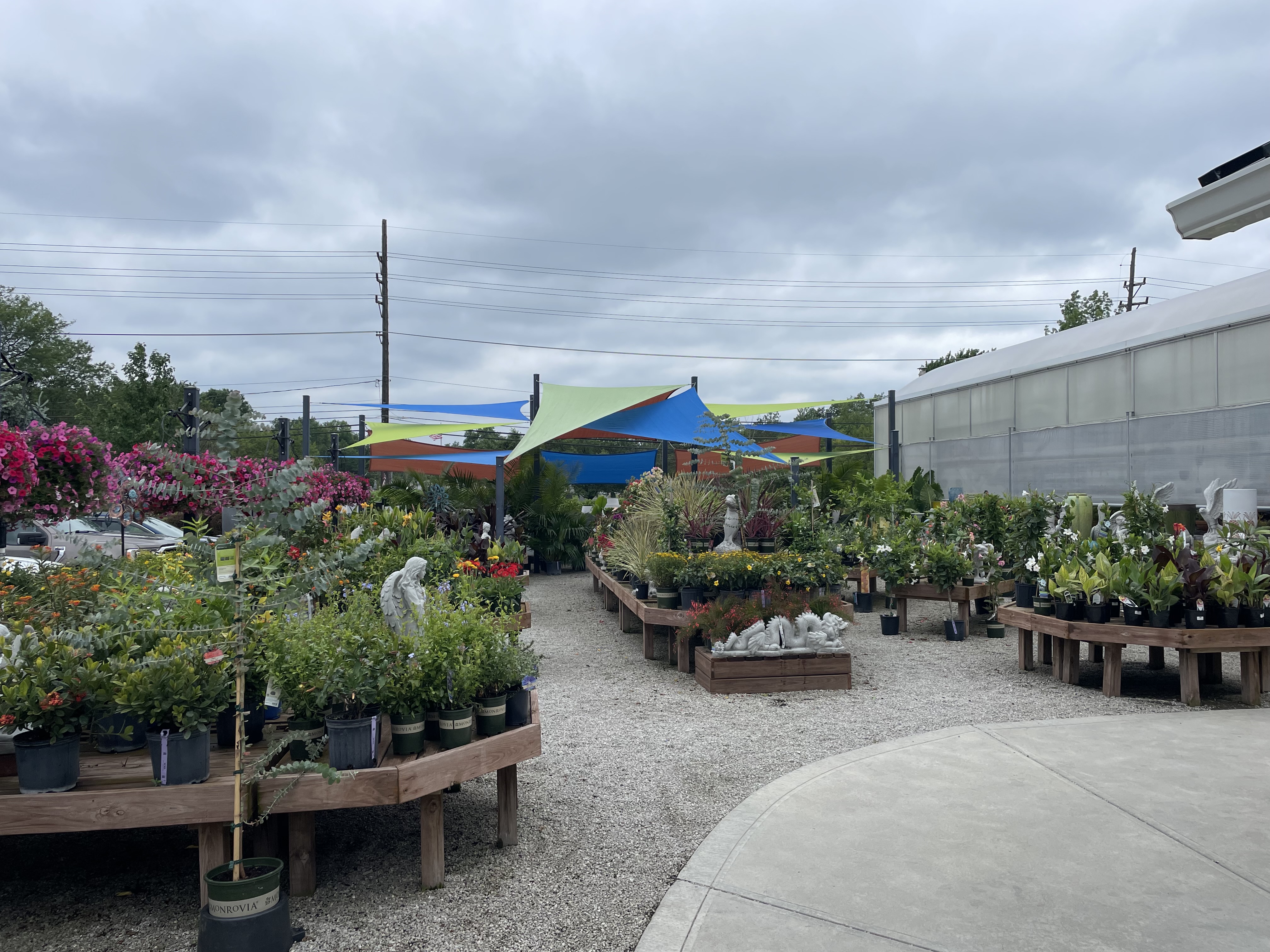
As I write this blog in mid-June of 2024, I can honestly say
that depending on what region you are in, the weather will determine just how
strong (or weak) your year has been so far. Some growers are reporting slight
increases over 2023, many are staying flat with 2023, and still others are
saying they are down as much as 20%. Truth be told, this is not much different
than most years. If we have beautiful weather in the Northeast, it will be so
hot in Texas that everyone is inside, escaping the heat. If we have a long
planting season in Florida, the Midwest will have record-breaking rainfall, and
so on.
For Horticulture Questions, Reach Out to Your Harrell’s Rep
Harrell’s is fortunate to be global and to be involved in
multiple areas of the green industry. We will always experience some short-term
fluctuations regionally, but thanks to the AMAZING team at Harrell’s, we will
always take full advantage of whatever growth opportunities present themselves
year to year.
As always, never hesitate to reach out to your local Harrell's Representative for
any of your horticultural questions/needs. Now get out there and do some
gardening!
Authored by Norman Lafaille
Related Resources

In addition to being the nation’s largest distributor of branded fungicides, herbicides, and insecticides, Harrell’s produces custom-blended fertilizers, specialty liquids, and wetting agents. Additionally, Harrell’s is the exclusive US owner, formulator, and distributor of all POLYON® branded products.
TEAM HARRELL'S
STAY EQUIPPED
Never stop learning. Access FREE continuing education courses from Harrell’s.
LET'S GROW
PRESS RELEASES
PRESS RELEASES
STAY EQUIPPED
Never stop learning. Access FREE continuing education courses from Harrell’s.
LET'S GROW