

Hurricane Recovery - Be Ready for What Comes After
10/28/2024
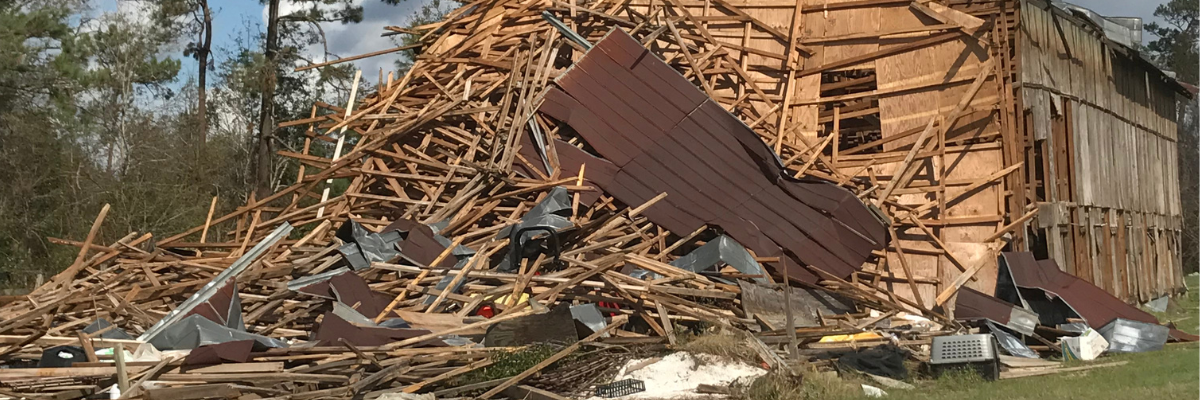
Hurricane season is one of the toughest times of year for hundreds of businesses in the Eastern US. Depending on the storm, the effects can be devastating in many ways and force you to make timely repairs, changes, and closures to maximize hurricane recovery. Being prepared for a storm is vital to ensure you get through the brunt of it as soundly as possible, but prep isn’t only important for when the storm hits, it’s just as important for making sure you’re ready for the effects that come after the storm.
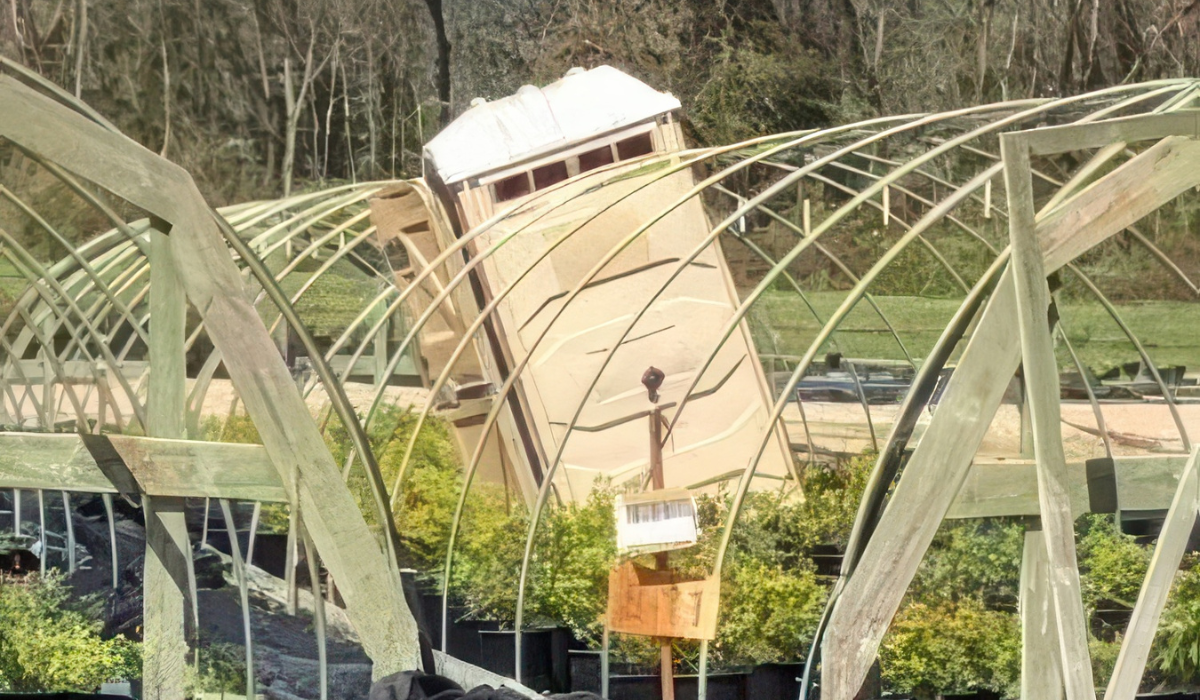
Joseph Hackney of Hackney Nursery weathered a category 5 hurricane a few years ago, seeing much of his operation being mangled by the storm. The experience of weathering a hurricane is a staggering challenge for anyone and any business to endure. But, utilizing the lessons and experiences of those who have come out the other side helps us to learn and understand the importance of having the tools you need before the storm so that you are equipped to bounce back quickly and efficiently.
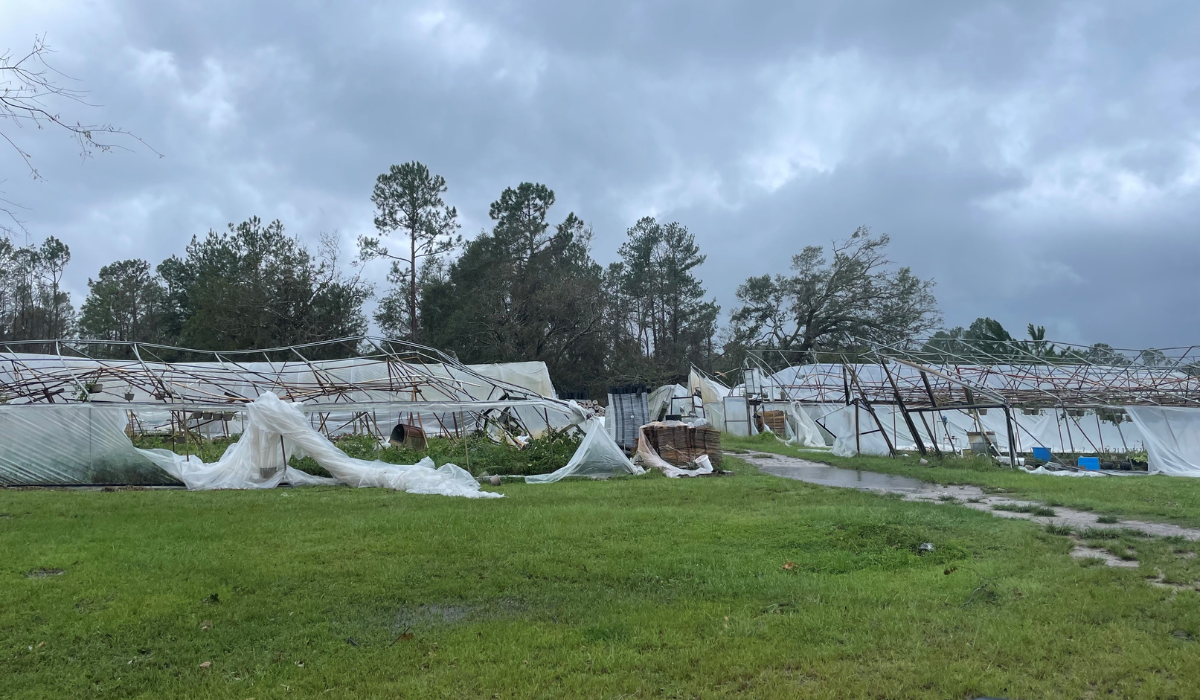
Hurricane Recovery and What You Can Do Before
“It was just destruction, and there’s not really anything you can do to prepare for that because the forecasting is so tricky,” Joseph said. “We were projected to get a cat three that was moving fast and would maybe be a cat one by the time it made landfall, and it was going to be a little bit further east so we wouldn’t be on the bad side of things. We made the last-minute decision to pull all our shade cloths down and take all the greenhouse tops off that we could.”
Joseph mentioned that there were no fertility or other products that they applied before the storm due to the amount of time that they had, “when a storm comes around, you don’t have much time for all of the prep you need to do, and you can only do so much.” Joseph and his team focused on saving structures, parking their equipment over growing bed ground cloths to hold them down, anything that they could do in the 48 hours they had before the storm hit. But again, that just is not that much time, especially when you have employees who need to do their prepping at home.
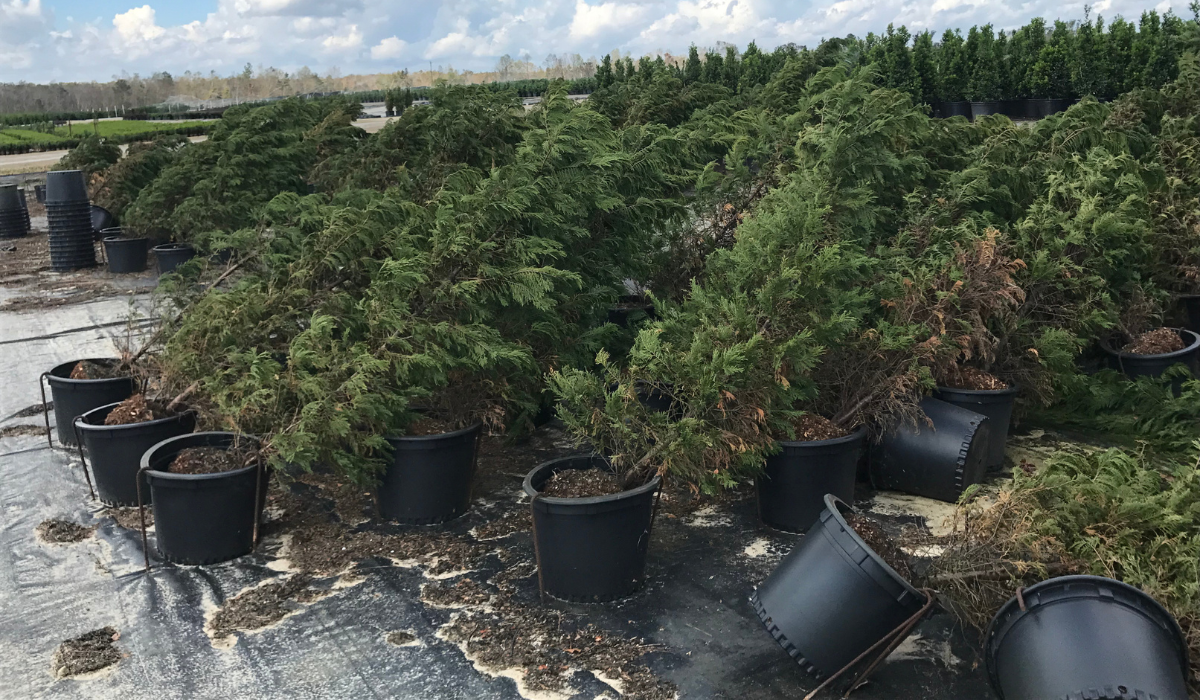
Hurricane Recovery Comes from Staying Prepared
The Hackney Nursery team had equipment and parts in stock, so they were able to make many repairs and replacements when the storm finally relinquished, fixing many broken sprinkler heads, ruined structures, lines, and many other damaged areas. But it wasn’t nearly as much as they needed for everything, which caused the team to have a new mindset focused on preparedness. “We have now put a big push on staying prepared. We keep all of our diesel tanks full during hurricane season and we’re constantly keeping way more fuel on hand than we think we would need.”
Hackney Nursery now thinks through scenarios with the team such as power loss, flooding, etc., and how they will get the resources they need to the places they are needed. With a whole team of people who are prepared (for example) to get fuel from the reserve and hook up generators to get water flowing to plants that need it, you will not only be able to conquer challenges faster but also learn what you need to function in any given situation.
Thinking ahead and preparing for more than you hope you will need to is the best way to recover fast after the storm, with the right tools and people at the ready.
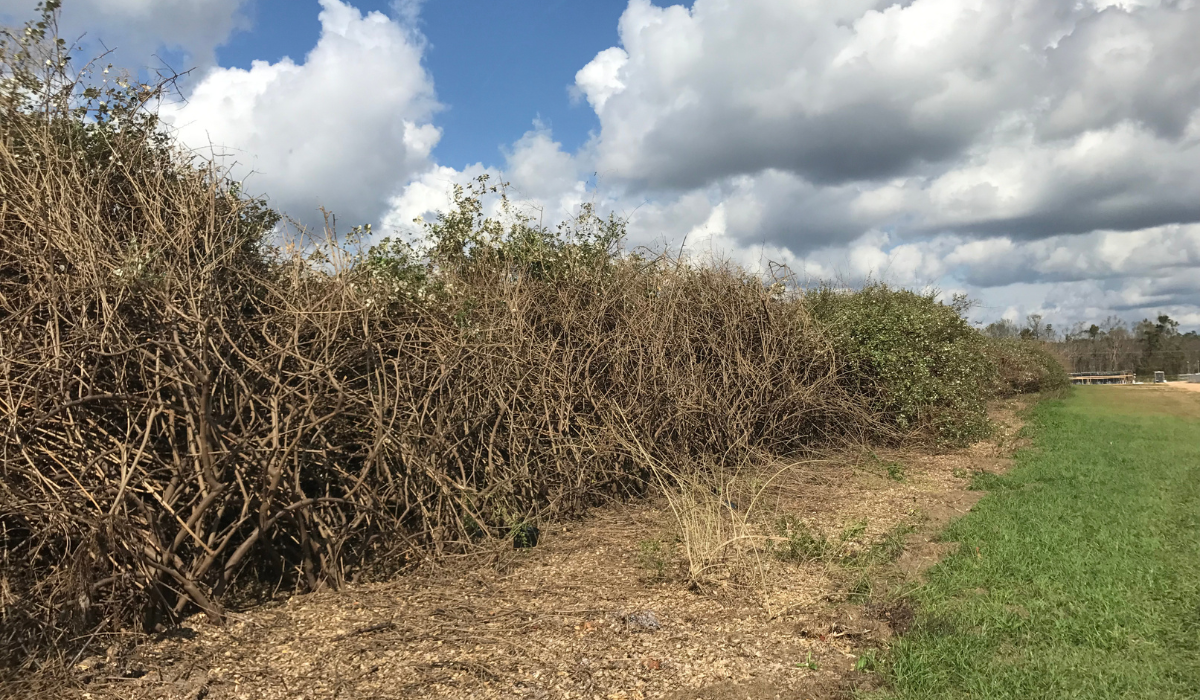
People are Key for Hurricane Recovery
Even if you have all of the parts, materials, resources, etc. after a storm, if you don’t have the right team to help you recover you are in for a much harder time. Joseph reflects on his experience with his Harrell's Rep when the recovery began. “We went through a Cat 5 hurricane and I was evacuated. When I came home literally the next day and that night the roads were so clogged that you couldn’t get anywhere, I mean you were literally driving down in the ditches. I was living at the nursery at the time and I remember there was debris and downed trees everywhere, there was damage all over the place but I remember looking up and seeing this guy pulling a big old generator.
When he got to the gate of the nursery I pulled up to him and low and behold it was Scott Martiniere, Harrell’s VP of Sales and Marketing, Hort South, who without any hesitation or even asking what we needed had driven to Green Forest and gotten one of their generators and brought it to us. At that point, it was around 5:30 pm and he said ‘I’m going back to Mississippi right now, Dan’s got another one and I’ll be back tomorrow morning.’ That right there is one of the keys to knowing who you can depend on.”
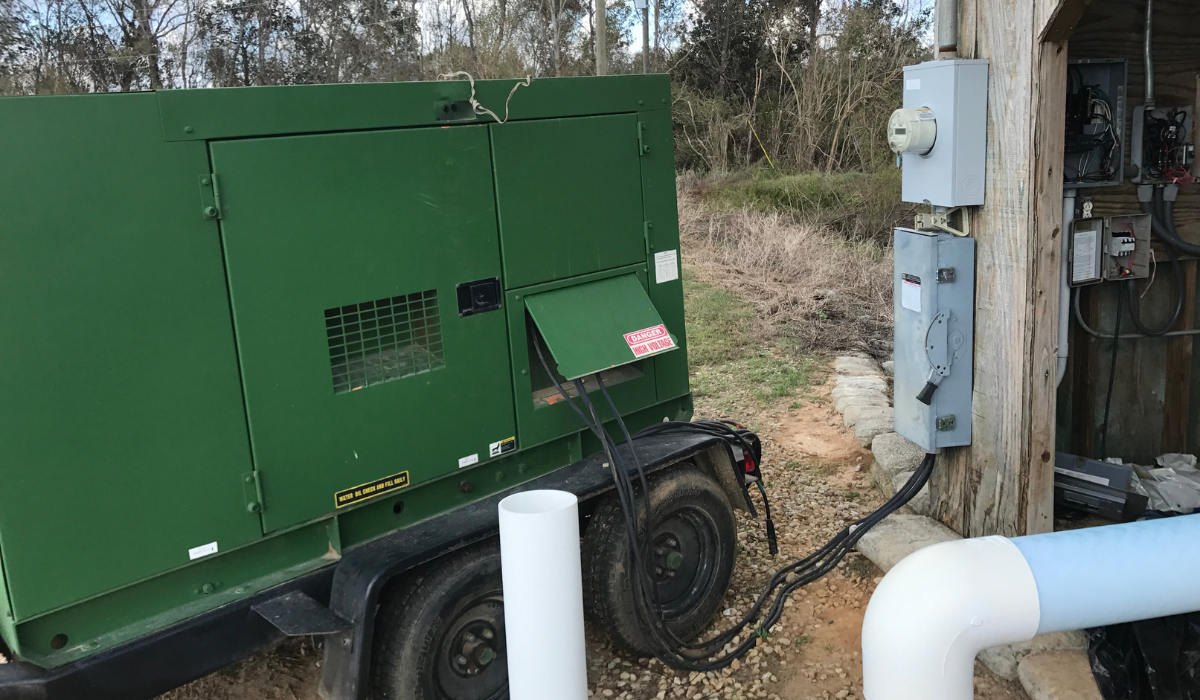
Generators in the whole area were sold out at that point and there were no rentals available, between the efforts of Scott and those of Bennett Dudley from Dudley Nursery, Joseph and his team had 5 generators to work with. Power was down and the nursery had to live off of generators for 16 days for all of its irrigation and electrical functions. Without the right connections and people as part of their team, recovery might not have been able to happen at all for Hackney Nursery.
Hurricane Recovery Prep for Later Begins Now
One of the main factors working against everyone with hurricane prep is the unpredictability of the storms. The “spaghetti models” predict the most likely path for a hurricane along with the forecasted strength along certain points, but this is all subject to change as the storm develops and the direction that it decides to go once it makes landfall. For example, if the storm is predicted to just be a tropical storm but ends up making landfall as a category 5 hurricane and you were only preparing for the smaller storm, your options are severely limited for once the 150mph winds start howling through your property.
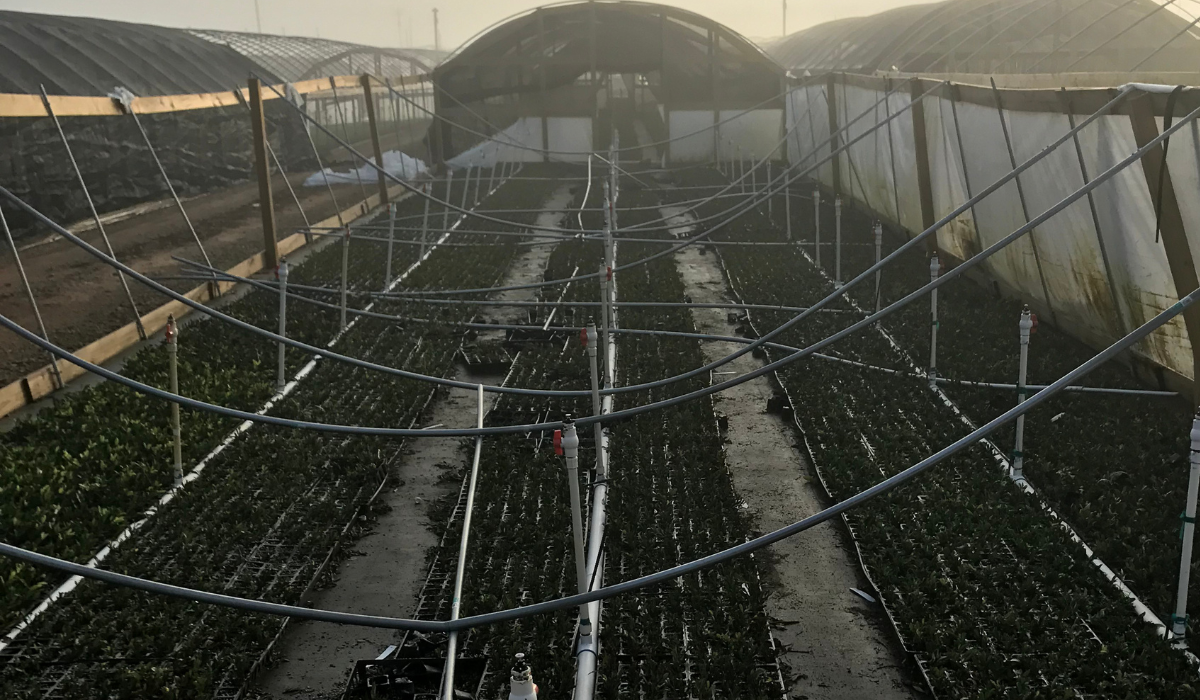
All that to say, your best option is always to overprepare when a storm is going to be coming in, no matter the strength because you just don’t have the time once you know for sure how strong it will be, especially if you’re a business owner. This was Joseph’s experience and he said, “You just have to be prepared and know you can deal with the aftermath, which is tricky because you don’t know how long the aftermath is going to be. You just need to A. have your people prepared, B. have plenty of fuel for both your vehicles and all of the generators and other equipment, and C. have everything else ready for repairs and whatever else once it passes. It all comes down to what you do ahead of time.”
Three Important Reminders for Hurricane Recovery
Hackney was able to learn a lot from their experience, and anyone who has gone through a hurricane knows what that’s like. For Joseph and his team, he recommended 3 key things to remember in your preparation:
1. Irrigation is Critical – Overprepare for this, stock up on sprinkler heads and other parts for your lines and system. 100+mph winds whipping debris around won’t leave many heads intact, and it doesn’t take much summer heat to do serious damage to plants.
2. Stock Up On Fuel – As mentioned before, keeping enough fuel stocked for your equipment and personal vehicles is critical. If the power is out you could be running on generators for 1 day, you could be on generators for 10+ days, so be prepared.
3. Good Employees are Key – Recovery takes a long time and employees could be working 15+ hour days, make sure your staff is ready and equipped with what they need to help.
“This isn’t an exact science obviously, because it’s a natural disaster, and they are unpredictable. Our goal is just to give some people reminders now so they can have an easier time later.”
Hurricane Recovery Disease Management Recommendations
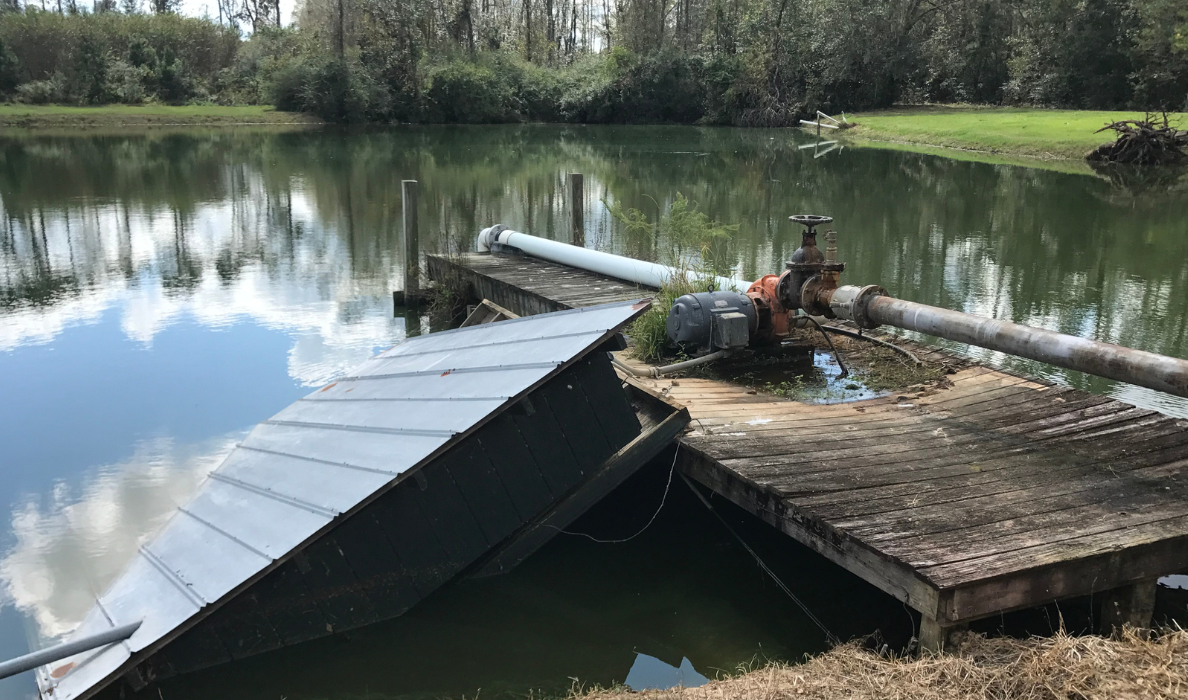
To prevent disease, Plants that have blown down need to be set back up right away. All shade house structures damaged in the storm need to be repaired as soon as possible to minimize damage from sunscald. All damaged irrigation needs to be fixed and set back in place. Adequate plant nutrition is critical for wind and flood-damaged plants to fully recover. Fertilizers applied as a top dress application that are not time-release will need to be reapplied due to leaching. POLYON controlled-release fertilizers will be fine.
Diseases caused by water mold pathogens including Phytophthora and Pythium will likely be the most prevalent due to water-saturated conditions following the storm. If flooded, the plants need time to dry out before an application is made. Tighten the application frequency whenever rains return in the following weeks as Pythium and Phytophthora oospores (resting structures) will likely germinate to create similar epidemics. The goal is to protect plants from further disease to help ensure the recovery of roots and foliage from flood damage.
Product Recommendations from Dr. Aaron Palmateer
Top product recommendations for both Pythium & Phytophthora:
Subdue Maxx® (Syngenta) 0.5 – 1 fl oz/100 gal as a drench or spray
Banol® (ENVU) 20 – 30 fl oz/100 as a drench, spray, or dip
Adorn® (Nufarm) 2 – 4 fl oz/100 gal as a drench or spray
Segway® (OHP) 3 fl oz/100 gal as a drench or spray (landscape only)
Title Phyte® Systemic Fungicide (Harrell’s) 32 – 64 fl oz/100 gal or as a spray or 12 – 24 fl oz/ 100 gal
Obtego® (SePRO) 3 – 7 oz/100 gal as a drench, spray, or dip
Wind and heavy rains are an effective means of spreading plant pathogens and potentially introducing new ones. Ornamental plants have been severely stressed due to high winds and flooded conditions and become predisposed to many opportunistic pathogens. Harrell’s recommends curative fungicides as needed and then returning to scheduled preventive applications for leaf spot diseases following hurricanes. If still flooded, wait for the pots/soil to dry before any applications. Tighten the application frequency and use higher labeled rates whenever symptoms begin to redevelop. Continued preventive control of leaf spot diseases is recommended with a broad-spectrum fungicide or a tank mix of multiple fungicides to ensure uninterrupted recovery.
Top product recommendations for leaf spot diseases:
Choose one of the following FRAC 7 + 11
Orkestra™ (BASF) 8 – 10 fl oz/ 100 gal as a spray or drench
Broadform® (Envu) 4 fl oz/ 100 gal as a spray
Mural® (Syngenta) 6 fl oz/ 100 gal as a spray or 3 fl oz/100 gal as a drench
Choose one of the following FRAC 3
Avelyo® (BASF) 5 – 10 fl oz/100 as a spray or 2 – 3 fl oz/100 gal as a drench (nursery only)
Propiconazole (Harrell’s) 8 fl oz/100 gal as a spray
Eagle® 20EW (Corteva) 6 – 12 fl oz/100 gal as a spray
Rotations with any of these other products are recommended for broad-spectrum disease control in the nursery or landscape
Postiva® (Syngenta) 10 – 28 fl oz/100 gal as a spray or drench
T-Methyl® (Harrell’s) 12 – 20 fl oz/100 gal as a spray or drench
Armada® (Envu) 3 – 9 oz/100 gal as a spray (landscape only)
Affirm™ WDG (Nufarm) 0.25 – 0.5 lb/100 gal as a spray or drench
Your Harrell’s Rep is Here for You
Hurricane recovery isn’t something that has a perfect solution. But thanks to the efforts, advice, and recommendations from people like Joseph, your Harrell's Rep is equipped to help you prepare your property for any potential storms or circumstances in the future. If you’re not already connected, reach out to your Rep today to put together a plan and learn more about prep and our options for you.
Related Resources

In addition to being the nation’s largest distributor of branded fungicides, herbicides, and insecticides, Harrell’s produces custom-blended fertilizers, specialty liquids, and wetting agents. Additionally, Harrell’s is the exclusive US owner, formulator, and distributor of all POLYON® branded products.
TEAM HARRELL'S
STAY EQUIPPED
Never stop learning. Access FREE continuing education courses from Harrell’s.
LET'S GROW
PRESS RELEASES
PRESS RELEASES
STAY EQUIPPED
Never stop learning. Access FREE continuing education courses from Harrell’s.
LET'S GROW