

Insecticides for Armyworms
10/6/2023 - By Dr. Paul Giordano

Maintaining a lush and healthy lawn is a source of pride for homeowners and a testament to the expertise of lawn care operators. However, swarms of destructive pests such as armyworms can quickly turn a green oasis into a battleground. These invaders feed on grass foliage, leaving behind unsightly brown patches and compromising the integrity of the entire lawn. In this article, we explore what an armyworm is and how lawn care operators are effectively combating the menace of armyworms to protect the lawns they service.
Why Are They Called Fall Armyworms & When Do They Show Up?
While there’s a difference between the common armyworms and the "fall armyworm", the most destructive and problematic of the species is no doubt the latter. They’ve earned the name “Armyworm” because they tend to appear in large numbers during the late summer and early fall, reaching their peak populations after going through multiple generations during warmer months.
Fall armyworms exhibit migratory behavior during this time, often moving from agricultural fields to adjacent grasslands or lawns. As voracious feeders, they can cause significant damage to crops and turfgrass stands throughout the southern and transition zone states.
The term "armyworm" reflects their behavior of feeding in large groups, resembling an army as they move and consume vegetation. It's important to note that the presence and impact of fall armyworms may vary depending on the geographic location and local climate, with some regions experiencing their appearance at different times of the year or exhibiting different seasonal preferences.
Identifying and Monitoring Armyworms
During the late summer, lawn care operators may face challenges when dealing with pests like armyworms and can be prepared with preventative strategies to stop the invasion. Here are some best practices to keep in mind when preventing or treating armyworm infestations:

The first step is to identify whether armyworms are the cause of the lawn damage. Armyworms are caterpillars that are typically green, brown, or black, with distinct stripes along their bodies. They tend to feed on grass blades, leaving behind chewed or brown patches that can range in size but grow very quickly into large swaths of damaged turf.
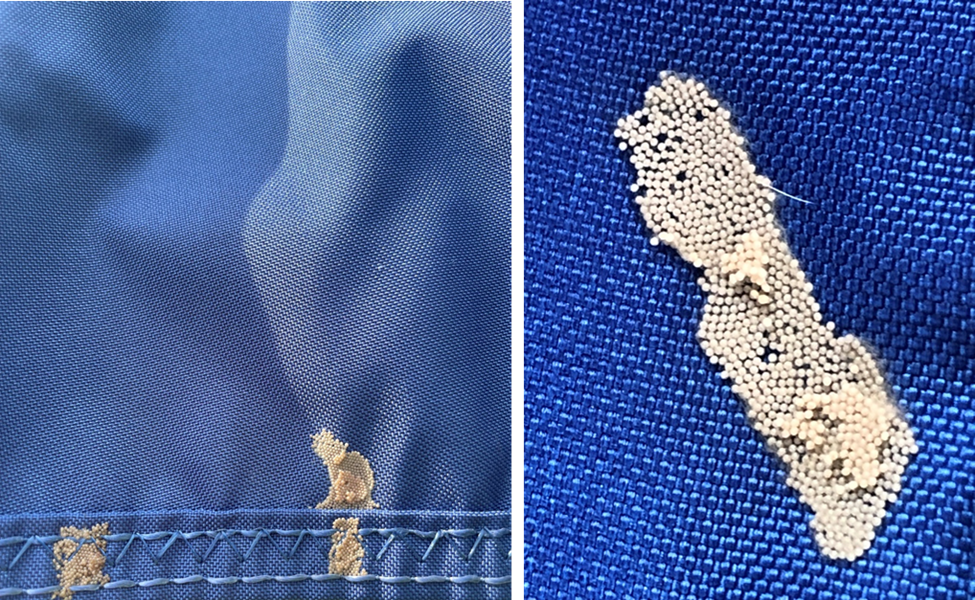
Regular monitoring of the lawn is crucial to catch armyworm infestations early. Inspect the grass for signs of armyworms, such as chewed grass blades or the presence of the caterpillars themselves. Pay attention to areas where the grass appears damaged or brown. It’s also helpful to look for egg masses of the fall armyworm that are typically laid on vertical surfaces like signs, buildings, or mailboxes. (See examples below.)
Insecticides for Armyworms
When you have identified the presence of armyworms, it is important to manage them as soon as possible as damage can occur quickly and broadly.
If the armyworm infestation is severe or spreading rapidly, lawn care operators may consider applying an appropriate insecticide. There are several insecticides available specifically designed to target armyworms. Follow the instructions provided by the manufacturer and apply the insecticide evenly across the affected areas of the lawn.
Maintaining a healthy lawn can help prevent armyworm infestations or limit their impact. Encourage proper lawn care practices such as regular mowing at the recommended height, adequate watering, and appropriate fertilization. Healthy grass is better equipped to withstand armyworm feeding and recover more quickly. Preventively, a great solution that keeps lepidopteran pests at bay is Harrell's POLYON® sparged with Acelepryn. Applied in the late spring, this product provides a powerful, long-lasting insecticide that can offer up to 6 months of protection from a broad range of turf insect pests.
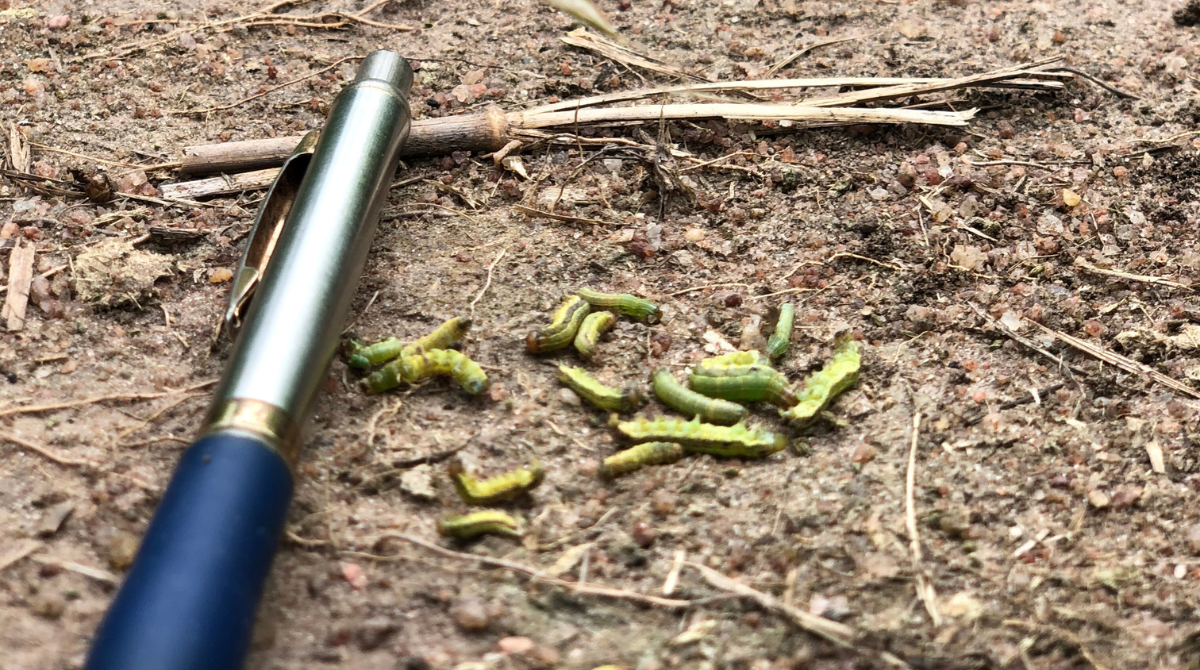
There are several insecticides available for controlling armyworms curatively. The choice of insecticide depends on various factors, such as the severity of the infestation and local regulations. Here are some commonly used insecticides for armyworm control that are labeled for residential lawn use:
Insecticides for Armyworms: Talstar or Bifenthrin
Talstar works by contact and can be an affordable way to “knock down” armyworm infestations in lawns. Residual control is minimal, so contact with the foraging insects is important to ensure optimal control.
Insecticides for Armyworms: Tetrino
Tetrino is an anthranilic diamide that works by ingestion. This product can be used both preventively and curatively on fall armyworms and offers up to two months of residual control. When watered into the root zone, Tetrino can also offer control of white grubs preventively.
Insecticides for Armyworms: Dylox
Dylox 6.2 works by both contact and ingestion. It rescues and protects lawns and turf from grubs and certain other insects that feed on them. When watered properly, this product can even penetrate thatches up to 1/2 inch thick.
Insecticides for Armyworms: Provaunt
Provaunt® WDG insecticide controls the European crane fly, annual bluegrass weevil, turf caterpillars (including armyworms, cutworms, and sod webworms) and mole crickets, and more to protect your turf and landscape ornamentals.
While armyworms and grubs can become a problem for lawn care operators, there are cultural and chemical solutions that will help stave off an infestation. If you suspect an armyworm invasion, reach out to your local Harrell's Rep for diagnosis and a treatment plan.
Related Resources

In addition to being the nation’s largest distributor of branded fungicides, herbicides, and insecticides, Harrell’s produces custom-blended fertilizers, specialty liquids, and wetting agents. Additionally, Harrell’s is the exclusive US owner, formulator, and distributor of all POLYON® branded products.
TEAM HARRELL'S
STAY EQUIPPED
Never stop learning. Access FREE continuing education courses from Harrell’s.
LET'S GROW
PRESS RELEASES
PRESS RELEASES
STAY EQUIPPED
Never stop learning. Access FREE continuing education courses from Harrell’s.
LET'S GROW