

Grass Disease Identification - Top Summer Diseases
7/1/2024
Like people, grass gets sick. And while most of us have our coughs and colds from fall through spring, turfgrass usually sees its peak disease season during the summer months. Heat, humidity, and summer stress all combine to create conducive conditions for invasion from these not-so-friendly fungi. Below are a few of the top culprits, with examples to help you with grass disease identification, and some preventive measures to help keep your turf healthy this “flu” season.
Grass Disease - The Foliar Foes
Dollar spot
Home lawns and golf courses alike battle dollar spot throughout the growing season. This is truly one of the most cosmopolitan turf diseases that can affect numerous warm and cool season hosts across a wide range of temperatures and geographic conditions. Dollar spot prefers humid conditions and plenty of surface moisture from rainfall, irrigation, or dew but it will often be more severe in areas with low soil moisture. This means adequate irrigation and sufficient soil moisture and fertility can play a key role in combatting dollar spot severity.
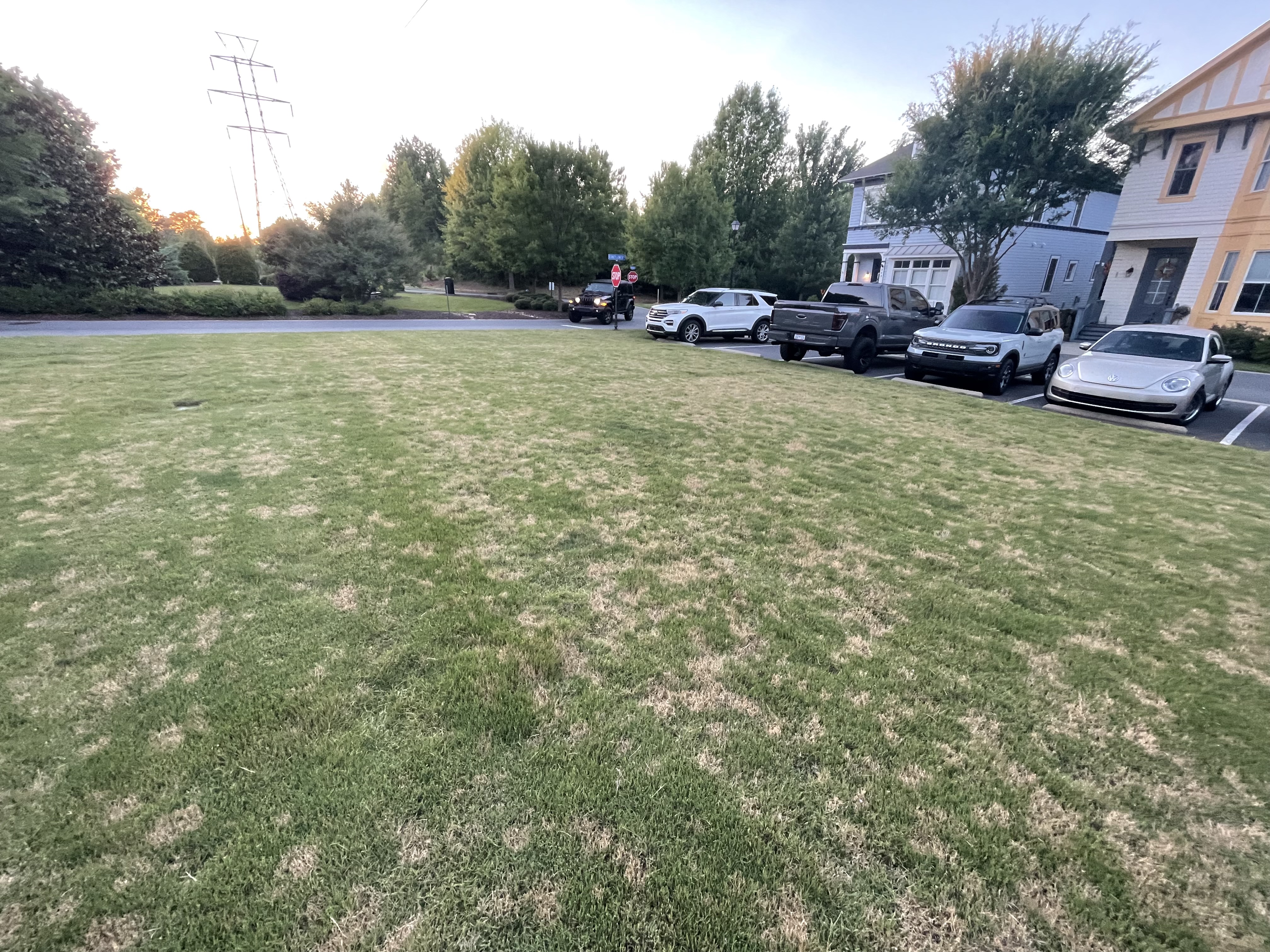
Luckily, numerous fungicides can be used to control dollar spot - Namely the DMI and SDHI classes of chemistry along with the contact fungicides like Harrell's PRotectMAX® Chlorothalonil* and fluazinam*. Although dollar spot can be addressed in a more curative fashion, it’s always best to apply fungicides preventively upon early detection or when conditions are conducive for disease, but before seeing symptoms. A few other protective products include Tebuconazole* and Propiconazole.
Brown Patch
Tall fescue lawns are most susceptible to brown patch, which is the primary disease issue throughout the summer months. Brown patch can also affect numerous other turf species at any mowing height including intensively maintained putting greens on golf courses. Like dollar spot (and most other foliar diseases of turf), brown patch thrives in humid, cloudy, rainy conditions – although it tends to be most severe when temperatures are warmer and consistently in the 80s F.
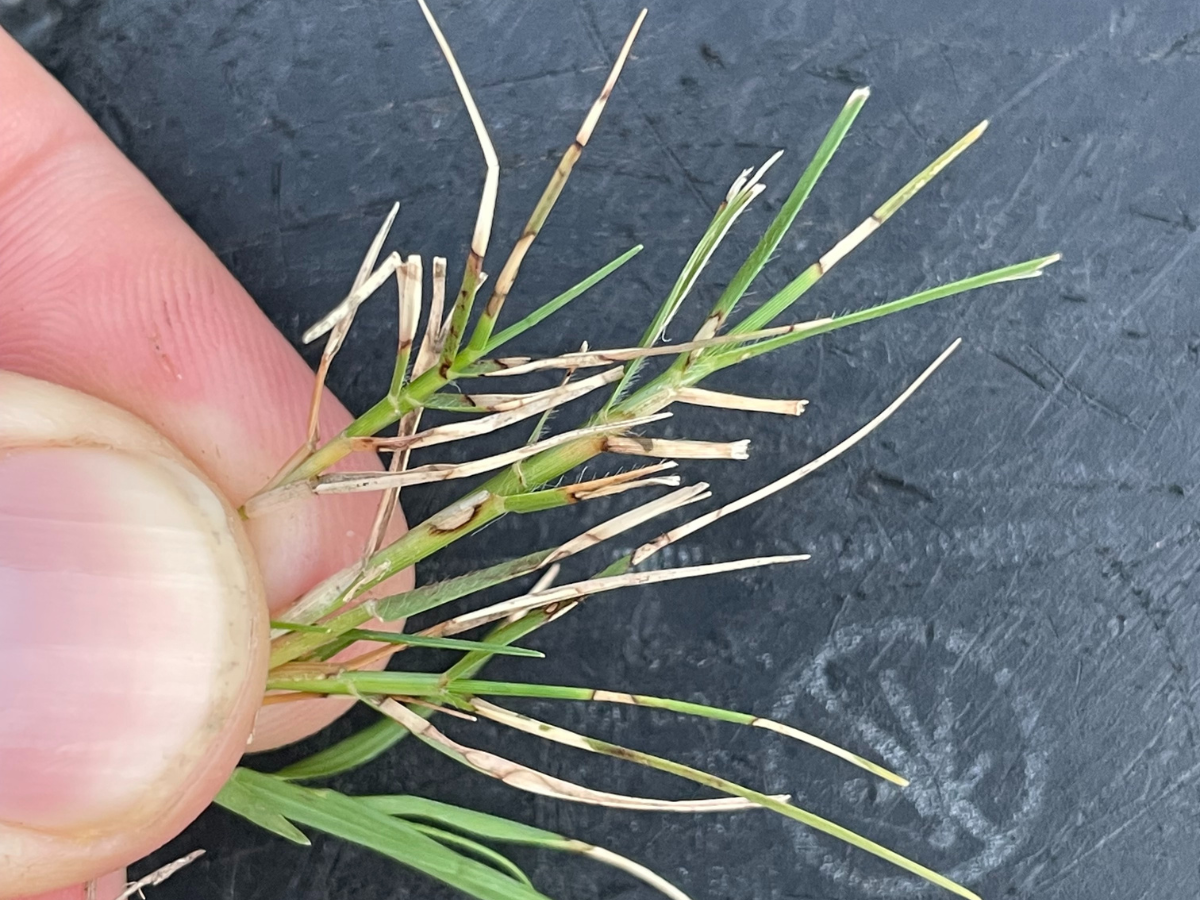
Once thought to be a “high nitrogen loving” disease, recent research and evidence continue to point to brown patch being the most severe in turfgrass that is growing slowly through the summer months. Judicious, but strategic nitrogen fertility can help manage brown patch severity as well as limit the amount of time the turf surface stays wet. Fungicides in the QoI or strobilurin class of chemistry (i.e. Azoxy, Fluoxastrobin SC, Pyraclostrobin) are highly effective at managing brown patch both preventively and curatively.
Gray Leaf Spot
A prolific spore-producing fungal organism causes gray leaf spot to be a very problematic disease for the central and southern U.S. as we get into the mid-to-late summer months. Spores can travel northward via jet streams and major storm systems, spreading spores as far north as New England and the upper mid-west. Gray leaf spot infects and spreads quickly, primarily on perennial ryegrass, tall fescue, and St. Augustine.
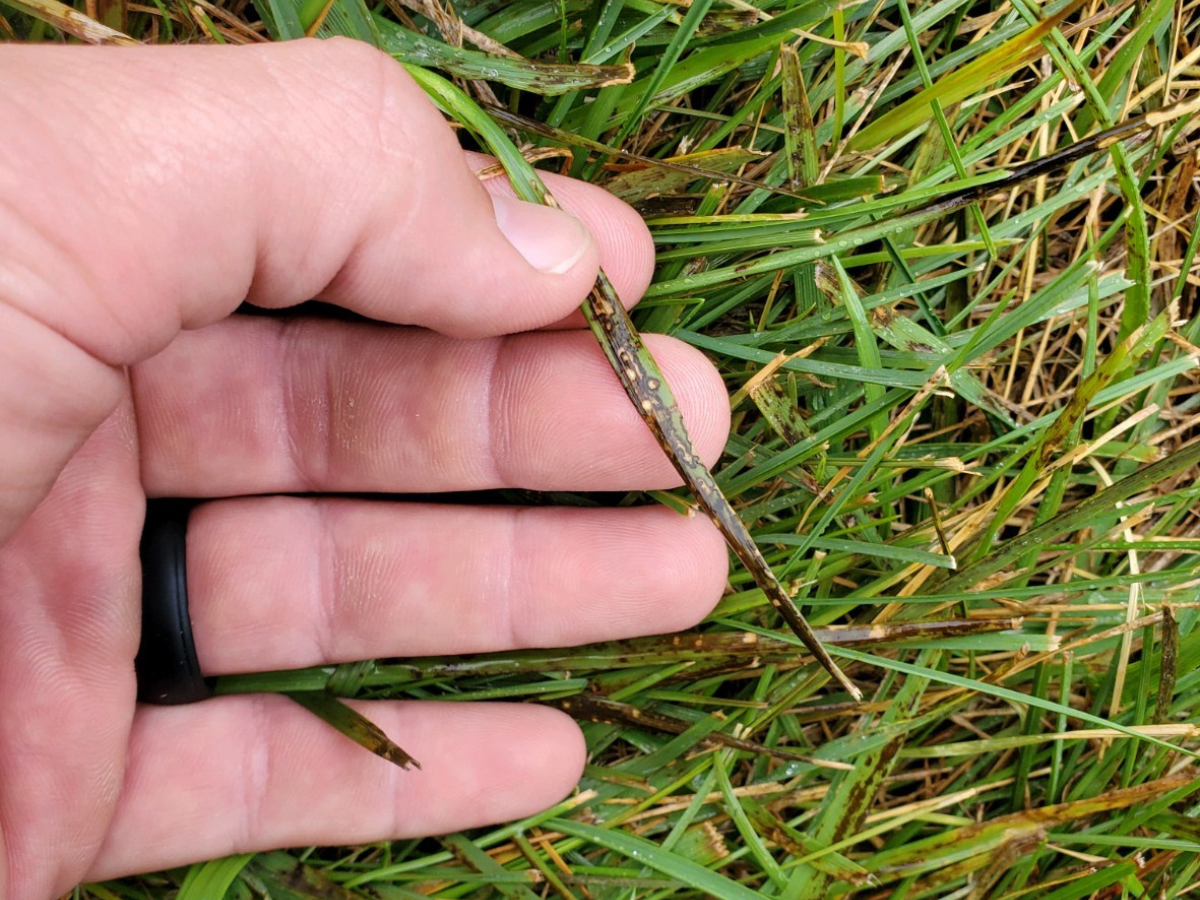
The symptoms can often be confused with Pythium Blight due to the rapid onset of symptoms and potential “tracking” or spreading of the disease with equipment and surface water movement. Home lawns and golf course roughs/greens surrounds are particularly susceptible to gray leaf spot, although it is sometimes difficult to treat preventively, it should be considered when temperatures are consistently above 80 F and rainfall and humidity remain on the high side leading into July. The top chemistries for gray leaf spot control include the DMIs (Tebuconazole*, Envu® Densicor*, Propiconazole), T-Methyl, and chlorothalonil*.
Grass Disease - The Soilborne Suspects
Summer Patch
Like other ectotrophic root-infecting fungi, summer patch ramps up on Poa annua as well as Kentucky bluegrass root systems during the spring and early summer. Because Poa annua roots are much more shallow than creeping bentgrass, even a little summer patch can be highly detrimental to the health of the turf, especially under summer stress. Once soil temperatures are consistently above 65° F, consider targeted fungicide applications to help protect Poa roots.
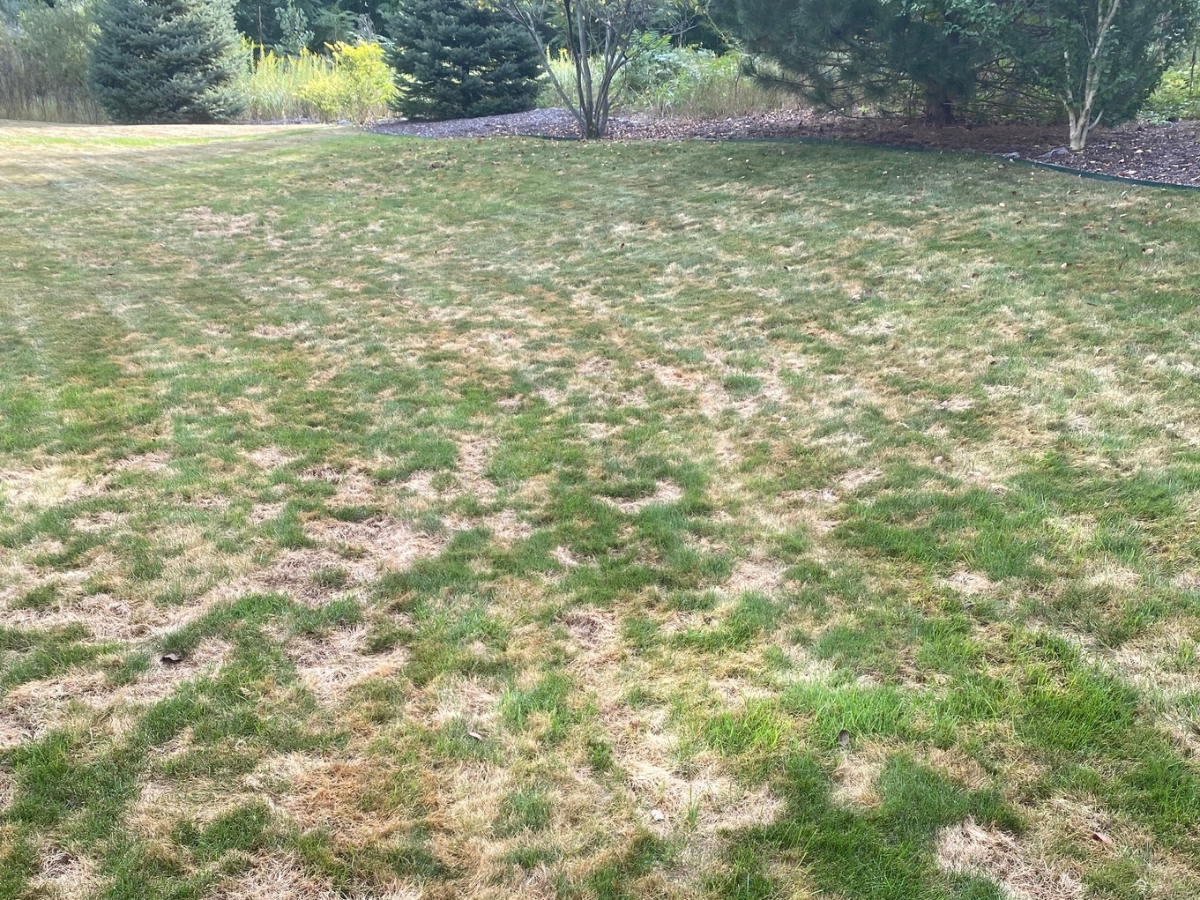
On high-value surfaces, bi-weekly or monthly applications of DMI’s, QoI’s, or combination products watered-in to the root zone are important to keep the roots clean and functional. Effective products include Azoxy, Fluoxastrobin SC, Tebuconazole*, and T-Methyl. A dedicated focus on root health and growth is also key in helping the plant to grow through underlying levels of pathogen infection which tend to be abundant in most turfgrass systems.
Fairy Ring
Fairy ring initially appears on turf in patches, rings, or half circles that can range in size from less than 1 foot to over 100 feet in diameter! Fairy ring fungi can thrive in soil temperatures that are consistently above 55° F and exhibit a wide range of favorable conditions for growth as well as appearing in turf stands ranging from warm season to cool season grasses, home lawns to putting greens.
Managing thatch, proper moisture management especially with the use of wetting agents, and mitigating turf stress such as malnutrition or drought can often help to effectively suppress fairy ring symptoms. Regarding chemical management, several classes of chemistry are effective against fairy ring including the DMIs QoIs (strobilurin), and certain SDHI chemistries. Combination products using these classes of chemistry are also useful in many situations. We recommend Azoxy, Fluoxastrobin SC, and Tebuconazole*.
Specific to Golf
Take-All Patch
A growing problem on creeping bentgrass greens, tees, and fairways is take-all patch. Historically considered only a disease of newly established creeping bentgrass greens, more and more take-all patch is being found on a wide variety of bentgrass stands. Getting fungicides far enough down to protect bentgrass roots 8-10” in the soil is nearly impossible, so infections can occur on deeper roots and bring about symptoms under heat, drought, or other abiotic stress.
In areas with a history of take-all patch, it’s important to start fungicide applications using similar chemistries to those mentioned with summer patch in the spring when soil temperatures are consistently above 55° F. Watering applications in with at least 0.2” of post application irrigation will help protect the crown and upper roots as the pathogen “wakes up” from dormancy inside previously infected plant tissue. Curative fungicide applications are only marginally effective but can help to protect new root growth and stop symptoms from getting worse.
The best approach for addressing affected areas is to encourage new root growth via cultural practices and using Biostimulant products that can stimulate root growth and promote vigor and viability – Harrell’s products like Seaweed A+E, EarthMAX Organic, Mycorrhizae Pro, and the new Azo Root are proven solutions that can help achieve this.
Your Harrell’s Rep is Your Guide to Summer Disease
Who knows what the summer might bring from a disease pressure standpoint, but with the diseases mentioned above, we’ll need to remain vigilant with scouting, identification, and strategic prevention. Harrell’s can help with up-to-date information related to cultural, nutritional, and chemical recommendations that can help specifically target your primary issues of concern. Reach out to your local Harrell's Representative for solutions that suit your needs.
*Product not registered for use in lawn care
Not all products are registered in all states. Always read and follow the instructions on the product label, not all products are labeled for all purposes.
Related Resources

In addition to being the nation’s largest distributor of branded fungicides, herbicides, and insecticides, Harrell’s produces custom-blended fertilizers, specialty liquids, and wetting agents. Additionally, Harrell’s is the exclusive US owner, formulator, and distributor of all POLYON® branded products.
TEAM HARRELL'S
STAY EQUIPPED
Never stop learning. Access FREE continuing education courses from Harrell’s.
LET'S GROW
PRESS RELEASES
PRESS RELEASES
STAY EQUIPPED
Never stop learning. Access FREE continuing education courses from Harrell’s.
LET'S GROW