

Fall Fertilizer for Horticulture
8/30/2024
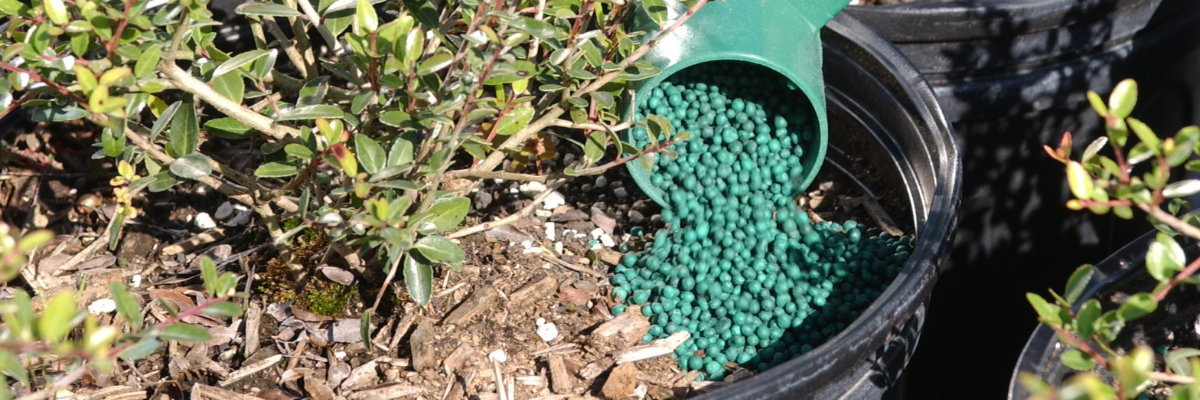
Finding your ideal plant fall fertilizer plan is very important for success immediately following and beyond the dormant season. It all comes down to two things; 1. Choosing the right fertilizer for your plants at the proper application rates (keeping in mind the time of year), and 2. Properly preparing your nursery for the coming winter and cold months so none of your applications go to waste. We will cover both of these topics in this article starting with fall fertilization.
Why Your Fall Fertilizer Choice Matters
Nursery growers often ask about what products and application rates are best for the fall, and though there is no one-size-fits-all answer, there are important things to keep in mind that will help you narrow down what products you need versus those you need to rule out. One of these factors is nitrogen maintenance.
If you choose a fertilizer with too much nitrogen, then your plants could go into the winter too “juiced up” and ultimately end up meeting a sad end with too much nitrogen for their winter needs. As nitrogen/NPK is a must-have for growth, Harrell's POLYON® controlled-release fertilizer is a proven solution for delivering controlled nutrients all season long.
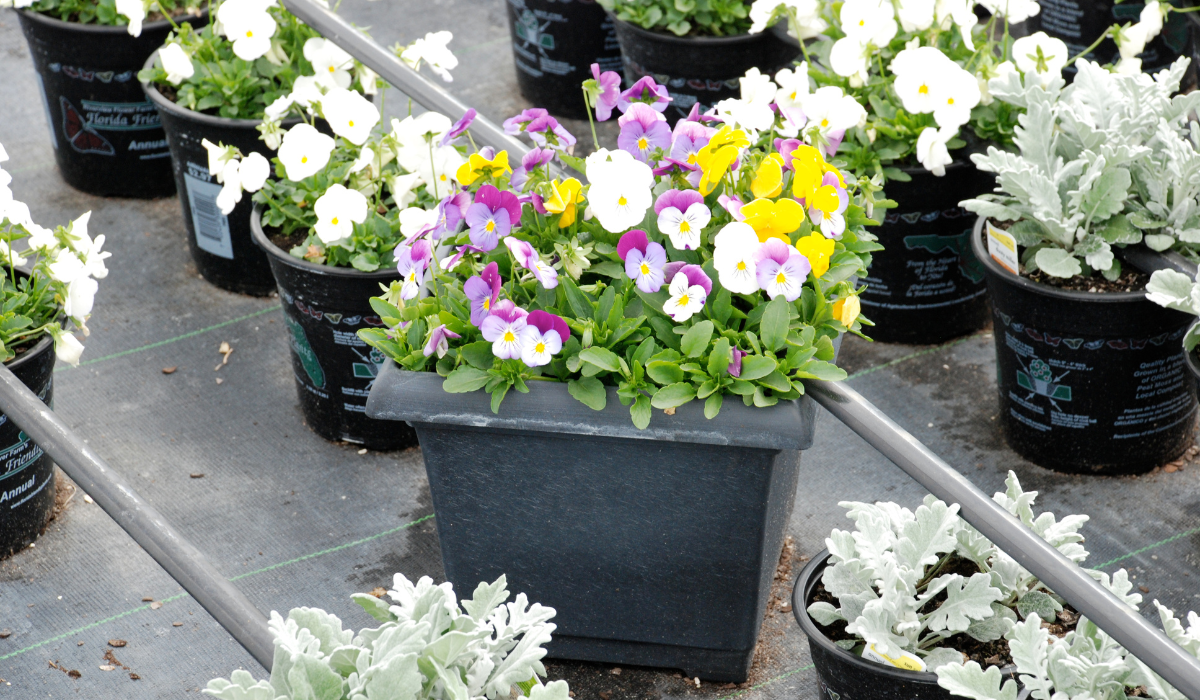
Why POLYON for Fall Fertilizer?
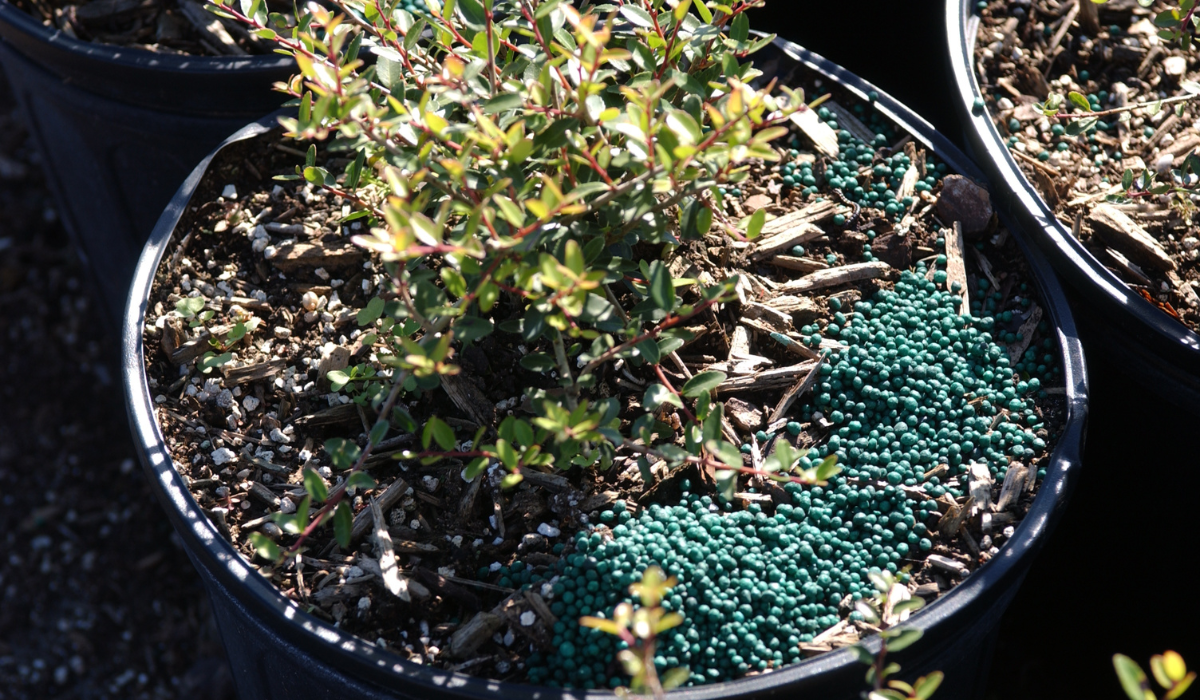
POLYON fertilizer is controlled by temperature and not moisture alone, meaning if you apply POLYON in the fall as temperatures drop, the release of nutrients will also drastically slow, ultimately shutting down completely once container media drops below 55 degrees. Then, in turn, as temperatures warm POLYON also wakes up and begins delivering more nutrients as need increases.
A recent solution that many growers have gravitated to is Harrell's 0-0-22 K-Mag as a fall fertilizer application. Applied to container and nursery plantings in the six to eight weeks leading up to dormancy gives the plant time to take up the 0-0-22 before shutting down for the winter. Harrell’s 0-0-22 K-Mag fertilizer helps the plant store up nutrients in the fall before heading into dormancy. You also have various benefits from potassium and magnesium in the fall, including potassium helping to regulate the opening and closing of stomata, and magnesium helping plants produce more photosynthesis.
Nursery Prep and Fall Fertilization
There are downsides and upsides to colder temperatures for indoor growers. On one hand, temperatures can stay below freezing for months which can potentially be very harmful for many plants, but colder conditions are also less favorable for most pests and pathogens. Making the most of precautions you must take and the advantages you gain combined with applying your fall fertilizer all comes down to timing.
Roots are often more sensitive to cold temperatures than the above-ground sections of plants, and the roots of container media are even more susceptible. Drastic temperature changes are far more dangerous for plants than gradual, but regardless, as temperatures drop photoperiods slow down and so does the need for food and water. Accounting for the growing and lessening needs is one key line item for growers on their winter prep checklist, as nutritionally balanced plants will have the greatest success with the cold.
POLYON fertilizer offers one of the easiest solutions for timing, to apply while you’re in your prep phase and then know that the fertilizer will provide for your plants before, through, and after the overwintering period. Growers also have access to Harrell’s proprietary CustoGraph® software which allows growers to accurately predict nutrient release over their application's lifetime.
With the ability to accurately predict nutrient release and combine best practices to keep your plants warm and appropriately watered (prior to the cold) will greatly increase your chances for overwintering success.
Your Harrell’s Rep Can Help with Fall Fertilization
There are a lot of factors to consider for the challenges of fall and overwintering, but we are here to help! Reach out to your local Harrell's Rep with any questions you have, to get the tips and recommendations you need, and for support in the coming seasons.
Related Resources

In addition to being the nation’s largest distributor of branded fungicides, herbicides, and insecticides, Harrell’s produces custom-blended fertilizers, specialty liquids, and wetting agents. Additionally, Harrell’s is the exclusive US owner, formulator, and distributor of all POLYON® branded products.
TEAM HARRELL'S
STAY EQUIPPED
Never stop learning. Access FREE continuing education courses from Harrell’s.
LET'S GROW
PRESS RELEASES
PRESS RELEASES
STAY EQUIPPED
Never stop learning. Access FREE continuing education courses from Harrell’s.
LET'S GROW