

Fall diseases and Harrell's ProtectMAX® Solutions
9/4/2024 - By Dr. Aaron Palmateer
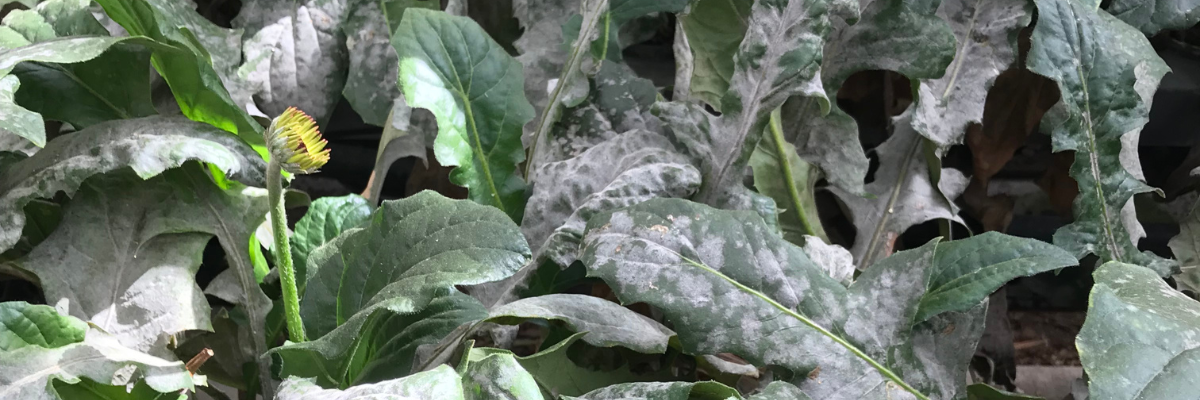
Just like people look forward to different seasons and temperature changes, so do some plant pathogens. As the fall season brings cooler temperatures, shorter days, and longer nights, these conditions are favorable for some diseases and plants should be treated preventatively. Black root rot on pansies, pythium on poinsettias, powdery mildew, rust, and more are all diseases at considerable risk in the fall. In this article, we will discuss what to look for and how to prevent common fall diseases.
Fall Disease - Black Root Rot on Pansy
Growers in some areas of the country must plant their pansies in the heat of late summer to have the crop ready for fall and winter, this makes conditions highly favorable for Thielaviopsis, the pathogen that causes black root rot on pansy.
Black root rot is caused by Thielaviopsis basicola and is most troublesome on pansies but also occurs on salvia, petunia, and vinca. Soil temperatures between 55 and 65 F are ideal for black root rot development, making the fall and winter months opportune times for it to occur. The fungal pathogen does not like alkaline conditions, so keeping the growing medium at a pH of 5.5 or lower can help reduce disease, for pansy production without the disease, a pH of 5.5 – 6.0 seems to be best.
Production of cool-season crops like pansies in the late summer is a recipe for plant stress and leads to outbreaks of black root rot. Growers should treat preventatively with applications of Harrell's ProtectMAX® T-Methyl rotated with Azoxy 2SC or Fluoxastrobin SC to help prevent further outbreaks.
Reusing plug trays increases the probability of disease, so if trays must be reused proper sanitation is required. Cleaning trays and benches can best be accomplished by preparing a 10% sodium hypochlorite (bleach) solution in combination with a detergent followed by scrubbing. ZeroTol is effective when sprayed onto plug trays at 2.5 ounces per gallon and GreenShield is effective when used as a 10-minute dip at 1 tablespoon per gallon.
Fall Disease - Powdery Mildew and Rust
Typically, daytime temperatures can still be warm during the fall season, but nighttime temperatures start to cool down. Due to this change, condensation may occur overnight and is highly favorable for both rust and powdery mildew fungi. Powdery mildew is one of the few diseases where outbreaks can be stopped with fungicides, but rust diseases need to be treated preventatively as once an outbreak of rust occurs the damage is so severe plants become unsaleable.
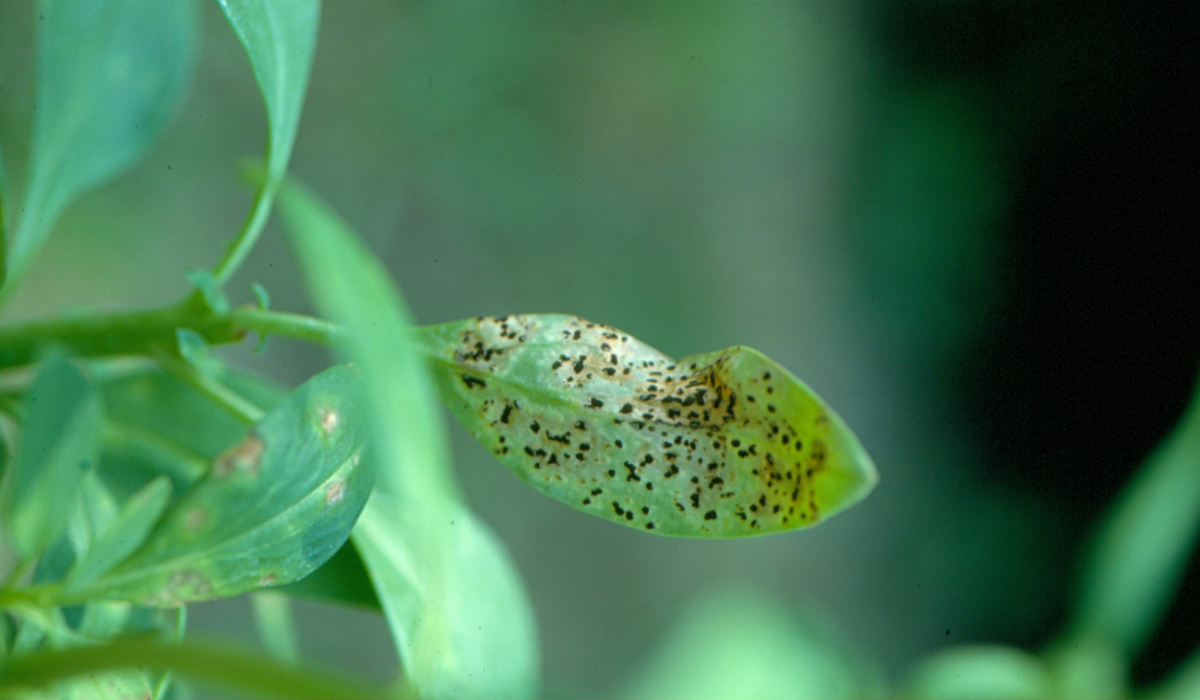
Harrell's ProtectMAX® fungicides that are effective on both rust and powdery mildew include Propiconazole, Azoxy 2SC, Mancozeb, and T-Methyl. Closely monitor plants such as roses, gerber daisy, hydrangea, verbena, salvia, scabiosa, and many other bedding plants and perennials for powdery mildew. Although not as common, even poinsettias are susceptible to powdery mildew.
Rust diseases, especially those on woody ornamentals, are common during the fall and one you should watch out for. The fungi that cause rust diseases are widely prevalent all season long, but the disease does not happen until fall when the cooler temperatures are more favorable. Snapdragons, hypericum, hollyhocks, geraniums, roses, and dallies each have their specific rust disease. Be sure to reduce the conditions that lead to condensation overnight - especially avoid watering late in the day or overnight.
Fall Disease - Pythium Root Rot
Poinsettia production is one part of fall production scheduled for a narrow Christmas marketing window; they are “the Christmas Eve flower” after all. The most common disease of these plants in the fall is Pythium root rot. If poinsettia cuttings make it through rooting without an outbreak of soft rot bacteria or Rhizoctonia stem rot, they may develop Pythium root rot during later stages of production.
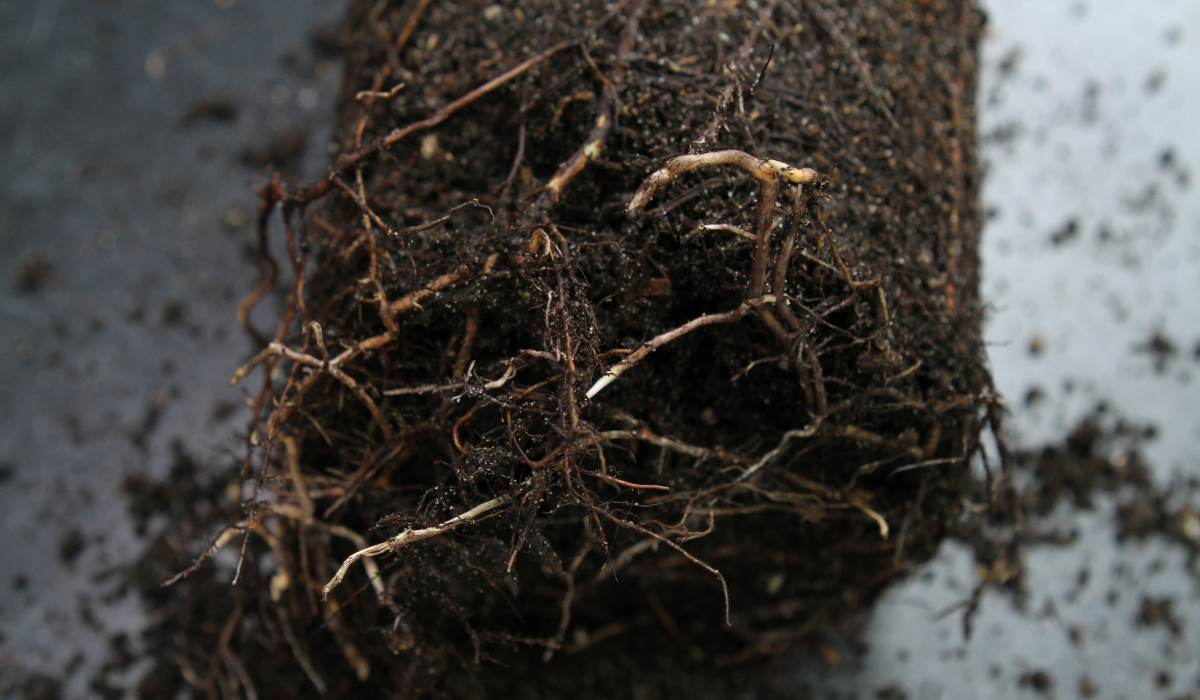
Pythium symptoms include wilt when the growing medium is wet, slow growth and stunted plants, poor color (especially yellow lower leaves), weakened, stems, and discolored and rotten roots. Roots appear gray or water-soaked and disintegrate easily when handled, often showing the classic “Pythium” characteristics of retaining their central core while losing the outer cortex of the roots. To prevent diseases caused by Pythium, plants should be treated preventatively with fungicide rotations including Cyazo, Fluoxastrobin SC, and Title Phyte® Systemic Fungicide.
Fall Disease - Botrytis Stem Rot and Blight
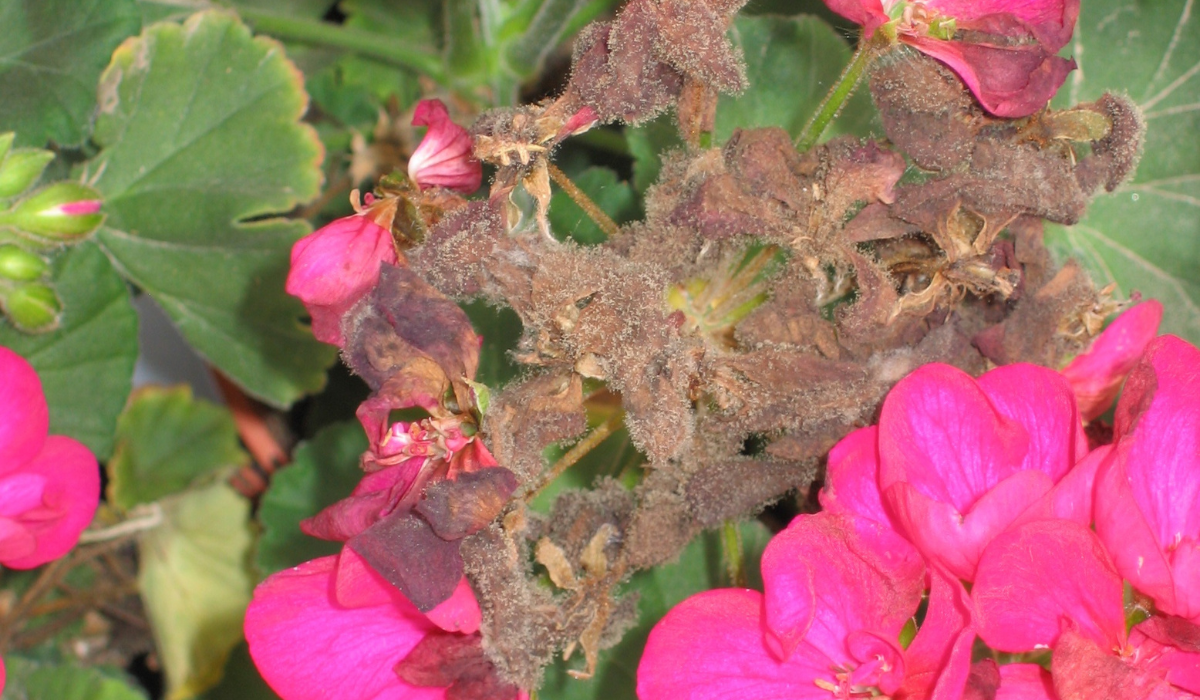
One of the last diseases to consider during the fall crop production is Botrytis stem rot and blight, which can be a severe problem on poinsettias and is often mistaken for Rhizoctonia. At this point in the production, the lower temperatures make Rhizoctonia stem rot unlikely and Botrytis stem rot common, although growers routinely apply fungicides for Botrytis blight on bracts and petioles, they do not realize that some cultivars are sensitive to stem rot caused by the same fungus, Botrytis cinerea.
For prevention, a fungicide application directed at the stem before the canopy closes will help prevent disease. The timing of this is important because it will be nearly impossible to contact the stem once the plant canopy fills in and closes. Harrell's ProtectMAX® Chlorothalonil is excellent for control of Botrytis, however applications should not be made on poinsettia after bract formation.
Your Harrell’s Rep is Your Best Resource for Fall Disease
It is particularly important to closely monitor and scout all crops, especially during seasonal changes. The change from summer to fall inevitably results in over-watered or drought-stressed plants, it is challenging to water appropriately for weather that changes frequently and unpredictably. Pot-bound plants are especially sensitive since they have maximized their growth in the container and have little buffer to withstand water extremes. No time is better than the present to train new employees concerning the water needs of each crop, and as always, if you have any questions about the products or programs mentioned here, reach out to your local Harrell's Rep.
Related Resources

In addition to being the nation’s largest distributor of branded fungicides, herbicides, and insecticides, Harrell’s produces custom-blended fertilizers, specialty liquids, and wetting agents. Additionally, Harrell’s is the exclusive US owner, formulator, and distributor of all POLYON® branded products.
TEAM HARRELL'S
STAY EQUIPPED
Never stop learning. Access FREE continuing education courses from Harrell’s.
LET'S GROW
PRESS RELEASES
PRESS RELEASES
STAY EQUIPPED
Never stop learning. Access FREE continuing education courses from Harrell’s.
LET'S GROW