

Fall and Winter Preparedness for Growers
12/15/2021 - By Lynn Griffith
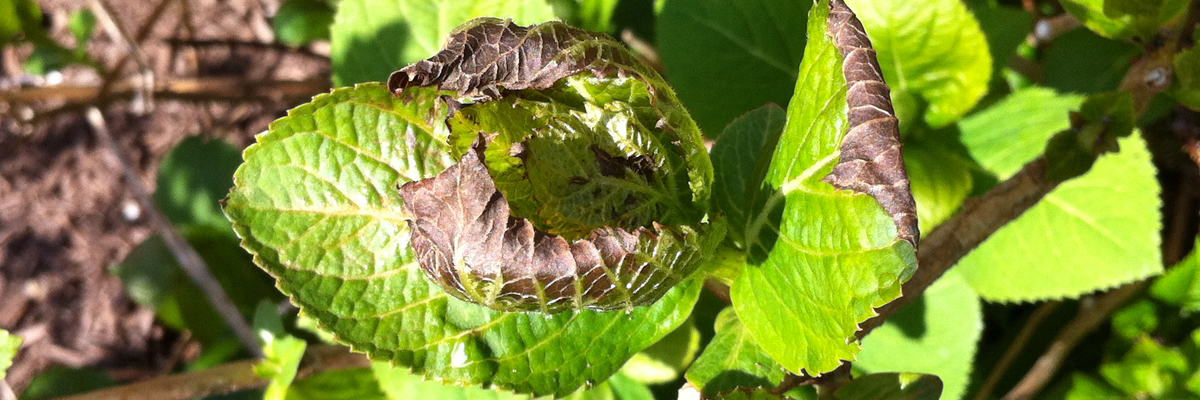
It's already mid-December, and things are getting frigid up North. Of course, here in Florida, we can tell that fall and winter are coming because the colors on the license plates change. A big part of being a successful grower has to do with planning ahead, preparedness, and attention to detail. This blog will discuss things growers should be thinking about as we are now in the midst of the winter months.
Irrigation
In some parts of the country, growers apply overhead irrigation on cold nights. Make sure your pumps are in good working order, and that you have plenty of fuel on hand. It can be very difficult to obtain fuel on short notice right before cold nights, so don't wait until the last minute. Place a fuel order soon so that your tanks are topped off and ready to go in case Old Man Winter decides to make an early visit.
Irrigating overhead for cold protection requires an abundant and reliable water source and delivery system, as well as sprinkler heads working in good order. Check your system for malfunctioning sprinkler heads, and make sure you have plenty of extra heads in case of malfunction. Every grower knows it is no fun to deal with overhead sprinklers on a cold night. Make sure you have adequate rain gear including hats for those who will be on duty on cold nights. Be sure they have good quality flashlights and batteries for checking thermometers and sprinkler coverage.
Thermometers
Speaking of thermometers, does your nursery have enough? Have you bought any new ones since 1972? Temperatures can vary significantly within a nursery, especially in larger nurseries or those with variations in elevation on the property. Irrigation lakes and surrounding hills and trees can also affect temperatures and conditions within a nursery on cold nights. It is also a good idea to have a couple of alarm clocks at the farm, so that growers on duty can be awakened if necessary. It is a good idea to have a grower meeting to discuss cold protection preparedness. Pretend that it will go below freezing in two or three days. Are you prepared? If not, make a list of what you need to do and what supplies will be required to become adequately prepared.
Cold and Windy vs. Frost and Freeze
In the South, we tend to have two types of cold nights: cold, windy nights where frost will not form but plants tend to desiccate, and clear, still nights where frost may form. If windy cold nights are expected, some growers like to spray anti-transpirants on the foliage of tender varieties. This technique can provide some protection in certain situations. If spraying anti-transpirants is in your plans for cold nights, make sure you have adequate supplies of product. It's nearly impossible to obtain cold protection products at the last minute when a freeze is expected.
Some growers like to spray foliar fertilizer salts onto the foliage of their crops when frost or freeze are forecast. The idea is that having some fertilizer salts on the foliage may lower the freezing point on the leaf surface a little bit, not unlike sprinkling salt on an icy sidewalk. Foliar N–P–K products along with Epsom salts are popular for this purpose. Other growers like to spray with copper fungicides when possible frost is forecast, in order to help control ice nucleating bacteria, such as Pseudomonas syringae. I have seen all of these techniques work to some degree in certain situations, but the key again is to be prepared. Make sure you have whatever foliar products or copper formulations you intend to use on hand and in adequate quantities prior to the first cold nights of the year.
Other growers may choose to use frost protection blankets to protect tender varieties. These can help in some situations, but again you need to have them on hand well ahead of time. You can forget trying to get frost protection blankets at two in the afternoon when frost is forecast for that night. Make sure you have adequate anchors or weights available to secure the frost protection fabric. Some growers will spread hay over their plants when frost is predicted. The idea is that the frost will go to the hay rather than to the living ornamentals. The hay also provides some degree of temporary insulation. If this technique is in your arsenal, make sure you obtain the hay ahead of time, and arrange a good, dry place to store it.
Double Check Equipment WELL Ahead of Time
For those in more northern latitudes, especially those bringing heavy snow, you should be checking the structural integrity of your cold frames. If repairs are needed, schedule to work on them now. Check on the condition of your cold frame covering materials. Order any new fabric that you may need as soon as you can, so that you will have it on hand in plenty of time. Have a plan as to what varieties will go into cold frames, and when.
For nurseries utilizing greenhouse heaters, they probably haven't run in a while. Fire them up to make sure they are working properly. Check to see if you have adequate parts on hand, and of course be certain your fuel requirements will be met. The diesel and gas delivery guys get ridiculously busy right before frosty nights are anticipated. Have extra clear poly in stock in case strong, cold winds cause damage to greenhouse coverings. Also, think about what unexpected things might happen.
What will you do if:
- The power goes out?
- The generator acts up?
- The pumps are not working correctly?
- The heater fails? Or
- You get an irrigation break?
Make sure tractors and other farm vehicles are adequately winterized.
Crop Insurance
Finally, I have a few suggestions for those carrying crop insurance. Now is a good time to review your policy, and check inventories. Certain types of crop categories require certain cold protection measures to be in place, so review those now before it gets cold. Trust me, you don't want to be arguing about this with your insurance company later. Also, it is not a bad idea to invite your crop insurance representative out for a visit now, before potential damaging cold is likely. Your agent can review your crops, inventories and cold protection measures. He or she can answer questions and make suggestions, so that if you have a claim, the processing can go more smoothly.
The key to all of this is to think ahead, plan, and be ready. Mother Nature will not wait for you.
Related Resources

In addition to being the nation’s largest distributor of branded fungicides, herbicides, and insecticides, Harrell’s produces custom-blended fertilizers, specialty liquids, and wetting agents. Additionally, Harrell’s is the exclusive US owner, formulator, and distributor of all POLYON® branded products.
TEAM HARRELL'S
STAY EQUIPPED
Never stop learning. Access FREE continuing education courses from Harrell’s.
LET'S GROW
PRESS RELEASES
PRESS RELEASES
STAY EQUIPPED
Never stop learning. Access FREE continuing education courses from Harrell’s.
LET'S GROW