

Poa annua: Effective Strategies for Managing Poa in Lawns
1/17/2025 - By Dr. Paul Giordano
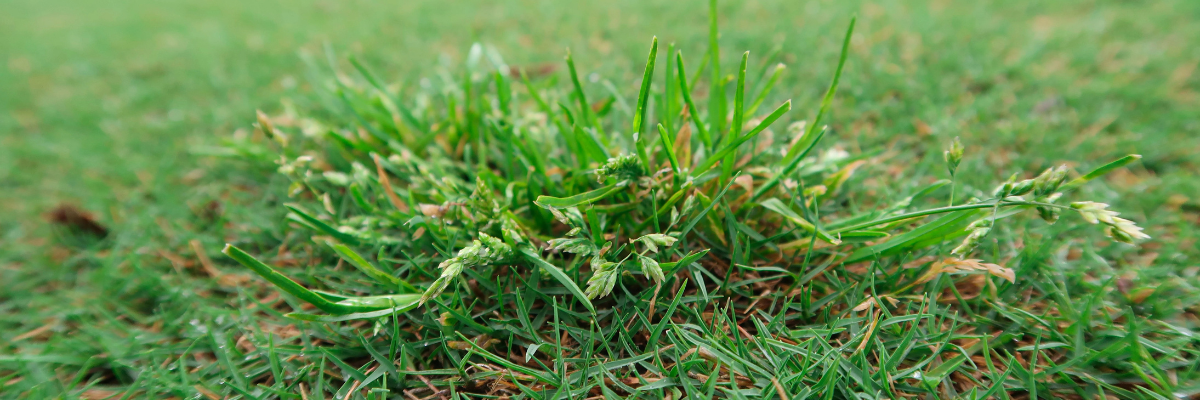
Poa annua, or annual bluegrass, is not just a problem for golf course superintendents; it is consistently one of the biggest nuisance weeds in lawns and one that causes major headaches for lawn care operators (LCOs). Poa is a resilient weed that can infest lawns throughout the majority of the year. As an equal opportunity invader, Poa is known for its unsightly appearance and ability to resist herbicides in both cool and warm season grass stands.
Poa annua is Hard to Control
Poa annua thrives in about any condition you might throw at it. On top of that, it produces a prolific number of seeds, allowing it to spread rapidly. Poa can grow even in compacted soils and at ultra-low mowing heights, making it difficult to eradicate. Adding to the complexity, its seeds germinate quickly and persist in the soil, creating a continuous cycle of infestation.
Effective management requires a combination of patience, cultural practices, and targeted chemical applications with a keen understanding of this weed’s biology.
Poa annua Cultural Practices
When it comes to the holistic management of Poa annua, combining cultural practices with chemical applications is the best strategy. An integrated approach that includes prevention, targeted treatments, and initiative-taking lawn care is the most effective way to manage this persistent weed. Creating a lawn environment unfavorable to Poa annua is a key component of control.
Healthy, well-maintained turfgrass is better equipped to compete with aggressive weeds like Poa annua. Proper irrigation, regular mowing, and adequate nutrition strengthen turfgrass, making it less likely for Poa annua to establish itself. Cultivation practices such as core aerification on compacted soil can help to improve the turf’s ability to outcompete weeds by enhancing root growth and nutrient uptake. Make sure you reach out to your local Harrell’s Rep for product recommendations for proper nutrition.
Poa annua Chemical Control Practices
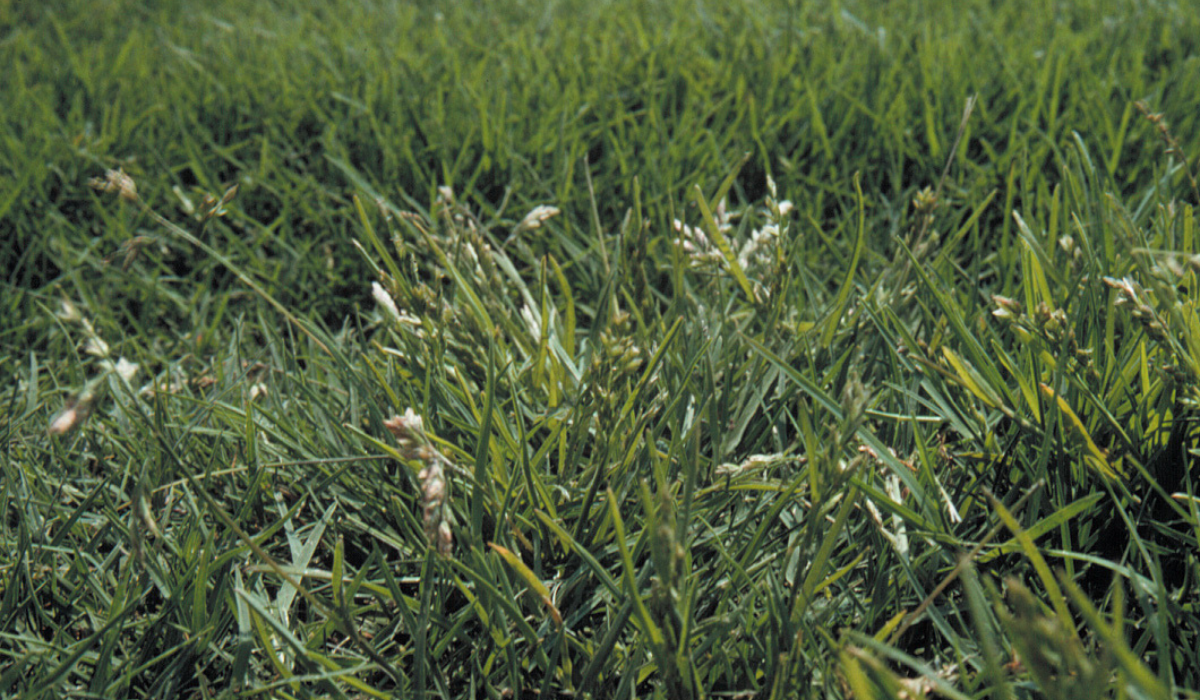
From a chemical standpoint, successful management of Poa annua begins with preventive measures, including the use of preemergent herbicides. These herbicides prevent weed seeds from germinating and form a first line of defense against new Poa populations. Preemergent applications can be effective in both the late summer and early spring depending on your region of the country and local conditions.
In areas where Poa annua has already established itself, post-emergent herbicides may be used, though they are less reliable than preventive measures. The product and rates of each are dependent on your regional climate and the tolerance of desirable turf species (warm vs cool season turfgrasses). Another tool in the fight against this weed is plant growth regulators, which can inhibit the growth and reduce seed production of Poa annua. Like most post-emergent products, PGRs must be carefully selected based on climatic region, turfgrass tolerance, and application frequency that fits an appropriate lawn care schedule.
Understanding Poa annua’s behavior as either an annual or perennial weed, depending on climate, is critical for timing treatments effectively. Tailoring your control methods to specific growing conditions can improve results significantly.
Poa annua Herbicide Selection
It is important to note that herbicide resistance in Poa annua has become more widespread over the last several years, making it increasingly difficult to manage. Repeated use of the same herbicide mode of action can lead to resistance, allowing the weed to survive and proliferate even in the face of numerous herbicide applications.
To combat this issue, LCOs should rotate herbicides with different modes of action in their treatment programs regularly. This confuses the weed and gives it no opportunity to adapt to the herbicides you select. Combining this approach with robust cultural practices will help to minimize the chances of resistance. However, cases of Poa annua showing resistance to multiple herbicide classes highlight the importance of an integrated management strategy.
Reach Out to Your Harrell’s Rep
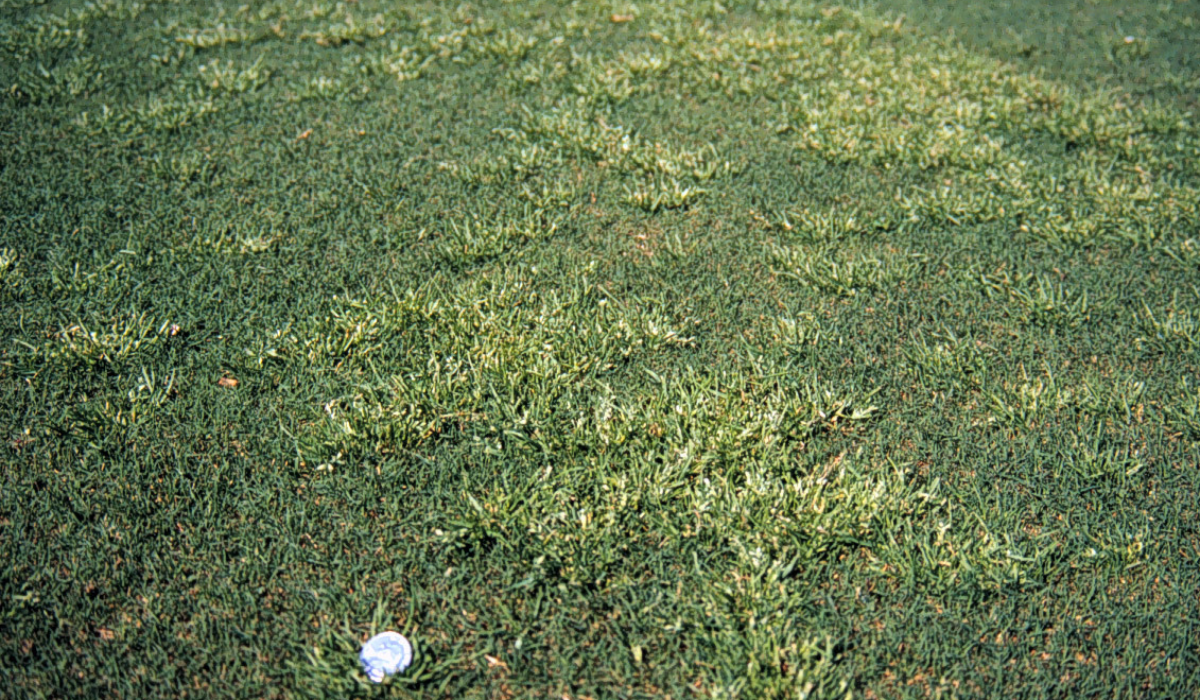
If you need any further assistance with developing your program, product selection, or need more tips on how to beat Poa annua, reach out to your local Harrell’s Rep. They are equipped with the knowledge and experience to aid you in whatever endeavors you plan to tackle in 2025, so reach out today.
Related Resources

In addition to being the nation’s largest distributor of branded fungicides, herbicides, and insecticides, Harrell’s produces custom-blended fertilizers, specialty liquids, and wetting agents. Additionally, Harrell’s is the exclusive US owner, formulator, and distributor of all POLYON® branded products.
TEAM HARRELL'S
STAY EQUIPPED
Never stop learning. Access FREE continuing education courses from Harrell’s.
LET'S GROW
PRESS RELEASES
PRESS RELEASES
STAY EQUIPPED
Never stop learning. Access FREE continuing education courses from Harrell’s.
LET'S GROW