

Early Season Bug Watch: A Few Pests to Look Out For!
3/1/2023 - By Mike Hess
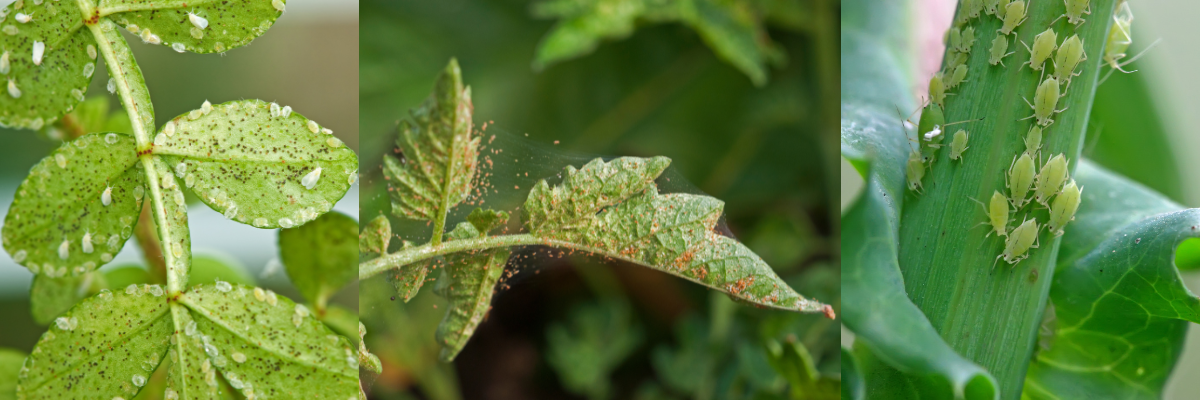
While these bugs might be problems for much of the year, starting
prevention early can save you a lot of time and energy down the road. Here are
a few bugs to keep an eye out for heading into the spring season, for more information on each, make sure you click the links to each bug's feature to learn everything you need to know for control from Dr. Aaron Palmateer and Chris Freeman:
Aphids
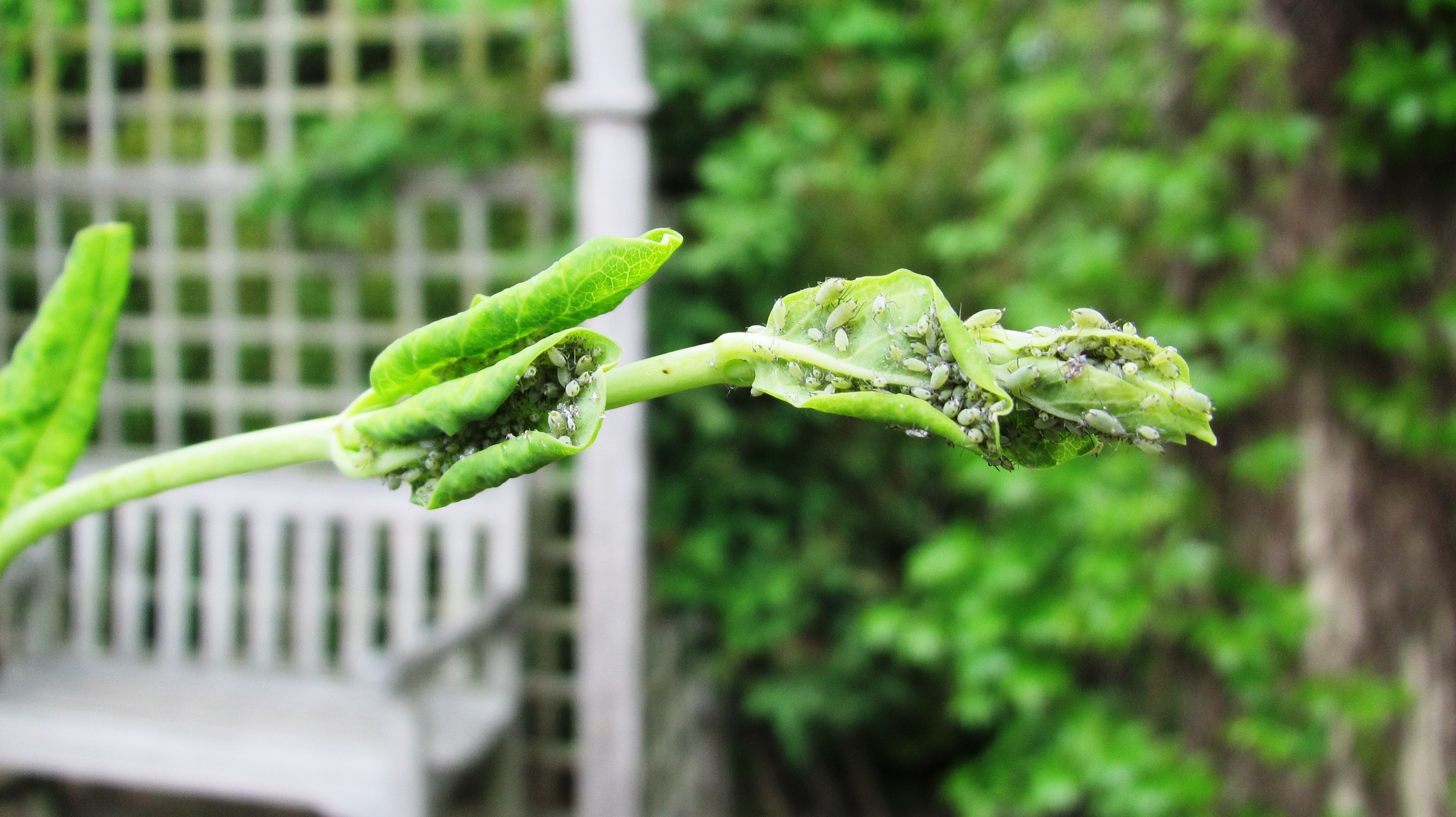
Some insect species feed on foliage, some on twigs and branches,
some flowers, fruits, and some even feed on plant roots. Most species are host
specific and only feed on one or two different types of plants. However,
Aphids, also known as Plant Lice, feed on just about any type of plant under
the sun. Both coniferous (cone bearing seed plants) and deciduous (seasonally
shed their leaves), if they can get some sap out of the plant, Aphids have no
preference.
Aphids make up an extremely large family of insects that feed on
plants, due to their ability to multiply at an alarming rate. These soft bodied
insects are a nightmare to horticulturalists around the world. Aphids are
relatively small in size, the largest are about 6 mm in length, but all can be
seen by the naked eye. The insects are oval to pear shaped and have two
appendages coming out of the rear of their bodies called cornicles.
Whiteflies

Whiteflies are tiny, sap-sucking
insects that can be major pests to ornamental plants. They are most common
during periods of warm to hot weather but can be a nuisance in greenhouse
production on susceptible plants pretty much all year round.
When actively feeding, whiteflies
cause leaves to turn yellow and eventually brown as the leaf tissue dies. Large
colonies typically develop on the undersides of leaves, where they normally lay
tiny oblong eggs that range from yellow to white in color. After the eggs
hatch, the young whiteflies go through four nymphal stages called instars.
Spider Mites
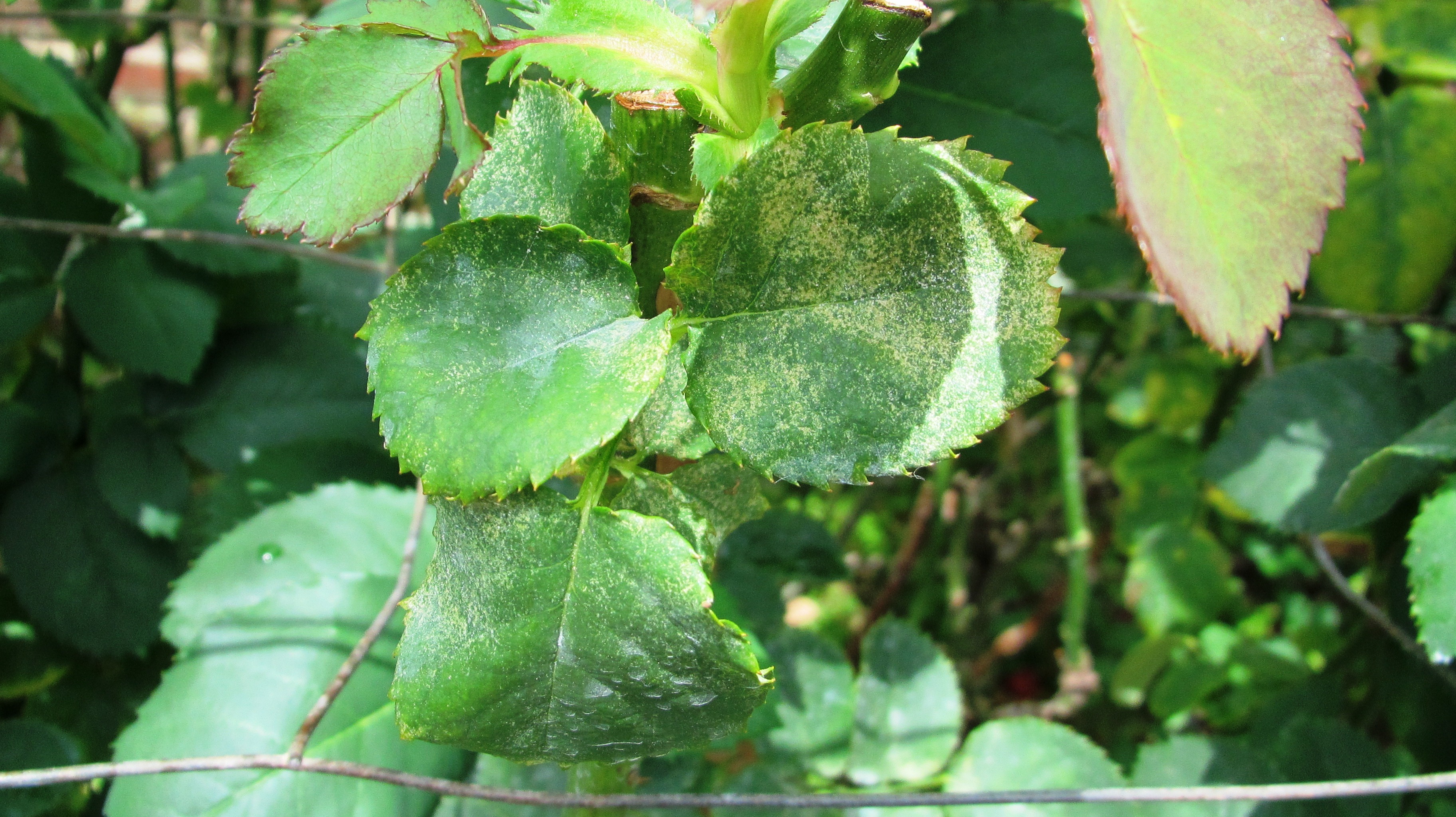
The Two Spotted Spider Mite, Tetranychus urticae, is
a prolific pest in nurseries, greenhouses and landscapes, feeding on numerous
species of trees, shrubs, ornamental plants and vegetables. Mites aren’t
insects but rather arachnids, along with spiders and ticks.
To find spider mites, you have to look at the underside of
leaves. They will appear like tiny moving dots. Although they are less than
1/20th of an inch long, you can see them easily with a 10X hand lens. Spider
mites live in colonies underneath leaves and a single colony may be a
population of hundreds!
Your Harrell’s Rep is Here to Help
If you have any other questions on insects, prevention,
products, or tips, be sure to reach out to your local Harrell’s Rep. They’re your
greatest resource to develop a prevention plan that works for you and will set
you up for the best, all season long.
Related Resources

In addition to being the nation’s largest distributor of branded fungicides, herbicides, and insecticides, Harrell’s produces custom-blended fertilizers, specialty liquids, and wetting agents. Additionally, Harrell’s is the exclusive US owner, formulator, and distributor of all POLYON® branded products.
TEAM HARRELL'S
STAY EQUIPPED
Never stop learning. Access FREE continuing education courses from Harrell’s.
LET'S GROW
PRESS RELEASES
PRESS RELEASES
STAY EQUIPPED
Never stop learning. Access FREE continuing education courses from Harrell’s.
LET'S GROW