

Turf Recovery Starts with Smart Management Practices and Product Selection
5/1/2026 - By Dr. Raymond Snyder
When your course starts to feel more like 5 o’clock traffic than a round of golf, turf recovery becomes more than a routine task, it is a constant battle. Increased rounds and cart traffic can quickly lead to worn fairways, compacted soil, and slow-to-recover divots. The good news? With the right mix of traffic management and agronomic strategy, superintendents and greenskeepers can keep turf resilient and playable even through the season’s busiest times.
Start with Smarter Traffic Management for Recovery
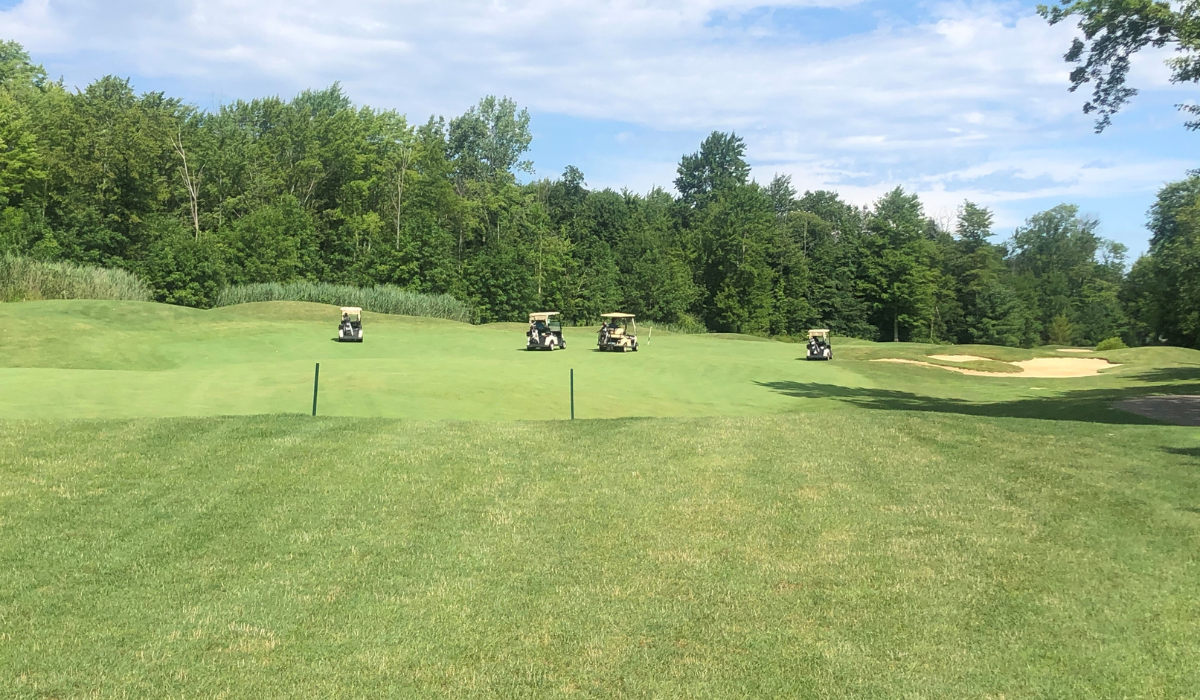
Before diving into inputs and recovery products, managing where and when carts travel is your first line of defense. Adapting your approach seasonally by keeping carts on irrigated fairways during summer and shifting traffic to rough during wetter spring conditions to protect vulnerable turf are two examples of valuable shifts that can save you from a lot of damage. Simple operational changes like afternoon cart curfews can also make a major difference, giving staff time to cool and recover stressed turf without additional wear.
Other courses are leaning into modern technologies. At Stonewall Resort, GPS-enabled cart systems guide golfers away from stressed areas in real time, while geofencing and shutoff systems prevent carts from entering sensitive zones altogether. Even implementing “small” innovations, such as single-rider scooter carts, can reduce surface-area impact and distribute traffic more efficiently across the course.
However, none of these strategies work in isolation. Clear communication between superintendents, pro shop staff, and golfers ensures expectations are aligned and compliance is higher, protecting turf and improving playability.
Optimize Turf Health for Faster Recovery
Even with the best traffic control, wear and tear is inevitable. That is where a strong agronomic program comes into play. Promoting root growth and overall plant health is critical to accelerating recovery from both cart stress and divots.
Incorporating foliar nutritionals and biostimulants can help turf rebound more quickly. Products designed to enhance root development and stress tolerance, like Harrell’s Bio-MAX® Root Enhancer, EarthMAX® Organic, and Azo Root™, paired with a POLYON® controlled-release fertilizer program, ensure turf receives consistent nutrition throughout the season. This steady feeding approach keeps turf actively growing and better equipped to recover from damage.
Rethink Your Divot Recovery Strategy
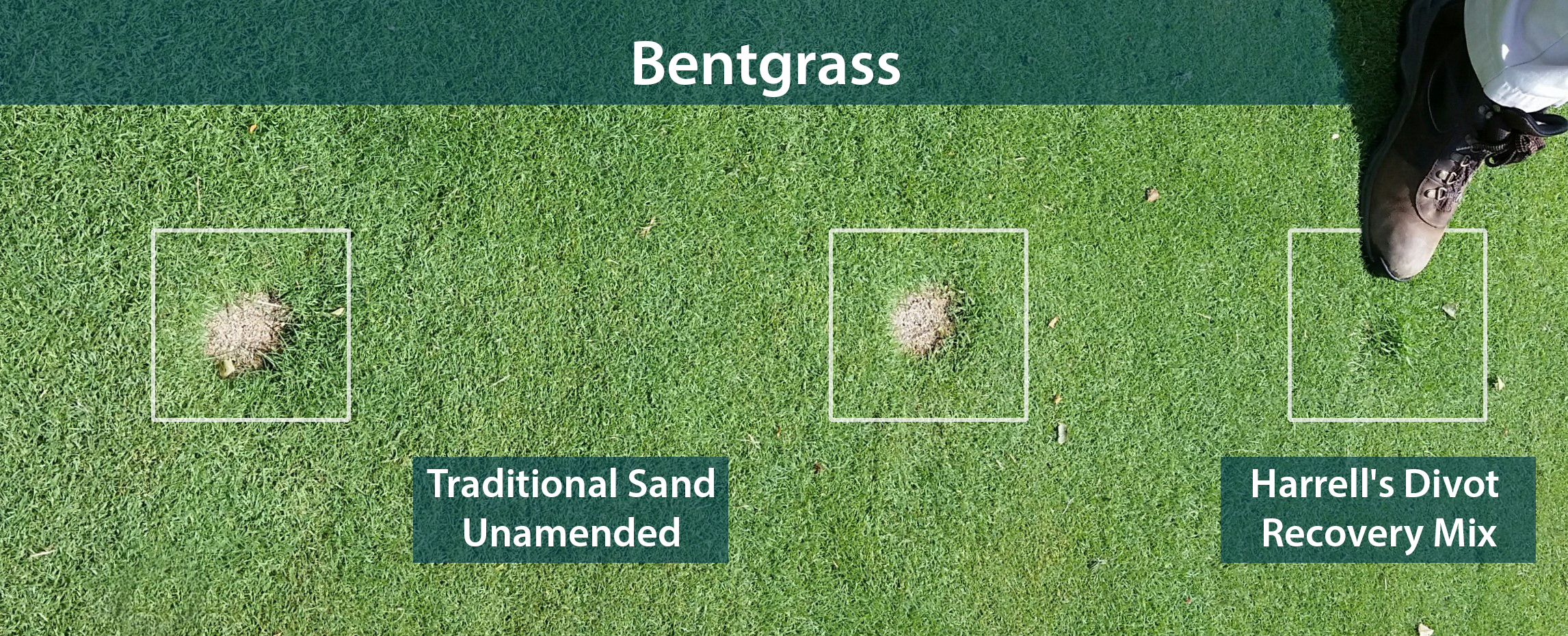
One of the most overlooked aspects of turf recovery is the growing medium itself. Traditional sand, while commonly used, can fall short in key areas. It struggles to retain water and nutrients and can even become hydrophobic over time, slowing turf establishment.
Amending sand with organic matter can dramatically improve recovery rates. Materials like sphagnum peat, compost, or reed sedge peat enhance water retention, nutrient availability, and microbial activity, all essential for healthy turf regrowth. However, balance is important; overloading mixes with fine materials, such as clay, can negatively affect drainage. Using an optimized divot-mix sand, such as Harrell’s Divot Recovery Mix, helps promote maximum recovery while minimizing undesirable additions of organics and fines.
Use Engineered Solutions for High-Traffic Areas
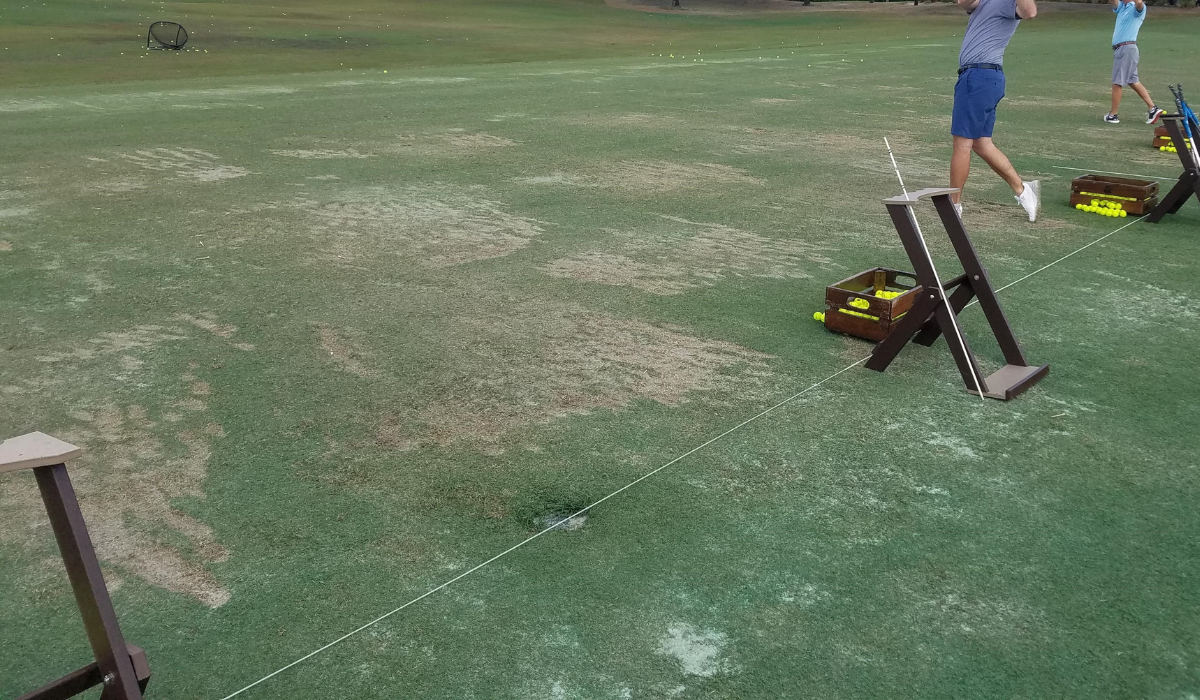
For superintendents looking for a more consistent and efficient solution, pre-formulated divot mixes offer a significant advantage. Engineered blends that combine sand with organic amendments create an ideal environment for seed germination and turf establishment.
These types of mixes have been shown to improve recovery rates by up to 50% compared to unamended sand. They are especially valuable in high-wear areas like tee boxes, fairways, and driving ranges, where rapid turnaround is essential. They can also play a role in practices like aerification, helping greens recover more quickly and return to play sooner. Harrell’s Divot Recovery Mix is a great option to add to your divot recovery repertoire.
Take a Holistic Approach
Recovering from cart stress and divots is not about a single fix, it is about combining operational discipline with agronomic precision. Managing traffic reduces damage upfront, while optimized nutrition and improved growing media accelerate recovery on the backend.
By integrating these strategies, superintendents can maintain healthier turf, improve course aesthetics, and keep playability high, even during the busiest seasons.
Connect with Your Harrell’s Rep
Managing high traffic periods can be daunting. Connect with your Harrell’s Rep, and they can help you build the perfect program for your operation to increase playability and turf resilience while maintaining course aesthetics.
Related Resources

In addition to being the nation’s largest distributor of branded fungicides, herbicides, and insecticides, Harrell’s produces custom-blended fertilizers, specialty liquids, and wetting agents. Additionally, Harrell’s is the exclusive US owner, formulator, and distributor of all POLYON® branded products.
TEAM HARRELL'S
STAY EQUIPPED
Never stop learning. Access FREE continuing education courses from Harrell’s.
LET'S GROW
PRESS RELEASES
PRESS RELEASES
STAY EQUIPPED
Never stop learning. Access FREE continuing education courses from Harrell’s.
LET'S GROW