

Controlling Nematodes with Nematicides and Root Health
6/16/2023 - By Dr. Paul Giordano
Updated: March, 2025
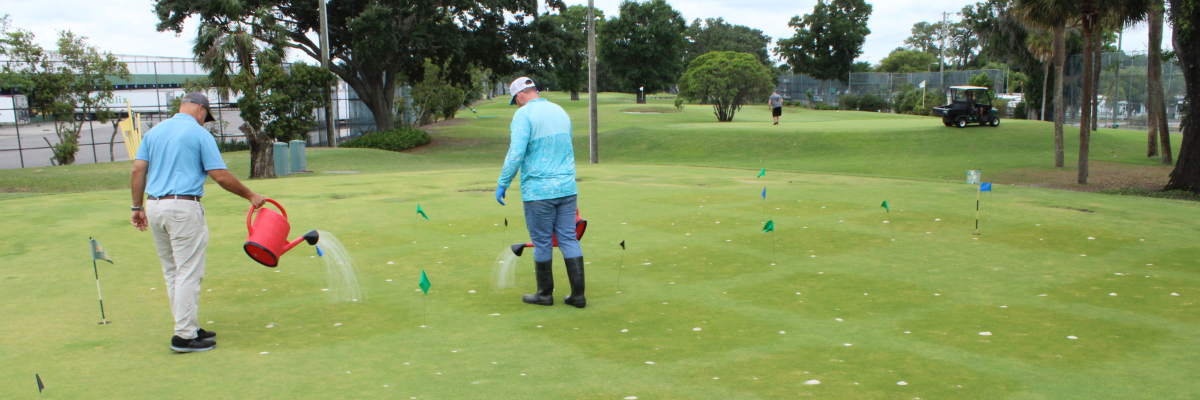
In his Negate the Nematodes by Focusing on Root Health article, Harrell’s Director of Agronomy, Paul Giordano, says, “Treating nematodes is usually done most effectively during the spring and early summer when plant parasitic populations typically begin to grow and proliferate.”
In this article, we will explore nematicide applications as an effective strategy for controlling nematode populations during the summer season. Keep in mind that more severe infestations with multiple species, such as lance nematodes, sting nematodes, and root-knot nematodes, require season-long applications to keep populations under control.
Harrell’s implements a Balanced Approach to nematode control, which means we address underlying issues instead of simply treating visible symptoms. Often, this means that we start with soil sampling and focus on overall plant nutrition. We then work toward optimizing root growth and physiological health with soil amendments, biologicals, and biostimulants. Plant-protectant products are the capstone to the Balanced Approach. These help to mitigate root diseases such as Pythium spp., take all root rot, and nematodes which can often occur in tandem with one another as a complex of maladies.
Understand Nematodes and Nematicides
Nematicides are chemical compounds specifically designed to target and control nematodes. They work by inhibiting nematode development, interfering with their reproductive cycle, or causing direct mortality.
Products like Divanem™ from Syngenta and Indemnify from Envu control certain species of nematodes while improving root growth, which helps protect turf against biotic and abiotic stress. Careful attention must be paid to the individual product labels as these products can be specific in their spectrum of control and have unique instructions around post-application irrigation and best practices for use.
Two products that have more recently been paired as OMRI-certified biological control options are Zelto and Crescendo.
Zelto (Marrone Bio Innovations) is derived from heat-killed Burkholderia bacteria species and can degrade nematode exoskeletal structures and interfere with molting processes. Crescendo® (Albaugh® LLC) contains live cells of a bacterial species known as Chromobacterium. This organism produces compounds that can help control nematodes at many life stages (eggs, juveniles, adults) while aiding in improved turfgrass rooting and overall turf quality.
Our team of agronomists works highly effective products and combinations like these into nematicide and root health programs to serve as a partner for success for Harrell’s customers.
Soil Preparation to Control Plant Parasitic Nematodes
Proper soil preparation is essential before applying nematicides. Start by removing any residues or weeds that may serve as hosts for nematodes. Till the soil to improve its structure and promote even distribution of the nematicide. Additionally, consider incorporating organic matter or compost to enhance soil health and fertility.
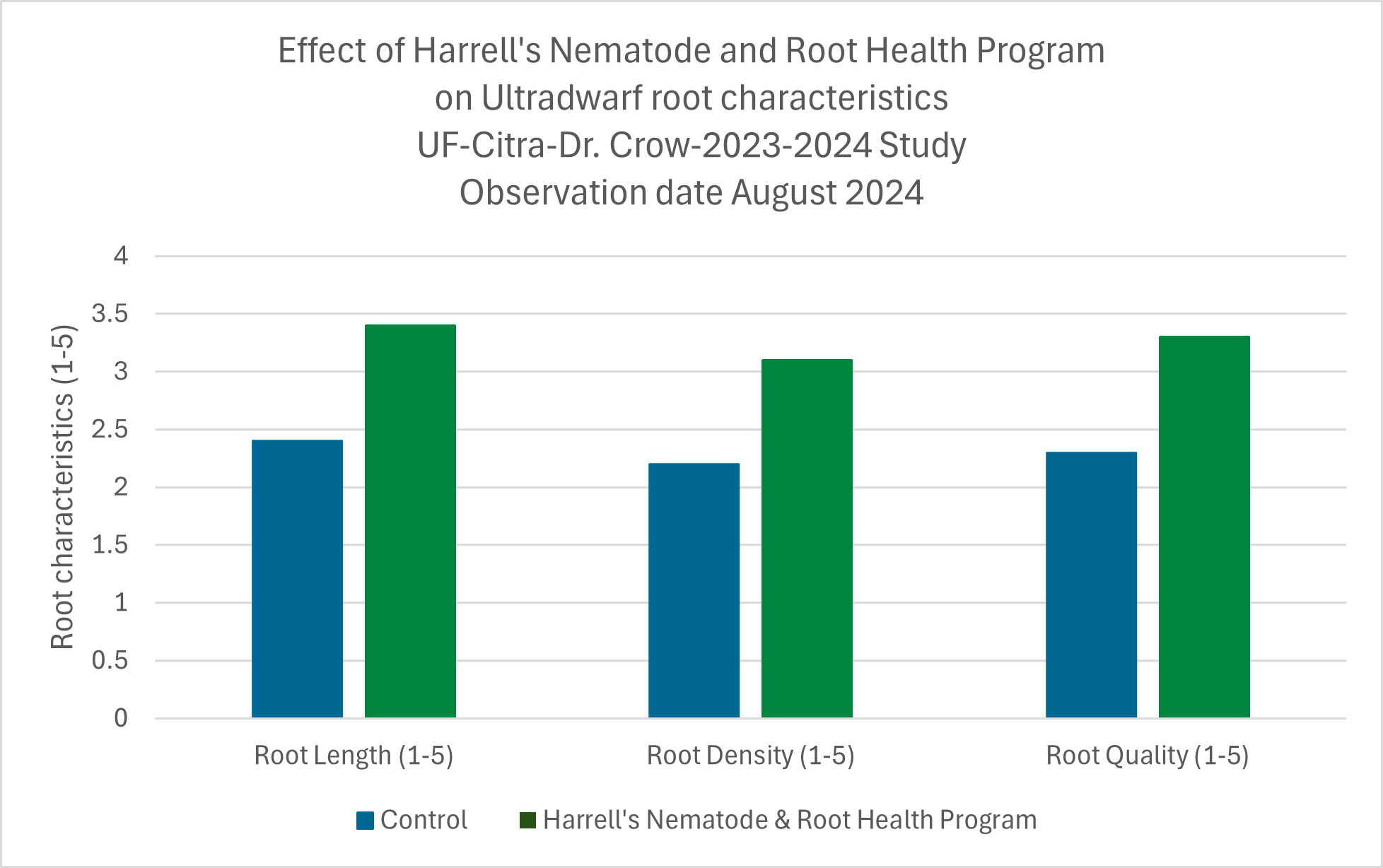
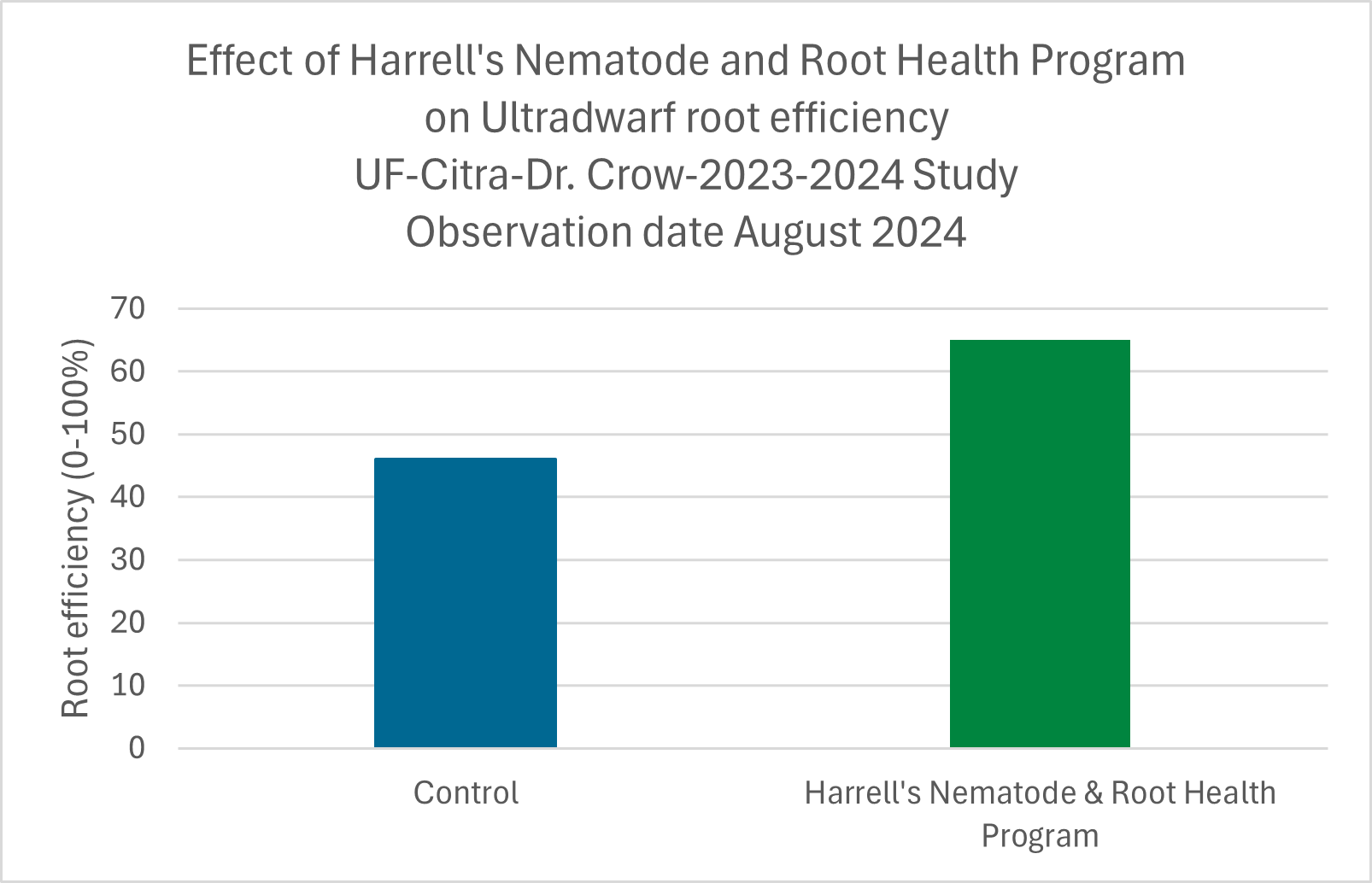
In our work with University of Florida nematologist Dr. Billy Crow, we have uncovered the fact that the inclusion of biostimulants and beneficial growth-promoting microorganisms improves root health and growth when incorporated as part of our nematicide program.
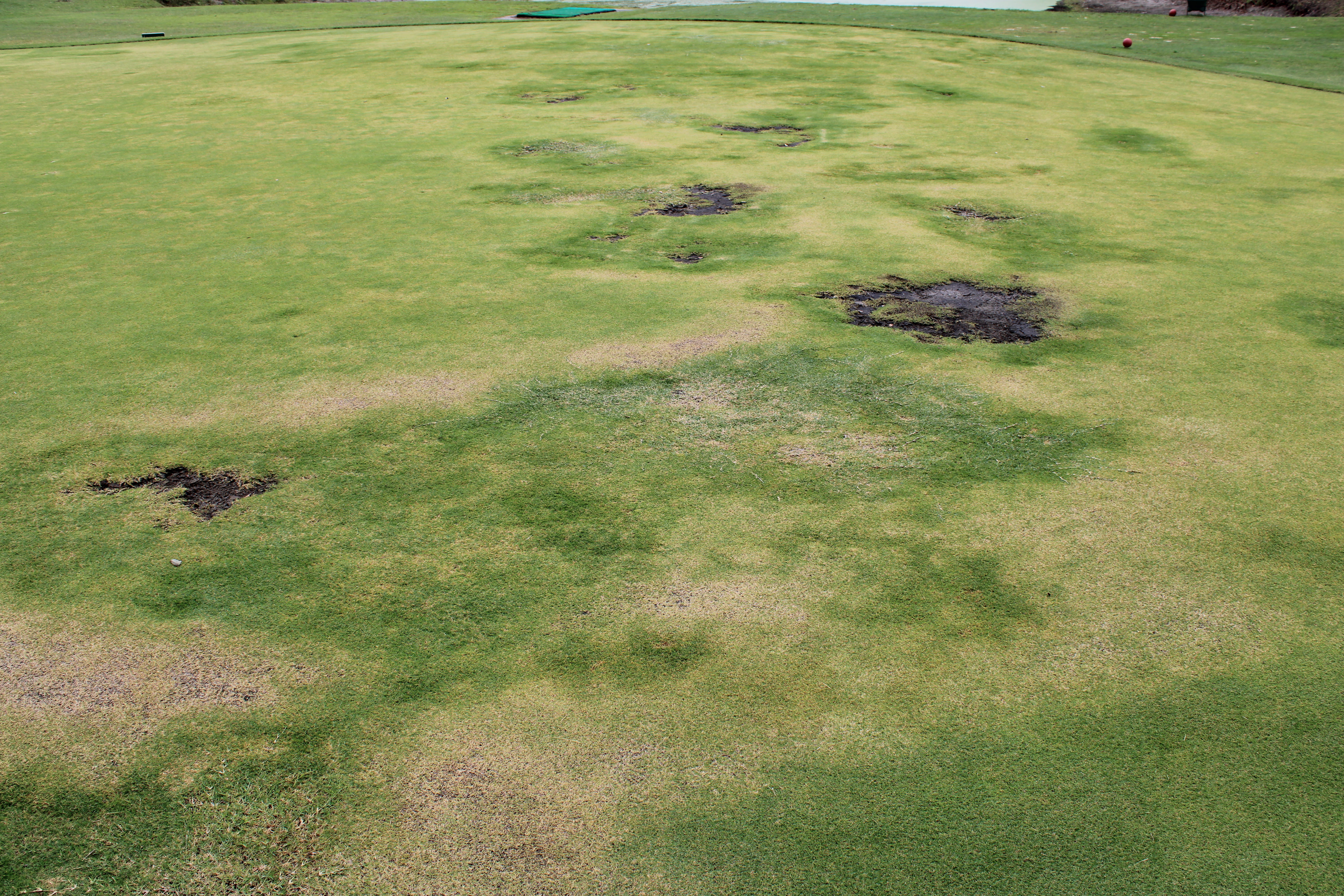
The overarching recommendation that came out of this work is the inclusion of seaweed extracts like those found in Seaweed A+E for example, as well as humic and fulvic acids, which can be found in Root Enhancer. As part of our Balanced Approach Root Health Program, we also include EarthMAX® Organic for enhancing growth-promoting, beneficial organisms, and Fleet® 100 to optimize moisture penetration and distribution in the soil environment.
Selecting the Right Nematicide
Since the final use of Nemacur in 2017, the turfgrass industry has continued its search for a highly effective nematicide that fills a major void in belowground pest control. In his “How Nematodes Work” presentation, Dr. William (Billy) Crow from the University of Florida explains key criteria for an ideal nematicide – these include:
- Reasonably safe
- Practical
- Research showing effectiveness on most/all important species, and consistency
Today, we have a few different nematicides (mentioned above) which target specific types of nematodes and have some significantly divergent modes of action. Consult with your Harrell’s rep or our Directors of Agronomy to determine the most suitable nematicide for your specific species of concern. In making recommendations, we consider factors such as efficacy, environmental impact, and application method.
Currently, the Harrell’s Balanced Approach to nematode control includes yearlong applications of effective nematicides, paired with proven fungicides and root health supplements to strengthen turf quality while treating existing nematode populations.
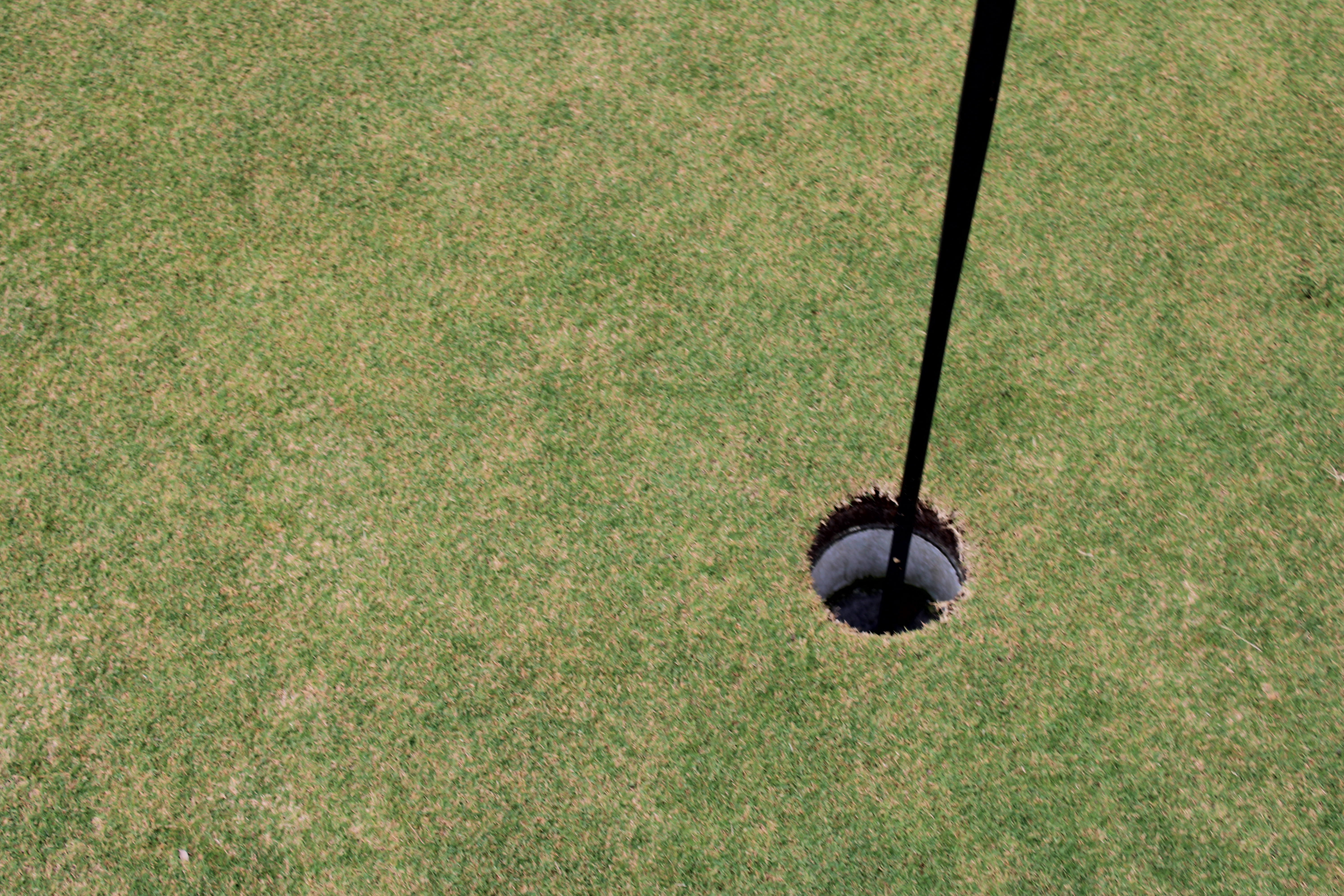
Since plant parasitic nematode infestations often damage roots and compromise overall root growth and health, incorporating root-strengthening products provides a more holistic approach, resulting in better long-term outcomes.
Before using any nematicide, it is crucial to read and follow the manufacturer's instructions and guidelines carefully.
Timing of Nematicide Applications
When applying nematicides in or around the summer season, timing is critical for optimal effectiveness. Most plant parasitic nematode populations tend to be most active in warmer soil temperatures, so it is best to apply nematicides before populations get out of hand and while plant root growth is optimized. This ensures the plant protection product reaches the nematodes when they are most vulnerable and actively feeding.
Keep in mind that severe infestations with multiple species will require season-long treatment.
However, during the summer months of May, June, and July, to control nematodes, Harrell’s recommends Divanem™, Velista®, Mycorrhizae Pro, Fleet® 100®, EarthMAX® Organic, Seaweed Extract, and Root Enhancer at the following rates:
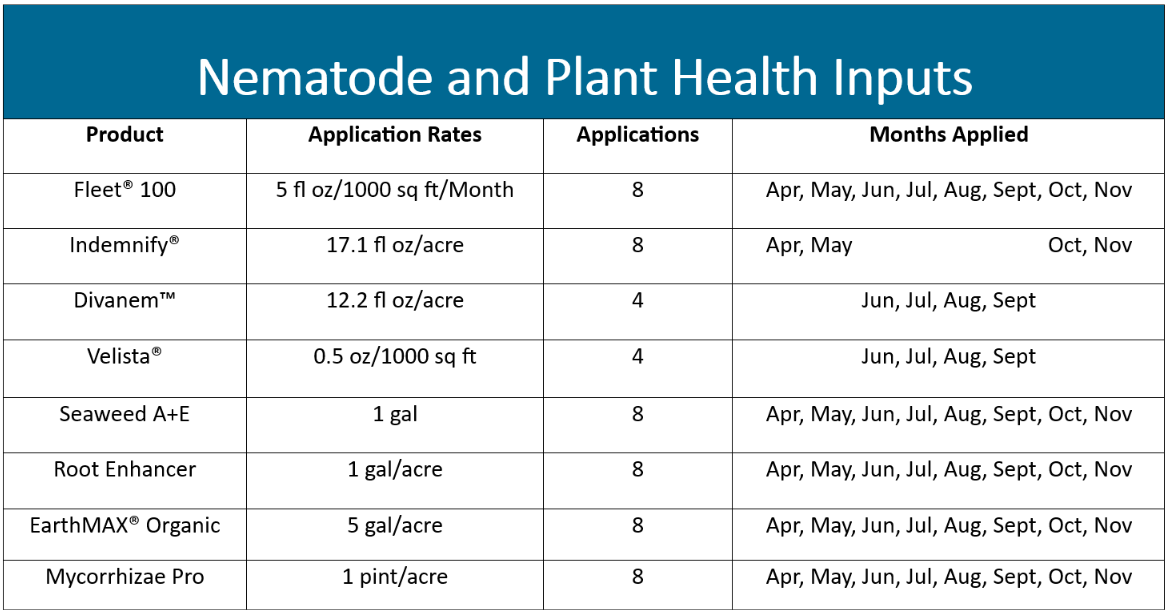
Find application rates for each month of the year in our Nematode and Root Health Program article.
Always refer to the product label for specific rate and application information. Harrell’s nutritional products are not pesticides, and no pesticidal claims or properties are expressed or implied by their use in this program.
Application Techniques for Nematicides
Label recommendations should always be followed for a chosen nematicide.
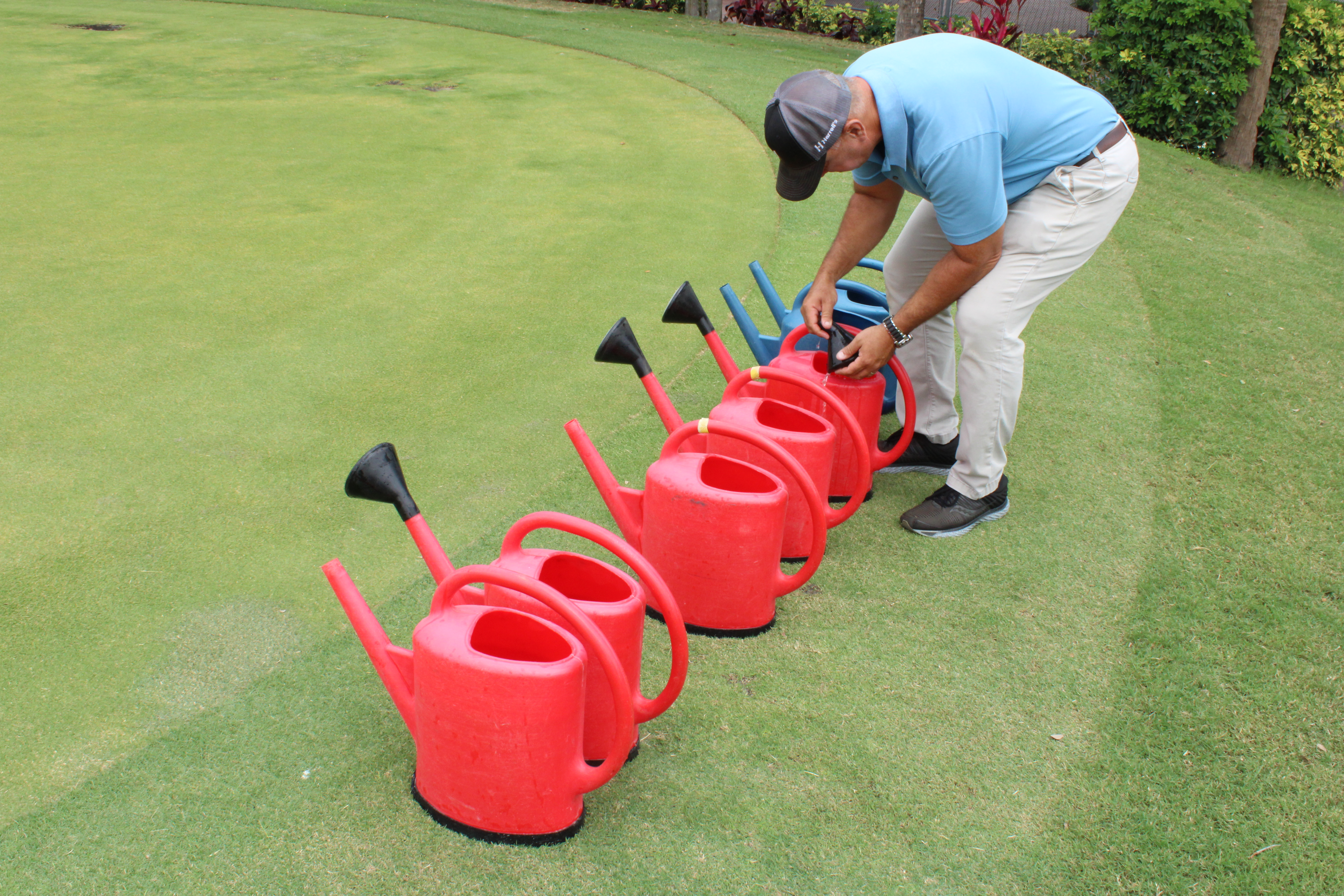
Most products require at least 0.125 - 0.5 inches of post-application irrigation to be effective. Some products require a more specialized application technique. Curfew (Corteva) soil fumigant is a restricted-use pesticide that requires slit application into the rootzone by a licensed applicator that places the product directly into the soil below the turf.
Research has shown that consistent use of soil wetting agents like Fleet can help to ensure even distribution of the nematicide across the soil profile and maximize efficacy over time.
Many nematicides show a consistent rate of dose-response. Higher rates are often necessary to control more difficult species or larger populations. One Syngenta study showed how plots treated with the spot treatment rate of Divanem (1.2 oz/1,000 sq ft) showed much greater root recovery compared to plants treated with the broadcast rate (0.28 oz/1,000 sq ft).
Your Harrell’s rep can work with you to implement our program or create a custom nematode control program with application techniques designed to achieve maximum control.
When working with nematicides, it is crucial to prioritize safety. Wear appropriate personal protective equipment (PPE), such as gloves, goggles, and a respirator, as recommended by the product label. Adhere to all safety guidelines and precautions to protect yourself, others, and the environment.
Integrated Pest Management (IPM)
While nematicides can be an effective tool for nematode control, they should be used as part of an integrated management approach. This is true for any major pest issue including weeds, diseases, and insects. It is also why Harrell’s continues to build upon the idea of the Balanced Approach. This mantra stems from an IPM foundation and incorporates cultural practices, nutritional balance, moisture management, biologicals and biostimulants, and plant protection products to address any major agronomic challenge. This ultimately achieves a healthier stand of turf while judiciously conserving resources and reducing sole reliance on chemical control for conservation and resistance management.
Nematicide applications often play a vital role in managing nematode populations during the summer season. By understanding the timing of application, selecting the appropriate nematicide, employing the right application methods, and pairing with a broader more balanced approach to root health, superintendents can effectively control nematode infestations and ensure healthier turf growth with less stress throughout the summer.
Recent Research Updates
Since 2023, we have continued our trials and progressed our findings even further. Take a look at the tables below to see the most recent research results.
Reach Out to Your Harrell's Rep
Harrell’s has invested in research and relationships that help our customers control an array of turf challenges, including nematodes and root health issues. Reach out to your Harrell’s rep or our Directors of Agronomy for customized solutions based on a Balanced Approach to turfgrass management.
Related Resources

In addition to being the nation’s largest distributor of branded fungicides, herbicides, and insecticides, Harrell’s produces custom-blended fertilizers, specialty liquids, and wetting agents. Additionally, Harrell’s is the exclusive US owner, formulator, and distributor of all POLYON® branded products.
TEAM HARRELL'S
STAY EQUIPPED
Never stop learning. Access FREE continuing education courses from Harrell’s.
LET'S GROW
PRESS RELEASES
PRESS RELEASES
STAY EQUIPPED
Never stop learning. Access FREE continuing education courses from Harrell’s.
LET'S GROW