

Spring Turf Challenges: What Golf Course Superintendents Need to Watch For
2/17/2026 - By Dr. Paul Giordano
The seasonal transition from winter to spring is a stressful time for turf, bringing on unique conditions for weeds and diseases to wreak havoc. Depending on your location, you’ll see different issues pop up over the coming weeks. In the north, spring pre-emergent applications are the main focus, and in the south, you’ll want to keep a focus on cleaning up winter weeds and controlling spring weeds early. In this article, we’ll look at some of the most difficult weeds and diseases, and give you some options for control.
Spring Pre-Emergence Disease Management Strategies
Weather variations often dictate the persistence and longevity of fungicides. When winter is on its way out and turf is exposed to relatively frequent rainfall, the effectiveness of fungicides in controlling late-winter outbreaks (such as pink snow mold) declines significantly. Depending on the turf’s tolerance to disease and the length of the growing season in your locale, you may want to add some insurance to your program by applying a fungicide to high-value turf areas like greens and tees.
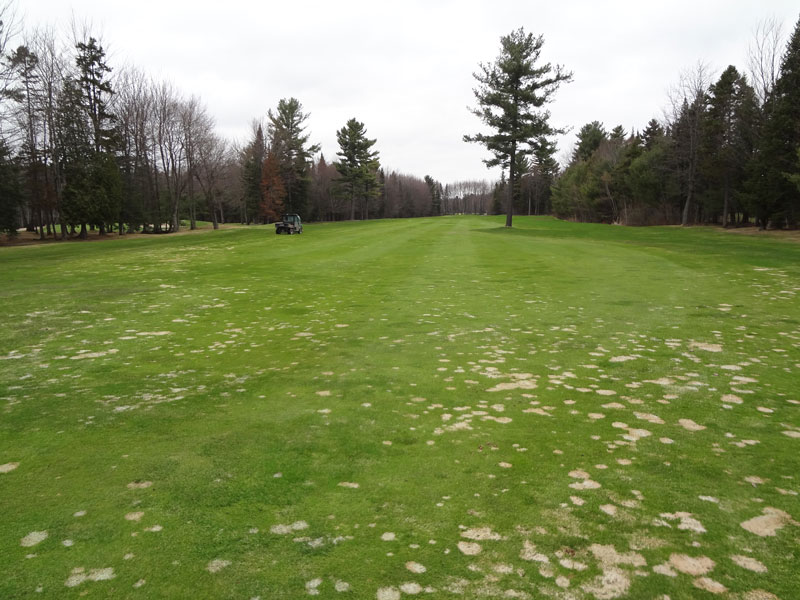
Experience has shown that even a solo, contact-active ingredient like chlorothalonil can go a long way toward “resetting” the pathogen population and providing extended protection into the late winter. Other options include broad-spectrum fungicides like DMIs, iprodione, strobilurin fungicides, or combinations thereof, which can provide a “booster” of protection against devastating outbreaks of Microdochium patch like the ones seen above.
Root Management in Early Spring
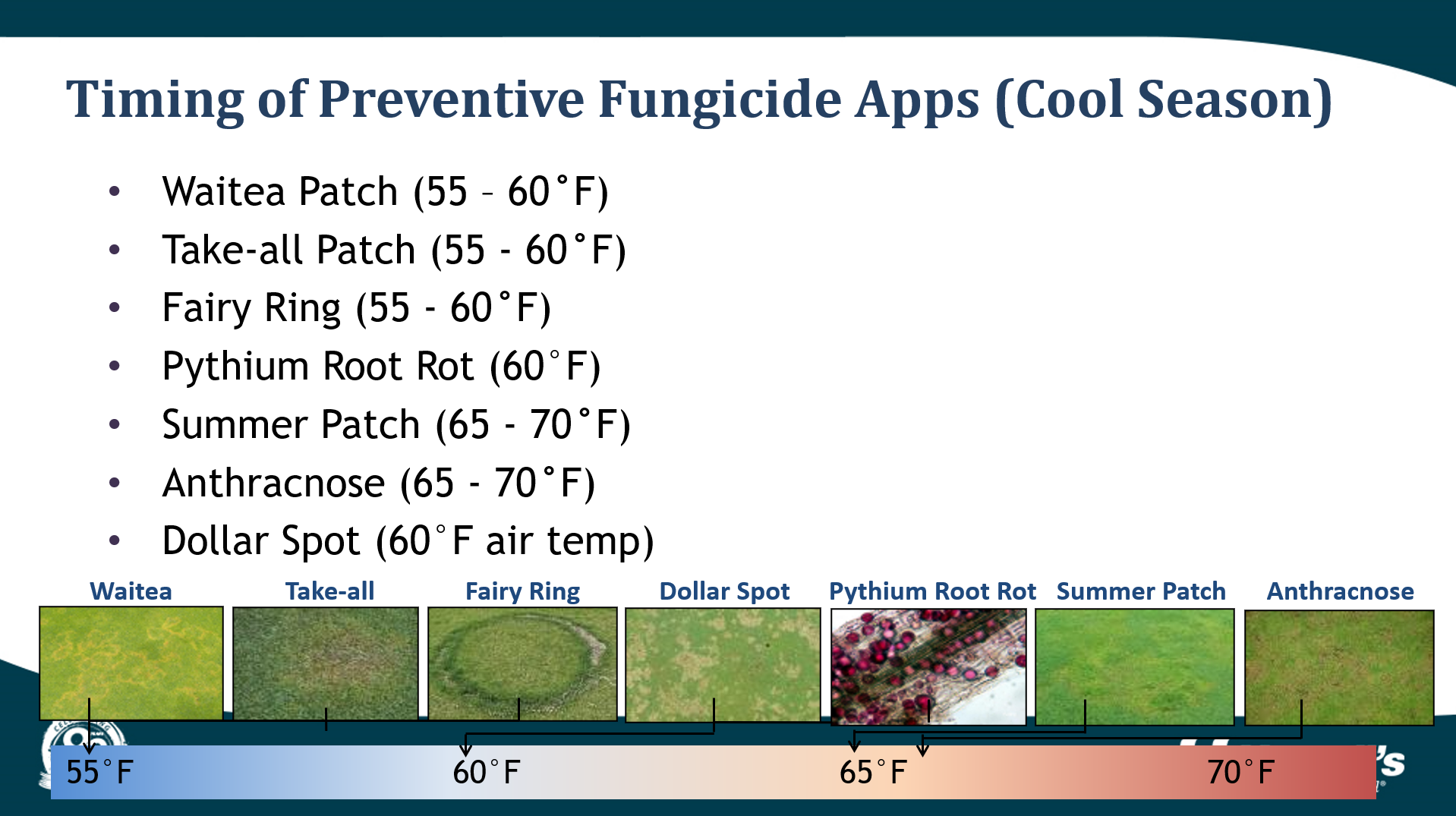
For cool-season turf, consider root-zone-targeted applications when soil temperatures are in the “sweet spot” of 55-65°F, which favors the growth and development of many harmful turf pathogens. Product selection and specific targets will depend on your turf type and historical disease pressures, Harrell’s ProtectMAX® Fluoxastrobin is one great option offering protection from over 55 turf and ornamental diseases. You’ll also want to look at broad-spectrum product like a DMI fungicide (tebuconazole, Maxtima®, Densicor®, etc.) or combination products (Briskway™, Navicon®) to cover all your bases in a single application.
Pythium pathogens have been shown to start infecting turf root systems around this same time in the spring. Mixing in an application of a Pythium-specific fungicide can go a long way in areas that are prone to root rot or root dysfunction. Strategies like the “Banol First” program have proven highly beneficial for limiting early-season pythium issues and keeping inoculum levels low later in the season.
Pre-Emergent Herbicides
When planning pre-emergence herbicide applications, it is worth considering that most pre-emergence herbicide active ingredients are broken down microbially and have a low potential for leaching or lateral movement in soil once an application is activated by irrigation or rainfall. Soil microbial activity is relatively low during late winter and early spring months, meaning that the half-life of applied pre-emergence herbicides is relatively long compared to applications made in warmer periods of the year.
In areas with a long growing season and high weed pressure, it is wise to plan on a second pre-emergence herbicide application mid-season to extend control through the fall months. Keep in mind the rotation of the pre-emergence herbicide mode of action to prevent the development of herbicide resistance.
Fertilization and Sparging Considerations for Pre-Emergence
Sparging pre-emergence herbicides onto a fertilizer carrier is an efficient way to accomplish two agronomically important tasks simultaneously. Applying pre-emergence herbicides using an appropriate amount of granular carrier per area is proven to provide equal weed control to spray applications. However, while all active ingredients sparged by Harrell’s are effective, not all are effective for all purposes, making your choice very important.
When selecting which active ingredient to sparge on fertilizer, the target weed species, the timing of the year, longevity, and rotation of modes of action should all be considered. To learn more about your options or assistance with diagnosis, your Harrell’s rep is here for you.
Winter Weed Cleanup and Spring Weed Challenges
In discussions of winter weeds, Poa annua remains an ongoing challenge for turf managers, even as we head into the tail end of the season across much of the United States. As spring temperatures rise and the ground warms, Poa annua plants mature, and the postemergence herbicides, which were your go-to in the fall/early winter, will no longer be viable, due to a lack of safety on green turf, or Poa annua growing too mature. The solution here is to adapt and shift your strategy, which is where Group 2 and 5 herbicides come in.
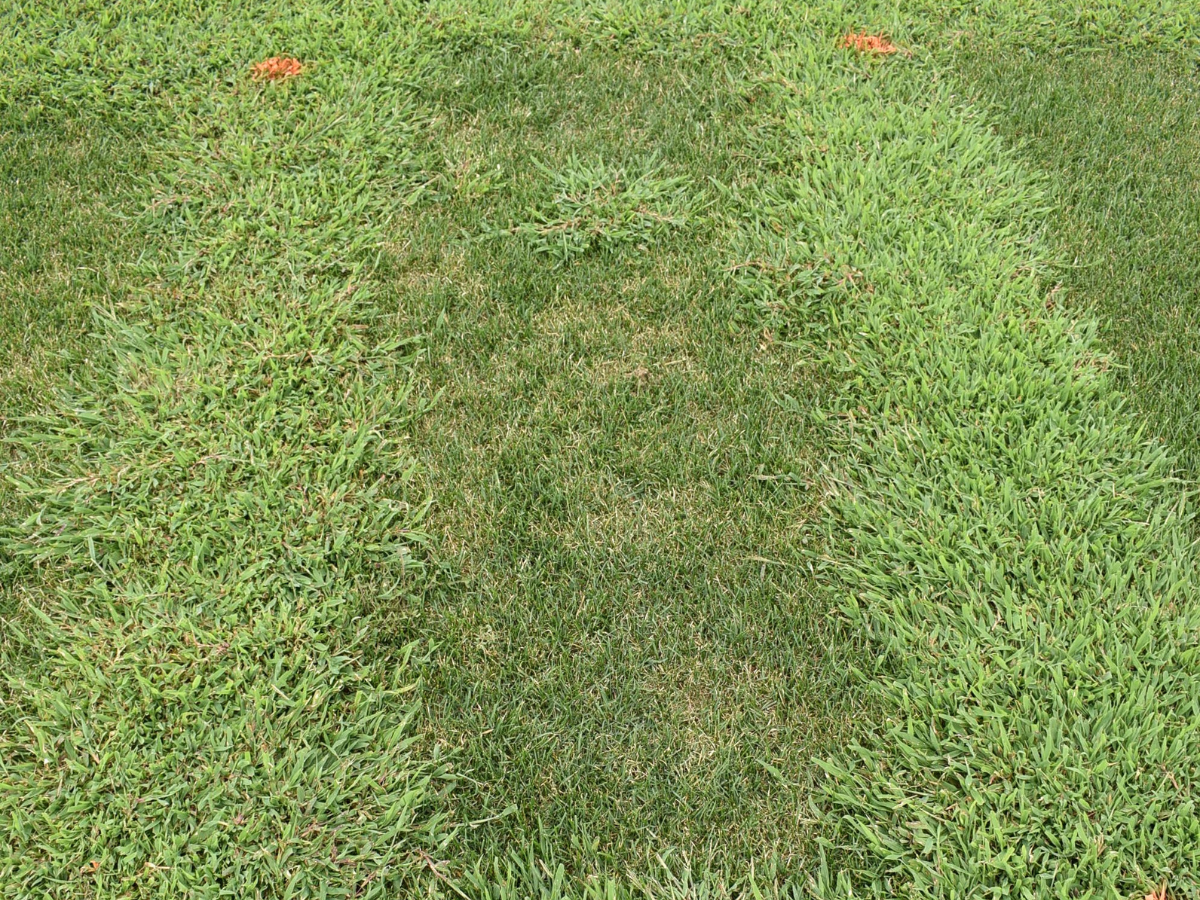
Group 2 products such as Revolver®, Tribute® Total, Katana®, and Monument® are safe on green warm-season turf. Just keep an eye out for inconsistent efficacy, as Poa annua can become resistant as it matures. To maximize control, be sure to apply the high labeled rate of these herbicides for the labeled turf type, weed, and location. To learn more about Group 2 herbicide options and why, and when to apply each, connect with your Harrell’s rep to fine-tune recommendations.
Group 5 herbicides, such as Sencor® and Xonerate®, are alternative options that provide faster visual results but at the cost of inconsistent control. Once again, to learn more about Group 5 herbicides, connect with your Harrell’s Rep. As a final tip, postemergence herbicides are more effective when applied to well-hydrated turf on a warm, sunny day, so plan according to your region and time of year.
Identification and Control of Spring Weeds - Crabgrass
Crabgrass can disrupt turf uniformity due to its coarse growth habit and aggressive colonization of weak turf areas. Once established, crabgrass can rapidly outcompete desired turf due to its prolific seed production, which makes early control imperative. The good news is that crabgrass establishment can be effectively prevented with a pre-emergence application.
A few effective pre-emergence herbicide options are Dimension®, Barricade®, StayGuard®, and Specticle®. Just keep in mind that, depending on location, full-season pre-emergence crabgrass control may require a follow-up application mid-summer. As for postemergence options, Harrell’s ProtectMAX® Quinclorac and Acclaim® Extra will serve you well. Postemergence control of crabgrass becomes more difficult as the plant matures, so it’s a good strategy to apply control while escapes are young.
Identification and Control of Spring Weeds - Goosegrass
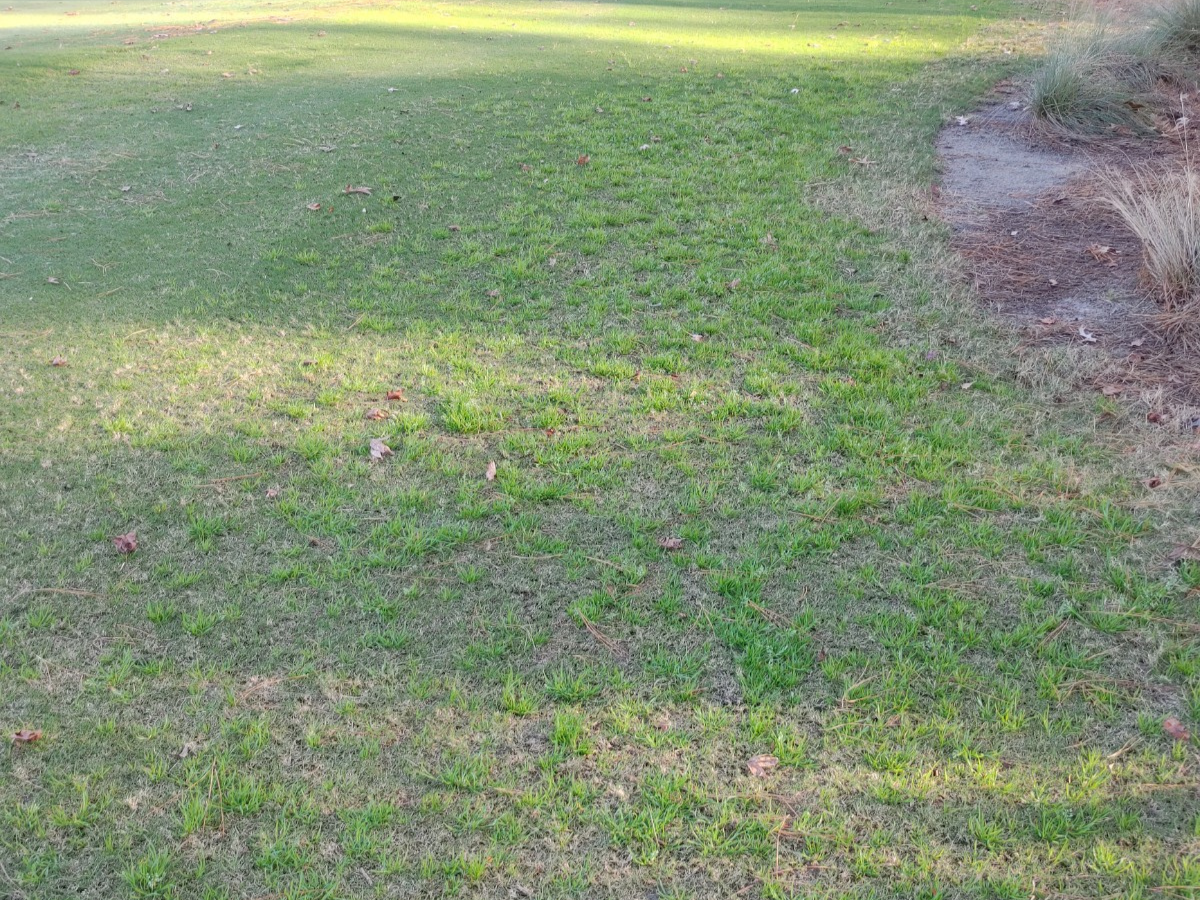
Goosegrass infestation is not only a problem in warm-season turf, but also a nuisance in cooler regions of the U.S. Due to its high seed production, goosegrass infestations worsen each year if left unchecked, making control very important once noticed.
Ronstar® and Specticle® are excellent goosegrass pre-emergence control options, with Dimension®, StayGuard®, and Barricade® also providing pre-emergence control, though slightly less effective. For postemergence control, young goosegrass plants can be controlled with Speedzone®, but as plants mature, consider applications of Revolver®, Pylex®, or Sencor®, as goosegrass control becomes more difficult as it matures. As always, connect with your Harrell’s rep for the best recommendations for your turf.
Not all products are registered in all states. Always read and follow label instructions.
Contact Your Harrell’s Rep for More ID and Control
Whether you’re up north or in the south, spring is a time full of challenges requiring new product applications and strategies to ensure success. Connecting with your Harrell’s rep is your best resource to ensure that you’re ready for the rapidly approaching weeds and diseases of spring. Reach out to them today to learn more and make sure your course is prepared.
Related Resources

In addition to being the nation’s largest distributor of branded fungicides, herbicides, and insecticides, Harrell’s produces custom-blended fertilizers, specialty liquids, and wetting agents. Additionally, Harrell’s is the exclusive US owner, formulator, and distributor of all POLYON® branded products.
TEAM HARRELL'S
STAY EQUIPPED
Never stop learning. Access FREE continuing education courses from Harrell’s.
LET'S GROW
PRESS RELEASES
PRESS RELEASES
STAY EQUIPPED
Never stop learning. Access FREE continuing education courses from Harrell’s.
LET'S GROW