

Controlling and Preventing Brown Patch in Lawns
7/26/2023

Brown patch is the most common disease to affect tall fescue, but it can pose problems for many other cool and warm-season grass species in lawns throughout the United States. Caused by the pathogen Rhizoctonia solani, brown patch, and its close relative, large patch can rapidly spread and wreak havoc when weather conditions are optimal for disease development.
Brown Patch Identification
It’s important to distinguish brown patch from other diseases to take appropriate action. Brown patch is a foliar disease with infection primarily in the leaves and stems of the plants. Lesions start as brown or tan irregular-shaped spots that run along the margins of the grass blade, sometimes with darker borders. Stand symptoms include circular or irregular patches of thin turf that usually appear darker in color, droughty, sunken, and can sometimes show visible signs of fungal mycelia in morning dew. These patches are often unsightly and can significantly detract from the visual appeal and aesthetic consistency of the lawn, particularly in well-maintained landscapes.
Brown patch is most prevalent in warm, humid weather when rainfall is abundant. Leaf wetness is a key driver for brown patch development. With the proper weather conditions, brown patch can spread rapidly across a lawn, and the disease can be exacerbated by poor management practices such as over-irrigation, excessive thatch, mowing too high or too low, and under/over-fertilizing.
While turfgrass can recover from brown patch with proper management strategies and intervention, the recovery process can be slow and may require re-grassing efforts with seeding or sodding.
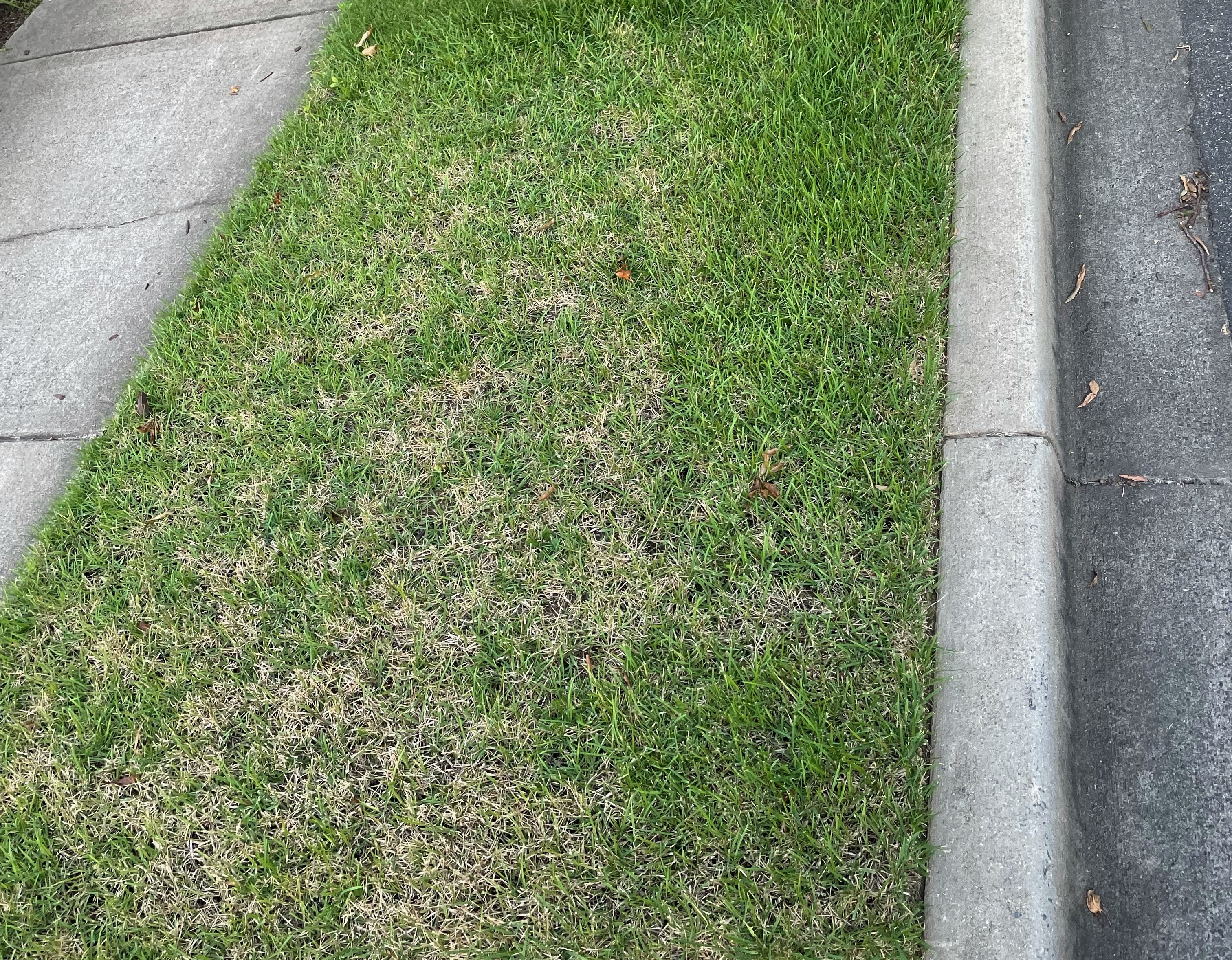
Avoiding Brown Patch
Selecting the proper turfgrass species and cultivar for each situation is the first step in managing brown patch. While tall fescue is often a desirable species for lawns, certain cultivars are highly susceptible to brown patch when planted in suboptimal situations where air movement is low and surface moisture is high.
It has long been documented that brown patch is a disease made worse by over-applying nitrogen fertilization in the summer. While this can be true when young, succulent plants are growing in hot humid environments - it is also evident that brown patch is usually worse in malnourished, unhealthy stands of turfgrass. There is an inverse correlation between brown patch severity and turfgrass growth rate. If the plants are growing healthily with adequate nitrogen inputs, brown patch will be less severe than if they are under-fertilized and growing slowly or not at all. Among the many benefits of controlled-release fertilizers such as Polyon, mitigating diseases like brown patch is often overlooked. Polyon helps accomplish the task of keeping a steady dose of nutrition supplied to the turfgrass stand over the growing season without the risk of over-fertilizing.
Chemical Control of Brown Patch | Fungicides for Brown Patch
Brown patch can be challenging to manage through cultural practices alone. While cultural practices like proper mowing, watering, and fertilization can help reduce disease severity, they may not provide complete control, especially during periods of high disease pressure. In such cases, chemical control with fungicides will be necessary.
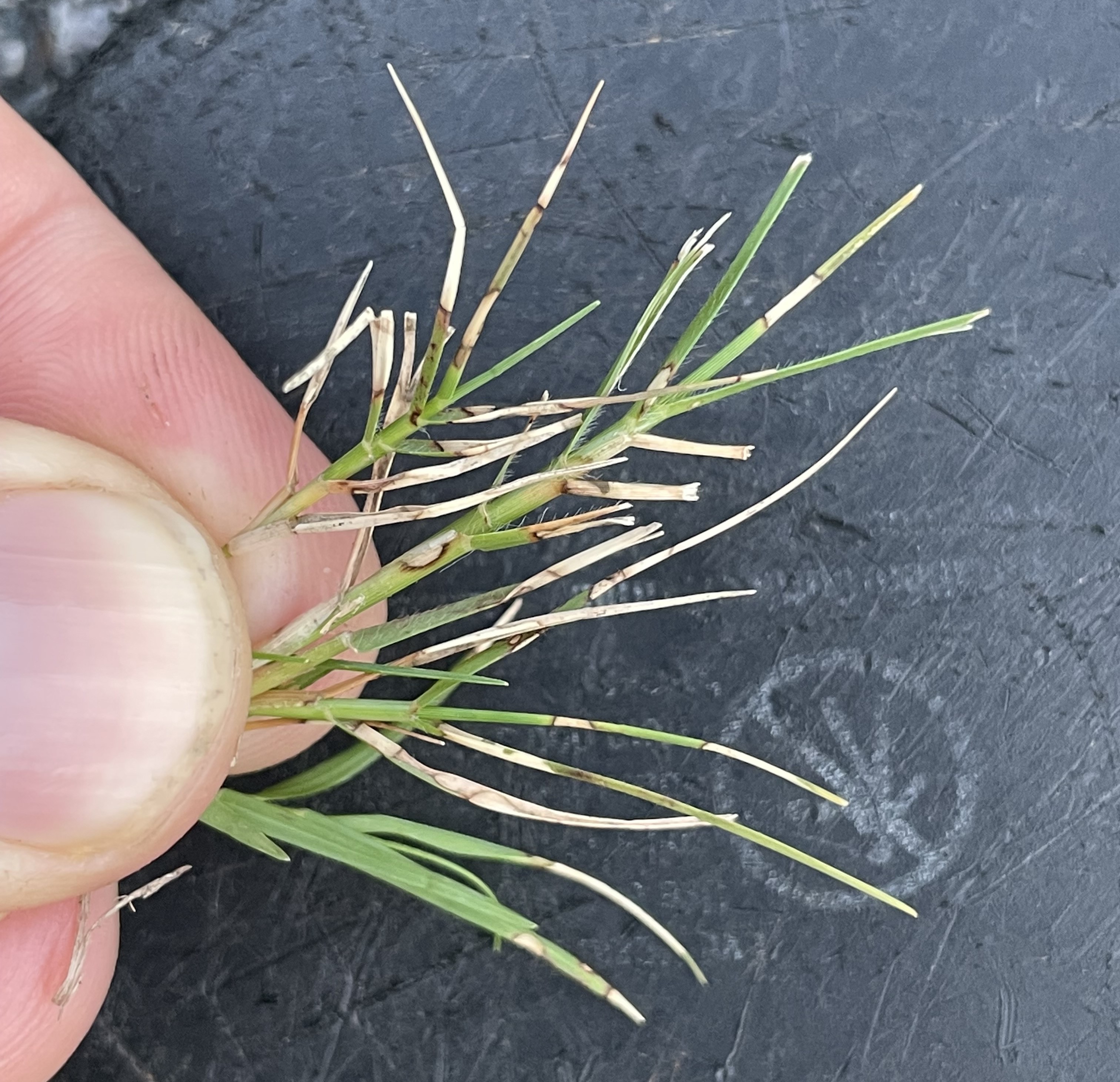
Fungicides can help control fescue brown patch by inhibiting the growth and spread of the fungal pathogen. There are several fungicides available that are effective in controlling brown patch in lawns. The specific fungicides and their availability can vary depending on your location and local regulations. A few key recommendations from Harrell’s are below:
- Azoxystrobin: This is a staple in lawncare disease control fungicides and is highly effective against brown patch and other Rhizoctonia diseases. Azoxystrobin is a strobilurin fungicide that gets into the plant systemically to offer both preventive and curative control. Many fungicides for lawn care contain azoxystrobin, including Harrell’s ProtectMAX® Azoxy, Heritage®, and Headway® to name a few.
- Propiconazole: Is a systemic DMI fungicide that can be effective against brown patch in disease control programs. Harrell’s ProtectMAX® Propiconazole can provide both curative and preventive control of a broad spectrum of turfgrass diseases. Additionally, fungicides such as Banner Maxx® and Headway® contain propiconazole.
- Thiophanate-methyl: Is a member of the benzimidazole class of chemistry and can be a good rotational product for lawn care disease control programs. It has protective and curative properties and can be effective against brown patch. Harrell’s ProtectMAX® T-Methyl and Cleary’s 3336 are two fungicides containing thiophanate-methyl.
- Fluoxastrobin SC: One of the strongest solo active ingredients on brown patch and a great option for a broad spectrum of other diseases on lawn turf. With systemic movement in the plant and excellent knock down and curative activity, Fluoxastrobin is a versatile tool in any program. Check out the all new PretectMAX Fluoxastrobin as a great option.
Remember to carefully read and follow the label instructions of any fungicide you use. Pay attention to application rates, timing, and safety precautions. It is also a good practice to rotate fungicides with different modes of action to help prevent the development of fungicide resistance in any pathogen population.
When in doubt, consult with your Harrell's Rep for specific fungicide recommendations tailored to your region and lawn conditions.
Related Resources

In addition to being the nation’s largest distributor of branded fungicides, herbicides, and insecticides, Harrell’s produces custom-blended fertilizers, specialty liquids, and wetting agents. Additionally, Harrell’s is the exclusive US owner, formulator, and distributor of all POLYON® branded products.
TEAM HARRELL'S
STAY EQUIPPED
Never stop learning. Access FREE continuing education courses from Harrell’s.
LET'S GROW
PRESS RELEASES
PRESS RELEASES
STAY EQUIPPED
Never stop learning. Access FREE continuing education courses from Harrell’s.
LET'S GROW