

Annual Bluegrass Weevil: Moving West
4/6/2021 - By Matt Giese & Dr. Michael Agnew
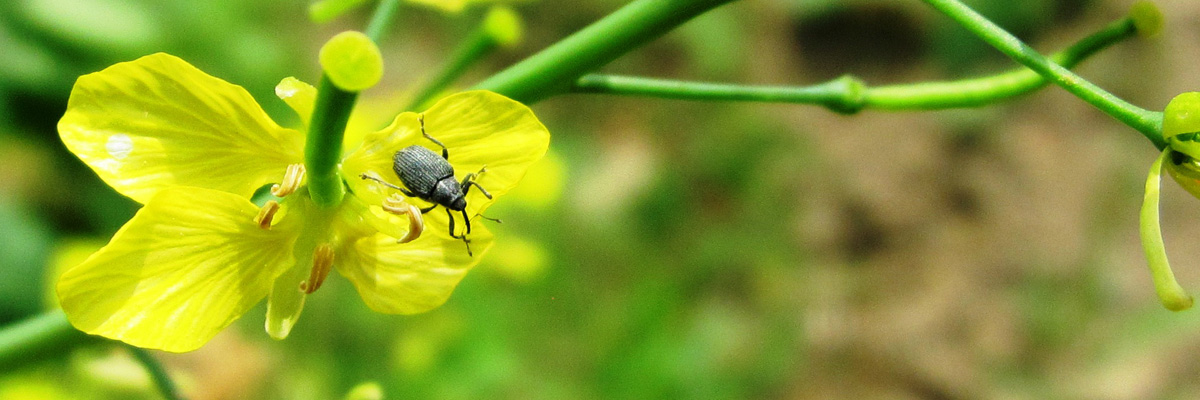
Annual bluegrass weevil (ABW) is one of the most troublesome insects for golf course superintendents in the Northeastern and mid-Atlantic US. Causing damage to low cut, high maintenance turf areas such as tees, collars, fairways and even greens. While this native insect is known to occur in over 40 states, only high ABW population densities tend to incur damage to annual bluegrass, and in some cases, creeping bentgrass.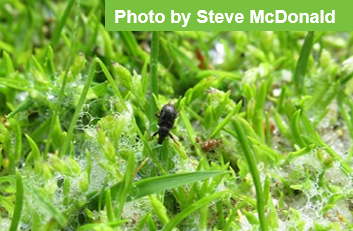
And yet, this insect does not fly and isn’t extremely mobile, but continues to be spotted in areas well outside the northeast US region. Arkansas (2017), Kentucky (2018), Wisconsin (2020), and even a sports field in Pennsylvania (2019), all have had positive identifications over the last 4 years. What gives?
Turfgrass entomologists believe the primary reason for ABW movement westward is the transport through sod. Sod harvested and transported from areas of ABW inhabitation tend to move the insects to new locations with plenty of habitat and food sources. A second confounding factor is the challenging environmental conditions which golf courses endure year to year. Droughts, excessive heat, or any type of turfgrass stress can predispose turf, and accentuate ABW damage in the area. Whether ABWs will continue to be a perennial issue in these new locations remains to be seen. Fortunately, cultural practices and control options are available to help golf course superintendents manage this pest.
To help superintendents monitor and control ABW, Syngenta has expanded its WeevilTrakSM monitoring efforts into Kentucky for the 2021 season. WeevilTrak provides industry-leading solutions and application timing recommendations, plus digital tools and ongoing insights from trusted researchers through the WeevilTrak blog.
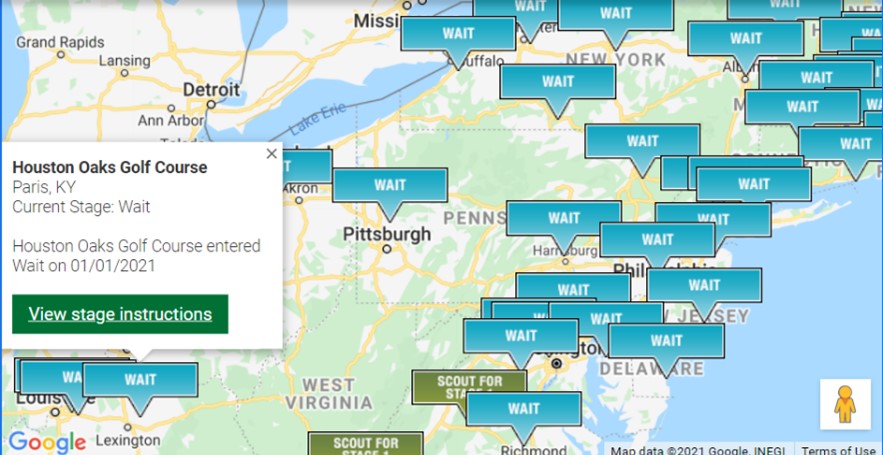
Jonathan Larson, Ph.D., assistant professor at the University of Kentucky, will lead monitoring in the state, and three courses have been added as sites for this season:
- University of Louisville Golf Club in Simpsonville, Kentucky
- Valhalla Golf Club in Louisville, Kentucky
- Houston Oaks Golf Course in Paris, Kentucky
Along with the expansion into Kentucky, Syngenta made several site shifts in the mid-Atlantic and added courses in the Northeast. New sites include:
- Farmington Country Club in Charlottesville, Virginia
- Butler Country Club in Butler, Pennsylvania
- Congressional Country Club in Bethesda, Maryland
- Monroe Golf Club in Rochester, New York
- Woods Hole Golf Club in Woods Hole, Massachusetts
The latter two sites represent the WeevilTrak monitoring program’s reentry into the Cape Cod and Rochester, New York, areas.
Other ABW monitoring and control tools available for 2021 include:
- Ference® insecticide is now approved to control ABW on golf course turf in Kings, Queens and Suffolk counties in New York under a Section 24(c) Special Local Need label.
- Golf course superintendents on Long Island must make applications in accordance with the Special Local Need Label and must have a printed copy of the Section 24(c) label in their possession at the time of application.
- The Syngenta Optimum Control Strategy outlines a proven ABW treatment protocol that can help manage resistance as ABW control applications are planned.
- 94% of surveyed1 WeevilTrak users said resistance management is an important consideration as they choose what to spray.
- WeevilTrak text alerts provide timely updates on local ABW progression.
- The WeevilTrak blog features insights from 10 industry-leading ABW researchers led by WeevilTrak Managing Consultant Steve McDonald with 240 blog posts from the past six seasons. Subscribers can search past blog posts for valuable information on
- Resistance management
- Phenological indicators
- Watering in products
- and receive valuable updates throughout the current season
- Secondary course monitoring provides additional localized stage-progression information.
- A growing degree day model is designed specifically for ABW.
Valuable information through WeevilTrak is only available for subscribers. Register now and sign up for text alerts by visiting WeevilTrak.com. Join the conversation on Facebook and Twitter with @SyngentaTurf by using #WeevilTrak.
©2021 Syngenta, Syngenta, 410 Swing Rd., Greensboro, NC 27409. Important: Always read and follow label instructions. Some products may not be registered for sale or use in all states or counties and/or may have state-specific use requirements. Please check with your local extension service to ensure registration and proper use. Ference®, GreenCast®, WeevilTrakSM and the Syngenta logo are trademarks and/or service marks of a Syngenta Group Company. All other trademarks are the property of their respective owners.
Authors
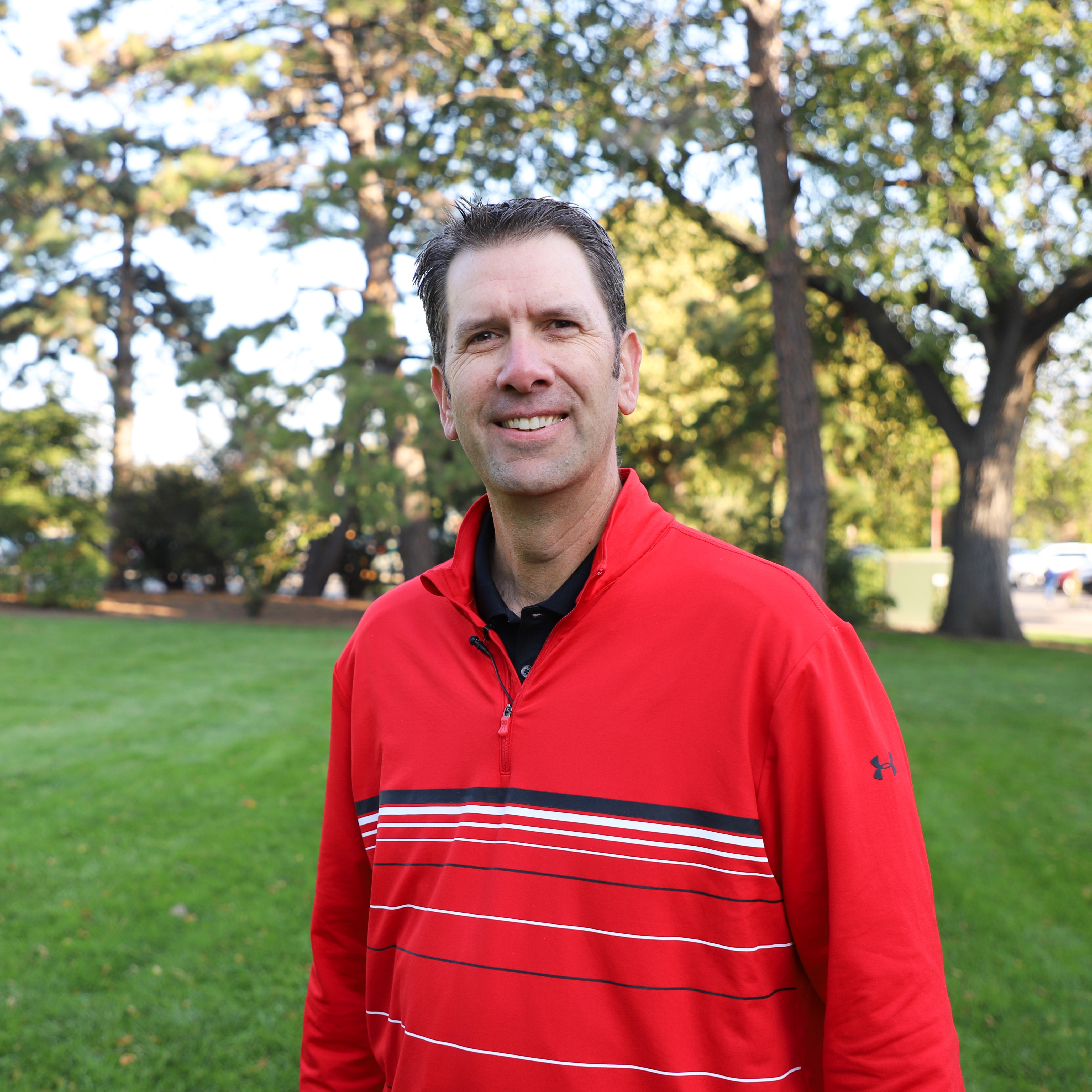
Matt Giese, M.S.
Matt is a Technical Service Rep with Syngenta Professional Solutions in the Turf & Landscape division for the past 25 years. He holds a Master’s degree in Turfgrass Management and a Bachelor’s degree in Agronomy, both from the University of Nebraska. He provides agronomic consulting and solutions to turf managers in 15 states across the Midwestern US. He collaborates with academic and industry scientists to test and develop new and existing products through field testing.

Michael Agnew, Ph.D.
Dr. Agnew is a Senior Field Technical Manager for Syngenta Professional Solutions in the Turf & Landscape division and former Associate Professor and Extension Turfgrass Specialist at Iowa State University. He earned a B.S. and a M.S. in Horticulture and a Ph.D. in Horticulture with specialization in Turfgrass Science and Plant Stress Physiology from Kansas State University. Dr. Agnew has been providing service to the Turfgrass and Golf Industries locally, nationally, and internationally for over 30 years. He currently provides technical support for Syngenta customers and staff, provides leadership in turfgrass fungicide product development, serves several trade and professional organizations, and is a frequently requested speaker and author within the Turfgrass and Green Industries. For 25 years, he has co-taught Calculations and Practical Math for Golf Courses at the annual meeting of the Golf Course Superintendents Association of America.
Related Resources

In addition to being the nation’s largest distributor of branded fungicides, herbicides, and insecticides, Harrell’s produces custom-blended fertilizers, specialty liquids, and wetting agents. Additionally, Harrell’s is the exclusive US owner, formulator, and distributor of all POLYON® branded products.
TEAM HARRELL'S
STAY EQUIPPED
Never stop learning. Access FREE continuing education courses from Harrell’s.
LET'S GROW
PRESS RELEASES
PRESS RELEASES
STAY EQUIPPED
Never stop learning. Access FREE continuing education courses from Harrell’s.
LET'S GROW