

Amending Soil with Organic Matter
8/30/2024 - By Dr. Raymond Snyder
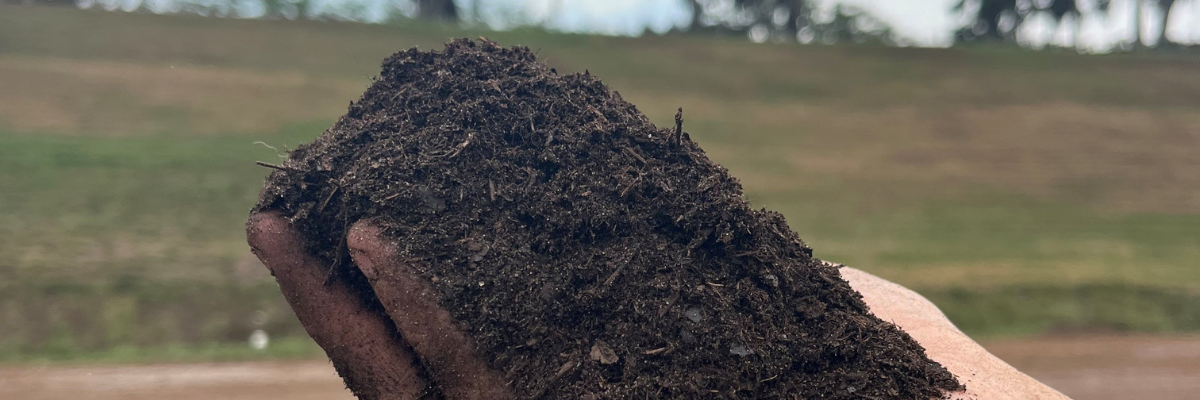
A successful lawn, landscape, or garden is dependent on several
factors that are fundamentally important such as sunlight, shade, soil, and
water. But there are also agronomic input factors like fertilizer, pest
management, and irrigation use that are arguably just
as vital to seeing your lawn, landscape or garden thrive. Organic matter is one
potential input that is easily overlooked and can make a dramatic difference in
plant performance by its effect on soil productivity. In this article, we will
explore the use of organic matter and how utilizing it in tandem with your
applied fertilizer (such as POLYON® controlled-release fertilizer) can dramatically improve overall growth and
plant health.
Why Organic Matter Matters
Organic matter imparts many beneficial agronomic
characteristics in the soil such as cation exchange capacity, water retention,
and soil microbiology. A cation exchange capacity is the mechanism by which
positively charged nutrients are retained in the soil, making it more effective
at holding nutrients in the soil and less likely to lose them to leaching. Organic
matter is an excellent retainer of water which helps promote plant available water
and minimize undesirable drought stress, keeping your plants healthy and
preventing disease. Finally, organic matter is a home for beneficial soil microbiology and those microorganisms facilitate desirable nutrient
cycling.
Sources of Organic Matter
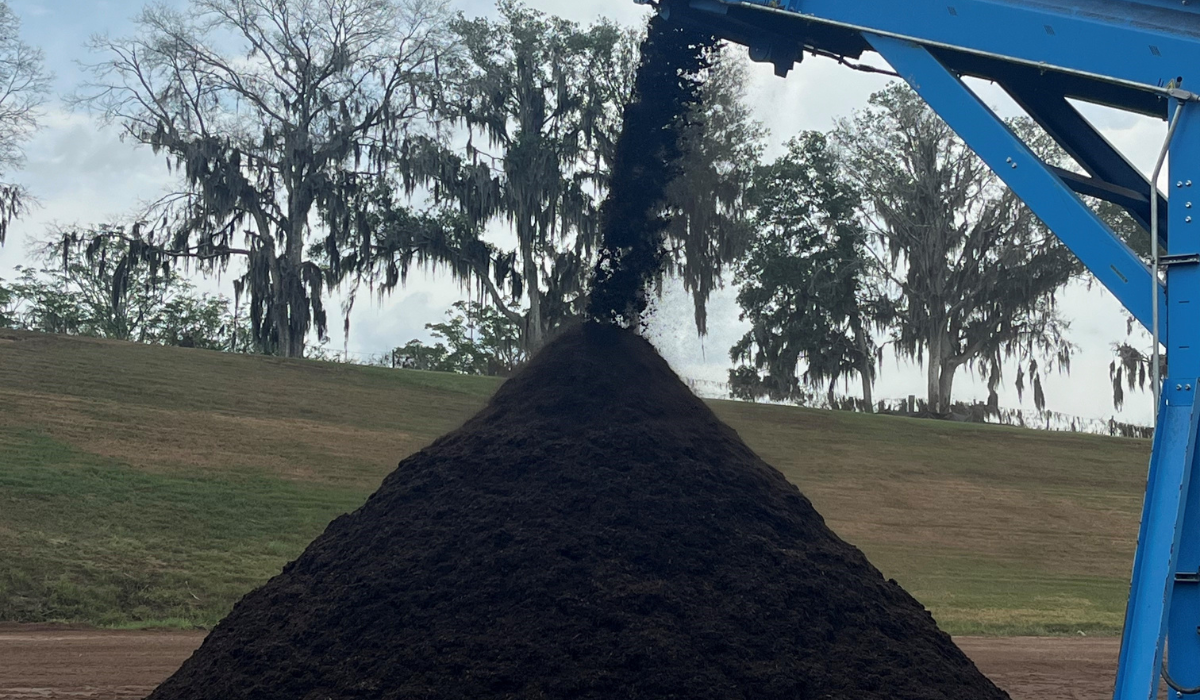
Organic matter sources are not necessarily all the same. Organic
matter properties are determined by the sources from which they are derived, for
example, peat-type organic matter such as sphagnum peat has an inherently
acidic pH value. Peat is an ideal organic matter input when amending high-pH
soils.
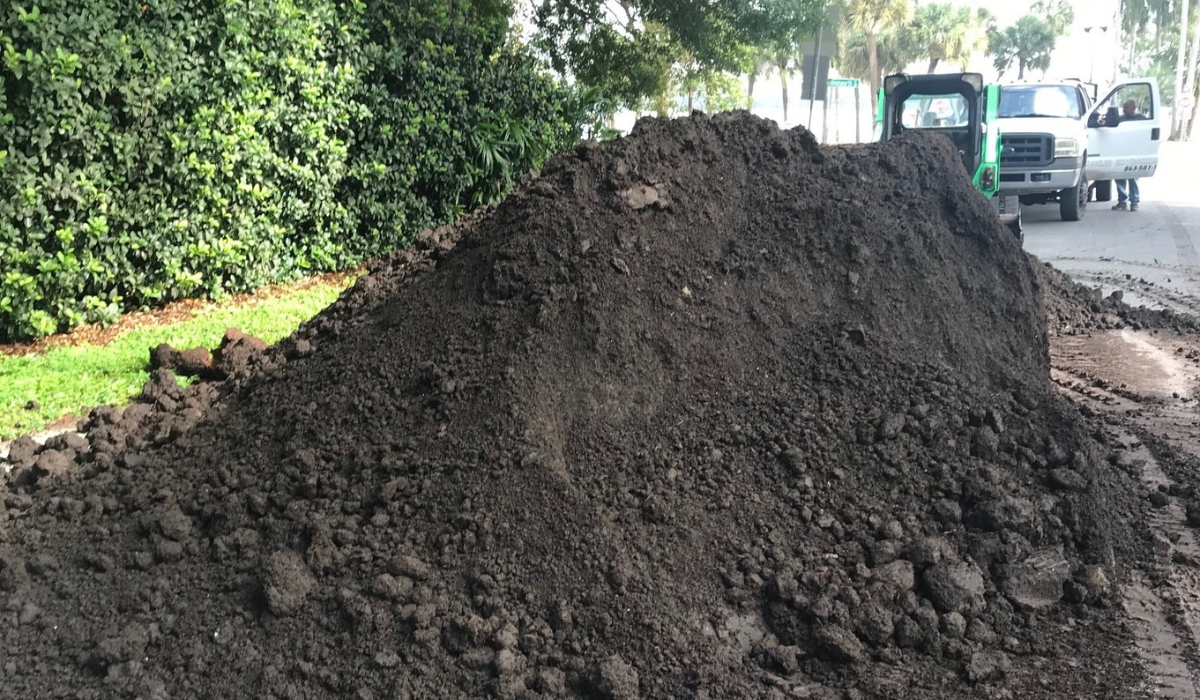
Compost is another example, often derived from various,
non-specific plant residues that have been microbially and thermally aged for
several months. Organic matter derived from compost has a more neutral pH value
and is ideal for amending acidic and mildly alkaline soil. Regardless of the
organic matter source, it is important to select one that has a carbon-to-nitrogen
value of 24:1 and is free of weeds and pathogens.
Amending Soil with Organic Matter
Once an organic matter source is identified and purchased it
is now time to amend the soil. Increasing soil organic matter content by 1% in
the top six inches of rootzone can be achieved by adding approximately 454 lb.
of organic matter and mixing it thoroughly into the top six inches. Repeat 1%
additions until the soil is at least 2% organic matter and up to 10% for
landscapes and gardens. The greatest benefit of adding organic matter to most root
zones will occur when the top six inches are amended.
Contact Your Harrell’s Rep for More Tips
In summary, organic matter inputs can dramatically increase the productivity of a landscape and garden. Choose an organic matter source that imparts beneficial characteristics in your soil based on soil-test results. Finally, incorporate organic matter throughout the effective rootzone to maximize organic matter amended soil. To learn more about organic matter sources, how it can benefit you, and any other tips you may need, your Harrell's Representative is your best resource.
Related Resources

In addition to being the nation’s largest distributor of branded fungicides, herbicides, and insecticides, Harrell’s produces custom-blended fertilizers, specialty liquids, and wetting agents. Additionally, Harrell’s is the exclusive US owner, formulator, and distributor of all POLYON® branded products.
TEAM HARRELL'S
STAY EQUIPPED
Never stop learning. Access FREE continuing education courses from Harrell’s.
LET'S GROW
PRESS RELEASES
PRESS RELEASES
STAY EQUIPPED
Never stop learning. Access FREE continuing education courses from Harrell’s.
LET'S GROW