

Turfgrass Weeds - Identification & Control
4/29/2024 - By Dr. Jeff Atkinson
Temperatures
are warming across the country as spring arrives. As turf wakes up from its
winter slumber, so do problematic weeds, so it’s important to understand how to
identify and control them. Continue reading for an overview of the most common
turfgrass weeds you may encounter this season and some control recommendations
that could save you time, labor, and money down the line.
Identification & Control - Crabgrass
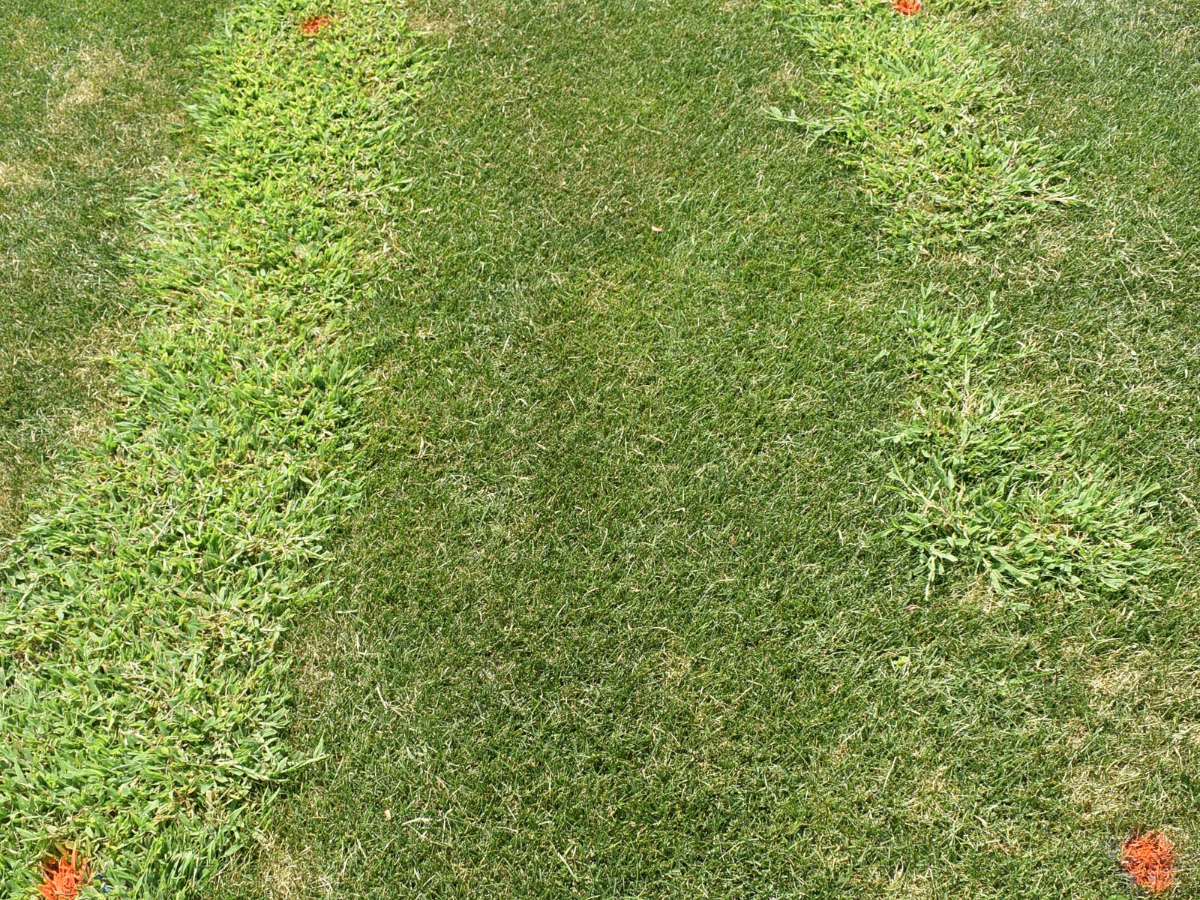
Crabgrass (Digitaria
spp.) disrupts turfgrass uniformity due to its coarse growth habit and
aggressive colonization of weak turf areas. Once established, crabgrass can
rapidly outcompete desirable turf, especially under stressful growing
conditions. Crabgrass is a prolific seed producer, which leads to increased
crabgrass pressure year over year if populations are not kept in check.
The good news
is crabgrass establishment can be effectively prevented by a preemergence
application of herbicides such as Dimension®, Barricade®, StayGuard®, and Specticle®. Just keep in mind that, depending on location, full-season
preemergence crabgrass control may require a follow-up preemergence herbicide
application mid-summer.
Postemergence
options for crabgrass control include Harrell'sProtectMAX® Quinclorac and Acclaim Extra®. Always be sure to read product labels to ensure these
herbicides are safe to apply on the desirable turf species and that the
appropriate adjuvant is added to the spray tank before application. Postemergence
crabgrass control becomes more challenging as the plant matures, so it’s a good
strategy to control any crabgrass escapes when they are young.
Identification & Control - Goosegrass
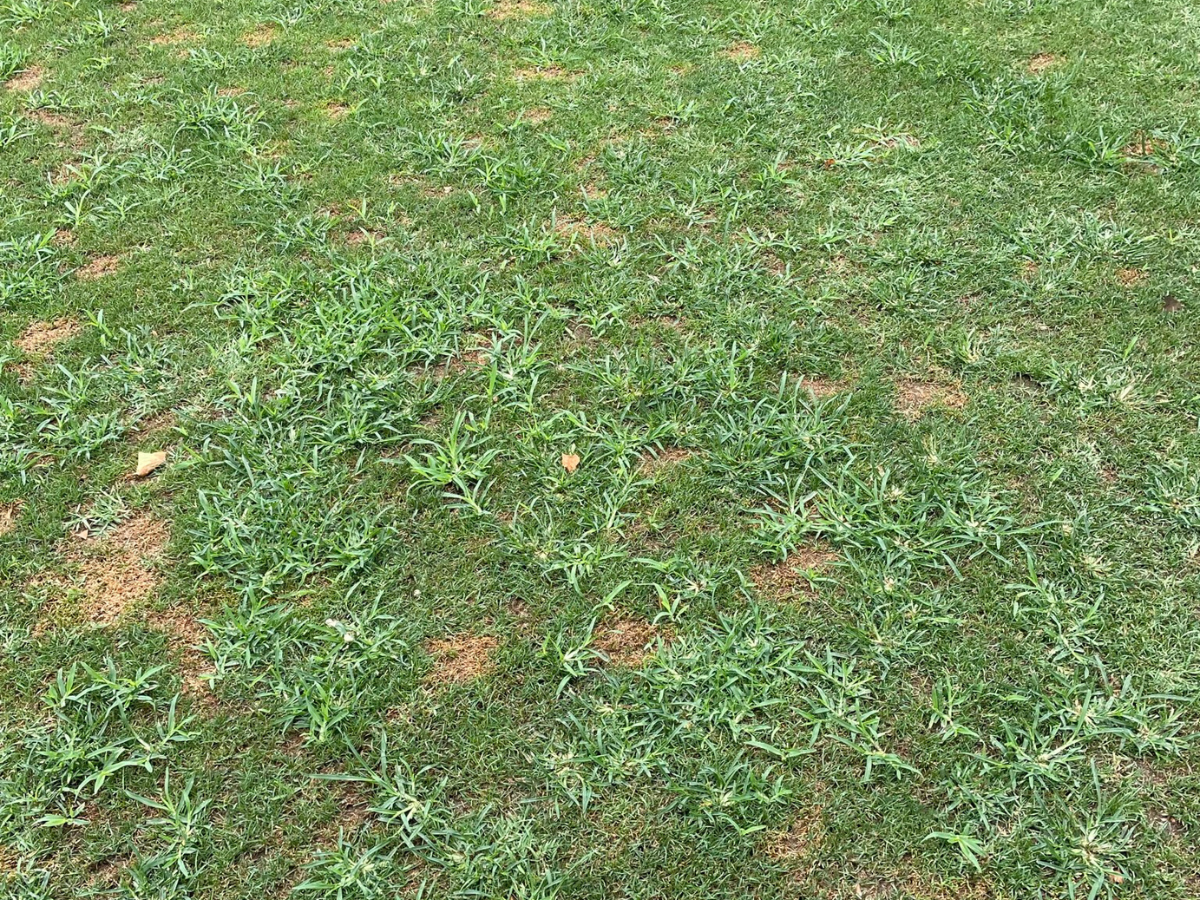
Goosegrass (Eleusine
indica) traditionally is thought of as a problematic grassy weed of warm
season turf, however, reports of goosegrass infestation are becoming more common
in cooler regions of the United States. Another prolific seed producer,
goosegrass infestations can increase in severity year over year if left unchecked.
In fact, a study in Clemson, South Carolina suggested that goosegrass plants
that germinated on approximately August 15th were able to produce
viable seed before the onset of the first killing frost – on average the first
frost for the Clemson, SC area is Halloween (Kerr, 2019).
Ronstar® (Restricted Use Pesticide) and Specticle® are excellent goosegrass preemergence control options. Dimension®, StayGuard®, and Barricade® also provide preemergence goosegrass control, however, control may be slightly less than the level achieved with Ronstar® (Restricted Use Pesticide) or Specticle®.
Young
goosegrass plants can be controlled postemergence with SpeedZone® herbicide. As
plants mature consider applications of Revolver®, Pylex®, or Sencor®. Similar
to other weeds, postemergence goosegrass control becomes more difficult as
plants mature.
Identification & Control - Poa trivialis (AKA Poa triv or Roughstalk Bluegrass)
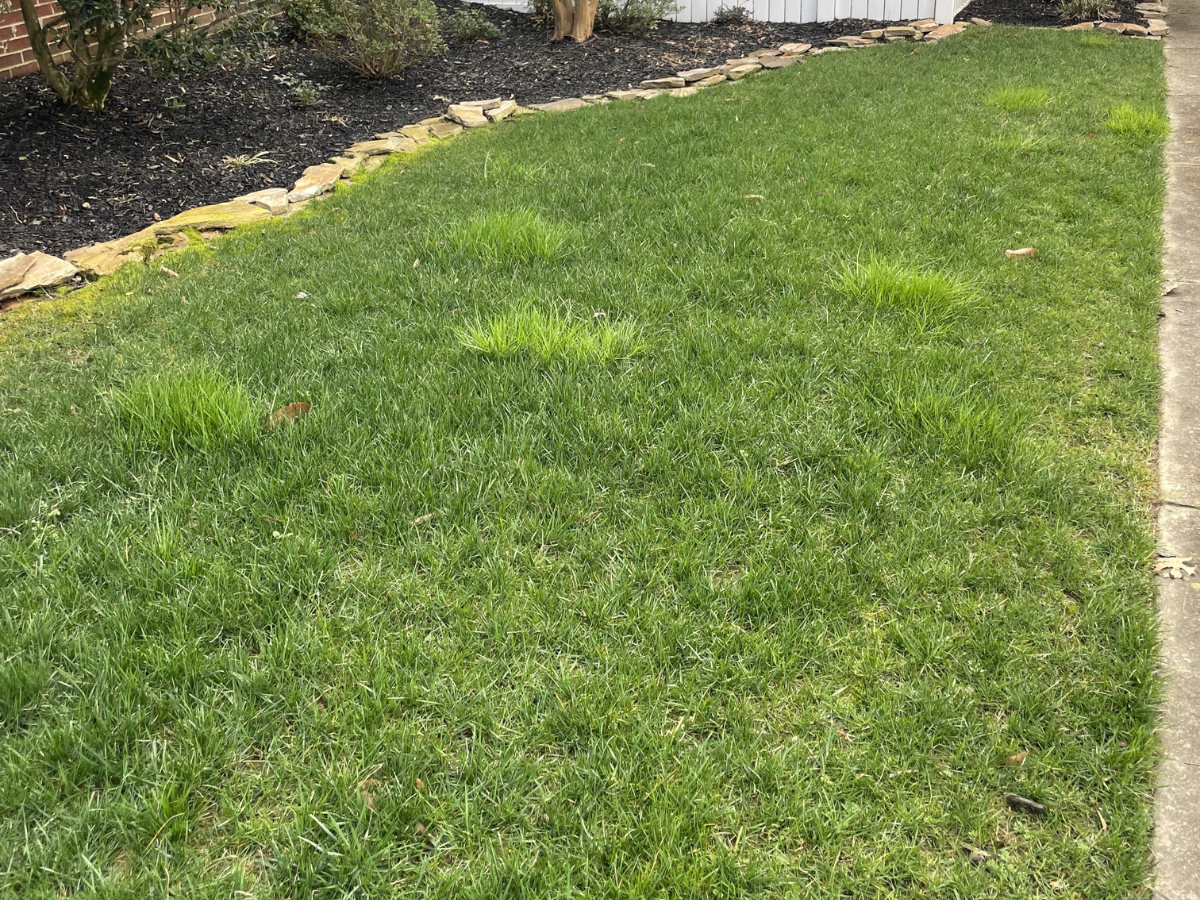
The first perennial weed on the list is roughstalk bluegrass (Poa trivialis). Poa trivialis is an increasingly prevalent and challenging weed to control in cool season turf. Due to its perennial growth habit, Poa trivialis will often appear to die off with the onset of summer heat, only to return as temperatures cool in the fall and early winter. Due to these characteristics, Poa trivialis differs from another prevalent and challenging weed, Poa annua, which is an annual weed and generally appears more fine-textured and green, with distinctive seedheads.
Preemergence herbicides are effective at controlling new plants from establishing from seed, however Poa trivialis generally establishes during the overseeding period of desirable turf types such as tall fescue and creeping bentgrass. It can also persist in full sun on golf courses and athletic fields that are routinely irrigated (Abbey, 2022).
During this
time, the application of preemergence herbicides is not advised because it will
also prevent the establishment of desirable turf. Until recently only
non-selective postemergence herbicides or hand-weeding were effective control
strategies for Poa trivialis. However, innovations such as the recent
launch of Velocity® PM from Nufarm have the potential to provide an option for
selective postemergence Poa trivialis control in fescue and creeping
bentgrass. Consult the Velocity PM label for specific use instructions.
Identification & Control - Doveweed
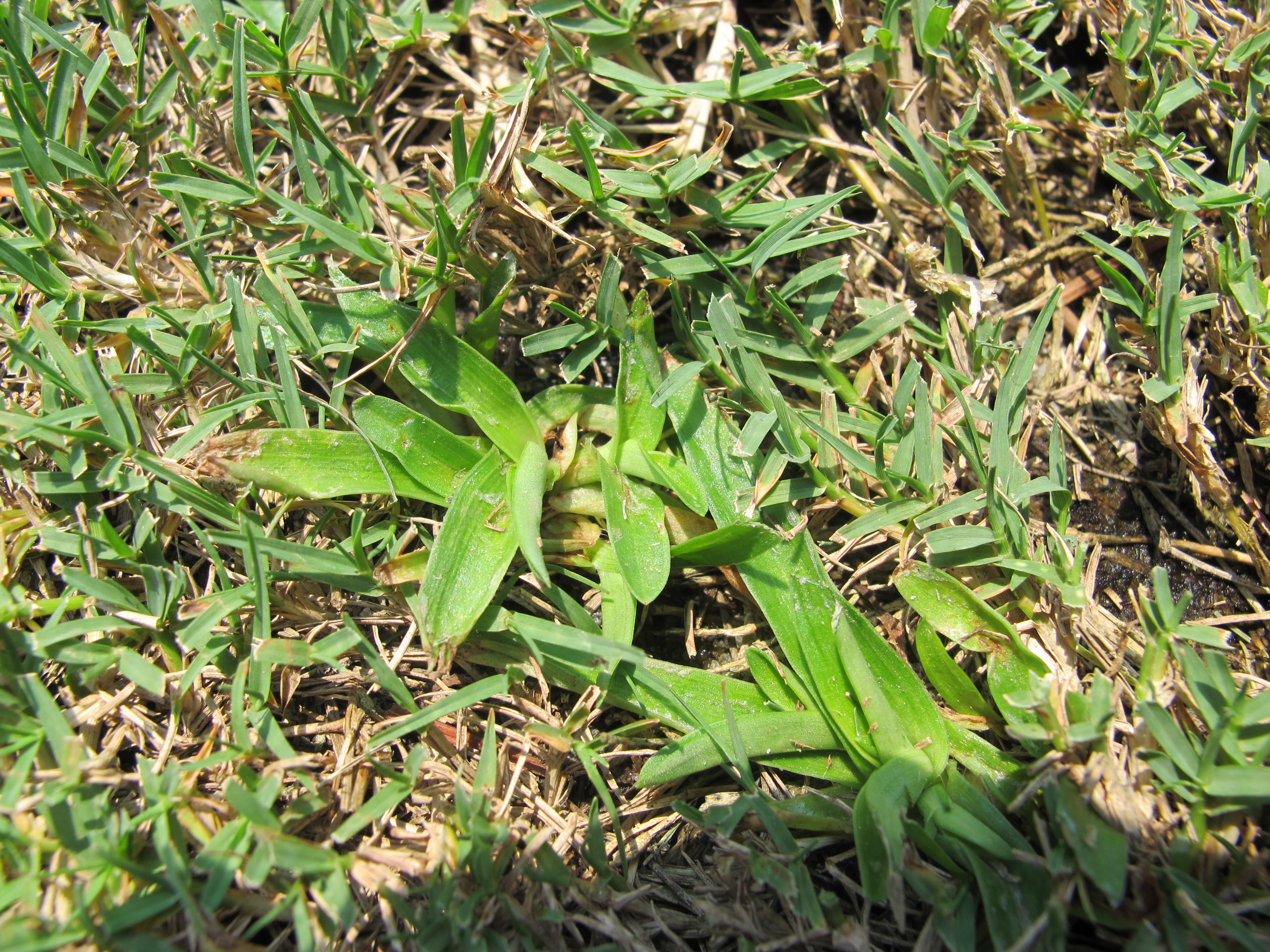
Doveweed (Murdannia
nudiflora) has the appearance of a grassy weed, but it’s actually a
broadleaf weed. Often times, herbicides intended for grassy weed control are
applied to control doveweed and the applicator is left dissatisfied with
control. Doveweed is an emerging issue throughout the southern United States
and similar to goosegrass, doveweed can germinate, establish, and produce
viable seed in a relatively short period of time.
An effective control measure is to apply a combination of a postemergence broadleaf herbicide and preemergence herbicide. We have created a guide detailing how to control Doveweed using products like SpeedZone® herbicide, Blindside® herbicide, Tribute® Total, and others. Specific product
recommendations can be found in Harrell's doveweed control guide.
Identification & Control - Virginia Buttonweed
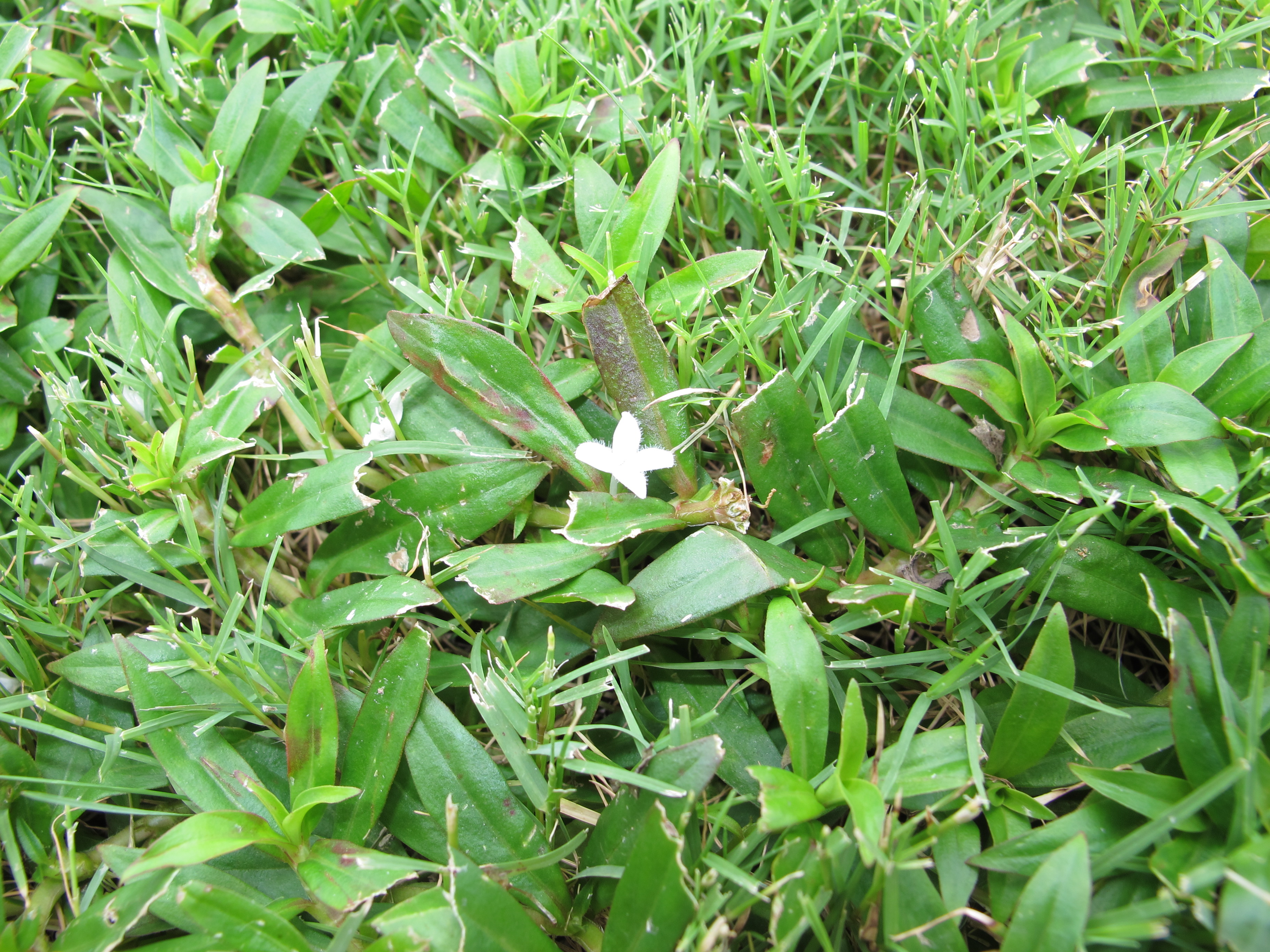
Virginia buttonweed
(Diodia virginiana) is a difficult-to-control broadleaf weed. Similar to other broadleaf weeds, preemergence herbicides
are marginally effective at preventing Virginia buttonweed establishment. Three-way
broadleaf herbicides formulated with 2,4-D and dicamba are generally effective
Virginia buttonweed control options. Controlling young plants is easier than
controlling mature plants, and multiple postemergence applications are
typically required for complete control.
Contact Your Harrell’s Rep for More Identification & Control Strategies
Spring weeds are not something to ignore and your local
Harrell’s Representative is here to help you identify and prevent weeds before
they become a problem, and control those already springing up. Contact your Rep for more information and strategies specific to you.
Related Resources

In addition to being the nation’s largest distributor of branded fungicides, herbicides, and insecticides, Harrell’s produces custom-blended fertilizers, specialty liquids, and wetting agents. Additionally, Harrell’s is the exclusive US owner, formulator, and distributor of all POLYON® branded products.
TEAM HARRELL'S
STAY EQUIPPED
Never stop learning. Access FREE continuing education courses from Harrell’s.
LET'S GROW
PRESS RELEASES
PRESS RELEASES
STAY EQUIPPED
Never stop learning. Access FREE continuing education courses from Harrell’s.
LET'S GROW