

Pythium Root Rot Problems? | How to Prevent and Treat Pythium Root Rot
1/12/2024 - By Dr. Paul Giordano
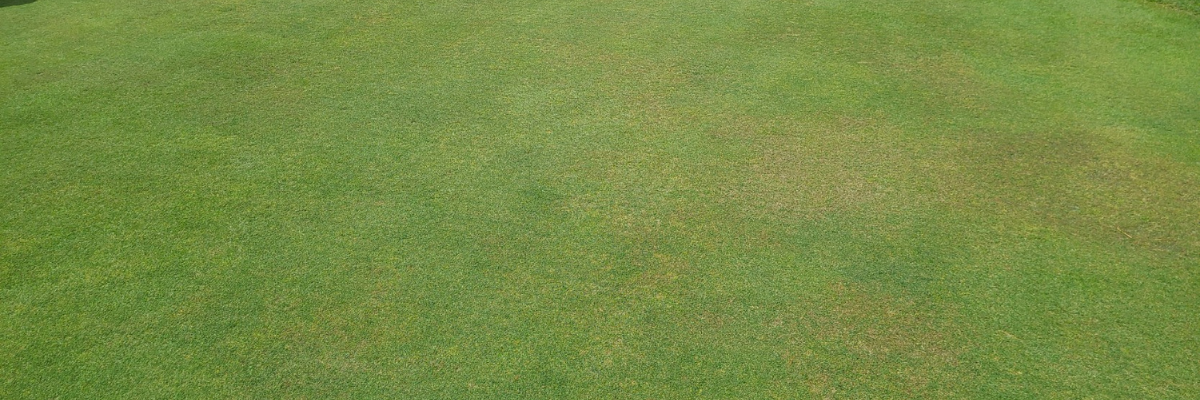
Pythium root rot (PRR) is a serious disease that
continues to pose problems on golf course putting greens. It’s suspected to be
caused by more than 30 different Pythium root-infecting
species, which vary widely by geography. Cool and warm season turfgrass species
can be affected by root-infecting Pythium, and often the symptoms do not
appear until well after the pathogen has compromised the roots. These, among
other factors, make this disease difficult to diagnose and sometimes
complicated to treat. Below are some tips on identifying and managing Pythium
root rot.
Pythium Root Rot Symptoms
Disease symptoms
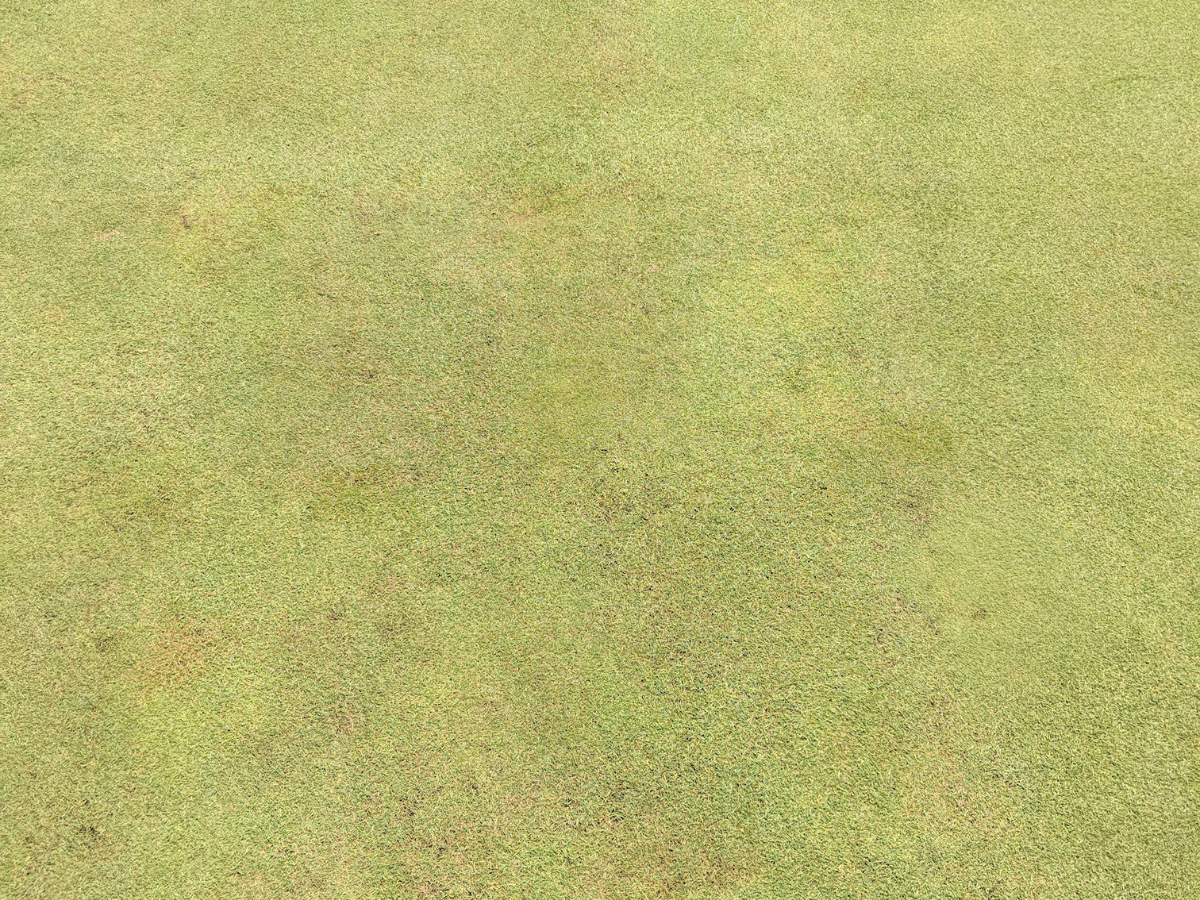
for PRR include chlorotic, yellow-to-orange
patches of thin turf that can appear as streaks in drainage areas. The early
disease symptoms are most often seen during periods of extended rainfall and
high heat/humidity. Pythium root rot is most problematic in heavier soils that
stay wet for extended periods of time. It also poses issues during cool, slow-growth periods in the shoulder seasons, especially on
warm season turfgrass species. In the northern climates, most superintendents
are concerned about summer symptoms which is when damage is typically seen. However,
treatment and intervention with fungicide applications should be initiated in
advance of summer heat and stress.
Controlling Pythium Root Rot Requires a Preventive Approach
For best results in controlling PRR, fungicide applications should start when 2-inch soil temperatures average 60 degrees F for five consecutive days. Once symptoms have appeared, a curative solution is unlikely to be very effective. Pythium root rot can be more of a chronic or repeated problem as spores from the pathogen can make their home inside roots and re-infect when conditions are conducive. Turf areas that have a history of PRR should receive preventive applications in the spring to ensure pathogen populations are kept to a minimum.
Fungicides for Pythium Root Rot
There are several effective chemistries available
to combat turf diseases caused by Pythium pathogens. Alone
or in combination, these products can be implemented into a program to help fight
both Pythium blight and root rot or dysfunction.
Harrell's ProtectMAX® Cyazo
(cyazofamid)
Harrell’s ProtectMAX® Cyazo is highly effective on root and foliar
Pythium diseases and should serve as the backbone of a PRR program. With the
active ingredient, cyazofamid, ProtectMAX® Cyazo controls all key species of
Pythium and is exceptionally effective in rotations on root rot, root
dysfunction, and foliar blight. (Harrell's ProtectMAX® brochure)
Serata™
(picarbutrazox)
Serata fungicide is an excellent rotational fungicide for Pythium root rot and dysfunction.
Serata™ fungicide, containing Picarbutrazox, is a newer compound from a
new class of chemistry, the tetrazolyloximes. It is theorized that Serata™
works by affecting the biosynthesis of phospholipids, which disrupts the normal
function of the pathogen’s cellular membrane. Serata™ has translaminar activity and no known
cross-resistance between it and other oomycete chemistries, making it an ideal
tool for pythium control and resistance management.
Banol®(propamocarb)
Banol® fungicide is one of the best Pythium blight fungicides with great curative activity.
Moderate efficacy as a rotational tool on Pythium root diseases.
Banol® delivers preventive and curative protection for Pythium
blight, Pythium root rot, and Pythium root with no documented cases of
resistance in turf.
Harrell’s ProtectMAX® Title Phyte® (Phosphonates)
Harrell's ProtectMAX® Title Phyte Systemic Fungicide has moderate efficacy on PRR when used
preventively and in combination with other solutions listed above.
Title Phyte® Systemic Fungicide serves as the backbone of a balanced approach to
disease management by controlling damaging diseases like Pythium blight,
Pythium root rot, anthracnose, and others while supplementing the plant with an
important nutritional element in potassium.
Signature™ XTRA
(Phosphonates)
Signature XTRA Stressguard® has moderate efficacy on PRR when used preventively and in combination with
other solutions listed above.
Signature™ XTRA is a true systemic fungicide that enhances
plant health and turf quality, even under the most severe environmental
conditions. It’s often used as the cornerstone for management programs on
annual bluegrass and creeping bentgrass golf greens, and it can be tank-mixed
with other fungicides for controlling leaf spot and bermudagrass decline on
ultra-dwarf greens.
Appear®
(Phosphonates)
Appear® fungicide has moderate efficacy on PRR when used preventively and in combination with
other solutions listed above.
Appear® delivers
improved summer stress tolerance and greater Pythium and anthracnose control. The special pH-neutral, pigmented formulation
provides a deeper green color for your greens and tees.
Many QoI fungicides (FRAC code 11) are also
effective as part of a season-long program.
It is important to water
in products targeting PRR to the depth of the root
zone after application with at least 0.2 post-application irrigation or
rainfall. Start with applications in early to mid-spring on three- to four-week
intervals until summer heat and stress sets in. Under high environmental stress
and in areas with a history of PRR, a tightening of intervals to every 14 days
may be necessary. Rotating modes of action is recommended to limit resistance and
maximize control over the wide range of Pythium species that may be
present.
Cultural Practices to Limit Pythium Root Rot
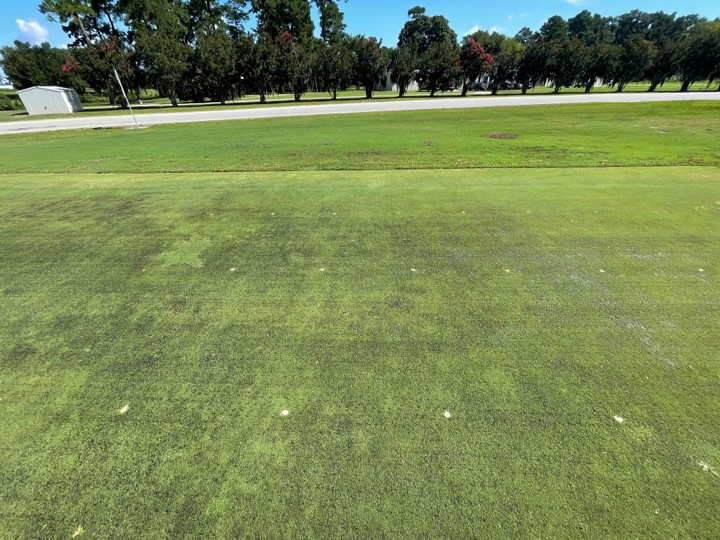
Limiting soil moisture
while still
maintaining adequate playing conditions and turf health is an important aspect
of combatting PRR. There are several cultural practices that will help limit
PRR, including:
o
Regular aerification and topdressing
o
Hand watering and use of moisture meters to better dial in soil
moisture
o
Improvements to internal drainage in problematic areas across the golf course
o Minimizing stress by using rollers to reduce mowing frequency
and/or raising the mowing height
o Optimizing root growth and health through the use of Biostimulants and plant health products
o
Managing
other root diseases/issues like patch diseases and nematodes (research has shown strong correlations between
plant parasitic nematodes and PRR)
If the turf goes into stressful periods of the season with a robust root
system, it is far more capable of handling some of the underlying pressure from
PRR or other root pathogens. Attempting to address issues curatively during
summer stress or when turf growth slows is usually unsuccessful. Preventive
strategies to improve overall plant health and root development will ultimately
allow the plant to tolerate both biotic (Pythium
root infection) and abiotic stresses (drought, heat, traffic, saturation,
shade, etc.), resulting in improved root biomass, better nutrient uptake, more
consistent playing conditions, and better fungicide and product efficacy.
Reach Out to the Experts on Pythium Root Rot
At Harrell’s, we are committed to a balanced approach to
turfgrass management. Our Territory Managers, or Harrell’s reps, work alongside
our Directors of Agronomy to develop programs for our customers that are designed
to support optimal growing conditions and limit disease outbreaks. By
addressing not only the disease, but the foundational elements of soil, water,
nutrition, and plant health, we can establish the resiliency the turf needs to
withstand stressors.
For more information on controlling Pythium root rot,
including info on Harrell’s ProtectMAX® Cyazo and other top fungicides for PRR,
as well as the exceptional root health products in the Harrell’s lineup, contact
your Harrell’s representative.
Don’t have a Harrell’s rep? Find yours at https://harrells.com/Sales or reach out to
us at 800-282-8007 or contact@harrells.com.
Related Resources

In addition to being the nation’s largest distributor of branded fungicides, herbicides, and insecticides, Harrell’s produces custom-blended fertilizers, specialty liquids, and wetting agents. Additionally, Harrell’s is the exclusive US owner, formulator, and distributor of all POLYON® branded products.
TEAM HARRELL'S
STAY EQUIPPED
Never stop learning. Access FREE continuing education courses from Harrell’s.
LET'S GROW
PRESS RELEASES
PRESS RELEASES
STAY EQUIPPED
Never stop learning. Access FREE continuing education courses from Harrell’s.
LET'S GROW