

Pythium Blight on Golf Courses | Prevent & Treat Pythium Fungus
1/9/2024
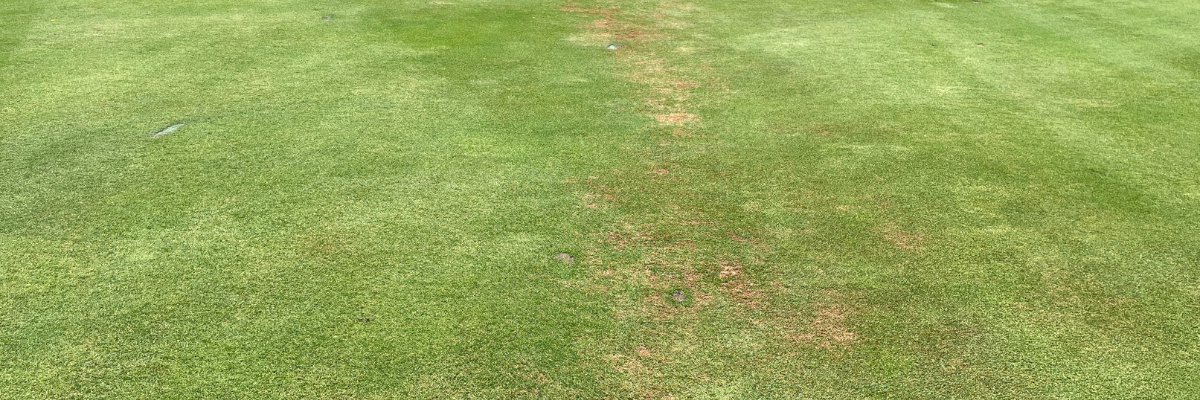
Pythium
blight, also known as “grease spot” or “cottony blight,” can wreak havoc on
golf courses, leaving behind large, dead areas that are an eyesore for golfers
and a nightmare for maintenance crews.
In this article, we will uncover the causes, symptoms, and,
most importantly, the proven strategies to combat Pythium blight.
Whether you're a seasoned golf course professional or a novice greenkeeper, our
expert tips and techniques will equip you with the knowledge and tools you need
to control this devastating disease.
What is Pythium Blight?
Pythium
blight is caused by the pathogen Pythium aphanidermatum, a
fungal-like organism in the oomycete kingdom. It is well known for attacking
and killing many different plant species including turfgrasses found on lawns,
athletic fields, and golf courses.
The disease thrives in warm, wet, and humid conditions, making it
particularly problematic in regions with hot summers, and leads to unsightly
areas of tan or brownish, dead grass.
Pythium
blight is most prevalent on golf courses with poorly draining soils or excessive thatch build-up. The
disease spreads rapidly, especially during extended periods of high humidity,
excessive rainfall, or after a heavy snowmelt. Therefore, understanding the
prime conditions for and early signs of Pythium blight can help prevent
its spread and minimize its impact on high-value stands and playing surfaces.
Identifying Pythium Blight
Often identifiable by active mycelia that appear purplish gray or white and cottony, Pythium blight can be observed in the early morning or during periods of high moisture. The disease usually starts as small, reddish-brown spots with infected leaf blades appearing water-soaked or slimy in the morning dew.
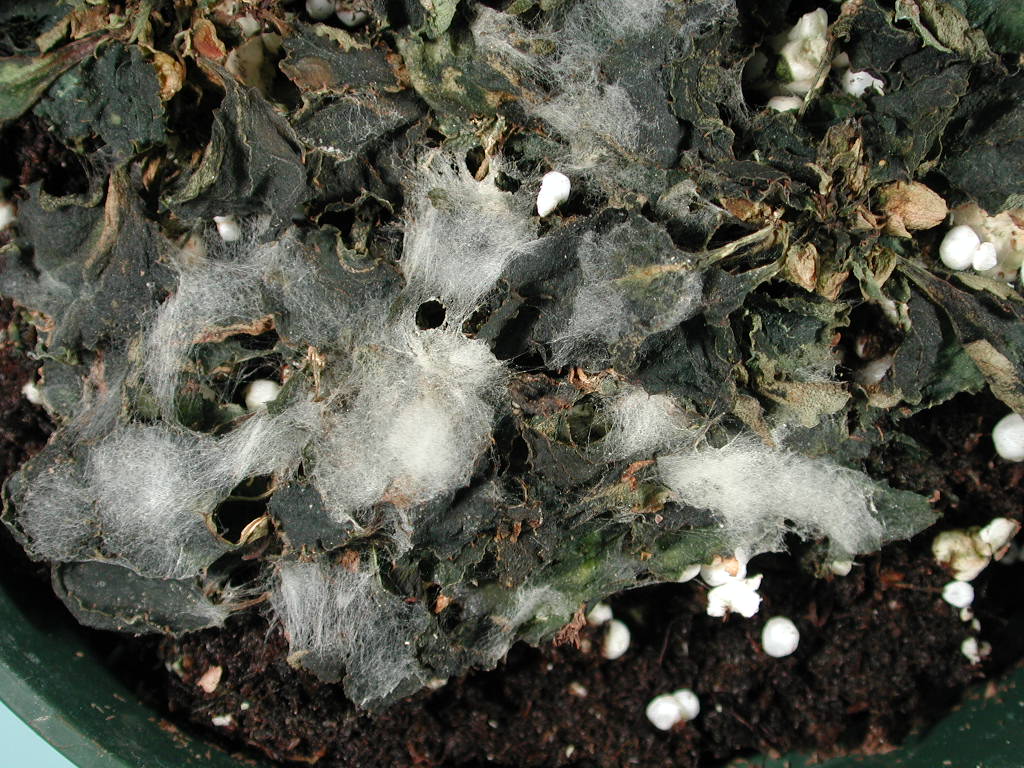
If hot, humid conditions persist, the disease progresses into
irregular patches of damage, often becoming more pronounced. These patches can
quickly expand, “track,” or streak with mowing patterns or surface water
drainage, leading to widespread damage if left untreated. Early detection and
prompt action are crucial in effectively managing Pythium blight and
minimizing its impact on aesthetics and playability.
Factors That Contribute to Pythium Blight
Several factors contribute to the development and spread of Pythium
blight on golf courses. Understanding these factors is essential in
implementing effective preventative measures and treatment strategies.
High soil moisture, especially combined with warm temperatures,
creates the ideal environment for Pythium blight to thrive. Poor
drainage or compacted soils exacerbate this problem by retaining excess water
and promoting prolonged leaf wetness. Golf courses with excessive thatch are
also more susceptible to Pythium blight, as thatch provides a favorable
habitat for Pythium spores, allowing them to survive and infect the
turfgrass. Additionally, cultural practices such as over-irrigation and
inadequate air circulation can contribute to the development and spread of Pythium
blight.
Lastly, the introduction of Pythium-infected plant material or contaminated equipment can introduce the disease to previously unaffected areas of the golf course. By identifying and addressing these contributing factors, golf course professionals can significantly reduce the risk of Pythium blight outbreaks.
Preventative Cultural Measures for Pythium
Blight
Prevention is the first line of defense against Pythium
blight on golf courses. Implementing proactive measures can help minimize the
risk of disease development and reduce the need for intensive treatment.
First,
a balanced approach to turfgrass management is essential in preventing Pythium blight and other damaging diseases. The use of excessive nitrogen fertilizer during periods of hot,
humid weather, especially in the absence of balanced nutrition, can weaken the
turfgrass and make it more susceptible to disease. Instead, employing a controlled-release fertilizer like POLYON® allows for more consistent and predictable nutritional feeding.
Additionally, it is important to maintain proper soil pH and to avoid mineral
deficiencies.
Proper irrigation management is crucial in preventing Pythium
blight. Avoid over-watering, especially during periods of high humidity or when
the weather forecast predicts prolonged rainfall. Regular monitoring of soil
moisture levels can help ensure that irrigation practices are optimized for the
specific needs of the turfgrass species.
Improving soil drainage is another critical preventative measure.
Cultivation practices such as venting, coring, or deep tining to alleviate
compaction and promote air/water movement can significantly reduce the risk of Pythium
blight. Golf courses with excessively compacted soils may benefit from the
installation of drainage systems or the incorporation of sand-based topdressing
materials to improve water infiltration.
Finally, it is also essential to address thatch accumulation
through regular verticutting or dethatching to minimize the potential for Pythium
and other fungal diseases that thrive in excessive organic matter accumulation.
Chemical Treatments for Pythium Blight
Fungicides are the primary means of chemical control for Pythium
blight. When selecting a fungicide, choosing products specifically labeled
for use on golf course turfgrass is crucial. Fungicides containing active
ingredients such as propamocarb, Cyazofamid, mefenoxam, strobilurin chemistries, or potassium phosphite have
been shown to control or suppress Pythium blight effectively.
In some cases
where Pythium is a chronic issue, resistance to fungicides can be a
concern. It's important to consider rotating chemistry using a programmatic approach
with different modes of action to keep populations in check. Harrell's
has some excellent reference tools and fungicide program recommendations that
can help with product selection and application timing. Our programs rotate
through best-in-class products from top-tier industry manufacturers like Envu, Syngenta, BASF, FMC, Nufarm, and others. To get a copy of the program for your region, reach
out to a Harrell's Rep or find our free fungicide guide poster here.
Top performing solutions include:
2. Subdue Maxx®
3. Banol
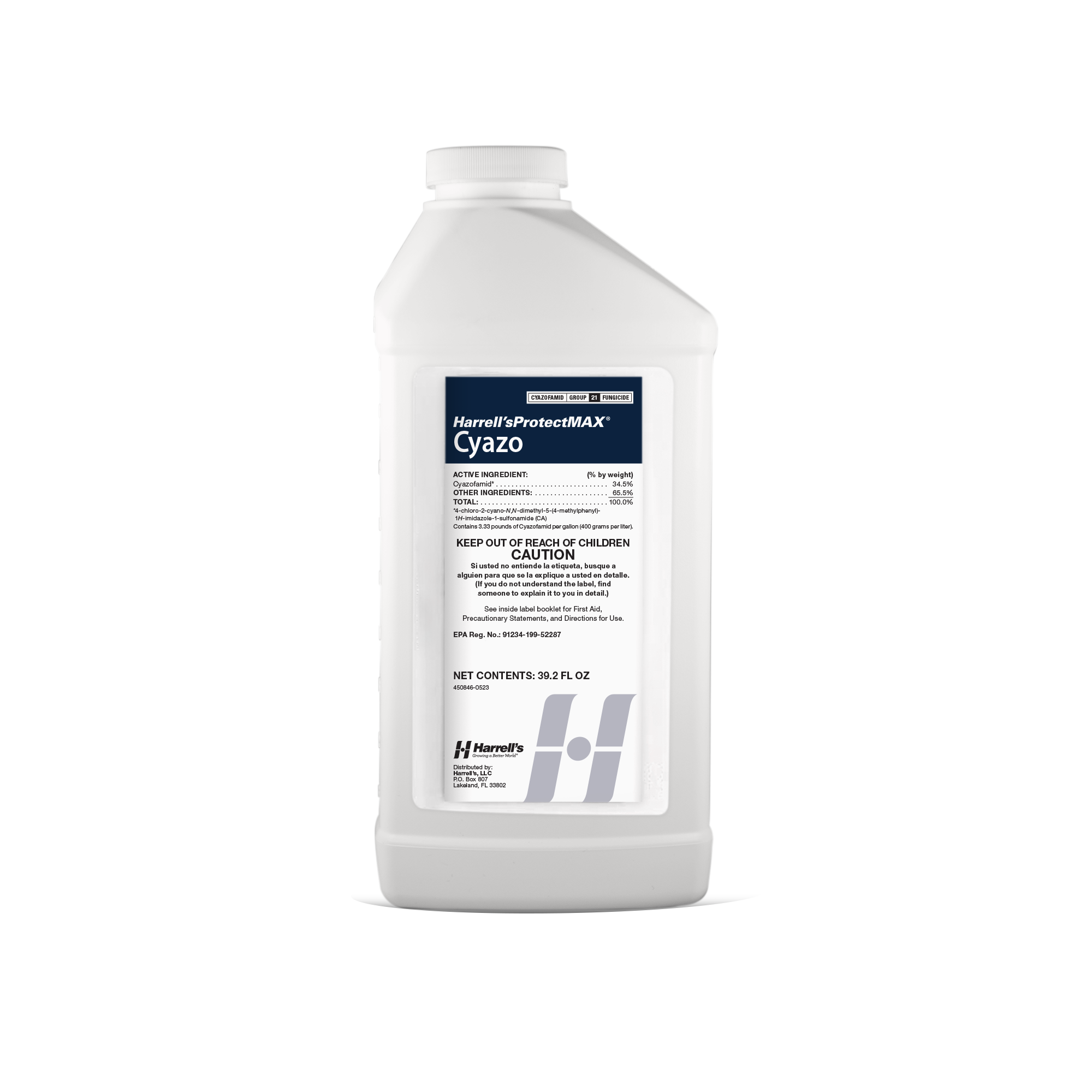
With the active ingredient Cyazofamid, Harrell’s ProtectMAX® Cyazo is the
industry-leading preventive and curative Pythium control option in an SC
formulation with excellent tank mix compatibility. The product offers familiar
use rates and is labeled for golf courses, sod farms, residential lawns and
landscapes, professional and collegiate athletic fields, ornamentals in landscapes,
greenhouses, and nurseries.
How Harrell’s ProtectMAX® Cyazo Works
Cyazofamid works within the inner mitochondrial membrane's
respiratory system. As the “powerhouse” of the cell, this generates energy
(ATP). Cyazo interrupts the respiration chain and halts the growth and
development of many different Pythium species and other plant pathogenic
oomycetes as well.
Cyazofamid is in the FRAC 21 class of fungicides. It enters plant
tissues and accumulates in the waxy cuticle. With translaminar movement, it can
suppress existing infections (curative use).
ProtectMAX® Cyazo is labeled to control turf
diseases, including Pythium blight, Pythium damping off, Pythium
root rot, and Pythium dysfunction. On ornamentals, ProtectMAX ® Cyazo
controls Pythium crown, Pythium root rot, Pythium damping
off, Phytophthora crown, root rot, and foliar blight, as well as downy mildew.
Proper application timing and rates are critical for maximizing
fungicide efficacy. Consult with your Harrell’s rep to determine the most
appropriate fungicide and application schedule for your specific golf course
conditions and agronomic situation.
Best Practices for Managing Pythium Blight on
Golf Courses
It is important to remember that Pythium blight management
is an ongoing process that requires consistent monitoring and adaptation to
changing environmental conditions.
Regular communication and collaboration with your Harrell’s rep
and Harrell’s Directors of Agronomy can provide valuable insights and support
in managing Pythium blight.
Reach out to your Harrell's Rep to discuss combatting Pythium
and how Harrell’s ProtectMAX® Cyazo can work for
you.
Related Resources

In addition to being the nation’s largest distributor of branded fungicides, herbicides, and insecticides, Harrell’s produces custom-blended fertilizers, specialty liquids, and wetting agents. Additionally, Harrell’s is the exclusive US owner, formulator, and distributor of all POLYON® branded products.
TEAM HARRELL'S
STAY EQUIPPED
Never stop learning. Access FREE continuing education courses from Harrell’s.
LET'S GROW
PRESS RELEASES
PRESS RELEASES
STAY EQUIPPED
Never stop learning. Access FREE continuing education courses from Harrell’s.
LET'S GROW