

All About Botrytis
3/17/2023 - By Dr. Aaron Palmateer
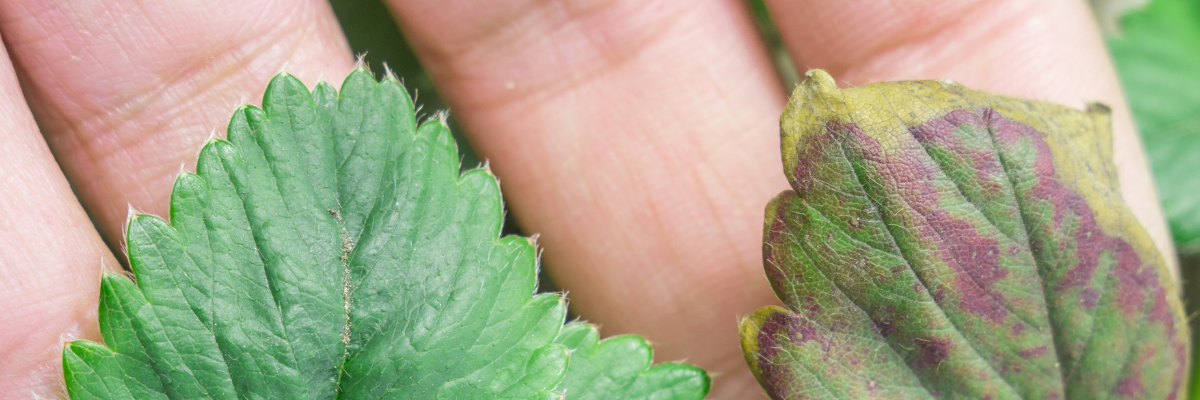
Another new year often brings exciting opportunities to take
advantage of and challenges to overcome. One challenge that has been part of
the ornamental plant world from what seems like the very beginning is the
fungal pathogen Botrytis. In this article, I will discuss what Botrytis
is, where you may see it, and how you can counteract it going into the new
year.
What is Botrytis?
Botrytis cinerea is a fungal plant pathogen that causes one of the most
destructive and challenging diseases of plants grown in greenhouses. Gray mold
or Botrytis blight can be an issue but is less common on outdoor
plantings including shade houses and open field nurseries. The disease occurs
mostly during or following cool, damp, and cloudy conditions meaning that going into spring is a high risk for Botrytis to develop. In addition to plaguing ornamentals, Botrytis attacks most greenhouse
vegetable and fruit crops and is common on plants and plant products, during
shipping and post-harvest storage even occurring on plant products in cold
storage.
What Makes Botrytis Such a Challenging Plant Pathogen to Control?
Botrytis
cinerea
is a saprophytic plant parasite meaning that it has the capability of living on
both dead and live plant material which allows for this pathogen to build up a
large population on your plants, but also on any crop debris (i.e., senescent
leaves and flowers) where it can easily go undetected and be the next source
for a disease outbreak. The fungus can invade and damage just about any part of
the plant, but blight mostly occurs on more tender plant tissues including the
flowers, buds, and leaves with weakened and damaged tissue being the most
susceptible. Botrytis is notorious
for invading freshly cut tissue during pruning and propagation, which
frequently results in stem lesions, dieback and has been reported to inhibit
rooting on infected cuttings.
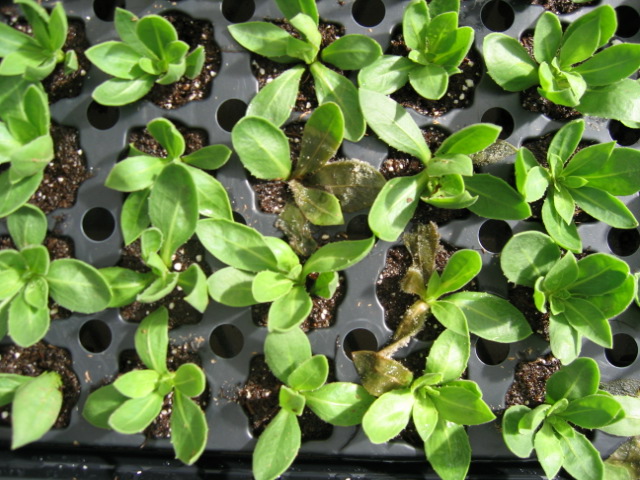
When Are Plants Most Vulnerable to Botrytis?
Botrytis likes cool
weather and disease development is most often favored by cool and damp
conditions with temperatures in the 70s and relative humidity at 90% or
greater. The fungal spores need free moisture or high relative humidity to germinate,
so allowing the leaves to dry will help reduce disease. Botrytis can be
active at very low temperatures even causing losses on plant material being
held in cold storage ranging from 32̊ to 50̊ F. A challenge is that most cold
storage units are maintained with high relative humidity to prevent shrinking
or shriveling of plant material, but consequently these conditions are
favorable for Botrytis. Thus, the preventative use of fungicides and effective
sanitation is essential for protecting plants and plant products during
transportation and storage.
How Can I Manage Botrytis?
The
most cost-effective way to manage Botrytis is disease prevention. Routinely
scouting plants for early disease detection is important to prevent outbreaks. Maintain
a clean operation by properly sanitizing pots, benches, tools, and floors to
minimize contamination. Botrytis can easily survive on dead plant tissue,
so it’s important to remove and discard any fallen or dead plant debris. A
preventative fungicide rotation is especially important when growing Botrytis
susceptible plants in a greenhouse. Botrytis
cinerea is reported as a high-risk pathogen for its potential to develop
fungicide resistance by the Fungicide
Resistance Action Committee (FRAC). The high-risk category includes fungal plant pathogens that have
evolved resistance to fungicides in a sufficiently short time frame (e.g.
within a few cropping seasons) and where there are documented cases of
resistance to more than one class of fungicide.
Although
Botrytis is labeled as high-risk for developing resistance to fungicides
growers should never assume they have a resistant population. Fungicide
resistance is not likely to occur when following a preventative rotation and
maintaining a sanitary operation. Be sure to follow the fungicide label and
especially the recommendations for rates and application intervals. Note most
fungicides have specific rates for Botrytis that may differ based on production
stages (i.e., plant propagation vs finishing) or environmental conditions. For
example, the recommended application rate and interval may be higher and more
frequent when conditions for disease are favorable.
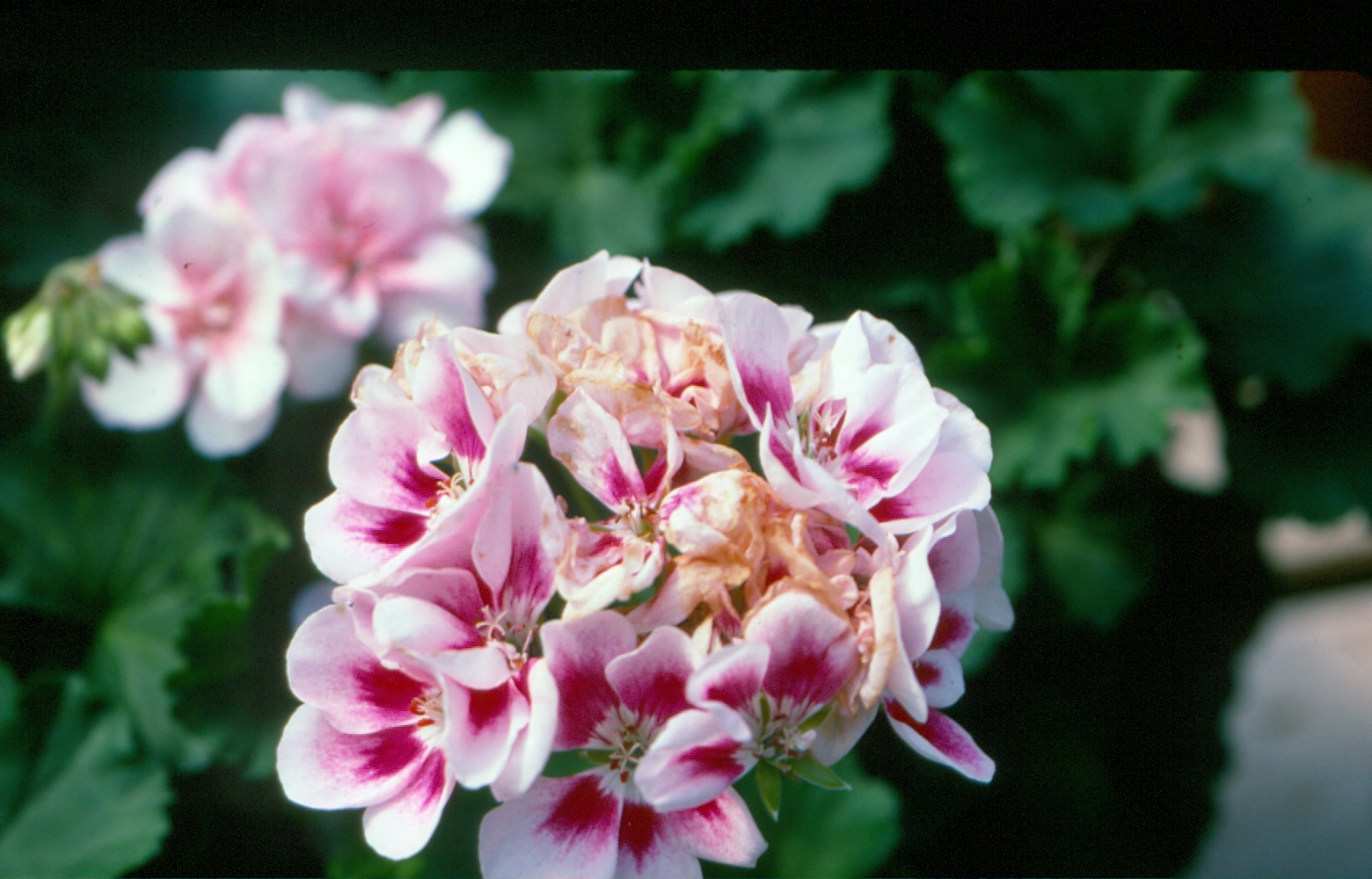
Botrytis Prevention
Fungicides are one of
the most important tools for effective disease management and individuals
making fungicide application decisions must follow the manufacturer’s
recommendation for proper rates and application intervals. The proper use of
fungicides and recognizing the importance of rotating FRAC groups for control
of economically important plant diseases such as Botrytis blight will
ensure long-term success and future availability of fungicides for disease
management.
|
Example Rotation Program for Managing Botrytis |
|
|||
|
Week |
Activity |
FRAC Group |
Product Examples |
Active Ingredient |
|
1 |
Translaminar |
2 |
iprodione |
|
|
3 |
Locally Systemic |
17 |
fenhexamid |
|
|
5 |
Xylem-mobile |
19 |
polyoxin D |
|
|
7 |
Locally Systemic + Contact |
9 + 12 |
cyprodinil + fludioxonil |
|
|
9 |
Systemic |
7 + 11 |
fluopyram + trifloxystrobin |
|
Another
mode of action to consider as a tank mix or rotation includes Chlorothalonil®
(FRAC MO5).
Other modes of action to consider as a tank mix or rotation include Chlorothalonil® (FRAC MO5) or the all-new ProtectMAX Fluoxastrobin SC (FRAC 11).
Reach Out to Your Harrell's Rep for More on Botrytis
For more information on Botrytis, prevention or any
of the products mentioned, reach out to your
local Harrell's Rep. We're here to help.
Related Resources

In addition to being the nation’s largest distributor of branded fungicides, herbicides, and insecticides, Harrell’s produces custom-blended fertilizers, specialty liquids, and wetting agents. Additionally, Harrell’s is the exclusive US owner, formulator, and distributor of all POLYON® branded products.
TEAM HARRELL'S
STAY EQUIPPED
Never stop learning. Access FREE continuing education courses from Harrell’s.
LET'S GROW
PRESS RELEASES
PRESS RELEASES
STAY EQUIPPED
Never stop learning. Access FREE continuing education courses from Harrell’s.
LET'S GROW